Discussion on Low Volume PCB Design
Introduction
Printed circuit boards (PCBs) are an component in the design and manufacture of modern electronic products. With the continuous advancement of technology and changes in market demand, low volume PCBs have gradually become the focus of many companies.
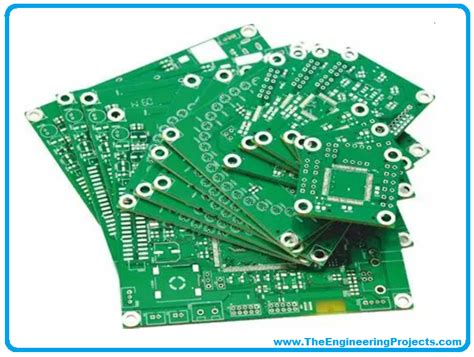
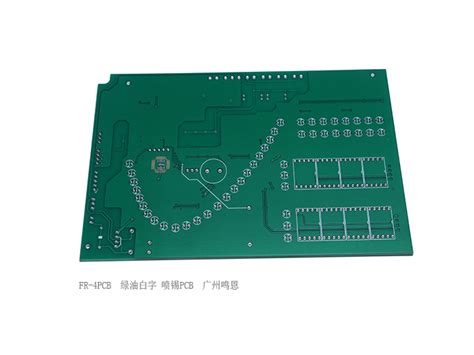
Low volume PCBs usually refer to circuit boards with a small production quantity, which are of great significance in small batch production, prototype development and specific applications. This article will explore the characteristics, design considerations, manufacturing processes and applications of low volume PCBs in the industry.
Characteristics of low volume PCBs
1.Production flexibility
Low volume PCB production usually has high flexibility. Due to the small production quantity, designers can make quick adjustments according to the specific needs of customers. This flexibility makes low volume PCBs particularly suitable for rapid prototyping and small batch production.
2.Cost-effectiveness
Although the unit cost of low volume PCBs is relatively high, low volume production can effectively reduce inventory costs and excess risks in the overall project. For start-ups or R&D departments, low-volume PCBs can help them conduct product testing and market verification without taking too much risk.
3.Design Complexity
The design of low-volume PCBs usually involves high complexity. Designers need to arrange circuits reasonably in a limited space and ensure the stability of electrical performance. Due to the small production quantity, designers may adopt more advanced materials and technologies to meet specific functional requirements.
Design Considerations
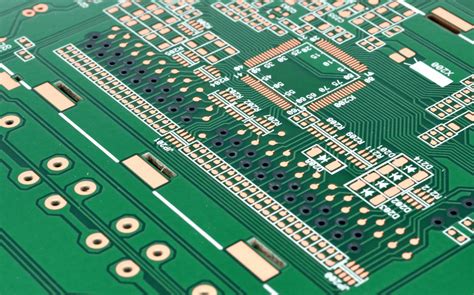
There are several key factors to consider when designing low-volume PCBs:
1.Material Selection
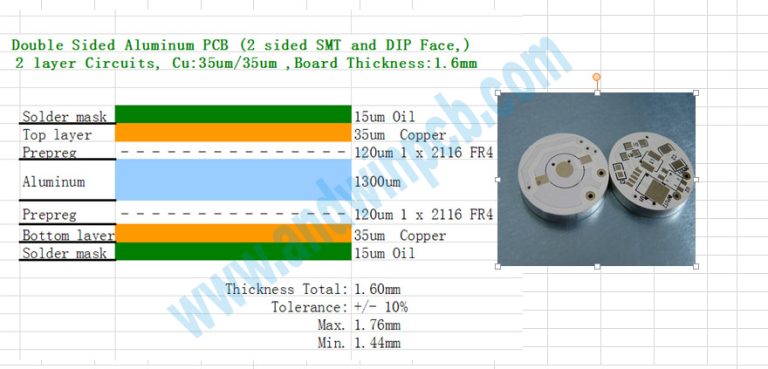
The material selection of low-volume PCBs is crucial. Common PCB materials include FR-4, polyimide, and ceramic. Designers need to choose suitable materials based on the working environment, frequency requirements, and heat dissipation requirements of the circuit board. In addition, the use of environmentally friendly materials is also gaining more and more attention.
2.Layout and Routing
Reasonable layout and routing are the key to ensuring PCB performance. Designers need to consider factors such as signal integrity, EMI (electromagnetic interference), and thermal management. In low-volume PCBs, due to limited space, designers need to make full use of every inch of space to avoid signal interference and crosstalk.
3.Testing and Verification
In the design process of low-volume PCBs, testing and verification are indispensable links. Designers need to develop a detailed test plan to ensure the reliability of the circuit board in actual use. Common test methods include functional testing, environmental testing, and life testing.
Manufacturing Process
The manufacturing process of low-volume PCBs usually includes the following steps:
1.Design Input
Designers input the circuit schematic and PCB layout files into the manufacturing system. At this point, the manufacturer will review the design files to ensure that they meet production standards.
2.Material Preparation
According to the design requirements, the manufacturer will prepare the corresponding PCB materials. This step includes cutting the substrate, preparing copper foil and other necessary materials.
3.Photolithography and Etching
In PCB manufacturing, photolithography and etching are key steps in forming circuit patterns. Manufacturers will transfer the design pattern to the substrate, and then remove the excess copper layer through chemical etching to form the required circuit path.
4.Drilling and Gold Plating
Drilling holes on PCBs is to install components and make electrical connections. After drilling, manufacturers will gold-plate the holes to improve conductivity and prevent oxidation.
5.Surface treatment
Surface treatment is to improve the solderability and durability of PCBs. Common surface treatment methods include HASL (hot air leveling), ENIG (nickel gold) and OSP (organic coating protection).
6.Assembly and testing
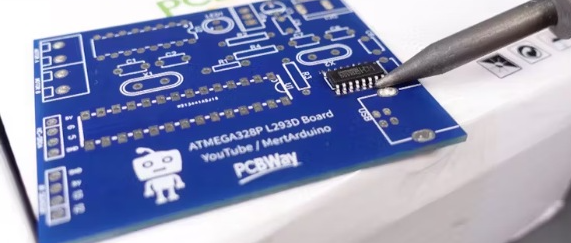
After the PCB is manufactured, the manufacturer will assemble the components. After assembly, functional testing and quality inspection are carried out to ensure that each PCB can work properly.
Industry application
Low-volume PCBs are widely used in multiple industries. The following are several major areas:
1.Consumer electronics
In the field of consumer electronics, low-volume PCBs are widely used in products such as smartphones, tablets and wearable devices. Due to the rapid changes in market demand, low-volume production can help companies respond to the market quickly.
2.Medical equipment
Medical equipment has extremely high requirements for the reliability and stability of PCBs. The application of low-capacity PCBs in medical devices can meet the needs of personalized customization and rapid iteration, ensuring the reliability of equipment at critical moments.
3.Automation and control
In industrial automation and control systems, low-capacity PCBs are widely used in devices such as sensors, controllers and actuators. With the rise of intelligent manufacturing, the flexibility and adaptability of low-capacity PCBs make them key components.
4.Automotive electronics
With the development of automotive electronics technology, the application of low-capacity PCBs in automotive electronic systems is also increasing. Whether it is an in-vehicle entertainment system, navigation system or safety control system, low-capacity PCBs can provide high-performance solutions.
Conclusion
As an important part of electronic product design and manufacturing, low-capacity PCBs have the characteristics of flexibility, cost-effectiveness and design complexity. During the design and manufacturing process, designers need to fully consider factors such as material selection, layout routing and test verification to ensure the performance and reliability of PCBs. With the continuous advancement of science and technology, the application of low-capacity PCBs in consumer electronics, medical equipment, automation control and automotive electronics will become more and more extensive. In the future, the development of low-capacity PCBs will continue to promote innovation and progress in the electronics industry.