Effective Approaches to Mitigate PCB Temperature Rise
Abstract
Printed Circuit Boards (PCBs) are fundamental components in modern electronic devices, and their thermal management is crucial for reliability and performance. Excessive temperature rise in PCBs can lead to component failure, reduced lifespan, and degraded functionality. This paper explores the primary causes of PCB overheating and presents effective strategies to mitigate temperature rise, including material selection, thermal design optimization, heat dissipation techniques, and advanced cooling solutions.
1. Introduction
As electronic devices become more compact and powerful, managing heat dissipation in PCBs has become increasingly challenging. Excessive heat can cause thermal stress, solder joint degradation, and signal integrity issues. Effective thermal management ensures long-term reliability and optimal performance. This article discusses practical approaches to control PCB temperature rise.
2. Causes of PCB Temperature Rise
Understanding the root causes of PCB overheating is essential for implementing effective solutions. Key factors include:
2.1 High Power Dissipation
- Power-hungry components (e.g., CPUs, GPUs, power regulators) generate significant heat.
- Poorly designed power distribution networks increase resistive losses (I²R heating).
2.2 Poor Thermal Design
- Inadequate copper weight or improper trace width increases resistance.
- Lack of thermal vias or insufficient heat spreading layers.
2.3 Environmental Factors
- High ambient temperatures reduce cooling efficiency.
- Enclosed or poorly ventilated enclosures trap heat.
2.4 Component Placement
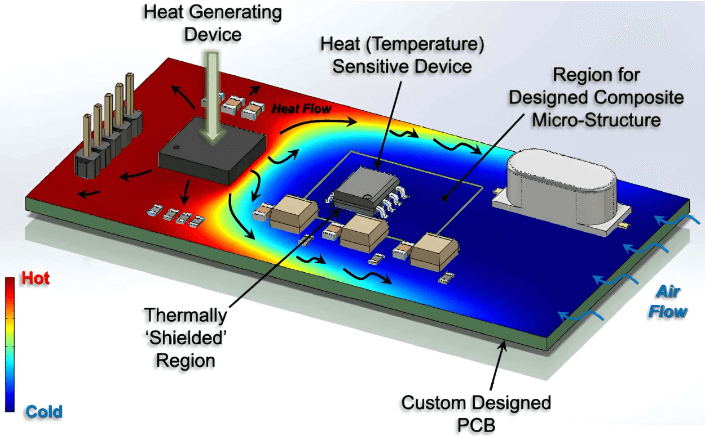
- High-power components clustered together create localized hot spots.
- Lack of spacing between heat-generating parts restricts airflow.
3. Effective Strategies to Reduce PCB Temperature
3.1 Optimize PCB Material Selection
Choosing appropriate materials can significantly improve thermal performance:
- High Thermal Conductivity Substrates: Metal-core PCBs (e.g., aluminum or copper) enhance heat dissipation.
- Thermally Enhanced FR4: Some FR4 variants incorporate ceramic fillers to improve thermal conductivity.
- Low-CTE Materials: Reduce thermal stress-induced failures.
3.2 Improve PCB Layout for Thermal Management
- Wide Copper Traces: Reduce resistive heating in high-current paths.
- Thermal Relief Pads: Improve soldering while allowing heat dissipation.
- Copper Pour & Planes: Large copper areas act as heat spreaders.
- Thermal Vias: Placing vias beneath hot components transfers heat to inner or backside layers.
3.3 Enhance Heat Dissipation Techniques
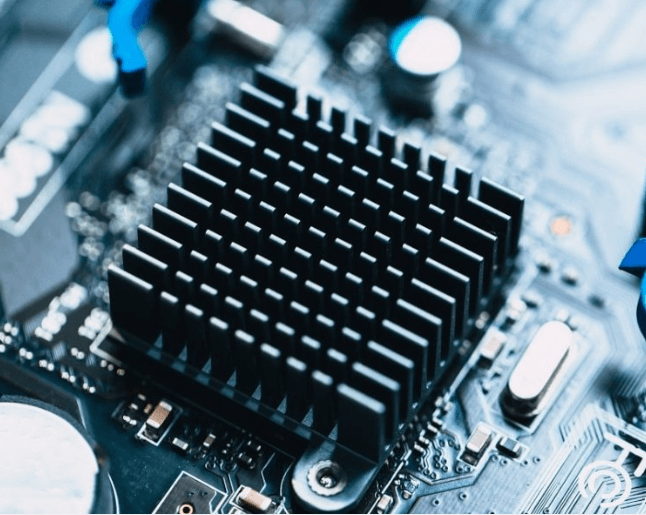
- Heat Sinks: Attach aluminum or copper heat sinks to high-power components.
- Thermal Interface Materials (TIMs): Use thermal paste, pads, or epoxy to improve heat transfer.
- Forced Air Cooling: Integrate fans or blowers to enhance convective cooling.
3.4 Advanced Cooling Solutions
- Liquid Cooling: Microchannel cooling or cold plates for high-power applications.
- Phase-Change Materials (PCMs): Absorb and dissipate heat during phase transitions.
- Heat Pipes: Efficiently transfer heat away from critical areas.
3.5 Optimize Component Placement & Power Distribution
- Decentralize High-Power Components: Avoid clustering heat sources.
- Use Efficient Power Regulators: Switching regulators (instead of linear) minimize heat generation.
- Dynamic Power Management: Implement throttling or sleep modes to reduce heat during low-load conditions.
3.6 Simulation & Testing for Thermal Validation
- Thermal Simulation Tools: Use ANSYS Icepak, SolidWorks Flow Simulation, or Altium’s thermal analysis tools.
- Infrared Thermography: Identify hot spots in prototype testing.
- Thermal Cycling Tests: Ensure reliability under varying temperature conditions.
4. Case Studies & Practical Examples
4.1 High-Power LED PCBs
- Problem: LEDs generate significant heat, reducing lifespan.
- Solution: Aluminum-core PCBs with thermal vias and external heat sinks.
4.2 Automotive Electronics
- Problem: High ambient temperatures in engine compartments.
- Solution: Enhanced convection cooling with heat pipes and optimized airflow design.
4.3 Server Motherboards
- Problem: High-density computing leads to overheating.
- Solution: Liquid cooling systems and advanced thermal interface materials.
5. Conclusion
Managing PCB temperature rise is critical for ensuring reliability and performance in modern electronics. By optimizing material selection, improving thermal design, employing effective heat dissipation techniques, and leveraging advanced cooling methods, engineers can significantly reduce overheating risks. Future advancements in thermally conductive materials and smart cooling systems will further enhance PCB thermal management.