Effective Methods for DIY PCB Board Making at Home
Key Takeaways
DIY PCB manufacturing at home can be a rewarding and economical venture. By using simple methods, you can achieve professional-quality results without relying on traditional PCB manufacturing companies. You’ll discover that with the right techniques, you can significantly reduce your pcb manufacturing cost. Understanding the various methods, from inkjet printing to etching processes, will empower you to create circuits tailored to your specific needs.
One effective technique involves the utilization of an inkjet printer combined with iron transfer. This approach allows you to print your design directly onto the PCB material and transfer it using heat, leading to precise and clear patterns. Another method is the toner transfer, which uses laser-printed designs that are transferred onto copper boards before etching. Both methods can yield satisfactory results if executed carefully.
Moreover, keep in mind that consistent practice will help improve your skills over time. Don’t hesitate to experiment with different materials and techniques until you find what works best for your projects. If you encounter challenges in your DIY journey, remember to troubleshoot common issues such as improper transfers or inconsistencies in etching.
“Experimentation is key; be patient and persistent with your projects.”
Ultimately, taking the DIY route for pcb manufacturing not only enhances your understanding of circuit design but also fosters creativity in electronics projects. As you explore these methods at home, you may even find opportunities to turn your skills into a small pcb manufacturing business that caters to friends or local hobbyists. With dedication and a bit of ingenuity, you’ll create impressive PCBs right from the comfort of your workshop!
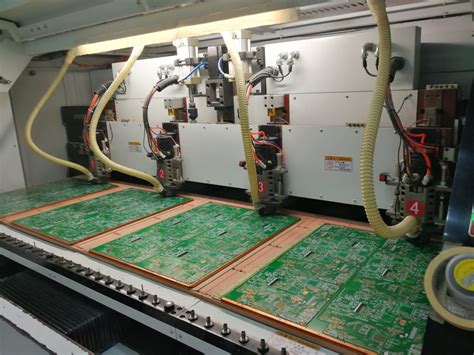
Introduction to DIY PCB Board Making
In recent years, the DIY PCB board making trend has gained significant momentum among electronics enthusiasts and hobbyists. Whether you’re a seasoned maker or a curious beginner, creating your own printed circuit boards (PCBs) can be an immensely fulfilling experience. You may find the process not only cost-effective but also a gateway to endless creativity and innovation. By understanding the fundamentals of PCB manufacturing, you can develop customized designs that cater to your specific needs without relying heavily on PCB manufacturing companies.
When embarking on your DIY journey, it’s vital to grasp how traditional PCB manufacturing costs can add up, particularly if you’re frequently prototyping or experimenting. By mastering effective techniques at home, you can dramatically reduce these costs while gaining unparalleled control over your designs. There are various methods at your disposal, ranging from the inkjet printing technique to more advanced etching processes.
For those considering a PCB manufacturing business, understanding these DIY principles is invaluable. Not only will it help in grasping production timelines and material needs, but also in achieving quality results that meet industry standards. With a little patience and practice, you can produce PCBs that rival those created by commercial services while fostering an environment of sustainability and resourcefulness in electronics design.
Here’s a brief overview of some key aspects related to DIY PCB creation:
| Aspect | Description |
|---|---|
| Customization | Tailor designs that fit your specific project needs |
| Cost-effectiveness | Save on production costs compared to commercial firms |
| Skill Development | Enhance your skills in electronics design |
| Flexibility | Quickly prototype and iterate on your ideas |
Exploring the options available for DIY PCB board making opens many doors for personal creativity and practical application. As you delve deeper into this innovative world, you will appreciate the simplicity of creating your own PCBs while being equipped with essential knowledge about PCB manufacturing processes that are typically reserved for large-scale operations.
Essential Tools and Materials for PCB Fabrication
When embarking on your DIY PCB board making journey, it is crucial to gather the right tools and materials to ensure success. First and foremost, a reliable design software will allow you to create accurate schematics and layouts for your circuit boards. Equally important is the choice of substrate material; typically, FR-4 fiberglass is favored for its durability and electrical insulation properties. You will also need a toner transfer paper if you’re opting for the toner transfer method, or a good quality inkjet printer for printing designs directly on special paper.
Additionally, consider acquiring a PCB etching solution such as ferric chloride or sodium persulfate, which will help you remove excess copper from your board after the design has been transferred. To assemble the components onto your PCB, you will require soldering tools, which include a soldering iron and solder wire. Having a multimeter handy is also beneficial for testing connections before finalizing your board.
Remember that while pursuing DIY methods can significantly reduce pcb manufacturing costs, it’s important to have accurate measurements and quality materials to avoid common pitfalls often seen in lesser-quality projects. If you’re serious about entering the world of electronics and perhaps starting a small pcb manufacturing business, mastering these essential tools will set you on the right path to achieving neat and functional designs that may rival those made by professional pcb manufacturing companies.
Method 1: Inkjet Printing and Iron Transfer Technique
One of the most accessible and popular methods for DIY PCB board making is the inkjet printing and iron transfer technique. This approach allows you to create custom circuit designs at home, achieving results comparable to those of PCB manufacturing companies without incurring significant pcb manufacturing costs. To get started, you will need an inkjet printer capable of printing on glossy paper, which will serve as your transfer medium. Design your PCB layout using software, ensuring that the dimensions match the final size you want. Once printed, use an iron to transfer the ink onto a copper-clad board.
The heating process causes the ink to adhere to the copper surface, facilitating a smoother etching process later on. This technique is not only economical compared to traditional pcb manufacturing, but it also allows for quick iterations—perfect for hobbyists and small-scale projects. While you can achieve great results with this method, be mindful that precision is key; any errors in your design could lead to issues that professionals would typically address in their pcb manufacturing business workflow. Therefore, take your time with each step to ensure a neat and reliable outcome. Experimentation will enable you to refine your process further, enhancing both the quality of your designs and your overall skills in PCB fabrication.
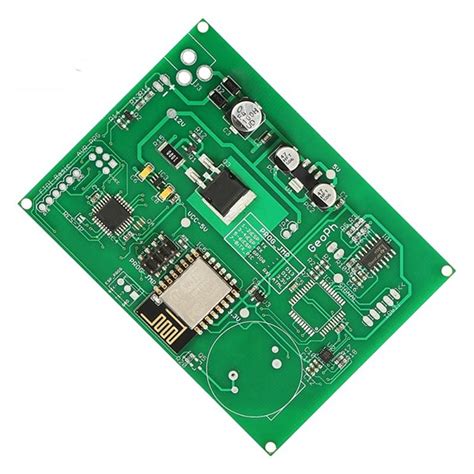
Method 2: Toner Transfer and Etching Process
The toner transfer and etching process is a popular and effective method for DIY PCB board making at home. This technique involves printing your PCB design onto a special type of paper using a laser printer. The toner from the laser printer adheres to the paper, creating a precise outline of your circuit. Once you have your design printed, you can apply it onto the copper-clad board by using heat, typically from an iron. This process can be quite forgiving, allowing for minor adjustments to maintain the quality of the PCB manufacturing process.
After successfully transferring the toner onto your copper board, it’s essential to etch away the exposed copper. For this step, you can use chemicals like ferric chloride or ammonium persulfate. These substances remove the unprotected copper while leaving behind your circuit traces intact—this is where you achieve that meticulous detail that many PCB manufacturing companies specialize in.
One of the key advantages of this method is its cost-effectiveness compared to traditional methods; it significantly lowers PCB manufacturing costs while still yielding high-quality results. Unlike sourcing from large-scale production facilities, you can conduct your own PCB manufacturing business with these skills and tools at home. Overall, mastering this technique equips you with valuable knowledge and practical experience in PCB manufacturing, facilitating seamless experimentation with various designs tailored to your specific project needs.
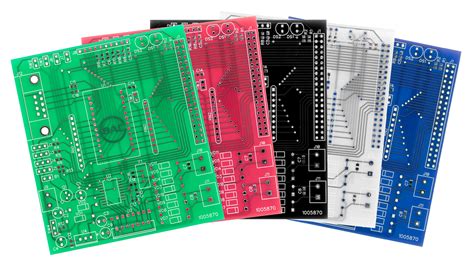
Method 3: Direct PCB Drawing and Etching Alternative
An intriguing alternative to traditional methods of pcb manufacturing is the direct drawing and etching technique. In this approach, you can utilize a permanent marker or conductive ink to draw your circuit designs directly onto a pcb board. This process allows for a quicker turnaround compared to the often lengthy procedures employed by pcb manufacturing companies. Once your design is complete, you can proceed with the etching process using an etching solution, which will remove the unmarked areas of the board, thereby revealing your circuit pattern.
One of the significant advantages of this method is that it greatly reduces the pcb manufacturing cost typically associated with professional services, making it a budget-friendly option for hobbyists and aspiring engineers alike. Additionally, drawing circuits can serve as an excellent learning experience, allowing you to understand the intricacies of circuit design without the pressures often tied to commercial ventures. Should you want to delve further into this exhilarating world, consider how this technique might fit into your personal or small-scale pcb manufacturing business ambitions. Embracing direct drawing not only cultivates creativity but also enhances your hands-on skills in pcb design, bringing your electronic projects to life with precision and care.
Troubleshooting Common Issues in DIY PCB Making
When engaging in DIY PCB manufacturing, you may encounter several challenges that can impact the quality of your projects. One common issue is the alignment of your designs during the pcb manufacturing process. If misalignment occurs, you might find that your traces are not connecting correctly, which can be a result of inaccuracies in the transfer method used. Ensure you are using high-quality pcb manufacturing companies for any materials and tools to minimize these discrepancies.
Another frequent concern is etching unevenness, which can lead to incomplete traces or even burnt areas on the board. It’s essential to maintain a consistent etching time and temperature; deviations can affect how well the copper is removed during this phase. Additionally, make sure you’re using a suitable etching solution at the correct concentration to avoid inconsistent results.
Moreover, if you’re facing difficulties with poor soldering joints, this could stem from inadequate cleaning of the PCB surface before soldering. It’s vital to ensure that your board is free from any contaminants or oxidation which may prevent good contact between components and pads. Taking these precautions will help mitigate common problems and enhance your overall pcb manufacturing business success.
Finally, be aware that pcb manufacturing cost can vary significantly based on material choices and techniques employed. While DIY methods might save money initially, recognizing when it’s more efficient to outsource certain aspects of production may prevent costly mistakes down the line. By being proactive about troubleshooting these issues, you will find your DIY PCB experiences becoming increasingly successful and rewarding.
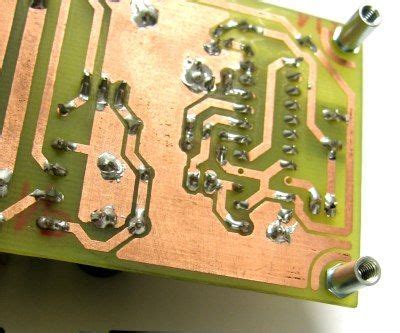
Tips for Achieving Neat and Reliable Designs
When embarking on your journey of DIY PCB board making, there are crucial aspects to consider that can significantly enhance the aesthetics and reliability of your designs. First and foremost, ensure that the design files you create are prepared with precision. Utilize PCB design software to help you map out your circuit clearly. This initial step is paramount; any errors in the design can lead to complications down the line, affecting PCB manufacturing costs and performance.
One effective tip is to manage your traces—make them as short and direct as possible without compromising functionality. This will not only improve the performance of your board but also make it easier to etch later on. Similarly, consider the spacing between traces and pad sizes; following recommended guidelines for these parameters can contribute to a smoother process, echoing standards found in many PCB manufacturing companies.
Moreover, focus on maintaining a clean workspace. A cluttered environment can lead to mistakes and miscalculations that might escalate into larger issues in PCB manufacturing. Lastly, stay updated on common challenges associated with DIY approaches; troubleshooting these can help you avoid costly errors in what could otherwise be a rewarding PCB manufacturing business endeavor.
In summary, being meticulous in your designs while applying practical tips will lead you toward achieving clean and dependable PCBs—essential for both hobbyists and those considering entering the world of PCB creation professionally.
Conclusion: Exploring the Future of DIY PCB Techniques
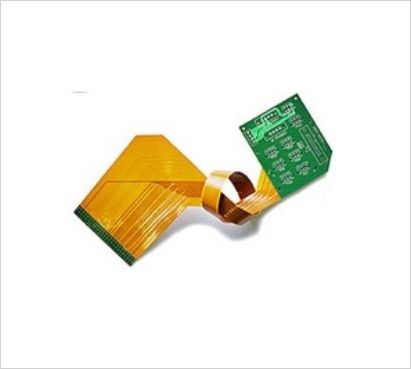
As you venture into the realm of PCB manufacturing at home, it’s essential to recognize the advancements and techniques shaping this exciting field. The growing interest in DIY PCB projects not only facilitates personal creativity but also encourages innovation within the pcb manufacturing business landscape. Future methods may leverage modern tools that simplify processes, reduce pcb manufacturing costs, and enhance design precision. You might find that advancements in materials, such as flexible substrates or conductive inks, open new avenues for creativity and application. Staying informed about emerging trends can help you make informed decisions when selecting between various pcb manufacturing companies and their offerings. By embracing these evolving techniques, you can elevate your DIY projects, ultimately achieving neat and reliable results that reflect both your skills and the future potential of home-based PCB creation.
Conclusion: Exploring the Future of DIY PCB Techniques
As you delve into DIY PCB board making, it’s essential to recognize how advancements in technology are shaping the landscape of pcb manufacturing. The techniques discussed throughout this article not only empower you to create custom circuit boards at home but also bridge the gap between hobbyist creations and professional-grade outputs. With the right tools and a bit of practice, you can achieve levels of precision that rival those produced by pcb manufacturing companies. Furthermore, this DIY approach can significantly reduce your overall pcb manufacturing cost, making it a viable option for both personal projects and small-scale pcb manufacturing business models. By understanding these methods and continuously experimenting with different designs, you’re not just enhancing personal knowledge but also contributing to a growing community of makers who value creativity, efficiency, and innovation in circuit board design. Embrace these techniques as stepping stones toward a future where DIY PCB techniques become an integral part of electronics development in homes everywhere.
FAQs
What is PCB manufacturing?
PCB manufacturing refers to the process of creating printed circuit boards (PCBs) that are essential for electronic devices. This involves designing, fabricating, and assembling the boards to ensure they function correctly in various applications.
How can I reduce PCB manufacturing cost when DIYing?
To minimize your pcb manufacturing cost, consider sourcing materials in bulk, using inexpensive etching solutions, and optimizing your designs to use less copper and material. Additionally, ensure precision in your designs to reduce waste.
Are there any reliable PCB manufacturing companies for small batches?
Yes, there are several pcb manufacturing companies that cater specifically to small-scale projects. Many online services offer quick turnaround times and low minimum order quantities, making them perfect for hobbyists or freelancers.
What does the typical PCB manufacturing business entail?
A pcb manufacturing business generally involves the design and production of printed circuit boards for various customers. This can range from working with individual inventors to larger companies needing mass production of specific designs.
Can I achieve professional quality PCBs at home?
While achieving professional quality may take practice and patience, using techniques like toner transfer and etching can yield impressive results. The key is to focus on detailed designs and precise execution during the DIY process.