Effective PCB Circuit Board Assembly Techniques and Tips
Key Takeaways
When it comes to pcb assembly, having a solid understanding of the essential techniques is crucial for ensuring efficiency and quality in the assembly process. One fundamental takeaway is the importance of selecting the right essential tools for PCB assembly. The efficiency of your workflow can significantly improve with proper machinery, such as automated soldering stations and high-precision pick-and-place machines. These tools can help minimize human error, enhancing both speed and accuracy during manufacturing.
Another critical aspect is to establish a set of best practices for efficient assembly processes. It’s recommended that teams conduct thorough training sessions focusing on assembly techniques, as well as ensuring that all team members adhere to standardized procedures. As highlighted in industry research, “> Consistent application of assembly guidelines leads to fewer errors and reduces downtime during production.”
Furthermore, implementing strict quality control techniques in PCB assembly can catch potential defects early in the process, saving time and resources in the long run. Keeping abreast of common challenges and integrating their solutions into daily practices will also create a smoother workflow.
Lastly, considering advanced techniques for high-quality results can set your PCB assembly operation apart from competitors. Experimentation with new methods or technologies in pcba should not be overlooked, as they can lead to innovative improvements that enhance overall product quality while making the assembly process more productive and efficient.
Introduction to PCB Circuit Board Assembly
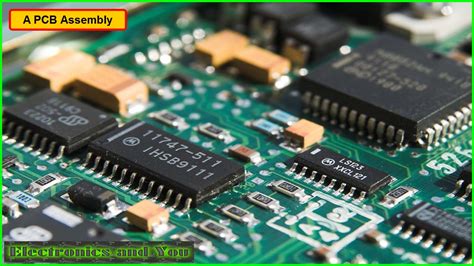
In today’s rapidly evolving electronics landscape, PCB assembly (commonly referred to as PCBA) is a crucial process that transforms bare circuit boards into fully functional electronic devices. Understanding the intricacies of this assembly process can significantly impact product quality, time to market, and overall manufacturing costs. The importance of effective PCB circuit board assembly lies not only in achieving high-fidelity connections but also in ensuring that components are correctly placed and soldered, which contributes to the durability and performance of the final product.
During the assembly process, multiple factors come into play, including component selection, layout design, and the methods employed for soldering. Improper handling or placement can lead to common issues such as short circuits or component misalignment, which may compromise the functionality of the device. Thus, it becomes essential for manufacturers to adopt best practices and utilize appropriate tools in order to mitigate these risks.
To illustrate a clear understanding of essential components in this process, consider the following table that outlines key aspects of PCB assembly:
| Aspect | Importance |
|---|---|
| Component Selection | Ensures compatibility and reliability |
| Layout Design | Optimizes space and electrical performance |
| Soldering Techniques | Affects mechanical strength and electrical connections |
By prioritizing these elements, manufacturers can establish a robust foundation for their assembly processes. As we delve deeper into this article, we will explore various tools available for effective assembly and discuss advanced techniques that promise high-quality results. Understanding these fundamentals paves the way for achieving excellence in your PCBA endeavors.
Essential Tools for PCB Assembly
In the realm of pcb assembly, having the right tools is critical to achieving optimal efficiency and quality. The foundation of a successful PCBA process begins with an array of essential tools that cater to various aspects of assembly. Soldering stations are paramount, as they provide controlled heat for joining components to the circuit board. It’s essential to choose high-quality soldering tips that suit specific tasks, which can significantly impact the reliability of connections. Additionally, precision tweezers are invaluable for handling tiny components with dexterity and care, ensuring accurate placement without causing damage.
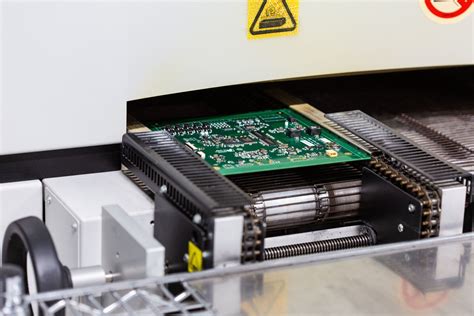
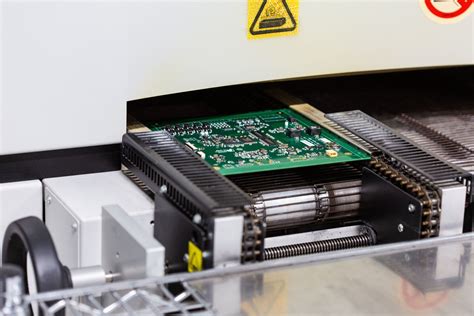
Another vital tool in any pcb assembly setup is a multimeter, which allows for careful testing and troubleshooting of circuits after assembly. This ensures that any faults can be identified early in the process, thereby enhancing the overall quality of the board. Furthermore, using a reflow oven or a hot air rework station can streamline the soldering of surface-mount devices, allowing for uniform heating and reducing stress on delicate components.
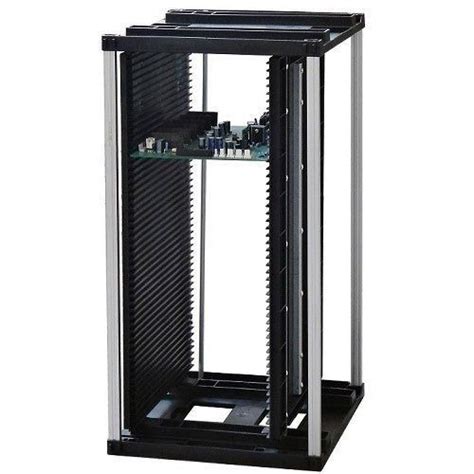
Lastly, assembling a comprehensive toolkit that includes items such as esd mats, static wrist straps, and anti-static bags not only ensures that components are well-protected but also significantly minimizes risks associated with static discharge. By equipping yourself with these essential tools for pcb assembly, you not only improve your workflow but also safeguard the integrity and performance of your final product in every step of the assembly process.
Best Practices for Efficient Assembly Processes
Efficient PCB assembly is crucial for ensuring high-quality circuit boards that meet design specifications. To achieve this, adopting best practices is essential. First, maintain a clean and organized workspace to minimize errors during the pcba process. Utilize proper lighting and ergonomics to enhance worker comfort and productivity. It’s also important to ensure that all components are sourced from reputable suppliers; using counterfeit or substandard parts can jeopardize the functionality of the circuit board. Implementing a standardized workflow helps streamline the assembly process, allowing team members to become proficient in their roles.
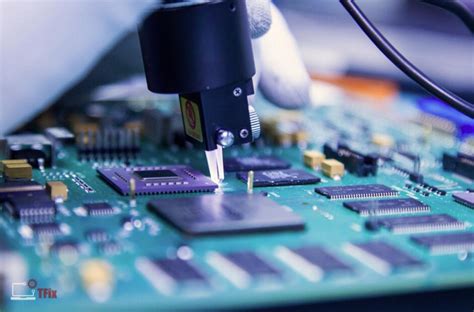
Furthermore, incorporating automated tools can significantly speed up assembly times while reducing human error. For instance, pick-and-place machines can accurately position components on the board, which is crucial for high-density designs. Regular training sessions for personnel on best practices and new technologies in pcb circuit board assembly will enhance their skills and confidence in using various tools effectively.
Monitoring each stage of the assembly process through checklists or digital tracking systems ensures that tasks are completed correctly before moving on to the next phase. This technique improves overall efficiency and fosters a culture of accountability within teams. Ultimately, applying these best practices leads to enhanced productivity and consistently high-quality results in pcb assembly, directly contributing to successful project outcomes.
Quality Control Techniques in PCB Assembly
In the realm of pcb assembly, quality control is paramount to ensure that the final product meets the necessary standards and performs reliably. Implementing robust quality control techniques throughout the PCBA process can significantly reduce errors and enhance overall efficiency. One effective method is conducting thorough inspections at various stages of assembly. This includes visual inspections to identify component misalignments or soldering issues early in the process. Utilizing automated optical inspection (AOI) systems can further streamline this, providing rapid analysis of assembled boards for defects that might go unnoticed by human inspectors.
Moreover, adopting a systematic approach to documentation can facilitate better tracking of production quality. By recording data consistently, teams may identify trends and recurring issues, allowing them to make informed adjustments to their processes. Another critical technique involves conducting functional testing post-assembly, ensuring that each board operates within specified parameters before leaving the production line. This not only minimizes the risk of defective products reaching customers but also aids in maintaining high standards within the manufacturing environment.
Training personnel on best practices for handling pcba materials and tools also plays a crucial role in maintaining quality. Well-informed staff are less likely to make mistakes during assembly, which can lead to costly reworks or product recalls. Additionally, fostering a culture of quality among team members encourages them to take ownership of their work, ultimately leading to improved outcomes in pcb assembly processes. In conclusion, implementing these quality control techniques is vital for achieving high-quality results and maintaining customer satisfaction in PCB manufacturing.
Common Challenges and Solutions in PCB Circuit Board Assembly
In the realm of PCB assembly or PCBA, manufacturers often encounter a variety of challenges that can hinder productivity and compromise the quality of the final product. One common obstacle is misalignment during the placement of components on the circuit board, which can lead to potential circuit failures or functional issues. To address this problem, implement advanced placement technologies such as automated pick-and-place machines that enhance accuracy and speed. Additionally, it’s critical to ensure that PCB circuit board assembly processes are regularly calibrated and maintained.
Another significant challenge arises from soldering defects, which can result from improper temperature settings or inconsistent solder application. Employing rigorous temperature control systems and regularly training staff on best soldering practices can drastically reduce these defects. Furthermore, ensuring that materials used in the assembly process meet quality standards is essential for mitigating issues related to component integrity.
Moreover, managing the workflow effectively can be a hurdle in high-volume production environments where time efficiency is paramount. Adopting lean manufacturing principles can streamline processes, reduce waste, and enhance overall productivity in PCBA lines. By implementing real-time monitoring systems, teams can quickly identify bottlenecks and resolve them before they escalate.
Lastly, maintaining communication among team members throughout the assembly process plays a vital role in overcoming challenges. Establishing a collaborative culture where everyone understands their roles and responsibilities contributes to smoother operations and mitigates errors during assembly tasks. By addressing these common challenges with robust solutions, organizations can significantly improve their PCB circuit board assembly processes while ensuring high-quality results are consistently delivered.

Tips for Enhancing Productivity in Assembly Lines
To optimize productivity in PCB assembly processes, it’s crucial to implement a systematic approach. One of the first steps is to streamline the workflow by organizing the assembly line layout effectively. An efficient setup reduces unnecessary movement and time wasted, hence increasing the overall efficiency of pcba operations. Additionally, using high-quality tools that suit the specific requirements of pcb circuit board assembly can significantly enhance productivity. Regular maintenance and calibration of machines ensure they function optimally, reducing downtime due to malfunctions.
Another vital aspect is training personnel thoroughly in assembly techniques. Skilled operators tend to produce higher quality work with fewer errors, which is especially important in pcba as even minor mistakes can lead to major issues. Implementing a feedback loop where operators can share insights about potential improvements creates a culture of continuous enhancement within the team.
Incorporating technology such as automation in repetitive tasks can also provide significant productivity boosts. While human oversight remains essential for quality assurance, automation handles straightforward processes efficiently, allowing skilled workers to focus on more complex tasks that require critical thinking and expertise.
Finally, adopting lean manufacturing principles can help eliminate waste and optimize every step of the pcb assembly process. Recognizing areas where delays or inefficiencies occur allows teams to make data-driven decisions for improvement. This holistic approach not only elevates productivity but also ensures that high-quality standards are maintained throughout the pcba workflow.
Advanced Techniques for High-Quality Results
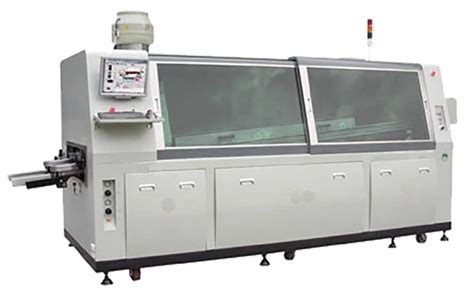
When it comes to PCB circuit board assembly, implementing advanced techniques can dramatically improve the quality of your PCBA and overall production efficiency. One of the foremost approaches is adopting automated assembly processes, which minimize human error and ensure precision. Utilizing selective soldering and reflow soldering not only provides uniformity in connection but also enhances thermal management, crucial for the reliability of the circuit board. Another advanced technique is the implementation of design for manufacturability (DFM) principles during the design phase. This considers production challenges proactively, allowing for smoother transitions from design to assembly.
Incorporating advanced inspection methods, such as automated optical inspection (AOI) and X-ray inspection, can significantly detect defects early in the assembly process, reducing rework or scrap. Additionally, using vast real-time data analytics during assembly can help identify patterns, leading to continuous improvement strategies and proactive problem-solving tactics.
Finally, effective collaboration among skilled operators using augmented reality (AR) tools can enhance training processes and increase knowledge sharing among team members. Ensuring that operators are well-informed on the latest technologies and techniques used in PCB assembly fosters an environment of innovation that ultimately drives high-quality results in your circuit board projects. This multifaceted approach empowers teams to not only meet industry standards but also to exceed customer expectations with superior PCBA outcomes.
Conclusion
In summary, mastering PCB assembly techniques is crucial for achieving optimal results in circuit board production. Whether one is a seasoned expert in PCBA or a newcomer to the industry, understanding the fundamental principles of efficient assembly processes can make a significant difference. By utilizing essential tools and adopting best practices, it becomes possible to enhance not just productivity but also the overall quality of the final product. Additionally, integrating quality control techniques at every stage of assembly minimizes errors and ensures that specifications are met consistently. It is important to address common challenges proactively and implement solutions that lead to smoother operation lines. Furthermore, continual learning and adaptation of advanced techniques can lead to innovations in the assembly process, which not only improves efficiency but also drives long-term success in PCB projects. Embracing these strategies allows one to elevate their PCBA capabilities and stay competitive in a rapidly evolving marketplace.

FAQs
What is PCB assembly?
PCB assembly, or PCBA, is the process of soldering electronic components onto a printed circuit board (PCB) to create a functional electronic assembly.
What are the differences between PCB and PCBA?
A PCB refers to the bare board without any components, while PCBA refers to the finished product that includes both the PCB and its soldered components.
What tools are essential for PCB assembly?
Essential tools for pcb assembly include soldering equipment, flux, tweezers, microscopes for inspection, and automated machines like pick-and-place systems.
What common challenges do people face in PCB circuit board assembly?
Common challenges include misalignment of components, poor solder joints, burnt components due to excessive heat, and issues with component integrity during the assembly process.
How can I enhance productivity in my PCB assembly line?
To enhance productivity in your pcb assembly, consider implementing standard operating procedures (SOPs), regular training sessions for staff, and utilizing technology such as automated systems for repetitive tasks.
For more in-depth tips and techniques on optimizing your PCB circuit board assembly processes, please visit this link.