Efficient PCB Assembly Techniques for Your Creation Process
Key Takeaways
Efficient PCB assembly is crucial for streamlining your creation process, as it directly impacts productivity and the overall quality of your projects. Understanding the nuances of PCBA allows creators to identify opportunities for improvement. Implementing best practices in pcb assembly not only minimizes errors but enhances collaboration among team members. Utilizing innovative tools designed for PCB production can drastically reduce assembly time while maintaining high standards. Moreover, employing techniques to improve efficiency in design projects will ensure that every aspect of pcb assembly is optimized for performance. As you navigate common challenges within the realm of pcba, recognizing effective solutions is key to maintaining momentum in your creation workflow. Ultimately, integrating automation into your processes represents a vital step towards modernizing your approach to PCB assembly, ensuring that you remain competitive in an ever-evolving market while anticipating future trends will prepare you for the upcoming shifts in technology and design practices.
Understanding PCB Assembly: The Foundation of Your Creation Process
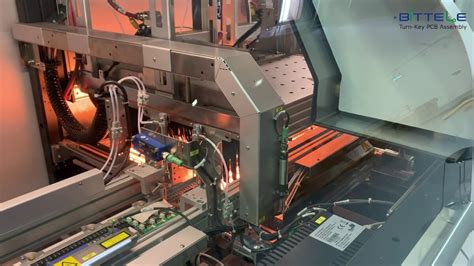
PCB assembly, or PCBA, represents a crucial stage in the creation process of electronic devices. It involves the precise arrangement and connection of various electronic components onto a printed circuit board. A fundamental understanding of this process is essential for any design engineer aiming to enhance the overall efficiency and quality of their projects. The significance of quality during PCB assembly cannot be overstated; it directly affects the durability and performance of the final product. Implementing best practices in pcb assembly ensures that every step, from component placement to soldering, is executed with accuracy, thereby minimizing mistakes and rework.
“Take time to plan your layout thoroughly before starting any assembly process; it pays off in the long run.”
In addition, utilizing innovative tools designed for PCB production can greatly streamline operations. These tools often incorporate advanced technologies that help in achieving greater precision and speed during various stages of assembly. Furthermore, understanding common challenges in pcba can empower designers to anticipate potential issues and develop effective mitigation strategies ahead of time. Emphasizing quality control methods is also vital; by integrating measures like visual inspections or automated testing during assembly, you can ensure that every board meets the necessary standards before it reaches the final stages.
Investing time into mastering pcb assembly techniques not only enhances the productivity but also improves overall quality in your electronic design projects, forming a solid foundation for future innovation and success in electronics manufacturing.
Best Practices for Streamlined PCB Assembly
When it comes to optimizing the pcb assembly process, adhering to best practices can significantly enhance efficiency and yield. One of the foundational elements in achieving a streamlined pcba workflow is the meticulous organization of components. By categorizing components based on size and function, teams can reduce the time spent searching for parts during assembly.
Additionally, utilizing a detailed assembly checklist ensures that no critical step is overlooked, further enhancing the reliability of the production process. Regular training sessions for assembly staff serve as an excellent strategy for improving skills while minimizing errors that could lead to costly reworks.
Another practice worth implementing is embracing advanced technology such as automated pick-and-place machines, which not only increases speed but also accuracy in component placement. Table 1 below summarizes some of these key best practices:
| Best Practice | Description |
|---|---|
| Organize Components | Categorization reduces search time during assembly |
| Utilize Assembly Checklists | Ensures critical steps are not overlooked |
| Regular Staff Training | Improves skills and minimizes errors |
| Adopt Automated Machinery | Increases speed and placement accuracy |
Finally, an ongoing commitment to quality assurance can not be overstated. Each batch of assembled pcba should undergo rigorous testing to identify any faults early in the process, thereby maintaining high standards and client satisfaction. By embedding these practices into your pcb assembly workflow, you ensure a more efficient and productive creation process.
Innovative Tools for Enhanced PCB Production
In the fast-paced world of PCB assembly (pcba), employing innovative tools can significantly uplift the production process. Modern software solutions, such as advanced Computer-Aided Design (CAD) programs, streamline layout and schematic creation, making it easier to visualize and modify designs before physical assembly. Furthermore, implementing automated pick-and-place machines enhances precision and speed by ensuring that components are positioned accurately on the printed circuit board. Furthermore, the use of 3D printing technology for prototype development allows engineers to quickly fabricate and test designs, facilitating rapid iterations without the need for costly traditional manufacturing processes. Other tools such as automated optical inspection (AOI) systems play a vital role in maintaining quality by detecting any defects during PCB assembly. By integrating these innovative tools into your creation process, you ensure not only faster production times but also uphold a high standard of quality in each pcba project you undertake. Therefore, embracing technology in PCB production lays a solid foundation for enhancing productivity and ensuring alignment with industry standards.

Techniques to Improve Efficiency in PCB Design Projects
In the realm of PCB assembly (PCBA), improving efficiency can significantly affect the overall productivity and quality of the final product. One effective technique is adopting a modular design approach. By breaking down complex designs into more manageable modules, designers can streamline the assembly process, making it easier to detect errors early in the production cycle. Furthermore, utilizing advanced design software that incorporates design rule checks and simulation tools can preemptively highlight potential issues that may arise during assembly. Implementing a robust component library also plays a crucial role in enhancing efficiency by ensuring that all components are readily available and correctly specified for the projects.
Another method is to conduct thorough collaborative reviews during the initial design phase. Engaging multiple stakeholders can lead to valuable insights and help identify inefficiencies that may be overlooked by an individual. Additionally, investing in training programs for personnel involved in the PCBA process can foster a deeper understanding of best practices, leading to improved precision during assembly tasks.
Moreover, integrating automated solutions within your PCB assembly operations can yield remarkable gains in efficiency. Automation not only accelerates repetitive tasks but also minimizes human error, thereby boosting overall consistency in product quality. Finally, establishing a feedback loop post-assembly allows teams to continuously adapt their strategies based on real-world performance data, enabling ongoing improvements throughout the lifecycle of each project.
By employing these techniques, organizations can achieve a more efficient and effective workflow during their PCB design projects, ultimately leading to higher quality outputs and reduced time-to-market for their innovative products.
Quality Control Methods in PCB Assembly
In pcb assembly, ensuring the highest quality of your final product is paramount. Implementing robust quality control methods during the pcba process can significantly enhance both reliability and performance. One effective approach begins with diligent design reviews, where design files are thoroughly examined to eliminate potential errors before production starts. Following this, in-process inspections are crucial; they allow teams to monitor the assembly at various stages, identifying defects early. Another essential technique is the use of automated optical inspection (AOI) systems, which provide high-speed verification of solder joints and component placements to ensure compliance with design specifications. Additionally, employing functional testing at the end of the assembly line guarantees that each unit operates as intended under real-world conditions. Together, these quality control methods not only optimize the pcb assembly process but also contribute to consistent product quality and customer satisfaction in your creation ventures.
Common Challenges and Solutions in PCB Creation
In the realm of PCB assembly, several challenges can impede the progress of your creation process. One prevalent issue is managing the complexity of circuit designs, which can lead to errors during assembly. Understanding the fundamentals of PCBA can significantly mitigate this risk. Another common challenge is sourcing high-quality components; fluctuations in supply chains can delay production timelines. Adopting a proactive approach by establishing strong relationships with reliable suppliers is crucial for sustaining smooth operations. Moreover, ensuring accurate alignment and placement during the assembly process is vital to maintaining performance standards; employing innovative alignment tools can assist in enhancing overall accuracy. Additionally, maintaining rigorous quality control at every stage of your PCB creation helps identify potential problems early, facilitating easier resolutions. Finally, integrating automation technologies into your processes not only boosts efficiency but also reduces human error, positioning your project for success in the fast-paced world of electronic design and manufacturing. By addressing these challenges head-on with thoughtful strategies, you can streamline PCB assembly and improve outcomes in your projects.
The Role of Automation in Modern PCB Assembly Techniques
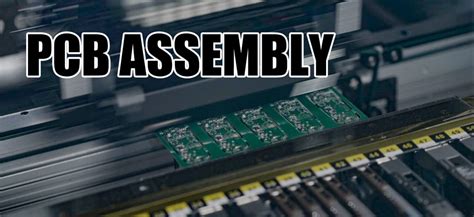
The integration of automation in PCB assembly (PCBA) has revolutionized the way electronic components are assembled, marking a significant evolution in manufacturing practices. Automated systems streamline various stages of the pcba process, from component placement to soldering, which not only reduces the likelihood of human error but also enhances overall production efficiency. By utilizing technologies such as pick-and-place machines and automated optical inspection systems, manufacturers can achieve a higher degree of precision and consistency in their assembly lines. This evolution allows for rapid prototyping and scaling up production to meet market demands without compromising on quality. Furthermore, automation plays a crucial role in data collection and analysis throughout the PCB assembly process. By implementing advanced software to monitor production metrics, companies can gain insights into operational efficiency and identify areas for improvement. Overall, the role of automation goes beyond mere labor saving; it fundamentally shapes the creation process by fostering innovation, enhancing productivity, and ensuring superior quality control within pcb assembly projects.
Future Trends in PCB Assembly and Design
As technology evolves, the landscape of pcb assembly and design is continually shifting towards greater efficiency and innovation. One notable trend is the increasing integration of smart manufacturing principles, which emphasize real-time data analysis and feedback loops. This approach enables manufacturers to optimize their pcba processes, significantly reducing lead times and costs. Furthermore, the rise of high-frequency PCBs is influencing design requirements, necessitating techniques that enhance signal integrity while maintaining manufacturability. The adoption of advanced materials, such as flexible PCBs, allows for more compact and lightweight designs, catering to the growing demand for portable electronics. In parallel, the implementation of automation in pcb assembly continues to expand, with robotic systems enhancing precision and reliability. Machine learning algorithms are also being employed to predict potential defects during the production process, facilitating immediate corrective actions that uphold quality standards. As these trends shape the future of PCB assembly and design, they will not only enhance productivity but also empower engineers to push the boundaries of innovation in their projects.

Conclusion
In summary, understanding the comprehensive landscape of PCB assembly processes is essential for anyone involved in creating electronic designs. Emphasizing the significance of effective PCBA techniques can lead to remarkable improvements in both productivity and quality. By implementing best practices and utilizing innovative tools, creators can overcome common challenges faced during the PCB assembly process. Moreover, integrating robust quality control methods plays a vital role in ensuring that the end product meets stringent standards. The incorporation of automation, too, has transformed modern PCB assembly, allowing for faster turnaround times without compromising quality. As technology advances, staying abreast of future trends in PCBA will be crucial for maintaining a competitive edge in this rapidly evolving field. Therefore, embracing these techniques and tools is not just beneficial but essential for enhancing your overall creation process.
FAQs
What is PCB assembly and why is it important?
PCB assembly (or PCBA) is the process of connecting electronic components to a printed circuit board (PCB) to create functional electronic devices. It is crucial as it directly impacts the quality and performance of the final product.
What are the common techniques used in efficient PCB assembly?
Common techniques include surface mount technology (SMT), through-hole technology, and the use of automated machinery, all of which aim to enhance production efficiency and reliability in PCB assembly.
How can I ensure quality in my PCB assembly processes?
Implementing quality control methods, such as rigorous testing at multiple stages, inspection processes, and using high-quality materials, greatly ensures that your PCBA meets the necessary standards.
What challenges might I encounter during PCB creation?
Challenges during PCB assembly can include component misalignment, soldering issues, and design errors. However, most challenges have effective solutions like better design practices and advanced tools for monitoring production.
How does automation improve PCB assembly efficiency?
Automation plays a vital role in reducing manual errors, speeding up the assembly process, and ensuring consistent quality in PCBA, allowing teams to focus on more complex tasks that require human judgment.
For more insights on enhancing your PCB creation process through effective pcb assembly, please click here: Andwin PCB Assembly