Efficient PCB Board Assembly Manufacturing Techniques Explained
Key Takeaways
In the world of PCB board assembly manufacturing, understanding the vital aspects of the process can significantly influence overall outcomes. One of the primary focuses should be on pcb assembly efficiency, which directly correlates with productivity gains. Various techniques can be employed to enhance the overall effectiveness of pcba processes. For instance, incorporating lean manufacturing principles can minimize waste and streamline operations, thereby allowing teams to produce more in less time. Furthermore, effective cost-reduction strategies, such as bulk purchasing and optimizing resource allocation, can lead to substantial savings during production while maintaining a high standard of quality.
Quality control measures are paramount in ensuring that each stage of pcb assembly adheres to stringent industry standards. Implementing robust inspection processes at key points can catch defects early and reduce rework costs substantially. The impact of automation cannot be overstated; modern technology enables manufacturers to automate repetitive tasks, allowing skilled workers to focus on more critical aspects that require human insight. Additionally, exploring innovative materials can enhance performance and durability while contributing positively to production efficiency.
Overall, prioritizing these key elements within PCB board assembly manufacturing not only fosters a more effective and streamlined operation but also positions businesses for future success in an ever-evolving technological landscape. By embracing these methodologies and being forward-thinking about emerging trends, professionals in this field can optimize their resources while delivering high-quality products to meet market demands effectively.
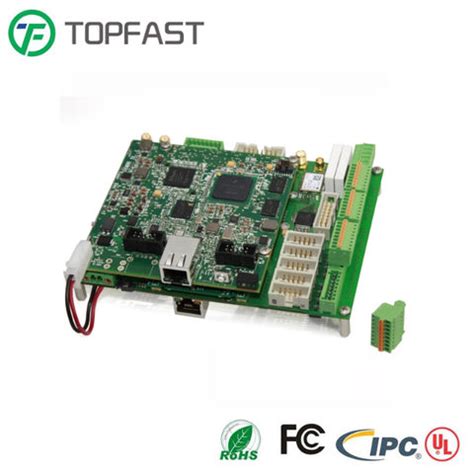
Introduction to PCB Board Assembly Manufacturing
In the rapidly evolving world of electronics, PCB assembly has emerged as a crucial process for creating reliable and high-performance devices. The foundation of this process lies in the significance of effective practices in pcb board assembly manufacturing. As manufacturers aim to meet the increasing demand for sophisticated electronics, understanding the intricacies of printed circuit board assembly (PCBA) becomes essential.
High-quality pcba is not merely a function of skilled labor; it relies heavily on a thorough understanding of various techniques tailored to streamline production and enhance efficiency. Modern manufacturing focuses on integrating automation and innovative methodologies, which not only improve the speed but also elevate the quality of the end product.
To this end, technological advancements such as surface mount technology (SMT) and advanced soldering techniques play pivotal roles. These innovations can greatly influence throughput rates and minimize errors during assembly. Furthermore, adopting standardized processes and embracing quality assurance protocols can ensure that products meet rigorous industry standards while controlling costs.
In summary, an effective approach to pcb board assembly combines innovative methods with traditional craftsmanship to create a seamless production environment that meets both quality expectations and market demand. This article delves deeper into key techniques, cost-reduction strategies, and future trends shaping pcb assembly, providing invaluable insights for professionals in the field.
| Technique | Benefits |
|---|---|
| Surface Mount Technology | Increased density, reduced size |
| Automated Optical Inspection | Early defect detection |
| Lead-free Soldering | Compliance with environmental regulations |
Understanding these components is vital as professionals work towards optimizing their PCB manufacturing processes for superior outcomes.
Key Techniques for Enhancing Productivity in PCB Assembly
To enhance productivity in PCB assembly, various techniques can be employed, focusing on streamlining processes and effective resource management. One of the most impactful strategies is the implementation of lean manufacturing principles. This approach aims to eliminate waste, improve workflow, and ultimately reduce production time while maintaining high standards in quality. By meticulously analyzing each step of the PCBA process, manufacturers can identify bottlenecks and areas for optimization.
Another essential technique is the strategic arrangement of workstations. Layout optimization ensures that materials and tools are positioned to facilitate quick and efficient movement between tasks. This not only speeds up the assembly line but also minimizes the risk of errors, greatly improving overall efficiency. Moreover, training and continuous development of personnel are vital; ensuring that employees are well-versed in both new technologies and traditional methods fosters a more adaptable workforce.
“Engaging employees in improvement initiatives can lead to innovative solutions that enhance productivity.”
Additionally, integrating robust software solutions for project management can streamline communication throughout the production cycle, enabling quicker decision-making and better resource allocation. By utilizing real-time data analytics, manufacturers can monitor PCB assembly performance, instantly identifying areas needing attention or adjustment.
Investing in quality tools tailored for PCB assembly tasks further streamlines operations. Precision tools not only advance speed but also ensure consistent accuracy throughout the manufacturing process. With these combined techniques focused on enhancing productivity, PCBA manufacturers can position themselves at the cutting edge of efficiency while consistently delivering high-quality products to meet market demands.
Cost-Reduction Strategies in PCB Board Manufacturing
Implementing effective cost-reduction strategies in pcb assembly practices can significantly enhance the bottom line for manufacturers. One major approach is to optimize the supply chain by selecting suppliers who offer competitive pricing without compromising on quality, especially in sourcing components for pcba. Additionally, manufacturers can adopt lean manufacturing principles to minimize waste and improve workflow, which helps in reducing overall costs. Integrating automated processes not only speeds up production times but also lowers labor expenses associated with manual assembly tasks. Another notable tactic is to invest in advanced machinery and software that streamline the assembly process, allowing for greater precision and fewer errors during production. By focusing on training personnel in best practices and fostering a culture of continuous improvement, organizations can further decrease operational costs. Ultimately, cultivating a comprehensive strategy that encompasses supplier relationships, lean methodologies, and technology integration allows manufacturers to achieve sustainable reductions in costs while maintaining high-quality pcb assembly output.
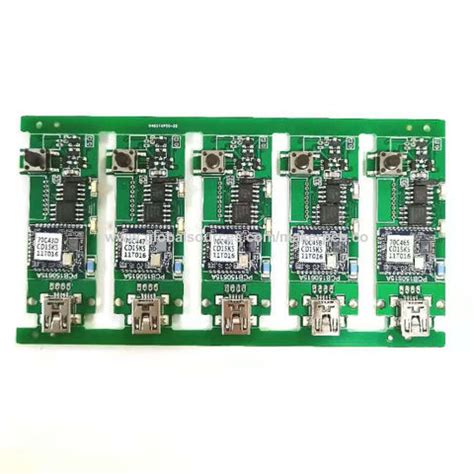
Quality Control Measures in PCB Assembly Processes
In the realm of pcb assembly manufacturing, the implementation of stringent quality control measures is imperative to ensure both reliability and performance. A robust quality assurance framework typically encompasses various stages of the pcba process. Initially, it begins with material inspection to verify that all incoming components meet defined specifications. Following this, companies often conduct tests at multiple assembly phases to detect anomalies early on. Additionally, employing automated optical inspection (AOI) systems plays a pivotal role in identifying defects such as misaligned parts or solder mistakes post-assembly. Furthermore, integrating functional testing further assesses the electrical performance of pcba products before they reach market distribution. This multipronged approach not only enhances product consistency but also fosters customer trust in the quality assurance of pcb assembly outputs. Engaging in continuous improvement initiatives allows manufacturers to refine these quality control processes over time, ensuring they adapt to evolving industry standards and technologies effectively. Ultimately, a steadfast commitment to quality not only reduces rework costs but significantly increases overall production efficiency within the pcb board assembly manufacturing environment. Engaging with these thorough measures equips professionals with vital methodologies for optimizing their own assembly processes and achieving competitive excellence.
The Role of Automation in Efficient PCB Production
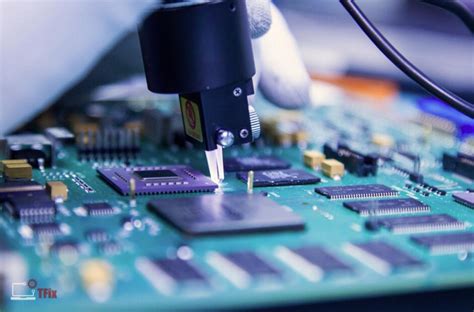
Automation plays a pivotal role in the pcb assembly process, significantly enhancing efficiency and precision. By integrating advanced technologies such as robotic arms, automated pick-and-place machines, and intelligent software systems, manufacturers can streamline their pcba operations. These innovations not only speed up production cycles but also minimize human errors associated with manual handling. Utilizing automation allows for the consistent assembly of components onto the pcb board, ensuring that each unit meets the required standards for quality and reliability. Moreover, real-time monitoring and data analysis can be implemented to quickly identify and rectify any issues that may arise during production, further optimizing the pcb assembly process. As a result, manufacturers who leverage automation are finding ways to achieve higher output while effectively reducing labor costs, elevating their competitiveness in the market. This shift towards automated solutions represents a transformative step in achieving sustainable growth within the pcb board assembly manufacturing sector.
Innovative Materials and Their Impact on PCB Assembly
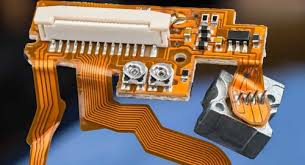
The realm of PCB assembly has evolved significantly with the introduction of innovative materials that enhance the efficiency and reliability of PCBA processes. These materials not only contribute to the structural integrity of printed circuit boards but also play a pivotal role in optimizing thermal management and electrical performance. For instance, advanced substrates like polyimide films are being utilized for their excellent heat resistance and flexibility, making them ideal for high-performance applications. Furthermore, the development of selective soldering technologies is augmented by new solder materials that improve joint quality while minimizing defects. Employing these modern materials can lead to substantial reductions in production costs and cycle times, as they often require less processing time and yield higher quality results. Innovations in dielectric materials are also noteworthy; they allow for tighter component spacing which is crucial in today’s compact device designs. By leveraging these advancements, manufacturers can achieve a more streamlined PCB assembly process that not only meets but exceeds industry standards for performance and reliability. As companies pursue greater efficiency in their assembly lines, the strategic incorporation of innovative materials will undoubtedly be a key factor in their success, paving the way for future breakthroughs in the field of PCBA manufacturing.
Case Studies: Success Stories in PCB Board Assembly Optimization
In the fast-evolving field of pcb assembly, various companies have adopted innovative strategies to enhance their production capabilities, leading to remarkable outcomes. One notable case involves a leading electronics manufacturer that implemented a mix of automated processes and manual techniques, achieving a significant reduction in assembly time. This transition not only streamlined the pcba processes but also increased their output by over 30%. Another success story can be found in a small tech startup that turned to advanced quality control measures in their pcb board assembly line. By integrating real-time monitoring systems, they effectively minimized defects and improved overall product reliability. These early adopters of technology demonstrate how strategic optimization can yield substantial benefits, positioning them ahead of competitors in a demanding marketplace. Such case studies provide valuable insights for industry professionals keen on enhancing their own pcb assembly practices, offering proof that embracing innovation is essential for ongoing success and adaptability in manufacturing.
Future Trends in PCB Board Assembly Manufacturing Techniques
As the electronics industry continues to evolve, future trends in PCB board assembly manufacturing techniques are set to redefine the landscape of production. One glaring trend is the increasing integration of automation into the PCB assembly process, driving efficiency and accuracy while reducing human error. The utilization of advanced robotic systems allows for faster pcba production, ensuring that multiple components are assembled seamlessly and with precision. Moreover, with the rise of Industry 4.0, manufacturers are embracing smart manufacturing technologies that facilitate real-time monitoring and adjustments to optimize performance.
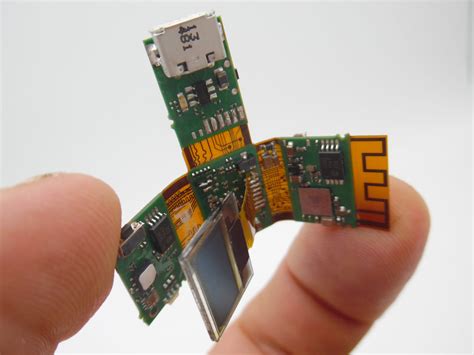
Another significant trend is the adoption of innovative materials that enhance both functionality and sustainability in pcba manufacturing. For example, the use of flexible substrates is gaining traction, allowing for more versatile board designs that can meet varying mechanical demands without compromising performance. This shift not only opens new potential for product development but also addresses increasing environmental concerns surrounding e-waste and material sustainability.
Additionally, as consumer demands become more sophisticated, techniques focused on achieving miniaturization are on the rise. This trend necessitates greater precision in both design and assembly processes, leading to advancements in machine vision systems that can detect even the slightest defects during production.
Overall, remaining at the forefront of these PCB board assembly manufacturing trends will be crucial for companies aiming to maintain competitiveness in a rapidly changing market. By adopting these innovative techniques and materials, professionals can ensure their processes yield not only high-quality products but also sustainable economic growth within the industry.
Conclusion
In summary, the landscape of PCB assembly manufacturing is rapidly evolving due to the integration of innovative techniques and advanced technologies. As demonstrated throughout this article, a keen understanding of key strategies can significantly enhance productivity in pcba processes. By focusing on cost-reduction strategies, manufacturers can optimize their resources while maintaining the integrity and quality of their products. The implementation of robust quality control measures is essential to ensure that each stage of production meets high standards, thereby reducing waste and fostering customer satisfaction. Furthermore, the role of automation cannot be overstated; it streamlines operations, minimizes human error, and enhances overall efficiency in PCB board assembly. As we look towards the future, it is clear that embracing emerging trends and innovative materials will not only impact production processes but will also redefine industry standards for excellence in PCB assembly manufacturing. The journey towards efficiency in this domain is ongoing, but with a focus on these outlined techniques and advancements, professionals can confidently navigate their path to optimized production practices.
FAQs
What is PCB assembly?
PCB assembly, often referred to as PCBA, is the process of assembling electronic components onto a printed circuit board (PCB) to create functional electronic devices.
What are the key techniques for PCB assembly?
Key techniques include surface mount technology (SMT), through-hole technology, and mixed technologies, each offering unique benefits in terms of efficiency and product reliability.
How can I enhance productivity in PCB assembly?
To enhance productivity in PCB assembly, consider implementing automation, optimizing workflows, and using high-quality materials to streamline the production process.
What strategies can help reduce costs in PCB board manufacturing?
Cost-reduction strategies may involve using bulk purchasing agreements for components, streamlining processes through better design, and focusing on efficient labor practices during assembly.
What are common quality control measures in PCB assemblies?
Common quality control measures include visual inspections, automated optical inspection (AOI), and functional testing to ensure each PCBA meets required performance standards.
How does automation benefit PCB production?
Automation enhances efficiency by increasing production speed, reducing human error, and allowing for consistent quality throughout the manufacturing process.
If you are looking for more information on efficient pcb assembly, please click here: Andwin PCB Assembly.
Feel free to explore various aspects of PCBA, including materials used and case studies on successful optimization techniques. These elements are essential for anyone aiming to improve their PCB board assembly processes effectively.