Efficient PCB Production and Assembly Techniques for Success
Key Takeaways
Understanding the intricacies of PCB production and PCB assembly (PCBA) is paramount for companies aiming to thrive in the competitive landscape of electronics manufacturing. Effective PCBA not only enhances the reliability of electronic devices but also plays a vital role in reducing production cycle times. To achieve these objectives, businesses are increasingly adopting a variety of innovative techniques and best practices that streamline their processes.
Table 1: Key Benefits of Efficient PCB Assembly
| Benefits | Description |
|---|---|
| Reduced Costs | Implementation of automated processes minimizes labor costs. |
| Increased Throughput | Streamlined production workflows lead to faster output. |
| Improved Quality Control | Enhanced inspection techniques ensure higher standards. |
| Flexibility in Design | Modular assembly methods accommodate diverse product lines. |
Additionally, staying abreast of the latest advancements in technologies such as surface-mount technology (SMT) and automated optical inspection (AOI) can significantly boost efficiency in both production and assembly phases. Therefore, companies invested in the future of their manufacturing processes should focus on adopting these modern methodologies to not only improve their output but also ensure that their products meet stringent quality standards. It is this commitment to excellence that ultimately drives success in today’s market for PCB production and assembly.
The Evolution of PCB Production: Trends and Innovations
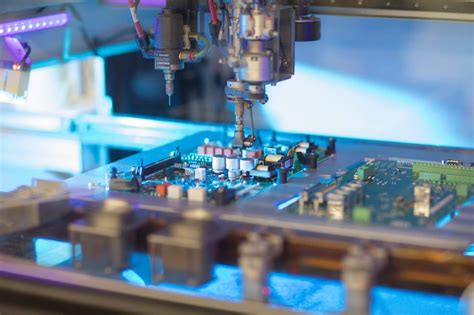
The field of PCB production and assembly has undergone significant transformation over the years, influenced by rapid advancements in technology and the increasing demands of the electronics industry. As manufacturing processes have evolved, innovative techniques have emerged that not only enhance efficiency but also improve the overall quality of PCBA. One notable trend is the shift towards automation in PCB assembly, which allows for faster production rates and reduced human error. Additionally, the adoption of surface mount technology (SMT) has streamlined assembly processes, making it possible to place components with greater precision and in tighter spaces.
In parallel, there has been a growing emphasis on modular design in PCB development, facilitating easier upgrades and maintenance. This trend not only promotes sustainability by minimizing waste but also supports faster prototyping cycles. Another innovation lies in the integration of smart technologies such as artificial intelligence (AI) to predict maintenance needs and optimize production scheduling.
“Investing in automation technologies can significantly improve your PCB assembly line’s efficiency, ultimately leading to cost savings.”
As we advance into a future that demands high-performance electronic devices, these trends signify a shift towards more agile manufacturing capabilities. The continued pursuit of innovation in PCB production is vital for companies looking to stay competitive while meeting consumer expectations for quality and speed. Embracing these developments not only enhances operational efficiency but also ensures that businesses are well-positioned for success in an ever-evolving marketplace.
Key Components of High-Quality PCB Assembly
The success of PCB assembly lies in a thorough understanding of its key components, which are essential for producing a robust and reliable product. At the forefront is the quality of the materials used; ensuring that high-grade substrates, conductive traces, and electronic components are sourced from reputable suppliers is critical. Moreover, attention to detail during the assembly process can significantly influence the durability and performance of the final product. Techniques such as surface mount technology (SMT) enable efficient placement of components, allowing for more compact designs while minimizing air gaps that could lead to defects. Additionally, implementing strict quality control measures, such as automated optical inspection (AOI) and functional testing, is vital for identifying potential issues early in the production process. This proactive approach not only enhances product reliability but also reduces returns and warranties costs associated with defective PCBA products. Furthermore, adopting lean manufacturing principles can streamline workflows, reduce waste, and improve turnaround times without compromising quality standards. In summary, a holistic approach that encompasses material selection, cutting-edge assembly techniques, and rigorous quality assurance processes is essential for achieving high-quality PCB assembly outcomes in today’s demanding electronics landscape.
Streamlining the PCB Production Process: Best Practices
In the world of electronics manufacturing, streamlining the PCB production process can be the key to achieving efficiency and quality. Adopting best practices in PCB assembly (PCBA) is essential for minimizing waste and maximizing productivity. One effective approach is to implement a continuous improvement strategy, where regular assessments are made to identify bottlenecks and inefficiencies in production. Utilizing automated machines for repetitive tasks significantly enhances precision and speed, thus reducing human error. Furthermore, integrating lean manufacturing principles can facilitate better inventory management and resource allocation, ensuring that materials are used efficiently throughout the PCBA process.
Another critical aspect involves enhancing communication between design and production teams to ensure that prototypes are scalable and suited for mass production. By employing design for manufacturability (DFM) techniques, manufacturers can preemptively address potential challenges that may arise during assembly. Quality control measures should also be embedded within each phase of production to ensure that components meet required specifications before proceeding to the next step.
Finally, adopting modular designs can streamline both PCB production and assembly, allowing for easier upgrades or repairs without significant disruption to initial assembly lines. With these best practices in place, manufacturers will not only enhance efficiency but also produce higher-quality PCBs that stand up to the demands of modern electronics applications. Emphasizing these strategies in PCB assembly enhances overall operational viability while securing a competitive edge in an evolving market.
Cost Reduction Strategies in PCB Manufacturing
In the competitive landscape of electronics manufacturing, cost reduction in PCB production is critical for enhancing profitability and maintaining market relevance. One effective strategy involves optimizing the design for manufacturing (DFM), which allows engineers to foresee potential challenges and streamline processes before production begins. By utilizing advanced software tools during the design phase, manufacturers can limit errors and rework, ultimately reducing costs associated with corrections. Additionally, implementing lean manufacturing principles can minimize waste throughout the production line, fostering a culture of efficiency.
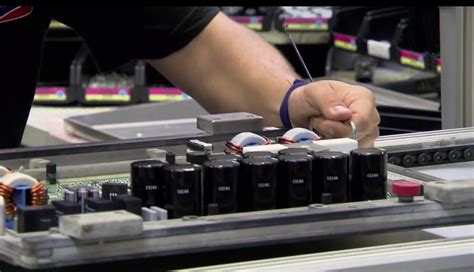
Investing in automation technologies also plays a pivotal role in achieving significant savings; for instance, automated soldering processes used in PCB assembly can enhance precision while significantly speeding up production times. Furthermore, sourcing materials wisely—whether through bulk purchasing or establishing long-term relationships with suppliers—can lead to considerable cost benefits. By embracing these strategies, manufacturers not only improve their bottom lines but also elevate the quality of their products, as reduced costs do not compromise standards but rather enhance overall process efficiency.
Thus, by focusing on these targeted approaches within pcb assembly and manufacturing practices, companies can enjoy both higher output quality and lower operational costs, crucial for sustaining success in a rapidly evolving market.
Advanced Technologies in PCB Assembly: A Look Ahead
As the landscape of electronics manufacturing evolves, advanced technologies in PCB assembly (PCBA) are becoming increasingly significant in enhancing production efficiency and quality. Emerging innovations such as automated assembly systems, robotic placement machines, and advanced inspection technologies are paving the way for streamlined processes and improved accuracy. Automation in PCB assembly not only minimizes human error but also speeds up production rates, allowing manufacturers to meet the rising demand for electronic components. In addition, the integration of smart manufacturing techniques, such as the Internet of Things (IoT) and machine learning, enables real-time monitoring and data analysis, resulting in near-instant feedback on production lines. This technological advancement supports decision-making processes that enhance both product quality and overall efficiency. Moreover, techniques like additive manufacturing are being explored to create more complex PCB geometries that were previously unattainable with traditional methods. As we look forward, these advancements signal a future where PCBA can adapt to market needs with unparalleled flexibility and precision, reflecting the essential role that technology plays in driving success within the industry.
Quality Assurance in PCB Production: Techniques and Standards
Ensuring quality assurance in PCB production is paramount to meet the growing demands of the electronics industry. A systematic approach involving thorough inspections and adherence to industry standards can significantly bolster the integrity of printed circuit boards. One technique that stands out is the implementation of automated optical inspection (AOI), which scrutinizes each PCB assembly (PCBA) for defects that might not be detectable by the human eye. This technological advancement not only enhances efficiency but also reduces error rates in the production line. Additionally, establishing clear quality control protocols ensures that every stage of production is monitored and optimized, from material selection to final assembly. Manufacturers can also benefit from the adoption of standards such as IPC-A-600, which outlines specific criteria for solder connections and component placements. By integrating these techniques into their workflows, companies can achieve higher levels of product reliability while adhering to cost-effectiveness. Ultimately, a robust quality assurance framework lays down a foundation for consistent, high-quality PCBA, fostering trust among clients and stakeholders in an increasingly competitive market.
Environmental Considerations in PCB Manufacturing and Assembly
In today’s electronics manufacturing landscape, environmental considerations in PCB production and assembly have become increasingly crucial. As companies strive to adopt sustainable practices, various methods are implemented to minimize the ecological footprint of PCB assembly processes. One significant approach is the use of environmentally friendly materials that are free from harmful substances, thus ensuring that both production and disposal stages of PCBA have reduced impacts on the environment. Additionally, integrating energy-efficient machinery in the manufacturing line not only contributes to lower energy consumption but also aids in reducing operational costs. Furthermore, companies are now focusing on waste reduction strategies, including recycling unused materials and promoting a circular economy within the industry. Implementing these sustainable practices not only aligns with global environmental goals but also enhances brand reputation among increasingly eco-conscious consumers. As manufacturers evolve their approaches to PCB assembly, they must integrate these environmental considerations seamlessly into their operations for long-term success in the competitive electronics market.
Case Studies: Successful Implementation of Efficient PCB Techniques
In today’s fast-paced electronics industry, the need for effective pcb assembly and production techniques is paramount. Numerous companies have adopted innovative methodologies that not only enhance efficiency but also significantly reduce production costs while maintaining high quality. For instance, Company A implemented automated testing systems in their pcba process, which drastically minimized human error and improved throughput. This shift led to a marked increase in production speed and a reduction in defects, allowing them to remain competitive in a crowded market.
Similarly, Company B utilized lean manufacturing principles to streamline their PCB production processes. By identifying and eliminating waste in their workflow, they achieved a more agile operation capable of adapting to dynamic customer demands. This approach not only improved the overall efficiency but also fostered a culture of continuous improvement within the organization.
Moreover, advanced materials have played a crucial role in enhancing the quality of pcb assembly. Company C experimented with new substrates that provided better performance at lower costs. The integration of these materials into their assembly lines helped them enhance product durability while reducing overall manufacturing expenses.
These case studies illustrate that the adoption of efficient techniques in PCB production and assembly is essential for businesses striving for success in the modern electronics landscape. By embracing such innovations, companies not only achieve superior results but also pave the way for sustainable growth in an ever-evolving industry.
Conclusion
In the rapidly advancing field of electronics, the importance of PCB assembly and production cannot be overstated. Efficient techniques in pcb production are crucial for optimizing workflows and enhancing overall output quality. As manufacturers strive to maintain a competitive edge, integrating advanced technologies and innovative practices into the PCBA process becomes essential. The incorporation of automation, for example, streamlines repetitive tasks, reduces human error, and significantly speeds up assembly time. Furthermore, employing rigorous quality assurance measures ensures that each component meets established standards, leading to reliable performance in final products. By prioritizing cost-effective materials and processes, companies can achieve substantial savings without compromising on quality. As we look to the future, the emphasis on sustainability in pcb manufacturing will shape not only business strategies but also consumer expectations. In conclusion, embracing these innovative techniques in PCB production and assembly is vital for thriving in today’s dynamic electronics landscape and ensuring long-term success.
FAQs
What is PCB assembly?
PCB assembly, often referred to as PCBA, is the process of soldering electronic components onto a printed circuit board (PCB) to create a functional electronic device.
Why is efficient PCB production important?
Efficient PCB production is crucial as it directly impacts the overall manufacturing costs and turnaround time. Employing innovative techniques in pcb assembly helps in minimizing delays and enhances productivity.
What are some methods to enhance PCBA efficiency?
Some methods include automating the pcb assembly process, optimizing layout designs for better component placement, and utilizing advanced tools for testing and inspection.
How can cost reduction be achieved in PCB manufacturing?
Cost reduction strategies may involve simplifying designs, bulk purchasing components, investing in automated machinery, and focusing on waste reduction during the production process.
What role does quality assurance play in PCB production?
Quality assurance is vital in ensuring that each PCBA meets industry standards. This includes rigorous testing protocols throughout the manufacturing process to identify defects early.
For more insights into optimizing your pcb assembly, please click here: Andwin PCB Assembly