Efficient Solutions for Quick Turnaround PCB Assembly
Key Takeaways
When considering quick turnaround PCB assembly, it’s essential to grasp the ## Key Takeaways that can significantly influence project outcomes. First and foremost, understanding the need for a rapid production cycle is paramount; tight deadlines often require urgent responses and optimized processes to keep projects on track. One effective strategy involves adopting lean manufacturing principles, which can help minimize waste and promote efficiency in PCB assembly operations.
Utilizing cutting-edge technologies, such as automated assembly lines and advanced software for design verification, can substantially enhance PCBA efficiency. Furthermore, consistent monitoring of production stages allows teams to identify bottlenecks early and address them effectively. It is also vital to implement best practices aimed at reducing lead times; this could involve prioritizing sourcing of materials or developing relationships with reliable suppliers known for speed.
Lastly, maintaining quality assurance throughout the quick PCB assembly process not only boosts confidence in projects but also ensures that urgent requests do not compromise product integrity. As noted in industry findings, companies successfully balancing speed and quality often minimize risks while enhancing their competitive edge.
“In today’s fast-paced market, the ability to deliver high-quality PCBA under tight timelines is not just an advantage but a necessity.”
| Strategy | Benefits |
|---|---|
| Lean Manufacturing | Reduces waste; Increases efficiency |
| Advanced Automation | Speeds up processes; Improves accuracy |
| Supplier Relationship Management | Ensures timely material availability |
| Continuous Quality Monitoring | Enhances product reliability |
Understanding these key takeaways enables businesses to navigate the complexities of quick turnaround projects while ensuring both speed and quality are met effectively.
Understanding the Need for Quick Turnaround PCB Assembly
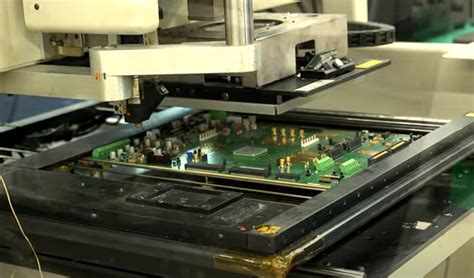
In today’s fast-paced technological environment, the demand for quick turnaround PCB assembly is more significant than ever. Urgent projects require not only speed but also precision and quality, making PCB assembly a critical component of product development cycles. Companies find themselves facing increased pressure to reduce their time to market, often necessitating rapid PCBA solutions without sacrificing performance. This urgency highlights the necessity for streamlined processes that can accommodate the complexities of design iterations and last-minute changes. Effective communication among stakeholders, enhanced logistics, and agile manufacturing techniques are vital in meeting tight deadlines while ensuring that the final product adheres to the highest standards of quality. Emphasizing a robust understanding of customer needs facilitates the creation of an adaptable workflow capable of accommodating fluctuations in demand for expedited services. By prioritizing these elements, organizations can successfully navigate the challenges associated with quick turnaround PCB assembly and maintain a competitive edge in an ever-evolving industry landscape.
Key Strategies for Streamlining PCB Production Processes
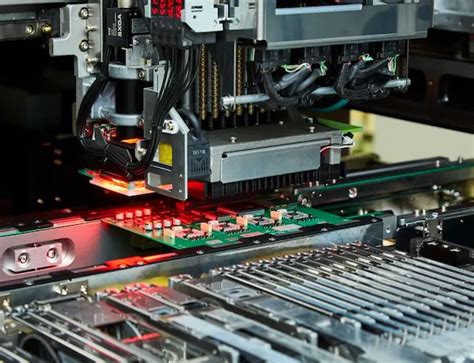
In the fast-evolving landscape of technology, the demand for quick turnaround PCB assembly has intensified, compelling manufacturers to adopt innovative methods to enhance efficiency. One crucial strategy for streamlining PCB assembly processes involves implementing advanced automation technologies. By utilizing automated pick-and-place machines, manufacturers can significantly increase the speed and accuracy of component placement on printed circuit boards. This not only minimizes human error but also optimizes workflow, allowing for faster processing times. Another effective method is embracing real-time data analytics within the production line. Monitoring PCBA parameters, such as soldering quality and component placement accuracy, can help identify bottlenecks and allow for immediate corrective actions, thereby ensuring a seamless production process. Additionally, adopting lean manufacturing principles can significantly reduce waste and lead times in the PCB assembly process. By meticulously analyzing every step of production—from design through to final assembly—companies can eliminate unnecessary steps and enhance overall efficiency without sacrificing quality. Ultimately, these strategies contribute to a more agile framework that is essential for meeting urgent project demands while maintaining high standards in pcba outcomes.
Innovative Technologies Enhancing PCB Assembly Efficiency
In the fast-paced world of electronics, the need for quick turnaround PCB assembly solutions has become increasingly critical. By integrating innovative technologies, companies can significantly enhance the efficiency of their PCB assembly processes. One key advancement is the use of automated assembly equipment, which reduces manual labor and minimizes the likelihood of human error. Moreover, employing state-of-the-art software for design and simulation can streamline the transition from concept to production, ensuring that each phase is meticulously planned and executed. Additionally, robotics play a pivotal role in optimizing workflow, allowing for rapid and precise handling of components in real-time.
Furthermore, advancements in materials science offer new possibilities for speedier production; utilizing high-quality substrates and soldering techniques can lead to a more efficient PCBA process. Coupling these technologies with lean manufacturing principles allows organizations to identify and eliminate waste within their operations, ultimately speeding up production without compromising quality. By embracing these cutting-edge innovations, businesses can not only respond quicker to market demands but also deliver high-performance PCB assemblies that meet rigorous industry standards.
Reducing Lead Times: Best Practices for Urgent Projects
In today’s fast-paced technology landscape, the need for efficient pcb assembly processes has never been more pressing. When dealing with urgent projects, reducing lead times becomes a crucial factor in maintaining competitive advantage. Implementing best practices in pcba can significantly enhance production efficiency while ensuring that quality standards are upheld. One effective approach is to adopt a just-in-time (JIT) inventory system, which minimizes waste and aligns material procurement with production schedules. Additionally, leveraging automated assembly technologies can streamline workflows and reduce the manual handling of components.
Collaboration between design and manufacturing teams is vital to identify potential bottlenecks early in the process. Utilizing design for manufacturability (DFM) principles allows engineers to create prototypes that facilitate easier assembly. This proactive strategy not only accelerates the development stages but also lowers the risk of delays due to design flaws. Moreover, ensuring a robust supply chain through reliable partnerships with suppliers can prevent unexpected shortages that may disrupt pcb assembly timelines.
Quality assurance must also be integrated into every stage of production; employing continual testing methods while maintaining efficient processes ensures that each batch of pcba meets stringent standards without added delays. By prioritizing these best practices, businesses can significantly enhance their capability to respond swiftly to urgent demands while delivering high-quality results consistently.
Quality Assurance in Quick Turnaround PCB Assembly
In the realm of quick turnaround PCB assembly, quality assurance stands as a critical pillar that supports the successful execution of urgent projects. As the demand for faster PCB assembly solutions increases, achieving exemplary quality without sacrificing speed becomes paramount. Effective strategies such as implementing rigorous testing protocols and maintaining strict adherence to manufacturing standards are essential aspects of the quality assurance process. Employing advanced inspection techniques, including Automated Optical Inspection (AOI) and X-ray inspection, ensures that every PCB meets the desired specifications before reaching the end user. Furthermore, fostering a culture of continuous improvement among teams involved in PCBA enhances overall operational efficiency and minimizes errors during production. By integrating these practices into quick turnaround processes, organizations can guarantee that their rapid outputs do not compromise on performance or reliability, thus creating a sustainable competitive advantage in a fast-paced market. Exploring these avenues allows companies to not only meet but exceed client expectations in quality while fulfilling urgent demands effectively.
Case Studies: Successful Implementation of Fast PCB Solutions
In the realm of PCB assembly, various companies have embraced innovative strategies to attain quick turnaround times while maintaining exemplary quality. One notable case study involves a leading electronics manufacturer that sought to expedite its PCBA processes in response to increasing market demands. By integrating advanced manufacturing technologies such as automated pick-and-place machines and real-time monitoring systems, this company significantly reduced its production cycles. The shift not only led to a remarkable decrease in lead times but also improved overall production efficiency.
Another successful implementation was observed with a startup specializing in PCB assembly for the burgeoning Internet of Things (IoT) sector. Faced with tight deadlines from clients, they adopted lean manufacturing principles that emphasized waste reduction and streamlined workflow. By implementing strategic indicators to track progress and enforce continuous improvements, they enhanced their capability to deliver high-quality printed circuit boards swiftly. Their efforts culminated in an impressive increase in customer satisfaction, demonstrating how effective PCBA strategies can transform operational outcomes.
These case studies illustrate that successful implementation of fast PCB solutions relies heavily on both technological advances and strategic management practices, serving as a model for others aiming for excellence in rapid PCB assembly environments.
Future Trends in Quick Turnaround PCB Manufacturing
As the demand for faster and more efficient PCB assembly processes continues to grow, several key trends are emerging in the realm of quick turnaround PCBA solutions. One notable trend is the increasing adoption of automation technologies, which are being integrated into assembly lines to shorten production times without compromising quality. Robotics and advanced machinery are transforming traditional workflows, allowing for quicker setup and reduced human error. Additionally, the implementation of smart manufacturing practices, utilizing data analytics and IoT connectivity, is facilitating real-time monitoring of production efficiencies and bottlenecks. This proactive approach not only speeds up the manufacturing process but also enhances decision-making capabilities, enabling manufacturers to respond swiftly to urgent project demands. Furthermore, sourcing materials from local suppliers has gained traction as a way to minimize lead times; this shift supports sustainability efforts while ensuring that essential components are readily available. As these trends evolve, they highlight an industry that must balance speed with quality, ensuring that rapid turnarounds do not come at the expense of precision or reliability in PCB assembly procedures. Ultimately, staying ahead in quick turnaround PCBA manufacturing will require a commitment to innovation and adaptability in an ever-changing technological landscape.
Balancing Speed and Quality in PCB Assembly Operations
In the realm of PCB assembly, achieving an optimal balance between speed and quality is vital, especially when working on urgent projects requiring quick turnaround times. The need for rapid PCBA solutions often leads manufacturers to streamline their processes, but this can sometimes come at the cost of product quality. To effectively manage this balance, companies must adopt strategic methodologies that prioritize both efficiency and excellence. One effective approach is the integration of advanced technologies, such as automation and real-time monitoring systems, which can accelerate production without compromising quality standards. Additionally, implementing best practices like thorough training for personnel and employing rigorous quality assurance measures ensures that each unit produced meets stringent specifications. By fostering a culture that values both speed and meticulous attention to detail, organizations can navigate the challenges associated with quick turnaround PCB assembly while delivering high-quality results that satisfy client demands. Ultimately, a concerted effort in optimizing workflows and enhancing workforce capabilities will play a crucial role in achieving success in this fast-paced industry.
Conclusion
In the fast-paced world of electronics, the demand for quick turnaround PCB assembly is constantly growing. Companies must adopt effective strategies to ensure timely delivery without compromising quality. By implementing innovative technologies such as automated PCB assembly processes and real-time production monitoring systems, organizations can enhance their efficiency and responsiveness to client needs. Furthermore, prioritizing quality assurance at every stage of production is crucial to avoid costly reworks, especially for urgent projects requiring high standards of reliability. Emphasizing collaboration among team members throughout the manufacturing process also fosters a culture of accountability and engagement, enabling quicker adjustments when necessary. As the industry evolves, balancing speed with superior PCBA quality will remain essential for companies striving to maintain competitiveness in an ever-demanding market. Thus, investing in continuous improvement and adaptation will empower businesses to meet the challenges associated with rapid lead times while delivering exceptional PCBA results.
FAQs
What is quick turnaround PCB assembly?
Quick turnaround PCB assembly, or PCBA, refers to expedited production processes that allow for the rapid fabrication and assembly of printed circuit boards. This approach is essential for projects with tight deadlines.
Why is it important to reduce lead times in PCB assembly?
Reducing lead times in PCB assembly ensures that urgent projects are completed promptly, which can significantly impact market competitiveness and responsiveness to customer needs.
What are the key strategies for improving PCB assembly efficiency?
Key strategies include optimizing workflow, utilizing advanced technologies, and implementing lean manufacturing principles. These help streamline processes and reduce bottlenecks in pcba production.
How does quality assurance play a role in quick turnaround PCB assembly?
Quality assurance is crucial to maintaining high standards during rapid production. Implementing rigorous testing and quality control measures ensures that the pcb assembly meets or exceeds specifications.
What innovative technologies enhance the efficiency of PCB assemblies?
Innovative technologies such as automated soldering, advanced CAD software, and real-time monitoring systems play a significant role in enhancing the speed and accuracy of PCBA operations.
For More Information
To learn more about efficient solutions for quick turnaround pcb assembly, please click here.