Efficient Turnkey PCB Assembly Accelerates Product Development
Key Takeaways
Modern PCB assembly processes have become pivotal in bridging the gap between prototyping and full-scale production. By integrating turnkey PCBA solutions, businesses can eliminate fragmented workflows, reduce redundant steps, and maintain tighter control over timelines. A holistic approach to electronics manufacturing ensures that design validation, component sourcing, and testing occur within a unified framework, minimizing delays caused by third-party dependencies.
"Adopting turnkey services isn’t just about speed—it’s about creating a seamless pipeline that aligns engineering precision with commercial objectives." – Industry Expert
Key advantages include:
| Factor | Traditional Approach | Turnkey PCBA |
|---|---|---|
| Time Efficiency | Multi-vendor coordination | Single-point accountability |
| Cost Control | Hidden logistics expenses | Transparent pricing models |
| Risk Mitigation | Fragmented quality checks | End-to-end quality assurance |
PCB assembly specialists leverage automated testing and supply chain partnerships to preempt component shortages or design flaws. This proactive stance reduces iterations during prototyping, enabling faster transitions to volume production. For startups and enterprises alike, turnkey PCBA services act as a force multiplier, compressing development cycles by up to 40% while safeguarding against costly redesigns.
Tip: Prioritize vendors offering design-for-manufacturability (DFM) feedback early in the process to avoid rework. By aligning design intent with production realities, teams can unlock faster iteration cycles and higher first-pass yield rates.
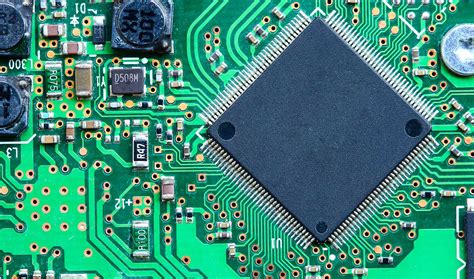
Streamlining Prototyping With Turnkey PCB Assembly
Modern product development demands rapid iteration, and PCB assembly plays a pivotal role in bridging design concepts to functional prototypes. Turnkey solutions eliminate fragmented workflows by integrating PCBA design validation, component procurement, and precision manufacturing into a unified process. By consolidating these stages under a single-source partner, engineers avoid delays caused by supplier miscommunication or logistical bottlenecks. Advanced PCB assembly providers leverage automated processes to ensure consistency, while real-time design-for-manufacturability (DFM) feedback refines prototypes for scalability. This holistic approach reduces time-to-prototype by up to 40%, enabling teams to test and iterate designs faster.
Moreover, risk mitigation is inherent in professional PCBA services. Rigorous quality checks at every stage—from solder paste inspection to functional testing—prevent costly rework. Component shortages, a common hurdle in prototyping, are addressed through vendor networks optimized for obsolete or high-demand parts. For startups and enterprises alike, this streamlined workflow transforms prototyping from a resource-intensive phase into a strategic advantage. By aligning PCB assembly expertise with agile development cycles, businesses can accelerate innovation while maintaining cost predictability—a critical balance for achieving market readiness ahead of competitors.
Cost-Efficient Electronics Manufacturing Solutions
Modern electronics manufacturing demands strategies that balance quality with affordability, and PCB assembly services play a pivotal role in achieving this equilibrium. By leveraging turnkey PCBA solutions, companies can consolidate design, component sourcing, and production into a single streamlined workflow, significantly reducing overhead costs. Supply chain optimization—a core benefit of integrated PCB assembly—eliminates fragmented procurement processes, ensuring bulk purchasing advantages and minimizing delays. Advanced PCBA providers further enhance cost efficiency through automated assembly lines, which reduce labor expenses while maintaining precision.
Transitioning from prototyping to mass production becomes financially sustainable when PCB assembly partners employ design-for-manufacturability (DFM) principles. These practices identify potential cost drivers early, such as overly complex layouts or non-standard components, and propose alternatives that align with budgetary constraints. Additionally, rigorous testing protocols embedded within turnkey PCBA workflows prevent costly rework by catching defects during initial stages.
For startups and established firms alike, outsourcing PCB assembly translates to lower capital investments in equipment and specialized personnel. This model allows businesses to reallocate resources toward innovation rather than operational logistics. By aligning with a PCBA partner that prioritizes scalability and transparent pricing, companies can adapt to market fluctuations without compromising financial stability—a critical advantage in competitive industries. This approach seamlessly bridges to the next focus: mitigating risks inherent in product development cycles.
Minimizing Risks in Product Development Cycles
Navigating product development cycles requires meticulous risk management, particularly when integrating complex electronics. PCB assembly processes inherently involve challenges such as component sourcing errors, design flaws, and compliance oversights. By leveraging full-spectrum PCBA services, teams can systematically address these risks through standardized workflows. For instance, end-to-end oversight ensures rigorous design validation, minimizing the likelihood of post-production revisions. Advanced testing protocols, including automated optical inspection (AOI) and functional testing, further reduce defects by identifying issues at critical stages.
Supplier reliability remains a key variable in electronics manufacturing. Turnkey PCB assembly providers mitigate this risk by maintaining vetted supplier networks, ensuring consistent access to high-quality components. This approach eliminates delays caused by counterfeit parts or inventory shortages. Additionally, compliance with industry standards (e.g., IPC-A-610) is embedded into PCBA workflows, safeguarding against regulatory pitfalls. By transferring these operational burdens to specialists, companies can focus on innovation while maintaining predictable timelines and budgets. Such integration not only streamlines risk mitigation but also aligns with broader strategies for accelerating time-to-market.

Accelerating Market Success Through PCB Assembly
In today’s competitive electronics landscape, PCB assembly plays a pivotal role in bridging the gap between design innovation and market readiness. By integrating turnkey PCBA solutions, companies can significantly compress development timelines while maintaining rigorous quality standards. Streamlined workflows eliminate bottlenecks typically caused by fragmented supply chains, enabling rapid iteration from prototyping to full-scale production. This holistic approach ensures that critical components—such as component sourcing, automated soldering, and functional testing—are managed under a unified framework, reducing delays and cost overruns.
Furthermore, leveraging PCB assembly expertise minimizes risks associated with design flaws or manufacturing inconsistencies. Advanced quality control protocols, including automated optical inspection (AOI) and X-ray verification, ensure that every PCBA meets industry certifications before shipment. Such precision not only safeguards product reliability but also builds trust with end-users, directly contributing to faster market adoption.
Equally important is the scalability offered by professional PCB assembly services. Whether transitioning from low-volume pilot runs to high-volume manufacturing, adaptable production lines maintain consistency across batches. This agility allows businesses to capitalize on emerging opportunities without compromising speed or performance, ultimately accelerating time-to-market and strengthening competitive positioning.
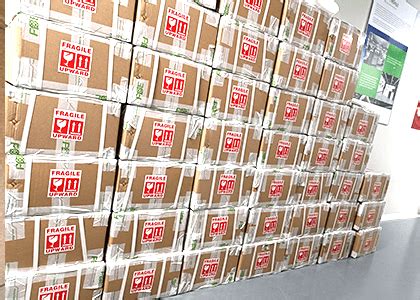
Expert Turnkey Services for Faster Innovation
Modern PCB assembly solutions are revolutionizing how businesses approach product development by offering end-to-end turnkey services that bridge design and manufacturing. By integrating PCBA design validation, component procurement, and precision assembly into a unified workflow, these services eliminate fragmented processes that traditionally delay timelines. Advanced PCB assembly providers leverage cross-functional expertise to optimize designs for manufacturability, reducing iterative revisions and accelerating prototyping phases.
A key advantage lies in supply chain orchestration—experts manage global component sourcing, mitigating shortages through multi-vendor networks and real-time inventory tracking. This proactive approach ensures PCBA projects maintain momentum even during market fluctuations. Automated assembly lines with optical inspection systems further enhance speed while maintaining six-sigma-level quality, critical for high-reliability applications like medical devices or aerospace systems.
For innovators racing against time-to-market pressures, turnkey PCB assembly translates complex logistics into a single-point responsibility. By outsourcing technical overhead, engineering teams reclaim resources to focus on core R&D, driving iterative improvements and competitive differentiation. This symbiotic model not only shortens development cycles by 30–50% but also scales seamlessly from low-volume prototypes to mass production, ensuring consistency across batches.
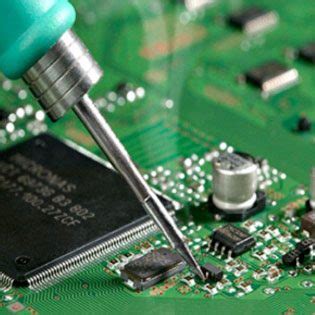
Quality-Driven PCB Assembly for Reliable Output
Achieving consistent reliability in PCB assembly requires a systematic approach that prioritizes precision at every stage of production. PCBA (Printed Circuit Board Assembly) processes built on quality-driven frameworks integrate advanced inspection protocols, such as automated optical inspection (AOI) and X-ray testing, to identify defects at micron-level accuracy. By adhering to IPC-A-610 standards and leveraging traceable component sourcing, manufacturers ensure that every PCB assembly meets rigorous performance benchmarks. This focus on quality minimizes field failures and extends product lifespans, directly supporting the broader goal of accelerating time-to-market without compromising integrity.
Transitioning seamlessly from design validation to final testing, a robust PCBA workflow incorporates statistical process control (SPC) to monitor critical parameters like solder paste deposition and reflow profiles. Partnering with suppliers who hold ISO 9001 or IATF 16949 certifications further mitigates risks linked to component quality. Such meticulous attention to detail not only reduces rework costs but also builds trust in the end product’s reliability—a cornerstone for innovations requiring high-reliability electronics, such as medical devices or automotive systems. By embedding quality assurance into every layer of PCB assembly, businesses can confidently scale production while maintaining output consistency.
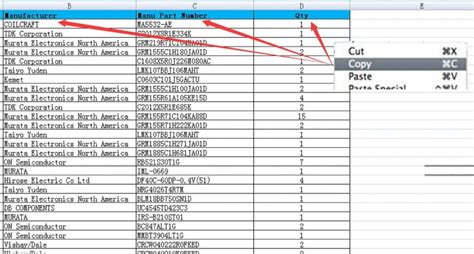
Optimizing Time-to-Market With Professional Assembly
By entrusting PCB assembly to certified turnkey service providers, companies eliminate bottlenecks that traditionally delay product launches. Professional PCBA partners streamline workflows through synchronized material procurement, precision manufacturing, and rigorous testing protocols—all managed under a single point of accountability. This approach reduces administrative overhead by up to 40%, allowing engineering teams to focus on core innovation rather than supply chain coordination.
Advanced PCB assembly systems incorporate design for manufacturability (DFM) checks during prototyping, identifying potential production conflicts before mass production. Automated assembly lines equipped with optical inspection (AOI) and X-ray verification ensure <1% defect rates, while just-in-time component sourcing minimizes inventory risks. For time-sensitive industries like IoT or medical devices, PCBA specialists accelerate cycle times by maintaining ISO-certified facilities with multi-shift production capabilities.
The integration of end-to-end quality controls—from solder paste inspection to functional testing—guarantees compliance with IPC-A-610 standards, reducing post-launch failure risks. By aligning PCB assembly timelines with market windows, businesses achieve 30% faster commercialization compared to fragmented manufacturing models, securing competitive advantages in rapidly evolving sectors.
Integrated PCB Solutions From Design to Production
Modern PCB assembly workflows demand seamless coordination across design, prototyping, and manufacturing stages. By adopting integrated solutions, companies bridge gaps between engineering teams and production facilities, ensuring design intent translates accurately into functional PCBA outputs. This holistic approach begins with design for manufacturing (DFM) analysis, where potential fabrication challenges are identified and resolved early, reducing costly revisions. Advanced software tools synchronize schematic capture, component sourcing, and assembly planning, enabling real-time adjustments to optimize both performance and cost efficiency.
Transitioning from prototyping to mass production becomes smoother when turnkey PCB assembly providers manage material procurement, quality testing, and logistics under a single umbrella. For instance, automated optical inspection (AOI) systems validate solder joint integrity at scale, while supply chain partnerships secure critical components amid market fluctuations. Such integration minimizes delays caused by fragmented workflows, allowing innovators to focus on iterative improvements rather than operational bottlenecks. Ultimately, aligning design objectives with manufacturing capabilities through end-to-end PCBA services accelerates time-to-market while maintaining the reliability required for competitive electronics products.
Conclusion
In an era where speed and precision define competitive advantage, leveraging PCB assembly expertise becomes pivotal for successful product development. By adopting turnkey PCBA solutions, businesses can seamlessly integrate design validation, component sourcing, and rigorous testing into a unified workflow, eliminating bottlenecks that traditionally delay timelines. This holistic approach not only safeguards against supply chain disruptions but also ensures cost-efficient manufacturing without compromising on reliability or performance.
The strategic alignment between PCB assembly partners and engineering teams fosters agile iterations during prototyping, enabling rapid transitions from concept validation to scaled production. Furthermore, turnkey PCBA services inherently mitigate risks through certified processes and traceable quality controls, reducing the likelihood of post-production revisions. As market demands evolve, this synergy between technical proficiency and operational efficiency becomes instrumental in maintaining shorter time-to-market cycles while upholding stringent industry standards. Choosing a partner with end-to-end capabilities ensures that every phase—from schematic design to final PCB assembly—is optimized to accelerate innovation and secure first-mover advantages.
FAQs
How does turnkey PCB assembly reduce time-to-market?
By integrating design, component sourcing, PCB assembly, and testing under one provider, turnkey PCBA eliminates delays caused by fragmented workflows. This streamlined approach ensures faster prototyping and seamless transition to mass production.
What cost advantages does turnkey PCBA offer?
Turnkey PCB assembly services leverage bulk purchasing power for components and optimize manufacturing workflows, reducing material waste and labor costs. Additionally, risk mitigation through expert oversight minimizes costly errors during production.
How does turnkey assembly ensure quality control?
Reputable PCB assembly partners implement rigorous testing protocols, including automated optical inspection (AOI) and functional testing, at every stage. This proactive quality management ensures reliability and compliance with industry standards.
Can turnkey PCBA support low-volume prototyping?
Yes, many providers specialize in both low-volume prototyping and high-volume production. This flexibility allows teams to validate designs with rapid prototyping before scaling, reducing financial risks and technical uncertainties.
What industries benefit most from turnkey PCB solutions?
Medical devices, aerospace, IoT, and consumer electronics rely on turnkey PCBA for its precision, scalability, and adherence to strict regulatory requirements. The end-to-end model suits industries where time-sensitive innovation is critical.
Ready to Accelerate Your Product Development?
Streamline your electronics manufacturing with expert turnkey PCB assembly solutions. Click here to explore how we can optimize your workflow.