Effortless Steps to Order Your PCB Prototype Online
Key Takeaways
When venturing into pcb manufacturing, it is crucial to fully understand what a PCB prototype entails. This initial step is vital for ensuring your project runs smoothly. As you navigate the pcb manufacturing companies, consider the various factors that influence the pcb manufacturing cost. A well-structured approach will help you avoid unexpected expenses and delays.
Here’s a streamlined overview of the essential points to keep in mind:
| Key Factor | Consideration |
|---|---|
| Understanding Your Needs | Clearly define what you require from your prototype. |
| Researching Providers | Check customer reviews and ratings of different pcb manufacturing companies. |
| Cost Assessment | Compare quotes from various suppliers to find competitive rates. |
| Materials Selection | Choose materials that align with your project goals and durability requirements. |
By following these takeaways, you’ll be better equipped to engage effectively with pcb manufacturing businesses, ensuring that your ordering process is as seamless as possible. Maintaining clarity about what you need not only helps in effectively communicating with suppliers but also significantly reduces the chance of common mistakes during ordering.
In conclusion, investing time in understanding each step allows for a smoother journey from concept to creation, enhancing your experience in the world of PCB prototyping. For more detailed assistance, consider reliable resources like Andwin PCB.
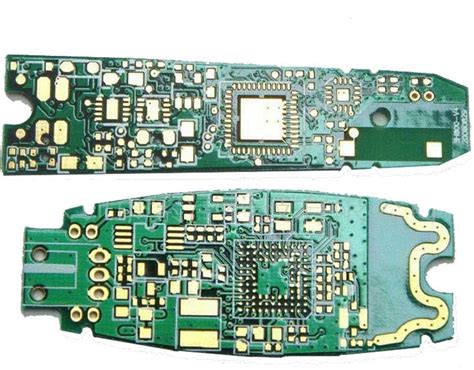
Understanding PCB Prototypes: What You Need to Know
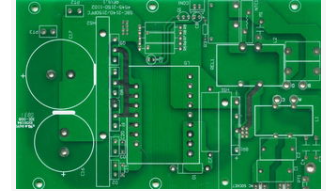
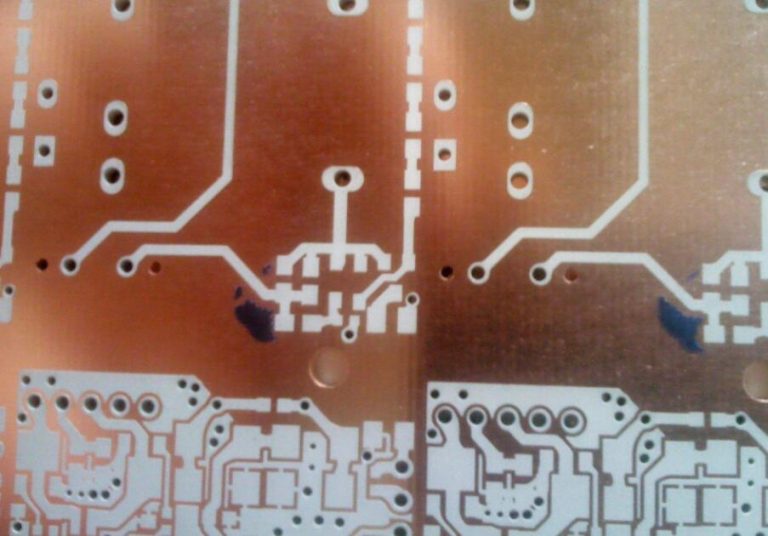
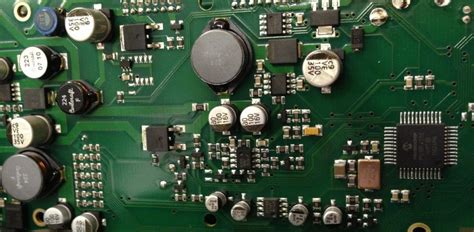
When venturing into the world of PCB (Printed Circuit Board) prototypes, it’s essential to grasp the fundamentals that underpin this intricate process. A PCB prototype plays a crucial role in the pcb manufacturing workflow, allowing you to test your design before full-scale production. Understanding this phase helps you assess the pcb manufacturing cost effectively and make informed decisions about the materials and techniques used.
The first step in understanding PCB prototypes is recognizing their purpose. These prototypes serve as a trial, helping engineers identify potential design flaws or functional issues before committing to larger production runs with pcb manufacturing companies. This initial testing phase is not just about verifying circuit functionality; it allows you to evaluate the overall design and layout critically.
Moreover, knowing how various factors influence your prototype can significantly impact your budget and timeline. For instance, selecting high-quality materials from reputable pcb manufacturing companies will improve durability but may also raise your pcb manufacturing cost. On the flip side, opting for cheaper alternatives could save money initially but may lead to additional costs later during corrections or replacements.
“Investing time to understand your PCB prototype needs will pay dividends throughout your development process.”
As you embark on ordering your PCB prototype online, remember that each decision made during this stage can affect not only your current project but also future designs in your ongoing pcb manufacturing business endeavors. Ensuring you are well-informed will set a solid foundation for successful product development and innovation.
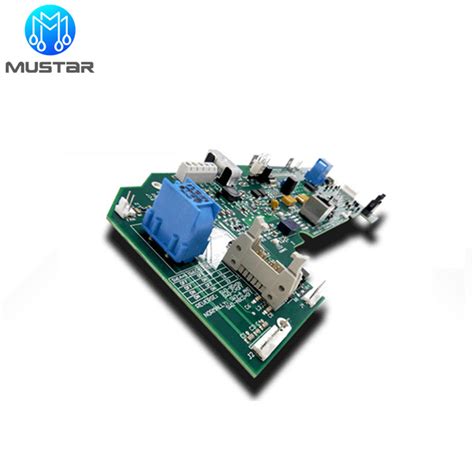
Step-by-Step Guide to Ordering Your PCB Prototype
Ordering your PCB prototype can seem overwhelming, but with the right steps, it can be a straightforward process. First, you need to understand PCB prototypes and their importance in the realm of electronics. A prototype serves as a preliminary version of your circuit board which is crucial for testing and validating design performance before mass production. When you’re ready to move forward, begin your search for reliable PCB manufacturing companies. Look for companies that specialize in PCB manufacturing, as they often offer varying capabilities tailored to different project requirements.
Once you’ve identified a few potential manufacturers, simplify your choices by comparing their PCB manufacturing costs and services. This step not only ensures you stay within budget but also helps you assess the quality of work you can expect. Understanding the specifics of what pcb manufacturing business entails will better prepare you when discussing your project with suppliers; it might include considerations like production speed, material quality, and design complexities.
In your order process, gather all necessary specifications such as board dimensions, layers required, and trace widths. This documentation is pivotal for receiving accurate quotes and timelines from manufacturers. After this step, proceed to input your order details on the manufacturer’s platform or contact them directly if needed. Remember to double-check everything before finalizing because accurate input will greatly influence how smoothly your ordering experience unfolds.
Following this structured approach not only alleviates stress but also establishes a clear roadmap towards successfully ordering your PCB prototype, ensuring that you’re well-prepared at every stage of the process.
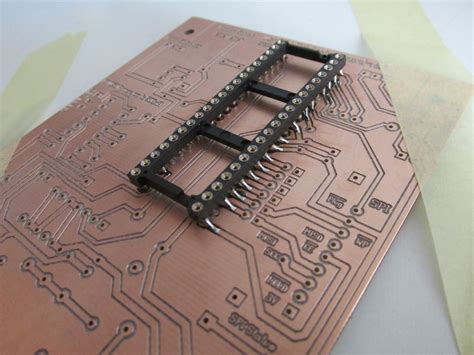
Choosing the Right Materials for Your Prototype
When ordering your PCB prototype, one of the most critical decisions you will face is selecting the right materials. The materials you choose directly influence the performance and cost of your board, setting the foundation for a successful product. Understanding the various types of materials available on the market can significantly enhance your design’s efficiency. For instance, standard FR-4 is commonly used due to its balance between affordability and performance, making it a popular choice among many PCB manufacturing companies. However, if your project requires higher thermal properties or greater signal integrity, you might explore options like high-frequency laminates or metal core PCBs.
Moreover, consider how each material impacts the overall PCB manufacturing cost. Resins with higher quality may drive up expenses, but investing in superior materials can lead to increased durability and functionality that benefit your PCB manufacturing business long-term. It’s essential to align your material choice with both your design’s specifications and budget constraints. Thus, taking the time to research and assess each option will help in securing both performance and cost efficiency as you embark on creating high-quality prototypes that meet your project’s unique requirements.
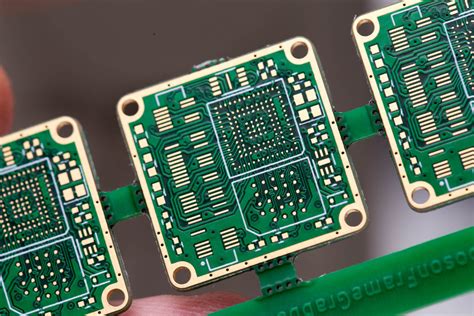
Navigating the Online Ordering Process
When you’re ready to start the journey of ordering your PCB prototype, navigating the online ordering process can be a straightforward experience if you follow a few essential steps. First, browsing through various PCB manufacturing companies will give you an opportunity to compare their offerings and services. Look for reviews or testimonials to gauge their reliability and quality. After choosing a company that fits your requirements, you’ll typically need to upload your designs and specify the specifications for your prototype. It’s vital to be precise, as this can affect the PCB manufacturing cost significantly. Don’t hesitate to ask questions or request clarifications if you’re unsure about any details—most reputable PCB manufacturing businesses are willing to assist you along the way. Payment options will vary, so take note of what each provider accepts. Lastly, keep in mind that quotes may vary amongst manufacturers; therefore, it is wise to evaluate the overall value rather than just focusing on the lowest price. By ensuring you’ve checked these details carefully, you can facilitate a smooth experience when ordering your PCB prototype online, leading you towards high-quality results efficiently.
Payment Options and Considerations
When you’re ready to finalize the order of your PCB prototype, understanding the available payment options and their associated considerations is essential to ensure a seamless experience. Many PCB manufacturing companies offer a variety of payment methods, from credit cards to electronic transfers, which provide convenience and flexibility. While choosing a payment option, consider the manufacturing cost involved. Some companies may offer discounts for upfront payments or bulk orders, so it’s worth exploring various offers before making your decision. Additionally, remember that security is key; opt for a method that protects your financial information while doing business in the PCB manufacturing field. It’s prudent to clarify any refund policies or service guarantees associated with your chosen method, as this could save you unforeseen troubles later on if any issues arise during the production process. Whether you’re a newcomer to the PCB manufacturing business or an experienced professional, being informed about these payment options will help you manage your budget effectively and ensure that your project stays on track without unexpected hitches.
Tips for a Smooth Prototype Ordering Experience
Ordering your PCB prototype can be a streamlined process if you keep a few essential tips in mind. First, always confirm that you are engaging with reputable pcb manufacturing companies. Research these companies by checking their customer reviews and previous projects, which can provide insight into their capabilities and reliability. Understand the pcb manufacturing cost structure as various factors can influence pricing—like quantity, complexity, and material selection. Make sure to specify your design requirements in detail to avoid misinterpretations that could lead to errors in your prototype.
Additionally, ensure that your design files are in the correct format and meet the requirements specified by your chosen manufacturer. It’s advisable to use industry-standard formats such as Gerber files for optimal compatibility. Once you’ve placed your order, maintain communication with the manufacturer, as this can help address any potential issues swiftly.
Another crucial aspect is selecting suitable materials. The choice of materials can significantly affect both the performance and cost of your prototype—so choose wisely based on your project’s needs. Lastly, familiarize yourself with the different payment options available through the pcb manufacturing business you’re dealing with; this knowledge will help you make well-informed decisions throughout the transaction.
By taking these steps, you will enhance your ordering experience and increase the likelihood of receiving a high-quality PCB prototype that meets your specifications.
Common Mistakes to Avoid When Ordering PCBs
When ordering your PCB prototype, it’s easy to overlook crucial details that can lead to delays and added costs. One common mistake is not thoroughly understanding the PCB manufacturing specifications required for your project. Always ensure that your design meets the PCB manufacturing companies’ requirements, as each may have unique formatting and file type preferences. Additionally, failing to communicate clearly with the manufacturer about your expectations can result in misunderstandings that affect the quality of your prototype. It’s also important to keep an eye on the PCB manufacturing cost; sometimes opting for cheaper materials or services might compromise the performance and durability of your final product. Furthermore, neglecting to verify lead times can cause significant delays in your project timeline. By being aware of these potential pitfalls, you can ensure a smoother ordering experience, saving time and resources in your PCB manufacturing business process. Remember, attention to detail is essential when it comes to producing high-quality prototypes that meet your standards and requirements.
Finalizing Your Order: What Happens Next?
After you have placed your order for your PCB prototype, it is essential to understand what comes next in the process to ensure a seamless experience. First, you should receive a confirmation email from the PCB manufacturing company, detailing your order specifications and the estimated delivery timeline. This communication not only confirms that the order has been received but also provides an opportunity for you to review all details, including PCB manufacturing cost and any specific requirements you’ve chosen. If any discrepancies arise, this is the time to reach out for clarification.
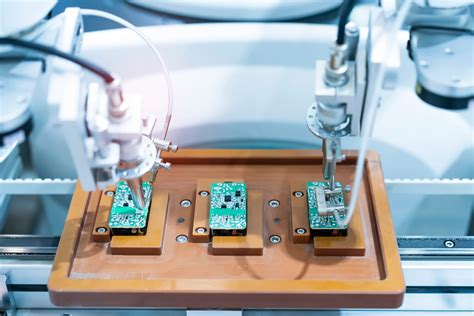
Next, your order enters the production phase where skilled technicians will utilize advanced techniques in PCB manufacturing to create your prototype. Depending on the complexity of your design and the materials selected, this stage may take varying lengths of time. It’s beneficial for you to be aware that modern PCB manufacturing businesses often update their clients throughout this phase, allowing you insight into progress.
Once production is complete, you will receive another notification confirming that your order is ready for shipment or pickup. If you are utilizing online ordering systems, tracking information will typically be provided so you can monitor its journey to you. Throughout this process, remember to keep a close eye on any correspondence from the manufacturing company as it often contains vital information related to payment options and possible next steps. Staying informed will ensure that your expectation aligns with reality, making the entire ordering experience even more efficient.
Conclusion
In summary, ordering your PCB prototype online can be a seamless process when you approach it with the right knowledge and tools. Understanding how PCB manufacturing works is essential; it not only helps you select the right suppliers but also aids in estimating the potential PCB manufacturing costs. By researching various PCB manufacturing companies, you can compare offerings and choose one that aligns with your project needs. Once you’ve identified a suitable company, ensure that you provide clear specifications and requirements to avoid any misunderstandings during production. This clarity will ultimately contribute to a successful outcome and foster a productive relationship with your chosen PCB manufacturing business. Remember, careful planning and attention to detail throughout the ordering process will help you achieve high-quality prototypes that meet your expectations. By following the outlined steps, you’ll find that ordering your PCB prototype is not only possible but can also be an enriching experience for both current and future projects.
FAQs
What is a PCB prototype and why do I need one?
A PCB prototype is a preliminary version of your printed circuit board that lets you test and validate your design before committing to large-scale production. Having a prototype helps you identify and fix potential issues, ensuring a smoother development process in your PCB manufacturing journey.
How do I choose the right PCB manufacturing company for my needs?
When selecting a PCB manufacturing company, consider factors such as their industry reputation, customer reviews, turnaround time, and the range of materials they offer. Don’t forget to inquire about their experience with similar projects to gauge their capabilities effectively.
What affects the PCB manufacturing cost?
The PCB manufacturing cost can vary based on several factors including complexity of the design, size of the board, material selection, and quantity needed. It’s essential to get quotes from different suppliers and understand how each element influences the overall price.
Can I order my PCB prototype in small quantities?
Yes, many PCB manufacturing businesses cater to small orders. They recognize that startups or hobbyists may not need large volumes initially. Ensure you communicate your quantity requirements clearly when placing your order.
What materials should I consider for my PCB prototype?
Common materials include FR-4 for standard boards or Rogers for high-frequency applications. Choosing the right material impacts the performance characteristics of your PCB, so be sure to discuss your needs with your manufacturer.