EMC and EMI filters: the balance in electronic devices
With the rapid development of science and technology, electronic devices have penetrated into all aspects of our lives, from household appliances to industrial equipment, from communication equipment to medical instruments, all of which are inseparable from the support of electronic technology. However, while electronic devices bring convenience, they also face two major challenges: electromagnetic compatibility (EMC) and electromagnetic interference (EMI). In these two challenges, EMC and EMI filters play a vital role. They are like the “guardians” of electronic devices, guarding the normal operation of the equipment.
1.Basic concepts of EMC and EMI
EMC (electromagnetic compatibility) refers to the ability of electronic, electrical equipment or systems to work normally according to design requirements in the expected electromagnetic environment. It requires that electronic equipment must have a certain degree of immunity to electromagnetic interference generated by its environment, and not generate unbearable electromagnetic interference to other things in the environment. EMI (electromagnetic interference) refers to the electromagnetic energy generated by electronic equipment during operation, which may have adverse effects on surrounding electronic equipment and even cause equipment failure.
2.The role of EMC and EMI filters
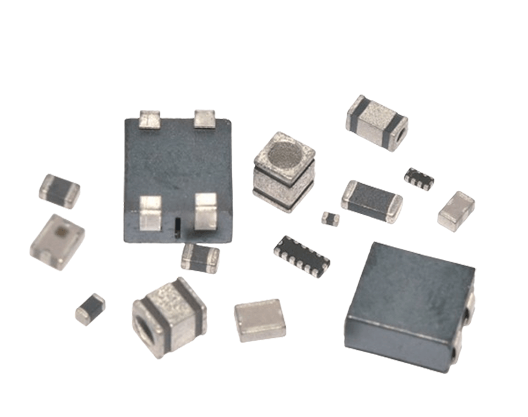
In order to deal with EMC and EMI problems, people have developed EMC and EMI filters. These filters can filter out or reduce the electromagnetic interference generated by electronic equipment during operation, and can also enhance the equipment’s resistance to external electromagnetic interference. They attenuate or isolate unnecessary electromagnetic energy through specific circuit design, thereby ensuring the normal operation of electronic equipment.
3.Types of EMC and EMI filters
(1)Power filter
The power filter is the most common type of EMC and EMI filter. It is mainly installed at the power input end of the electronic equipment, and reduces the interference of the equipment to the power grid by filtering out high-frequency noise and clutter on the power line, and also improves the equipment’s resistance to other noise in the power grid;
(2)Signal line filter
The signal line filter is mainly used to protect the signal transmission line and prevent high-frequency noise and clutter from interfering with signal transmission. It is usually installed at the input and output ends of the signal line, and ensures the clarity and stability of signal transmission by filtering out unnecessary frequency components;
(3)Shielding filter
The shielding filter is a device that achieves filtering through physical isolation. It is usually made of conductive materials, and isolates external electromagnetic interference by wrapping the electronic equipment or circuit to be protected in a shielding body.
4.Application of EMC and EMI filters
EMC and EMI filters are widely used in various electronic devices, especially in devices that are sensitive to electromagnetic interference. For example, medical equipment, aerospace equipment, communications equipment, etc. all need to use EMC and EMI filters to ensure their normal operation. At the same time, with the rise of emerging industries such as electric vehicles and smart homes, the application of EMC and EMI filters in these fields is becoming more and more extensive.
In general, EMC and EMI filters are an indispensable component of electronic equipment. They protect the normal operation of electronic equipment by filtering out or reducing electromagnetic interference. In the future, with the continuous development of electronic technology, EMC and EMI filters will play a more important role. At the same time, we should also strengthen the research and development and application of EMC and EMI filters to cope with the increasingly complex challenges of the electromagnetic environment.