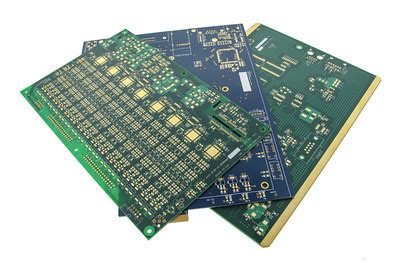
Essential Guide to 4PCB Assembly Techniques and Best Practices
Key Takeaways
Understanding 4PCB assembly is crucial for anyone involved in the design and production of printed circuit boards. This intricate process not only involves the physical assembly of the board but also encompasses a variety of techniques and methods to ensure that the final product is reliable and efficient. One key takeaway from our exploration is that meticulous component placement directly impacts the performance and quality of the final PCB.
Furthermore, employing effective soldering techniques can significantly reduce the risk of defects during assembly. Utilizing advanced tools, such as reflow ovens and laser cut stencils, enhances efficiency and consistency in PCBA processes. Quality control cannot be overstated; implementing rigorous testing methods throughout various stages can identify potential issues early on.
Additionally, being aware of common pitfalls and developing strategies to address them can streamline projects considerably. Overall, remaining informed about new trends and technological advancements in 4PCB assembly will position professionals to meet evolving demands while ensuring high-quality outcomes. This foundation serves both novices seeking to grasp essential concepts and experienced professionals aiming for expertise enhancement within their PCB endeavors.
Introduction to 4PCB Assembly
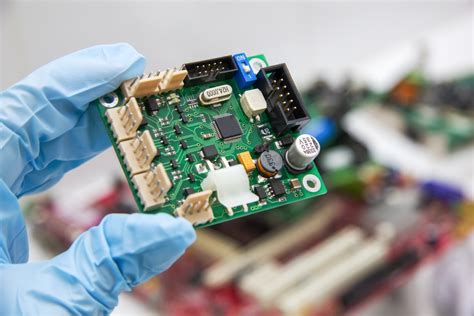
Understanding 4PCB assembly is crucial for anyone involved in the electronics industry, whether you are a beginner or a seasoned professional. This process involves integrating different components onto a printed circuit board (PCB) to create functional electronic devices. With the emergence of advanced technologies, the demand for compact yet efficient designs has led to an increased focus on innovative pcba (printed circuit board assembly) techniques.
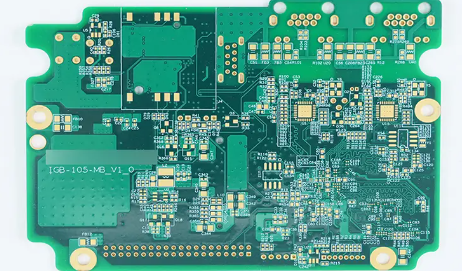
In essence, 4PCB assembly encapsulates multiple layers within the PCB structure, allowing for more complex circuitry to be designed within limited space without compromising performance. Learning about key methods such as soldering, component placement, and testing not only enhances skill but also promotes efficiency in managing intricate designs.
“Investing time in mastering pcb assembly techniques can significantly elevate your project outcomes and ensure reliability in your devices.”
Moreover, acquiring the right tools and equipment is fundamental to achieving optimal results in 4PCB projects. These tools range from basic soldering kits to advanced machinery capable of handling multiple layers of circuitry. Embracing best practices in assembly not only boosts quality but also minimizes errors that can arise during the process.
In conclusion, a foundational grasp of these techniques is essential for any professional working with PCBs. As technology continues to evolve, staying updated with trends and methods will enhance your ability to design and assemble complex circuit boards efficiently and effectively.
Common Techniques in 4PCB Assembly
When embarking on 4PCB assembly, understanding the common techniques employed in this process is crucial for ensuring the success of your project. One of the primary methods utilized in pcb assembly is surface mount technology (SMT), which allows components to be mounted directly onto the surface of the PCB, enhancing efficiency and reducing the overall footprint. Another prevalent technique is through-hole technology, where components are inserted into drilled holes and soldered on the opposite side. This method is particularly suited for larger components that require robust connections.
Additionally, utilizing a combination of these techniques can lead to optimized performance in your pcba. For instance, strategically placing high-frequency or sensitive components using (SMT) can help mitigate interference while maintaining necessary durability through through-hole mounting for other parts.
Here’s a comparison table that highlights these techniques:
| Technique | Description | Advantages | Disadvantages |
|---|---|---|---|
| Surface Mount Technology | Components are mounted on PCB surface | Smaller size, faster assembly | Less robust compared to through-hole |
| Through-Hole Technology | Components inserted into holes drilled in PCB | Strong mechanical bonds | Requires more space, slower assembly |
By effectively integrating these 4PCB assembly techniques into your workflow, you can enhance assembly accuracy, improve efficiency, and ensure high-quality outcomes in your projects. Emphasizing understanding and skill development around these methods will cater to both beginners and seasoned professionals aiming for excellence in their pcb assembly endeavors.

Tools and Equipment for Efficient Assembly
To achieve optimal pcb assembly results, employing the right tools and equipment is essential. Typical pcba setups include a range of devices, such as soldering irons, reflow ovens, and automated pick-and-place machines. The soldering iron is perhaps the most crucial tool, enabling precision in component placement and solder application. For those working with surface-mounted devices (SMD), a reflow oven ensures uniform heating during the soldering process, reducing thermal shock to components.
In addition to these, the use of a quality multimeter can assist in troubleshooting electrical connections post-assembly. Other important tools include PCB holders, tweezers, and anti-static wrist straps to prevent damage through electrostatic discharge. Utilizing these tools effectively not only enhances productivity but also ensures a higher quality of assembly. Investing in high-quality equipment can lead to fewer errors and faster assembly times, thus improving overall project efficiency. When executing complex designs or high-density layouts, having a well-equipped workstation will ultimately make the difference between mediocre results and exceptional pcb assembly craftsmanship.
Best Practices for Soldering and Components Placement
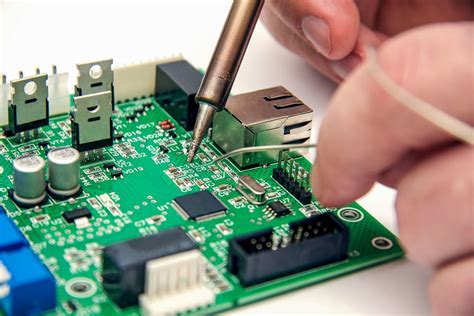
When it comes to pcb assembly, proper soldering and component placement are crucial for ensuring functionality and reliability. First, it’s essential to prepare the board by keeping the surface clean and free from any contaminants. This not only improves adhesion but also helps in achieving a better electrical connection. When placing components, use the correct orientation, paying close attention to polarity if you’re working with components like diodes and electrolytic capacitors. Precision is key—ensuring components are aligned properly can save significant time during soldering.
For the actual soldering process, adopting techniques like wave soldering or reflow soldering can greatly enhance efficiency in pcba production. It’s advisable to use a soldering iron with the right tip size to avoid overheating surrounding components while ensuring that each joint is both mechanical and electrical in nature. After soldering, performing visual inspections or using automated optical inspection (AOI) systems can help detect defects early on. Prioritizing these best practices not only enhances quality but also contributes to a more streamlined overall process, fostering greater confidence in your pcb assembly projects.
Quality Control and Testing Methods
Ensuring the highest standards in pcb assembly is crucial for the reliability and performance of electronic devices. Quality control begins at the design phase and extends through every step of the pcba process. One essential method involves visual inspections, where trained technicians check for obvious defects, such as misaligned components or solder bridging, which can lead to functional failures. Automated Optical Inspection (AOI) is another vital technique, where machines scan assemblies against predefined criteria to catch inconsistencies that may not be visible to the naked eye.
Furthermore, implementing electrical testing methods—such as In-Circuit Testing (ICT) and Functional Testing—can verify that each pcb assembly operates as intended. ICT checks individual components and circuits for continuity and shorts while Functional Testing examines the entire assembled PCB under operational conditions. Beyond these methods, utilizing environmental tests, such as thermal cycling and moisture tests, ensures that the final product can withstand varied environmental conditions without compromising performance.
Finally, establishing a feedback loop for continuous improvement through data analysis helps identify recurring issues and enhances manufacturing processes over time. By prioritizing these quality control and testing methods during pcba, manufacturers can significantly reduce defects and ensure high-quality results from their PCB projects.
Tips for Troubleshooting Common Issues
Troubleshooting issues in pcb assembly can often be a daunting task, especially for those new to the field of PCBA (Printed Circuit Board Assembly). One of the first steps in diagnosing problems is to take a methodical approach. Begin by checking soldering quality; if you notice cold or inadequate solder joints, reflowing or adding additional solder may be necessary. It’s essential to ensure that all components are placed correctly, as misplacement can lead to malfunctioning circuits. Using a multimeter can help identify short circuits or openings in the circuit that may not be visually apparent.
Another common issue is insufficient adhesion of components on the board. This can usually be corrected by evaluating your solder paste application process and ensuring that your heat profiles align with the specifications of your components and PCB design. Thermal profiling should provide insight into whether areas of the board are receiving too much or too little heat during soldering.
In addition, staying organized during pcba processes can prevent minor mistakes from spiraling into significant issues. A well-maintained checklist that includes inspections at various stages—such as before and after soldering—can mitigate many problems before they escalate. Lastly, cultivating an adaptive mindset toward feedback from assembly tests allows professionals to not only troubleshoot effectively but also refine their practices for future projects. By implementing these strategies, any project involving pcb assembly will run more smoothly, enhancing both efficiency and output quality.

Future Trends in 4PCB Assembly
As technology continues to evolve, the landscape of 4PCB assembly is undergoing significant transformations. One prominent trend is the increasing integration of automation and robotics in the pcba process. This shift not only enhances efficiency but also minimizes human error, resulting in higher-quality assemblies. Manufacturers are also embracing smart manufacturing practices, leveraging data analytics to streamline production processes and optimize resource allocation. Furthermore, advancements in materials science are leading to the development of more innovative substrates and soldering techniques, which can improve the performance and reliability of pcba.
Another critical trend is the growing emphasis on sustainability and eco-friendliness in electronics production. Companies are beginning to adopt greener processes by utilizing lead-free solder and recyclable materials, addressing environmental concerns while still meeting performance standards. This alignment with eco-friendly practices is becoming a decisive factor for consumers and businesses alike when choosing a manufacturer for their 4PCB assembly needs.
Additionally, we are witnessing a rise in demand for smaller, more complex designs due to the miniaturization of electronic devices. This shift requires advanced techniques such as micro soldering and high-density interconnects (HDI) that challenge traditional methods but also promise enhanced functionality. As these trends unfold, professionals involved in pcba must stay vigilant and adapt to emerging technologies while continually pursuing best practices that ensure quality and efficiency in their projects.
Resources for Further Learning on PCB Projects
To deepen your understanding of 4PCB assembly and enhance your skills in PCB projects, a variety of resources are available. Online courses and tutorials provide foundational knowledge, showcasing practical applications and specific pcba techniques. Websites like YouTube are filled with expert-led videos that illustrate the intricacies of soldering and component placement, allowing both beginners and experienced professionals to grasp essential concepts effectively. Additionally, forums dedicated to electronics and PCB design are invaluable for sharing experiences, troubleshooting advice, and innovative ideas. Books focused on electronic engineering often include comprehensive sections on pcb assembly, discussing theory alongside practical insights that can enhance your projects. Lastly, attending workshops or local meetups can offer hands-on experience and networking opportunities with fellow enthusiasts, fostering a collaborative learning environment. Utilizing these resources will undoubtedly empower you to achieve high-quality results in your pcba endeavors while staying updated on industry best practices.
Conclusion
In summary, understanding the intricacies of 4PCB assembly is essential for both newcomers and experienced professionals working on printed circuit board assembly (PCBA) projects. Each technique explored in this guide contributes to the overall efficiency and quality of your assembly processes. From mastering fundamental soldering techniques to implementing rigorous quality control measures, every step plays a crucial role in ensuring a successful outcome. Emphasizing best practices in components placement can drastically reduce the likelihood of errors, enhancing the performance of your final product. Additionally, staying informed about emerging trends in 4PCB assembly can further empower you to continuously refine your methods and adapt to industry advancements. By integrating these insights into your workflow, you position yourself to achieve superior results and maintain a competitive edge in the ever-evolving field of PCB projects.
FAQs
What is 4PCB assembly?
4PCB assembly refers to the process of assembling printed circuit boards (PCBs) that have four layers of conducting material. This technique enables more complex circuit designs and can enhance performance in various applications.
What are the common techniques used in PCB assembly?
Common techniques in pcb assembly include Surface Mount Technology (SMT), Through-Hole Assembly, and Mixed Technology, each offering unique advantages for different project needs.
What tools do I need for efficient 4PCB assembly?
Essential tools for pcba include soldering irons, automated pick-and-place machines, reflow ovens, and multimeters to ensure measurements are accurate.
How do I ensure proper soldering and component placement in my projects?
Best practices involve using the right solder material, maintaining appropriate temperature settings during soldering, and ensuring that components are correctly aligned according to the design.
What quality control measures should I implement?
Implementing quality control during pcb assembly can involve visual inspections, automated optical inspection (AOI), and functional testing to verify that the assembled board operates correctly.
How can I troubleshoot common issues encountered during PCB assembly?
To troubleshoot issues effectively, one should check for cold solder joints, proper component orientation, or any potential shorts. Keeping detailed records of changes during pcba processes can also help identify problem areas.
By addressing these common inquiries about 4PCB assembly, you can enhance your understanding and efficiency in PCB projects. For more detailed information and resources, please click here: Andwin PCB Assembly.