Essential Guide to Flex PCB Fabrication Techniques and Benefits
Key Takeaways
When considering flex PCB fabrication, it’s important to recognize the pivotal role that PCB manufacturing plays in modern electronics. By utilizing innovative techniques, you can benefit from the enhanced design flexibility that flex PCBs offer. This flexibility allows for intricate designs that traditional PCBs might not support, fostering a landscape ripe for creative innovation.
One of the significant advantages of flex PCBs is their ability to significantly reduce both space and weight in your projects. This aspect is crucial not just for efficiency but also for cost-effectiveness in your PCB manufacturing business. As you evaluate different PCB manufacturing companies, keep in mind the upfront costs versus the long-term benefits of integrating flexible solutions.
Additionally, seamless integration of flexible boards can vastly improve product architecture, making them ideal for various applications where conventional rigid boards fall short. Remember, choosing providers who understand these nuances can greatly affect your overall PCB manufacturing cost and project success.
“Investing in flex PCB technology today can pave the way for more advanced and innovative designs tomorrow.”
In summary, by partnering with experienced manufacturers adept in flex PCB techniques, you position yourself well within an evolving market that values efficiency and adaptability. Embracing these cutting-edge solutions will not only benefit your product development but also strengthen your competitive edge within the industry. If you’re looking to delve deeper into this realm, consider exploring resources from Andwin for tailored solutions that fit your specific needs.
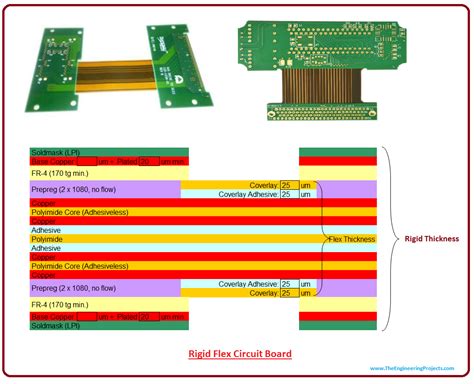
Introduction to Flex PCB Fabrication
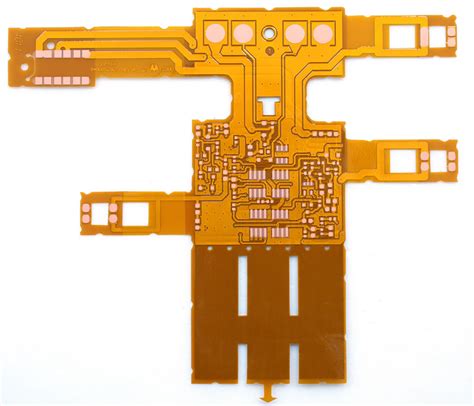
In the ever-evolving realm of electronics, flexible printed circuit boards (flex PCBs) have emerged as a revolutionary solution to meet the demands of modern design. Understanding flex PCB fabrication is crucial for anyone engaged in the PCB manufacturing business. This process encompasses a unique approach that allows for greater versatility compared to traditional rigid boards. By utilizing materials that can bend and curve, you can achieve designs that were once deemed impossible. This affords you increased design freedom, enabling you to create compact and lightweight devices that maintain functionality without compromising on performance.
When considering options within pcb manufacturing, it’s essential to recognize both the techniques and materials that contribute to successful flex PCB production. PCB manufacturing companies leverage advanced technology and innovative methodologies, tailoring their processes based on specific project requirements. The primary factors impacting pcb manufacturing cost include material selection, complexity of design, and production volume, where flex PCBs can often yield greater cost-effectiveness in high-volume scenarios due to their inherent benefits.
With an understanding of these key concepts in mind, you are better equipped to appreciate how flex PCB fabrication can drive innovation in product development while adhering to efficiency standards required in today’s competitive landscape. By integrating this technology into your projects, you not only enhance performance but also embark on a path toward sustainable design solutions.
Key Techniques in Flex PCB Manufacturing
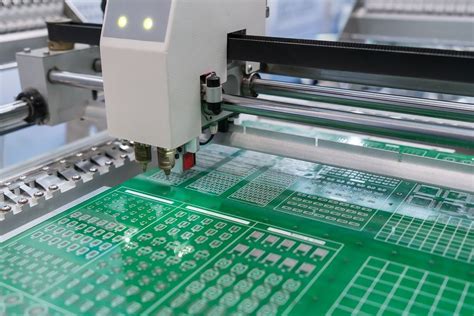
When it comes to flex PCB fabrication, various techniques play a crucial role in achieving the desired results. One of these fundamental methods is photo-etching, which utilizes a photochemical process to create intricate patterns on the substrate. This method allows for precise designs and is essential for reducing the PCB manufacturing cost since it optimizes material usage. Additionally, the deployment of laser cutting technology has gained momentum; this technique not only streamlines production but also enhances the flexibility of the circuits, as laser cutting can achieve complex geometries that traditional methods struggle with.
Moreover, companies specializing in PCB manufacturing often employ flexography for printing conductive traces, ensuring excellent adhesion and conductivity essential for high-performance applications. With the trend toward lightweight and flexible designs, mastering these techniques becomes imperative to remain competitive in the PCB manufacturing business. Understanding these manufacturing methods can significantly impact your choice of pcb manufacturing companies, allowing you to select partners who are innovating and adapting to meet modern design needs.
Ultimately, grasping these key techniques will empower you to leverage the advantages of flexible PCBs effectively, ensuring that your product development processes are both efficient and cutting-edge.
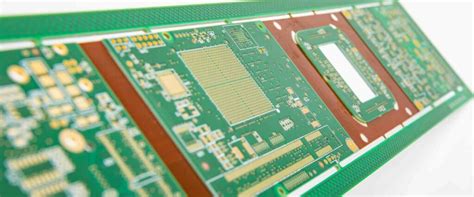
Advantages of Using Flex PCBs in Design
The integration of flexible PCBs into your design process can significantly transform the way you approach product development. By utilizing flex PCB fabrication, you gain access to a realm of design flexibility that allows for creative and innovative solutions. Flex PCBs can curve, twist, and fold to fit snugly into compact spaces, thereby optimizing the overall design and making it suitable for a variety of applications. This level of adaptability is particularly beneficial in industries such as electronics, automotive, and healthcare, where space is often at a premium.
Moreover, with pcb manufacturing costs becoming a critical factor for many projects, incorporating flex technology can lead to considerable savings. By reducing the number of interconnects required in your designs, you not only minimize the material used but also streamline the entire manufacturing process. Consequently, choosing the right pcb manufacturing companies that specialize in flex PCB production can enhance your project’s efficiency while ensuring high-quality results.
When weighing the advantages between traditional rigid boards and flex designs, consider how you might benefit from decreased weight and volume without compromising performance. This shift not only contributes to creating lightweight devices but also fosters more efficient power management within electronic components. As your pcb manufacturing business evolves with these advancements in tech, embracing flex PCB capabilities could position you ahead of competitors by offering innovative solutions tailored for future demands.
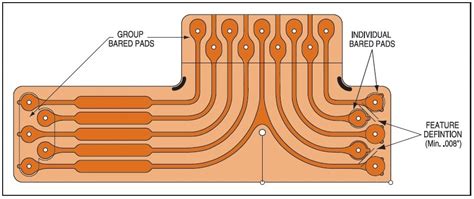
Design Flexibility: How Flex PCBs Enhance Innovation
When you consider the realm of flexible PCBs, you quickly realize that their design versatility significantly contributes to more innovative product development. Unlike traditional rigid boards, flex PCBs allow for distinctive shapes and forms, enabling the creation of compact devices that can fit into challenging spaces. This design flexibility is particularly beneficial for industries such as consumer electronics and wearable technology, where maximizing space without compromising functionality is crucial.
Utilizing flex PCB fabrication techniques enables the integration of various components in a single, lightweight assembly. This results in reduced PCB manufacturing cost, making it an appealing option for both startups and established PCB manufacturing companies aiming to optimize their production processes. The ability to bend and fold without losing performance ensures that your products can maintain high reliability, even under duress. With advancements in modern materials and processes, these flexible circuit boards support more complex designs that were previously unattainable through standard methods.
Moreover, as the demand for lightweight devices continues to rise, your choices in selecting a suitable PCB manufacturing business directly impact design outcomes. Choosing a partner with strong capabilities in flex PCB fabrication not only improves product innovation but also enhances overall performance while adhering to tight budgets and timelines in the increasingly competitive landscape of technology development. Ultimately, embracing these flexible solutions can pivotalize your offerings in the market, aiding your journey toward cutting-edge innovation while aligning with essential performance expectations.
Reducing Space and Weight: The Benefits of Flex PCBs
In the realm of PCB manufacturing, flexible printed circuit boards (Flex PCBs) stand out due to their ability to significantly reduce space and weight in various electronic applications. By utilizing lightweight materials and a flexible design, Flex PCBs enable engineers to create compact, innovative solutions that traditional rigid boards cannot achieve. This is especially advantageous in industries requiring miniaturization, such as consumer electronics and aerospace, where every millimeter counts. By collaborating with reputable PCB manufacturing companies, you can access the latest technologies that improve both the efficiency and the performance of your products. Furthermore, as your PCB manufacturing ventures grow, understanding the PCB manufacturing cost associated with these advanced designs will be essential for maintaining competitiveness in a saturated market. With the rise of flexible circuit technology, your PCB manufacturing business can benefit from this cutting-edge design flexibility—allowing for streamlined integration into intricate systems while reducing overall weight without compromising functionality. Adopting Flex PCBs may represent an initial investment, but their long-term advantages in saving space and enhancing product capabilities are undeniable, making them a strategic choice for modern electronic design.
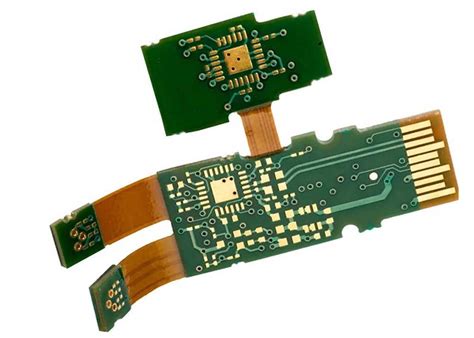
Seamless Integration: Enhancing Product Architecture with Flex PCBs
In today’s fast-paced electronics landscape, flexible printed circuit boards (Flex PCBs) have emerged as vital components that enable seamless integration of various systems. These PCBs offer outstanding versatility and adaptability that traditional rigid boards cannot match. By utilizing flexible materials, you can achieve a design that curves and bends, fitting into compact spaces without compromising functionality. The importance of this integration is not only reflected in product architecture but also underscores its relevance in the broader scope of pcb manufacturing.
When collaborating with reputable pcb manufacturing companies, you can explore cutting-edge techniques to further enhance this integration, allowing you to push the boundaries of innovation in product development. This seamless architecture supports innovative functionality from medical devices to consumer electronics, where space constraints are critical. The ability to incorporate components into a smaller footprint leads to a reduction in overall weight and bulkiness in the final product design.
As you consider engaging with different pcb manufacturing partners, it’s essential to evaluate the pcb manufacturing cost in relation to your unique project requirements. A well-planned approach can ensure that your pcb manufacturing business not only remains competitive but also excels by delivering products that stand out in the marketplace. Flex PCBs provide a unique solution that truly enhances seamless integration, making them a pivotal choice for modern electronic designs.
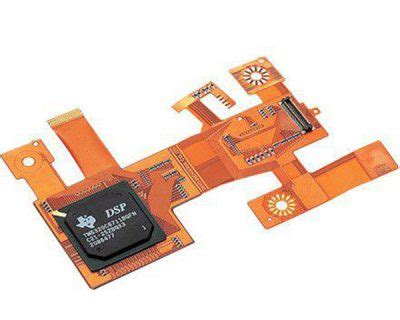
Common Applications of Flex and Rigid-Flex PCBs
Flex and rigid-flex PCBs have found a wide range of applications across various industries, thanks to their unique properties. These PCBs offer remarkable design flexibility, enabling engineers to create compact and lightweight products that can fit into challenging spaces. For example, in the medical industry, devices such as portable monitors and diagnostic equipment utilize flexible circuits, allowing for intricate designs that conform to the needs of modern healthcare products. Similarly, in the consumer electronics sector, products like smartphones and wearables benefit from flex PCB manufacturing, which allows for slimmer profiles without sacrificing functionality.
Moreover, the aerospace and automotive industries leverage rigid-flex boards to enhance performance under challenging conditions. The ability of these boards to withstand extreme temperatures while maintaining electrical integrity makes them ideal for mission-critical applications. As you explore these advancements, you will notice that many pcb manufacturing companies are increasingly investing in technologies that facilitate the production of these specialized circuits. Notably, understanding the pcb manufacturing cost is crucial; choosing a reliable manufacturer can significantly impact your overall budget while ensuring high quality.
In addition to traditional uses, emerging sectors like IoT (Internet of Things) are embracing these technologies to create interconnected devices that require both flexibility and durability. The ongoing evolution in applications highlights how flex and rigid-flex PCBs are redefining product architecture across industries, paving the way for innovation in your projects. By integrating these advanced circuits into your designs, you can further push the boundaries of what is possible within your own pcb manufacturing business.
Future Trends in Flex PCB Technology
As the demands of modern electronics continue to evolve, flex PCB fabrication is set to lead the way in innovative designs and applications. You will see advancements driven by emerging technologies such as the Internet of Things (IoT) and wearable devices that require flexible PCBs for their compact and lightweight constructions. These trends necessitate a shift toward more sophisticated pcb manufacturing techniques that facilitate higher performance while minimizing space and weight. Many pcb manufacturing companies are investing in research and development to enhance their capabilities, focusing on integrating multi-layer designs that maintain functionality without bulky supports.
As the pcb manufacturing cost influences your decision-making process, understanding these trends will empower you to select a provider that aligns with your project needs. The ongoing evolution in flex PCB technology will also enable improved stress resistance and longevity, confirming their status as a crucial component in future applications. By leveraging these advances, you can unlock additional design flexibility and functionality, making your products more competitive in the marketplace. In this rapidly changing environment, staying informed about future developments within the pcb manufacturing business landscape will be key for ensuring you’re ahead of the curve.
Conclusion
In summary, understanding flex PCB fabrication techniques is crucial for anyone involved in PCB manufacturing. As you explore the various aspects of this innovative manufacturing method, you will discover that flex PCBs not only provide significant design flexibility but also enable the development of compact and lightweight products. This is particularly important for industries where space is at a premium, allowing you to optimize your designs efficiently. Moreover, the seamless integration offered by flex PCBs enhances product architecture significantly, significantly boosting your project’s functionality and aesthetic appeal.
Investing in flex PCB manufacturing can be a strategic move for your PCB manufacturing business. With many PCB manufacturing companies now focusing on flexible solutions, finding a reliable partner can help streamline your production process and reduce overall PCB manufacturing costs. As you look to the future of product development, staying informed about advancements in flex technology can give you a competitive edge and ensure that you harness the full potential of what flexible circuit boards have to offer. This essential guide serves as a stepping stone for leveraging flex PCBs in your design projects, ultimately leading to innovative solutions that meet modern demands.
FAQs
What are flex PCBs?
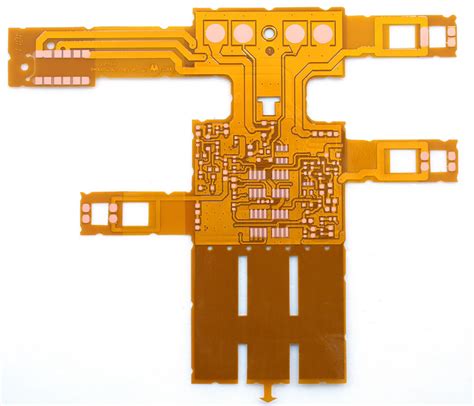
Flex PCBs, or flexible printed circuit boards, are thin and lightweight substrates that can bend and flex. They are designed for versatile electronic applications, allowing for innovative product designs.
How do I choose a PCB manufacturing company?
When selecting a pcb manufacturing company, consider their experience, technology capabilities, customer reviews, and whether they specialize in flex PCB fabrication. This ensures that they can meet your design specifications effectively.
What affects pcb manufacturing cost?
The pcb manufacturing cost can be influenced by factors such as the materials used, layer count, complexity of the design, and whether it’s a prototype or production run. Understanding these elements can help you budget accordingly.
Can I use flex PCBs in harsh environments?
Yes, flex PCBs can be designed to withstand harsh conditions by selecting appropriate materials and protective coatings. This makes them suitable for various applications in sectors like automotive and aerospace.
What are the benefits of using PCB manufacturing companies for flex designs?
Utilizing pcb manufacturing companies for your flex designs ensures access to expert knowledge in fabrication techniques. This expertise facilitates superior performance while accommodating the unique challenges presented by flexible circuits.
Explore Flex PCB Options Further
If you’re looking to delve deeper into flex PCB fabrication, please click here to discover various options tailored to your needs.