Essential Guide to Through Hole PCB Assembly Equipment
Key Takeaways
Through hole PCB assembly remains a vital process for manufacturing reliable electronic products. Understanding the pcba landscape can significantly improve the overall effectiveness of assembly operations. Key takeaways from exploring through hole PCB assembly equipment include an appreciation for precision in component placement, as the connection holes must align perfectly with the circuit board.
Additionally, implementing best practices such as regular calibration of assembly machines can enhance accuracy, while thorough training of personnel minimizes operational errors. Always consider the importance of high-quality materials in manufacturing processes; using substandard parts can lead to long-term repercussions on assembly reliability.
“Investing in quality equipment and training can not only optimize your processes but also increase product longevity.”
Moreover, it’s essential to stay informed about emerging technologies that may impact through hole design and manufacturing trends. Keeping abreast with the latest advancements ensures that production remains competitive and efficient. Adapting to these changes may require initial adjustments but will yield significant benefits in consistency and performance over time. By focusing on these key aspects, organizations can enhance their pcb assembly processes, ensuring a robust end product capable of meeting modern electronic demands.
Introduction to Through Hole PCB Assembly Equipment
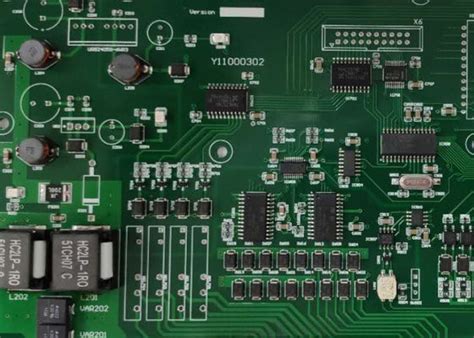
The world of PCB assembly is vast, and one of its fundamental techniques is through hole assembly. This method involves inserting electronic components through holes in a printed circuit board (PCB) and soldering them on the opposite side, ensuring a robust mechanical and electrical connection. The use of through hole PCB assembly equipment is essential for achieving reliable adhesion of the components, especially for larger components or those subject to mechanical stress.
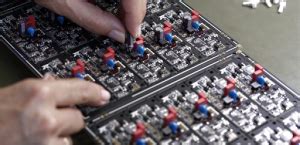
The process generally includes several stages: component insertion, soldering, and inspection. While many manufacturers incorporate automated systems for efficient operation, manual processes still play a vital role in ensuring precision, particularly in low-volume or specialized runs. Depending on the scale of production and design complexity, different types of equipment can be employed.
Here’s a brief overview of common types of equipment used in through hole PCBA:
| Equipment Type | Description |
|---|---|
| Component Inserters | Machines designed to insert components accurately into the board holes. |
| Wave Soldering Machines | Equipment used to solder multiple connections simultaneously by passing the PCB over a wave of molten solder. |
| Hand Soldering Tools | Used by technicians for precision work or repair tasks that require human oversight. |
Adopting and mastering these tools can lead to heightened operational efficiency and improved product reliability in the production line. Understanding how each piece fits into the larger assembly process is key to optimizing operations in through hole assembly manufacturing.
Incorporating best practices when utilizing these tools not only streamlines processes but also enhances quality control measures—ensuring that each PCB adheres to stringent standards necessary for today’s electronic devices. In conclusion, becoming adept at handling through hole PCB assembly equipment is crucial for any organization aiming to refine their production capabilities within the competitive landscape of modern electronics manufacturing.
Key Technologies in Through Hole PCB Assembly
In the realm of through hole PCB assembly, several key technologies play a critical role in ensuring the effectiveness and reliability of the process. One fundamental technology is the use of automated insertion systems, which greatly enhance speed and precision by mechanically placing components into pre-drilled holes on the PCB. These systems are often coupled with advanced soldering technologies, such as wave soldering or selective soldering, to provide consistent and robust connections. Another essential technology is reflow soldering, which is particularly beneficial for certain types of components that may be used alongside through hole parts in hybrid assemblies.
Furthermore, as designs evolve, manufacturers are increasingly adopting computational design tools and simulation software to predict performance outcomes before physical assembly occurs. This approach allows for optimization in layout and component placement, ultimately leading to improved reliability and space utilization on the PCBA (printed circuit board assembly).
Moreover, innovative materials play a significant role; for instance, using lead-free solder has become increasingly common due to regulatory requirements while maintaining solder joint integrity. The integration of these advanced technologies not only boosts efficiency in production but also addresses common challenges associated with through hole assembly, ensuring that high-quality standards are met consistently. As industries continue to advance toward smarter and more automated solutions, staying up-to-date with these key technologies will be vital for manufacturers aiming to achieve maximum efficacy in their PCB assembly processes.
Best Practices for Effective Assembly Processes
When it comes to pcb assembly, implementing best practices in the through hole PCB assembly process is crucial for achieving optimal results. Firstly, ensuring that all components are correctly oriented and securely placed is essential to prevent issues during later stages of the assembly. A thorough inspection of the design specifications can aid in minimizing errors and aligning components accurately. Utilizing specialized pcba equipment that features advanced automated inspection systems can significantly enhance the reliability of the assembly process.
Moreover, maintaining a clean and organized workspace is vital for efficiency. It reduces the risk of contamination, which can lead to faulty connections or short circuits. Training operators on best practices also plays a key role; they should be familiar with both the equipment and techniques employed in through hole assembly. Regularly updating skills through training workshops ensures that your team stays abreast of industry standards and innovations.
Furthermore, integrating effective communication between team members fosters collaboration and reduces misunderstandings that can arise during assembly. Establishing a feedback loop where operators can share insights about potential improvements is equally important, as it encourages a culture of continuous enhancement. By focusing on these best practices, companies can ensure their through hole PCB assemblies meet high standards of quality and reliability while optimizing efficiency throughout the production cycle.
Essential Tips for Optimizing Assembly Efficiency
To achieve optimal pcb assembly efficiency, several key strategies should be implemented throughout the assembly process. First, it is crucial to ensure that all materials and pcba components are organized and easily accessible. This minimizes downtime, allowing assembly personnel to work more quickly and consistently. Additionally, utilizing high-quality through hole PCB assembly equipment can significantly improve precision and reduce errors during the soldering phase. Regular training sessions for assembly workers are essential; they empower the team with the best practices and techniques to facilitate effective operation of the equipment.
Another important aspect is to conduct routine inspections of both the assembly process and the assembled pcb assemblies. By identifying potential issues early on, teams can address them before they escalate into more significant problems that impact efficiency. Implementing automation where possible can also enhance speed without sacrificing quality; however, balancing automation with skilled manual labor is vital, as some tasks require fine motor skills that machines cannot replicate.
Finally, maintain a feedback loop for continuous improvement. Collect input from operators about challenges they encounter on the floor and utilize this information to refine practices or upgrade equipment as needed. Adopting these tips will ultimately lead to improved reliability in products while fostering a more efficient environment in through hole PCB assembly operations.
Common Challenges and Solutions in Through Hole Assembly
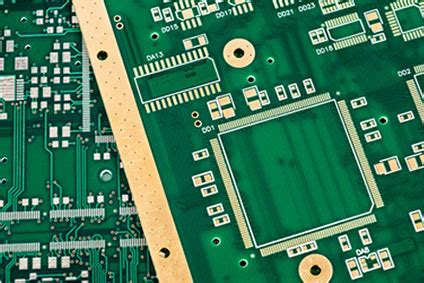
Through hole assembly, often referred to as pcb assembly, presents several challenges that can impact the efficiency and reliability of the final product. One of the most significant issues is achieving a proper fit between the component leads and the holes in the printed circuit board. Inconsistent hole sizes or misaligned components can lead to defective joints, compromising the overall functionality of the pcba. To address this, it’s crucial to utilize precision drilling techniques and ensure thorough quality checks during the manufacturing process.
Another common challenge is solder joint quality, as poor soldering can result in cold joints or solder bridging. Implementing automated soldering techniques can enhance the precision and consistency of these joints. Using reliable materials that provide excellent conductivity and durability is also vital for maintaining high standards of performance.
Furthermore, thermal management during assembly can be an issue, particularly for heat-sensitive components. Incorporating improved cooling systems and carefully monitoring thermal profiles throughout production can mitigate this risk. Employing new technologies such as thermal imaging can also help identify potential problems before they escalate.
Lastly, ensuring effective communication among team members throughout the assembly process is essential. Establishing clear protocols for reporting issues and sharing insights can significantly reduce errors and foster a more cohesive assembly environment. By proactively addressing these common challenges in through hole assembly, manufacturers can optimize their processes, leading to enhanced efficiency and reliability in their pcb assembly endeavors.
Maintenance and Troubleshooting of Assembly Equipment
Proper maintenance and effective troubleshooting of pcb assembly equipment are crucial for ensuring long-term efficiency and reliability in the assembly process. Regular maintenance routines should be established, including cleaning, lubrication, and inspection of critical components. This not only helps in preventing breakdowns but also extends the lifespan of the machinery. In case of equipment malfunction, a systematic approach to troubleshooting is essential. Start by identifying common issues such as component misalignment or inconsistent soldering results, which can significantly affect the quality of the pcba. Utilizing diagnostic tools can aid in pinpointing defects quickly. When problems arise, maintaining a comprehensive log can be beneficial for tracking recurring issues. Implementing effective maintenance schedules based on manufacturer recommendations will facilitate optimal performance, ensuring that your pcb assembly process remains efficient. Moreover, training staff on routine checks and simple repairs can empower your team to respond promptly to minor disturbances before they escalate into major failures. In this way, both maintenance and troubleshooting form integral parts of sustaining the productivity of your through hole PCB assembly operations.
Future Trends in Through Hole PCB Technology
As technology continues to evolve, through hole PCB assembly is set to witness several transformative trends that will enhance its capabilities and efficiency. One notable trend is the integration of automation in the pcba process. Automated systems can significantly reduce labor costs and increase precision, leading to higher-quality assemblies. Manufacturers are increasingly adopting advanced robotics and automated testing systems to streamline production and detect defects early in the assembly line.
Additionally, the materials used in pcb assembly are also advancing. New materials that offer better thermal conductivity and electrical performance are being explored, aiming to improve the reliability of through hole PCB assemblies in various applications, particularly those requiring high-performance specifications, such as in aerospace and automotive industries.
Furthermore, there is a strong push toward miniaturizing components while maintaining their performance capabilities. This trend not only allows for compact designs but also paves the way for innovative product developments. Coupled with this is the increased focus on sustainability, with many manufacturers seeking environmentally friendly materials and processes that minimize waste.
Lastly, as consumer demand for smarter electronics rises, the need for integration of technologies such as Internet of Things (IoT) functionalities into pcba will grow. This demands significant advancements in design techniques and assembly methodologies to accommodate new requirements while optimizing for durability and performance.
Overall, these forward-looking trends signify a dynamic evolution in through hole technology that promises enhanced efficiency, quality, and sustainability for future pcb assemblies.
Conclusion
The exploration of through hole PCB assembly equipment reveals its critical role in achieving high-quality PCB assembly. As industries continue to demand greater reliability and efficiency, understanding the nuances of pcba processes becomes increasingly important. By embracing the key technologies associated with through hole assembly and adhering to best practices, manufacturers can significantly streamline their operations. Furthermore, addressing common challenges and implementing effective maintenance strategies ensure that equipment remains in optimal condition, ready to deliver consistent performance.
Ultimately, as advancements continue to unfold within the field, the importance of staying informed about future trends in through hole PCB technology cannot be overstated. This ongoing knowledge not only equips professionals to enhance their assembly processes but also fosters an environment for innovation and improved product standards. A commitment to learning and adapting in this ever-evolving landscape will be paramount for those striving for excellence in pcb assembly and overall operational effectiveness.
FAQs
What is through hole PCB assembly?
Through hole PCB assembly refers to a method where electronic components are inserted into holes drilled in a printed circuit board (PCB) and soldered on the opposite side. This technique is essential for ensuring a robust connection, particularly for components that experience mechanical stress.
What are the advantages of using through hole PCB assembly compared to surface mount technology (SMT)?
The primary advantages of through hole assembly include better mechanical strength and the ability to handle larger components. Additionally, through hole PCBA allows for easier manual soldering and rework on prototypes and customized projects.
What equipment is required for through hole PCB assembly?
Typical equipment includes drilling machines for creating holes, soldering stations (manual or automated), wave soldering machines, and inspection tools. Each piece of equipment plays a crucial role in ensuring quality during the pcb assembly process.
How can I optimize my through hole PCB assembly process?
To optimize your PCBA process, focus on proper layout design, use of high-quality materials, regular maintenance of your equipment, and proper training for operators. Each of these measures contributes to improving overall efficiency and reducing the potential for defects.
What are common challenges faced in through hole assembly?
Common challenges include uneven heat distribution during soldering, difficulty in aligning components accurately, and potential damage during reflow processes. Understanding these issues helps in implementing effective solutions during the pcb assembly operations.
For further information about improving your PCBA, please click here: Essential Guide to PCB Assembly