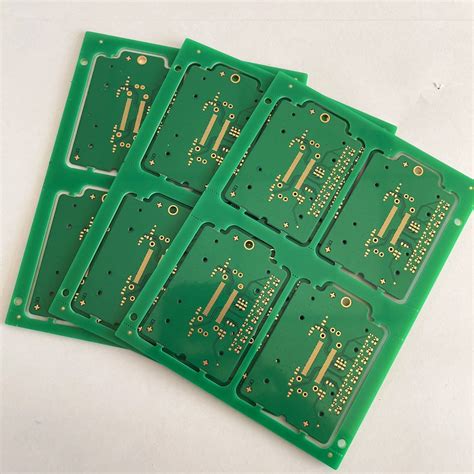
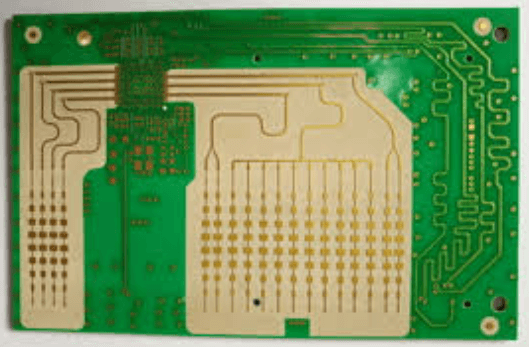
Europe pcb assembly
Innovations In European PCB Assembly Techniques
In recent years, the landscape of printed circuit board (PCB) assembly in Europe has undergone significant transformations, driven by a wave of innovations that have reshaped the industry. These advancements are not only enhancing the efficiency and precision of PCB assembly processes but are also positioning Europe as a leader in the global electronics manufacturing sector. As the demand for more sophisticated electronic devices continues to grow, European manufacturers are increasingly adopting cutting-edge techniques to meet these evolving needs.
One of the most notable innovations in European PCB assembly is the integration of automation and robotics.
Automation has revolutionized the assembly process by significantly reducing human error and increasing production speed. Robotic systems are now capable of performing intricate tasks with high precision, such as placing tiny components on PCBs with remarkable accuracy. This shift towards automation not only improves the quality of the final product but also reduces production costs, making European manufacturers more competitive on the global stage.
In addition to automation, the adoption of advanced materials and technologies is playing a crucial role in the evolution of PCB assembly in Europe.
For instance, the use of flexible PCBs is becoming increasingly popular due to their ability to bend and conform to various shapes, which is essential for modern electronic devices that require compact and versatile designs. Furthermore, the development of high-density interconnect (HDI) technology has enabled the production of smaller, more powerful PCBs by allowing for more components to be packed into a limited space. This is particularly beneficial for industries such as telecommunications and consumer electronics, where space and performance are critical considerations.
Moreover, the emphasis on sustainability and environmental responsibility is driving innovation in PCB assembly techniques across Europe.
Manufacturers are increasingly adopting eco-friendly practices, such as using lead-free soldering materials and implementing recycling programs for electronic waste. These efforts not only reduce the environmental impact of PCB production but also align with the stringent regulatory standards set by the European Union. By prioritizing sustainability, European PCB manufacturers are not only contributing to a greener future but are also enhancing their reputation and appeal to environmentally conscious consumers.
Another significant trend in European PCB assembly is the rise of Industry 4.0 technologies, which are transforming traditional manufacturing processes into smart, interconnected systems.
The implementation of the Internet of Things (IoT), artificial intelligence (AI), and big data analytics is enabling manufacturers to optimize their operations by providing real-time insights into production processes. This allows for predictive maintenance, improved quality control, and more efficient resource management, ultimately leading to higher productivity and reduced downtime.
Furthermore, the collaboration between European PCB manufacturers and research institutions is fostering innovation and driving the development of new assembly techniques.
By working closely with academic and research organizations, manufacturers are able to access cutting-edge technologies and expertise, which can be leveraged to enhance their production capabilities. This collaborative approach not only accelerates the pace of innovation but also ensures that European manufacturers remain at the forefront of the global PCB assembly industry.
In conclusion, the innovations in European PCB assembly techniques are reshaping the industry by enhancing efficiency, precision, and sustainability. Through the integration of automation, advanced materials, and Industry 4.0 technologies, European manufacturers are well-positioned to meet the growing demand for sophisticated electronic devices. As these trends continue to evolve, Europe is set to maintain its leadership in the global electronics manufacturing sector, driving further advancements and setting new standards for PCB assembly worldwide.
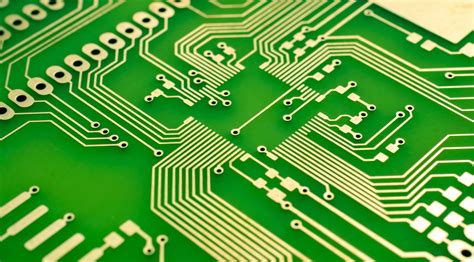
The Role Of Automation In Europe’s PCB Manufacturing
The role of automation in Europe’s PCB manufacturing sector has become increasingly significant as the industry strives to meet the demands of a rapidly evolving technological landscape. Printed Circuit Boards (PCBs) are the backbone of modern electronic devices, and their efficient production is crucial for maintaining Europe’s competitive edge in the global market. As the complexity and miniaturization of electronic components continue to advance, the integration of automation in PCB assembly processes has emerged as a pivotal factor in enhancing productivity, precision, and cost-effectiveness.
To begin with, automation in PCB manufacturing facilitates a higher degree of precision and consistency, which are essential for producing high-quality electronic components.
Automated systems, such as pick-and-place machines, are capable of placing components on a PCB with remarkable accuracy, significantly reducing the likelihood of human error. This precision is particularly important as the industry moves towards smaller and more intricate designs, where even the slightest misalignment can lead to functional failures. Moreover, automated inspection systems, including optical and X-ray inspection technologies, ensure that defects are identified and rectified early in the production process, thereby minimizing waste and rework.
In addition to enhancing precision, automation also plays a crucial role in increasing the efficiency of PCB manufacturing.
Automated assembly lines can operate continuously, significantly reducing production times compared to manual processes. This increased throughput is vital for meeting the growing demand for electronic devices, particularly in sectors such as telecommunications, automotive, and consumer electronics. Furthermore, automation allows for greater flexibility in production, enabling manufacturers to quickly adapt to changes in design specifications or production volumes without significant downtime.
Cost-effectiveness is another key advantage of automation in PCB assembly.
While the initial investment in automated equipment can be substantial, the long-term savings in labor costs and material waste often outweigh these expenses. Automated systems require fewer human operators, reducing labor costs and the potential for human-related errors. Additionally, the precision and efficiency of automated processes lead to less material waste, further contributing to cost savings. As a result, European PCB manufacturers can offer competitive pricing while maintaining high standards of quality.
Moreover, the integration of automation in PCB manufacturing aligns with Europe’s broader goals of sustainability and environmental responsibility.
Automated systems are typically more energy-efficient than manual processes, reducing the carbon footprint of PCB production. Additionally, the precision and consistency of automated assembly minimize material waste, contributing to more sustainable manufacturing practices. As environmental regulations become increasingly stringent, the adoption of automation in PCB manufacturing positions European companies to meet these requirements while maintaining their competitive edge.
In conclusion, the role of automation in Europe’s PCB manufacturing sector is multifaceted, offering significant benefits in terms of precision, efficiency, cost-effectiveness, and sustainability. As the demand for advanced electronic devices continues to grow, the integration of automated systems in PCB assembly processes will be crucial for European manufacturers to remain competitive in the global market. By embracing automation, the industry can not only enhance its production capabilities but also contribute to broader goals of sustainability and technological innovation. As such, automation is not merely an option but a necessity for the future of PCB manufacturing in Europe.
Sustainable Practices In European PCB Assembly
In recent years, the European printed circuit board (PCB) assembly industry has increasingly embraced sustainable practices, reflecting a broader commitment to environmental responsibility and resource efficiency. This shift is driven by a combination of regulatory pressures, consumer demand for greener products, and the industry’s own recognition of the long-term benefits of sustainability. As a result, European PCB manufacturers are adopting innovative strategies to minimize their environmental impact while maintaining high standards of quality and performance.
One of the primary ways in which European PCB assembly companies are enhancing sustainability is through the reduction of hazardous substances.
The Restriction of Hazardous Substances (RoHS) Directive, which limits the use of specific hazardous materials in electronic products, has been a significant catalyst in this regard. By complying with RoHS and similar regulations, manufacturers are not only reducing the environmental and health risks associated with toxic substances but also ensuring that their products are more easily recyclable at the end of their lifecycle.
In addition to regulatory compliance, many European PCB assembly firms are investing in cleaner production technologies
For instance, the adoption of lead-free soldering processes has become widespread, significantly reducing the environmental impact of PCB manufacturing. Lead-free soldering not only aligns with RoHS requirements but also contributes to improved workplace safety and reduced waste. Furthermore, advancements in surface-mount technology (SMT) have enabled more efficient use of materials and energy, further enhancing the sustainability of PCB assembly operations.
Energy efficiency is another critical area where European PCB assembly companies are making strides.
By optimizing production processes and investing in energy-efficient equipment, manufacturers are able to reduce their carbon footprint and lower operational costs. The integration of renewable energy sources, such as solar and wind power, into manufacturing facilities is also becoming more common, reflecting a broader trend towards sustainable energy use across the industry.
Moreover, the European PCB assembly sector is increasingly focusing on the circular economy, which emphasizes the importance of resource recovery and waste minimization. Companies are implementing strategies to extend the lifespan of their products, such as designing for disassembly and repairability. This approach not only reduces waste but also creates opportunities for new business models, such as product-as-a-service, where customers lease rather than purchase electronic devices.
Recycling and material recovery are also integral components of sustainable PCB assembly practices.
By reclaiming valuable materials from end-of-life products, manufacturers can reduce their reliance on virgin resources and decrease the environmental impact of mining and material extraction. Advanced recycling technologies are being developed to efficiently separate and recover metals, plastics, and other materials from PCBs, further supporting the industry’s sustainability goals.
In conclusion, the European PCB assembly industry is making significant progress in adopting sustainable practices, driven by a combination of regulatory requirements, technological advancements, and a growing awareness of environmental issues.
By reducing hazardous substances, improving energy efficiency, embracing the circular economy, and investing in recycling technologies, European PCB manufacturers are not only enhancing their environmental performance but also positioning themselves as leaders in the global electronics industry. As these efforts continue to evolve, the European PCB assembly sector is likely to serve as a model for sustainable manufacturing practices worldwide, demonstrating that economic success and environmental stewardship can go hand in hand.
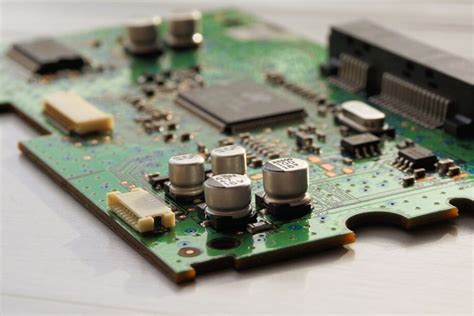
Challenges And Opportunities In The European PCB Market
The European printed circuit board (PCB) assembly market is a dynamic sector characterized by both significant challenges and promising opportunities. As the backbone of modern electronic devices, PCBs are crucial to the functioning of a wide array of products, from consumer electronics to industrial machinery. In Europe, the PCB assembly industry is navigating a complex landscape shaped by technological advancements, regulatory requirements, and global competition.
One of the primary challenges facing the European PCB assembly market is the intense competition from Asian manufacturers.
Countries like China and Taiwan have established themselves as dominant players in the global PCB industry, largely due to their ability to offer lower production costs. This cost advantage is primarily driven by economies of scale, lower labor costs, and government incentives. Consequently, European manufacturers often find it difficult to compete on price alone, necessitating a focus on other differentiating factors such as quality, innovation, and customer service.
In addition to competitive pressures, the European PCB assembly market must also contend with stringent regulatory standards.
The European Union has implemented a range of directives aimed at ensuring environmental sustainability and consumer safety, such as the Restriction of Hazardous Substances (RoHS) and the Waste Electrical and Electronic Equipment (WEEE) directives. While these regulations are essential for protecting the environment and public health, they also impose additional compliance costs on manufacturers. Companies must invest in research and development to create products that meet these standards, which can be a significant financial burden, particularly for small and medium-sized enterprises.
Despite these challenges, the European PCB assembly market is ripe with opportunities.
One of the most promising areas is the growing demand for advanced PCBs in emerging technologies. The rise of the Internet of Things (IoT), 5G networks, and electric vehicles is driving the need for more sophisticated and reliable PCBs. European manufacturers, known for their high-quality engineering and innovation, are well-positioned to capitalize on this trend by developing cutting-edge solutions that meet the specific needs of these burgeoning sectors.
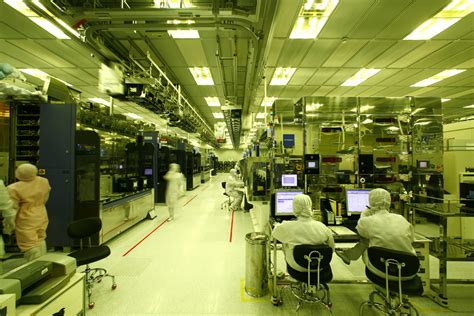
Moreover, the increasing focus on sustainability presents another opportunity for European PCB manufacturers.
As consumers and businesses become more environmentally conscious, there is a growing demand for eco-friendly products. European companies can leverage their expertise in sustainable manufacturing practices to differentiate themselves from competitors and capture a larger share of the market. By investing in green technologies and processes, they can not only comply with regulatory requirements but also appeal to a broader customer base that values sustainability.
Furthermore, the European PCB assembly market can benefit from the region’s strong emphasis on research and development.
Europe is home to some of the world’s leading research institutions and technology companies, providing a fertile ground for innovation. By fostering collaborations between academia and industry, European manufacturers can accelerate the development of new technologies and maintain a competitive edge in the global market.
In conclusion, while the European PCB assembly market faces significant challenges, it also holds substantial opportunities for growth and innovation. By focusing on quality, sustainability, and technological advancement, European manufacturers can overcome competitive pressures and regulatory hurdles. As the demand for advanced PCBs continues to rise, the European market is well-positioned to play a pivotal role in shaping the future of the global electronics industry.