Extruded Aluminum PCB Enclosures: Design, Benefits, and Applications
Introduction
Printed Circuit Board (PCB) enclosures play a crucial role in protecting electronic components from environmental factors such as dust, moisture, heat, and mechanical damage. Among the various enclosure materials available, extruded aluminum has gained significant popularity due to its durability, thermal management properties, and ease of customization.
Extruded aluminum PCB enclosures are widely used in industries such as telecommunications, automotive, industrial automation, and consumer electronics. This article explores the design aspects, benefits, manufacturing process, and key applications of extruded aluminum enclosures for PCBs.
What is an Extruded Aluminum PCB Enclosure?
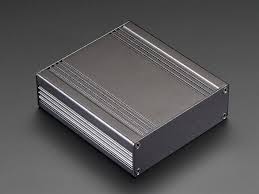
An extruded aluminum enclosure is a protective casing made from aluminum alloy, formed through an extrusion process. The extrusion method involves forcing heated aluminum through a die to create a continuous profile with a consistent cross-section. These enclosures are then cut to the desired length and machined to accommodate PCBs, connectors, and other components.
Extruded aluminum enclosures offer an excellent balance of strength, weight, and thermal conductivity, making them ideal for housing sensitive electronic circuits.
Design Considerations for Extruded Aluminum PCB Enclosures
1. Material Selection
Aluminum alloys such as 6061 and 6063 are commonly used for PCB enclosures due to their:
- High strength-to-weight ratio – Provides durability without excessive weight.
- Corrosion resistance – Suitable for harsh environments.
- Thermal conductivity – Helps dissipate heat generated by electronic components.
2. Thermal Management
One of the primary advantages of aluminum enclosures is their ability to conduct and dissipate heat. Design features that enhance thermal performance include:
- Heat sinks – Integrated fins or extruded heat sink profiles.
- Ventilation slots – Allows airflow while protecting against dust and debris.
- Thermal pads – Improves heat transfer from PCBs to the enclosure.
3. EMI/RFI Shielding
Electromagnetic interference (EMI) and radio frequency interference (RFI) can disrupt electronic circuits. Aluminum enclosures provide natural shielding, but additional measures may include:
- Conductive gaskets – Ensures tight seals at joints.
- Anodized coatings – Enhances corrosion resistance and electrical insulation.
4. Customization and Machining
Extruded aluminum enclosures can be easily customized with:
- Precision cutouts – For buttons, displays, connectors, and cooling fans.
- Threaded inserts – Simplifies assembly and mounting.
- Surface finishes – Anodizing, powder coating, or painting for aesthetics and protection.
5. IP Ratings and Environmental Protection
Depending on the application, enclosures may need to meet Ingress Protection (IP) standards:
- IP65 – Dust-tight and protected against water jets.
- IP67 – Waterproof up to 1 meter immersion.
- IP69K – Resistant to high-pressure, high-temperature washdowns.
Manufacturing Process of Extruded Aluminum Enclosures
1. Extrusion
- Aluminum billets are heated (~400-500°C) and pushed through a die to form the desired profile.
- The extruded profile is cooled and cut to length.
2. Machining
- CNC machining is used to create precise cutouts, holes, and mounting features.
- Threading and tapping for screws and fasteners.
3. Surface Treatment
- Anodizing – Improves corrosion resistance and allows for colored finishes.
- Powder coating – Provides additional durability and aesthetic options.
- Bead blasting – Creates a matte finish for a professional look.
4. Assembly
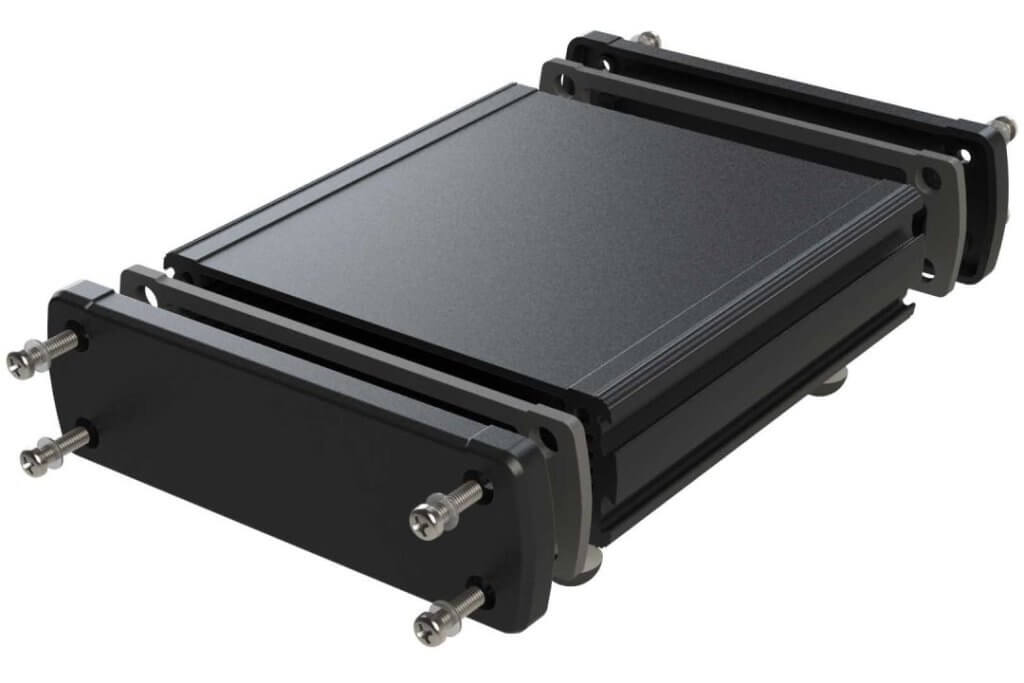
- Enclosure halves are joined using screws, hinges, or snap-fit mechanisms.
- Gaskets and seals are added for waterproofing.
Advantages of Extruded Aluminum PCB Enclosures
1. Superior Heat Dissipation
Aluminum’s high thermal conductivity (≈200 W/m·K) helps prevent overheating, extending the lifespan of electronic components.
2. Lightweight Yet Durable
Compared to steel, aluminum is lighter while still offering excellent structural integrity.
3. Customizable and Scalable
Extrusion allows for complex profiles that can be easily modified for different applications.
4. Cost-Effective for High-Volume Production
The extrusion process is efficient for mass production, reducing per-unit costs.
5. EMI/RFI Shielding
Aluminum naturally blocks electromagnetic interference, making it ideal for sensitive electronics.
6. Corrosion Resistance
Anodized or coated aluminum resists rust and degradation in harsh environments.
Applications of Extruded Aluminum PCB Enclosures
1. Industrial Electronics
- Motor controllers, PLCs, and automation systems benefit from aluminum’s ruggedness and heat dissipation.
2. LED Lighting
- High-power LED drivers and fixtures require effective thermal management.
3. Telecommunications
- Network switches, routers, and 5G infrastructure use aluminum enclosures for EMI shielding and cooling.
4. Automotive Electronics
- Battery management systems (BMS), EV charging stations, and onboard computers.
5. Renewable Energy Systems
- Solar inverters and power converters housed in weather-resistant aluminum enclosures.
6. Consumer Electronics
- Gaming consoles, audio amplifiers, and IoT devices benefit from sleek, lightweight designs.
Conclusion
Extruded aluminum PCB enclosures offer an optimal combination of durability, thermal management, and customization, making them a preferred choice for a wide range of electronic applications. Their ability to dissipate heat, shield against EMI, and withstand harsh environments ensures reliable performance in industrial, automotive, and consumer electronics.
As technology advances, the demand for lightweight, high-performance enclosures will continue to grow, further solidifying extruded aluminum’s role in electronic housing solutions. Manufacturers and designers should leverage the benefits of aluminum extrusion to create innovative, efficient, and long-lasting PCB enclosures.
By understanding the design considerations, manufacturing processes, and key advantages, engineers can make informed decisions when selecting enclosures for their electronic projects. Extruded aluminum remains a versatile and cost-effective solution for modern PCB protection needs.