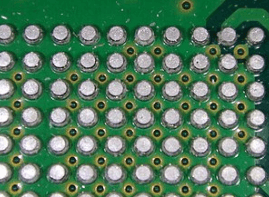
Flex board pcb
Advantages Of Using Flex Board PCB In Modern Electronics
Flex board printed circuit boards (PCBs) have become increasingly prevalent in modern electronics, offering a multitude of advantages that make them indispensable in various applications.
One of the primary benefits of flex board PCBs is their inherent flexibility,
which allows them to be bent, folded, and twisted without compromising their functionality.
This characteristic is particularly advantageous in devices where space constraints are a significant concern, such as in smartphones, wearable technology, and medical devices. By enabling more compact and intricate designs, flex board PCBs contribute to the miniaturization of electronic devices, thereby enhancing their portability and user convenience.
In addition to their flexibility, flex board PCBs are known for their durability and reliability.
The materials used in their construction, such as polyimide or polyester films, are resistant to extreme temperatures, chemicals, and moisture. This resilience ensures that the PCBs can withstand harsh operating conditions, making them suitable for use in automotive, aerospace, and industrial applications. Furthermore, the reduced number of connectors and solder joints in flex board PCBs minimizes the risk of connection failures, thereby enhancing the overall reliability of the electronic device.
Another significant advantage of flex board PCBs is their ability to reduce weight and volume.
Traditional rigid PCBs often require additional connectors and cables to establish connections between different components, which can add to the overall weight and bulk of the device. In contrast, flex board PCBs can integrate multiple layers and components into a single, lightweight structure. This reduction in weight and volume is particularly beneficial in applications where every gram counts, such as in aerospace and portable consumer electronics.
Moreover, flex board PCBs offer improved signal integrity and performance.
The ability to design circuits with precise impedance control and shorter signal paths reduces the likelihood of signal loss and electromagnetic interference. This is especially critical in high-frequency applications, where maintaining signal integrity is paramount. As a result, devices that utilize flex board PCBs can achieve higher performance and reliability, which is essential in telecommunications, data transmission, and high-speed computing.
The versatility of flex board PCBs also extends to their design and manufacturing processes.
They can be designed in various shapes and sizes to fit specific applications, providing greater design freedom for engineers. Additionally, the manufacturing process of flex board PCBs can be more cost-effective compared to traditional rigid PCBs. The ability to produce complex circuits in a single, continuous piece reduces the need for multiple manufacturing steps and assembly processes, thereby lowering production costs and time.
Furthermore, the environmental impact of flex board PCBs is generally lower than that of rigid PCBs.
The materials used in flex board PCBs are often more environmentally friendly, and the reduced need for additional connectors and cables results in less electronic waste. This aligns with the growing emphasis on sustainability and eco-friendly practices in the electronics industry.
In conclusion, the advantages of using flex board PCBs in modern electronics are manifold. Their flexibility, durability, reduced weight and volume, improved signal integrity, design versatility, cost-effectiveness, and lower environmental impact make them a superior choice for a wide range of applications. As technology continues to advance, the adoption of flex board PCBs is likely to increase, further driving innovation and efficiency in the electronics industry.
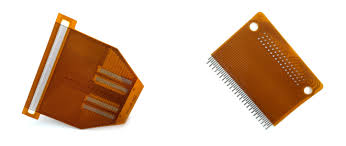
Design Tips For Creating Efficient Flex Board PCB Layouts
Designing efficient flex board PCB layouts requires a meticulous approach to ensure both functionality and durability. Flex boards, known for their ability to bend and twist, are increasingly used in applications where space constraints and mechanical flexibility are paramount. To create an effective layout, several key considerations must be taken into account, starting with understanding the unique properties of flexible PCBs.
Firstly, material selection is crucial.
Flex boards are typically made from polyimide, which offers excellent thermal stability and mechanical strength. However, the choice of adhesive and copper foil also plays a significant role in the board’s performance. Ensuring that these materials are compatible and can withstand the intended operating environment is essential. For instance, high-temperature applications may require specialized adhesives that do not degrade under prolonged heat exposure.
Transitioning to the layout design, it is important to consider the bend radius of the flex board.
A common mistake is to design traces that are too close to the bend areas, which can lead to cracking and eventual failure. To mitigate this, designers should maintain a safe distance between the traces and the bend lines, typically at least three times the thickness of the flex board. Additionally, using curved traces instead of sharp angles can distribute stress more evenly, further enhancing the board’s durability.
Another critical aspect is the stack-up configuration.
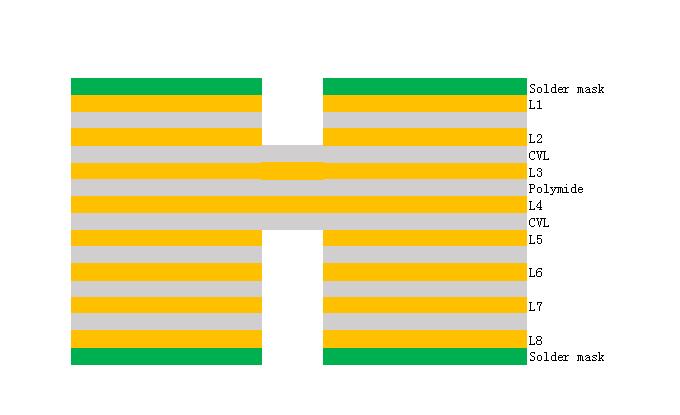
Flex boards can be single-sided, double-sided, or multi-layered, each with its own set of design rules. For multi-layered flex boards, it is advisable to use symmetrical stack-ups to prevent warping during the manufacturing process. Moreover, incorporating stiffeners in areas that require additional support can help maintain the board’s integrity without compromising its flexibility.
Signal integrity is another factor that cannot be overlooked.
High-speed signals are particularly susceptible to interference and signal loss in flexible circuits. To address this, designers should employ controlled impedance techniques and ensure proper grounding. Using ground planes and maintaining consistent trace widths can significantly reduce electromagnetic interference (EMI) and crosstalk. Additionally, placing decoupling capacitors close to the power supply pins can help stabilize the voltage levels, further enhancing signal integrity.
Thermal management is equally important in flex board design.
Flexible PCBs often operate in confined spaces where heat dissipation can be challenging. To mitigate thermal issues, designers can use thermal vias to transfer heat away from critical components. Additionally, spreading out heat-generating components and using thermal relief pads can help manage the board’s temperature more effectively.
Manufacturability is another consideration that should be integrated into the design process from the outset.
Working closely with the PCB manufacturer can provide valuable insights into the limitations and capabilities of the production process. For example, understanding the minimum trace width and spacing that the manufacturer can achieve will help in creating a design that is both functional and manufacturable. Furthermore, incorporating test points and designing for ease of assembly can streamline the production process and reduce costs.
In conclusion, designing efficient flex board PCB layouts involves a comprehensive understanding of material properties, mechanical constraints, signal integrity, thermal management, and manufacturability. By carefully considering these factors and employing best practices, designers can create flexible PCBs that meet the demands of modern electronic applications while ensuring reliability and performance.

Common Applications Of Flex Board PCB In Various Industries
Flex board PCBs, also known as flexible printed circuit boards, have become increasingly prevalent across various industries due to their unique properties and versatile applications. These flexible circuits are designed to bend and flex, offering a level of adaptability that traditional rigid PCBs cannot match. As a result, they have found their way into numerous sectors, each leveraging the distinct advantages of flex board PCBs to enhance performance, reduce space, and improve reliability.
One of the primary industries benefiting from flex board PCBs is the consumer electronics sector.
In this fast-paced industry, the demand for smaller, lighter, and more efficient devices is ever-growing. Flexible PCBs are integral to the design of modern smartphones, tablets, and wearable technology. Their ability to conform to the intricate shapes and contours of these devices allows for more compact and innovative designs. Moreover, the flexibility of these circuits contributes to the durability of consumer electronics, as they can withstand the constant bending and twisting that occurs during everyday use.
Transitioning to the automotive industry, flex board PCBs play a crucial role in the development of advanced vehicle systems.
Modern automobiles are equipped with a myriad of electronic components, from infotainment systems to advanced driver-assistance systems (ADAS). Flexible PCBs are used in these applications due to their ability to fit into tight spaces and endure the harsh conditions within a vehicle, such as extreme temperatures and vibrations. This adaptability not only enhances the performance of automotive electronics but also contributes to the overall safety and reliability of the vehicle.
In the medical field, the use of flex board PCBs is equally significant.
Medical devices often require compact and reliable electronic components to function effectively. Flexible PCBs are employed in a variety of medical applications, including diagnostic equipment, wearable health monitors, and implantable devices. Their flexibility allows for the creation of smaller, more comfortable devices that can be worn or implanted with minimal discomfort to the patient. Additionally, the reliability of flex board PCBs ensures that these critical medical devices operate consistently and accurately, which is paramount in healthcare settings.
The aerospace industry also capitalizes on the advantages of flex board PCBs.
Aircraft and spacecraft systems demand highly reliable and lightweight components to ensure optimal performance and safety. Flexible PCBs are used in avionics, communication systems, and various control systems within these vehicles. Their ability to withstand extreme conditions, such as high altitudes and intense vibrations, makes them an ideal choice for aerospace applications. Furthermore, the lightweight nature of flexible PCBs contributes to the overall reduction in weight, which is a critical factor in aerospace engineering.
Lastly, the industrial sector benefits from the implementation of flex board PCBs in automation and control systems.
Industrial machinery and equipment often operate in demanding environments where durability and reliability are essential. Flexible PCBs are used in sensors, control panels, and other electronic components within these systems. Their robustness and ability to fit into compact spaces enhance the efficiency and longevity of industrial equipment, leading to reduced downtime and maintenance costs.
In conclusion, the common applications of flex board PCBs across various industries highlight their versatility and indispensability. From consumer electronics to automotive, medical, aerospace, and industrial sectors, flexible PCBs offer unique advantages that drive innovation and improve performance. As technology continues to advance, the role of flex board PCBs is likely to expand further, solidifying their importance in the modern technological landscape.
Comparing Flex Board PCB To Traditional Rigid PCB
Flex board PCBs, also known as flexible printed circuit boards, have emerged as a significant innovation in the electronics industry, offering distinct advantages over traditional rigid PCBs. To understand the differences between these two types of circuit boards, it is essential to examine their structural characteristics, applications, and performance attributes.
Traditional rigid PCBs are constructed from solid, inflexible materials such as fiberglass or composite epoxy.
These boards are known for their durability and ability to support complex circuitry. However, their rigidity can be a limitation in applications where space constraints and flexibility are critical. In contrast, flex board PCBs are made from flexible materials like polyimide or polyester film, which allow them to bend and conform to various shapes. This flexibility opens up a myriad of design possibilities, particularly in compact and dynamic environments.
One of the primary advantages of flex board PCBs is their ability to fit into tight spaces and conform to irregular shapes.
This makes them ideal for use in modern electronic devices such as smartphones, wearable technology, and medical equipment, where space is at a premium. Additionally, the lightweight nature of flex boards contributes to the overall reduction in the weight of the final product, which is a crucial factor in portable electronics.
Moreover, flex board PCBs offer enhanced reliability in environments subject to mechanical stress and vibration.
The flexible nature of these boards allows them to absorb and dissipate mechanical forces more effectively than rigid PCBs, reducing the risk of damage and failure. This characteristic is particularly beneficial in automotive and aerospace applications, where components are frequently exposed to harsh conditions.
Despite these advantages, it is important to consider the potential drawbacks of flex board PCBs.
The manufacturing process for flexible circuits is generally more complex and costly compared to rigid PCBs. The materials used in flex boards are also more expensive, which can increase the overall production costs. Furthermore, the design and layout of flexible circuits require specialized knowledge and expertise, which may not be as readily available as the skills needed for traditional rigid PCB design.
In terms of electrical performance, both flex board and rigid PCBs can be designed to meet high standards.
However, the flexible nature of flex boards can introduce challenges related to signal integrity and electromagnetic interference (EMI). Careful design considerations and advanced manufacturing techniques are necessary to mitigate these issues and ensure optimal performance.
Another aspect to consider is the repair and rework process.
Rigid PCBs are generally easier to repair due to their solid structure, which provides a stable platform for soldering and component replacement. Flex boards, on the other hand, can be more challenging to handle during repair due to their pliability. Specialized tools and techniques are often required to perform repairs on flexible circuits without causing further damage.
In conclusion, while both flex board PCBs and traditional rigid PCBs have their unique advantages and limitations, the choice between the two ultimately depends on the specific requirements of the application. Flex board PCBs offer unparalleled flexibility, lightweight construction, and enhanced reliability in dynamic environments, making them suitable for a wide range of modern electronic devices. However, the higher manufacturing costs and specialized design considerations must be weighed against these benefits. By carefully evaluating the needs of the project, engineers and designers can make informed decisions to leverage the strengths of each type of PCB effectively.