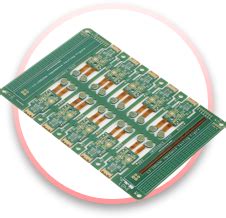
Flex pcb button plating
Advantages Of Gold Plating For Flex PCB Buttons
Gold plating for flex PCB buttons offers a range of advantages that make it a preferred choice in various electronic applications. As technology continues to evolve, the demand for reliable and efficient electronic components has increased, and gold plating has emerged as a solution that addresses several critical requirements.
One of the primary benefits of gold plating is its excellent conductivity.
Gold is a highly conductive metal, which ensures that signals are transmitted with minimal resistance. This is particularly important for flex PCB buttons, where efficient signal transmission is crucial for optimal performance. The superior conductivity of gold helps in reducing energy loss, thereby enhancing the overall efficiency of the electronic device.
In addition to its conductivity, gold plating provides exceptional corrosion resistance.
Electronic components are often exposed to harsh environments, including moisture and chemicals, which can lead to corrosion and degradation over time. Gold’s inert nature makes it resistant to oxidation and corrosion, ensuring that the flex PCB buttons maintain their functionality and reliability even in challenging conditions. This resistance to corrosion not only extends the lifespan of the components but also reduces maintenance costs, making gold plating a cost-effective solution in the long run.
Moreover, gold plating offers excellent wear resistance, which is essential for components that undergo frequent mechanical stress.
Flex PCB buttons are often subjected to repeated pressing and flexing, which can lead to wear and tear. The durability of gold plating helps in maintaining the integrity of the buttons, ensuring consistent performance over time. This wear resistance is particularly beneficial in applications where reliability and longevity are critical, such as in medical devices and aerospace technology.
Another advantage of gold plating is its ability to provide a smooth and uniform surface finish.
This is important for ensuring good contact between the flex PCB buttons and other components. A smooth surface minimizes the risk of contact resistance, which can lead to signal loss and reduced performance. The uniformity of the gold plating also contributes to the aesthetic appeal of the electronic device, which can be an important consideration in consumer electronics.
Furthermore, gold plating is compatible with a wide range of materials and processes, making it a versatile choice for various applications.
It can be easily applied to different substrates, including flexible materials used in flex PCBs, without compromising the integrity of the underlying material. This compatibility allows for greater design flexibility, enabling manufacturers to create innovative and efficient electronic devices.
In conclusion, the advantages of gold plating for flex PCB buttons are manifold.
Its excellent conductivity, corrosion resistance, wear resistance, smooth surface finish, and compatibility with various materials make it an ideal choice for enhancing the performance and reliability of electronic components. As the demand for high-performance and durable electronic devices continues to grow, gold plating remains a valuable solution that meets the stringent requirements of modern technology. By investing in gold-plated flex PCB buttons, manufacturers can ensure that their products deliver consistent performance and withstand the challenges of diverse operating environments.
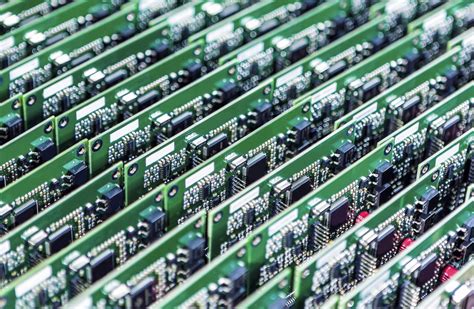
Comparing Tin And Silver Plating For Flex PCB Buttons
In the realm of flexible printed circuit boards (PCBs), the choice of plating material for buttons is a critical decision that can significantly impact the performance and longevity of the device. Among the various options available, tin and silver plating are two of the most commonly used materials. Each offers distinct advantages and potential drawbacks, making it essential to understand their characteristics to make an informed decision.
To begin with, tin plating is widely favored for its cost-effectiveness and ease of application.
Tin is a relatively inexpensive material, which makes it an attractive option for manufacturers looking to minimize production costs without compromising on quality. Additionally, tin plating provides a decent level of corrosion resistance, which is crucial for maintaining the integrity of the flex PCB buttons over time. The process of applying tin plating is also straightforward, which can streamline manufacturing processes and reduce lead times.
However, while tin plating offers several benefits, it is not without its limitations.
One of the primary concerns with tin is its susceptibility to whisker growth. Tin whiskers are tiny, hair-like metallic filaments that can spontaneously grow from the surface of the plated material. These whiskers can cause short circuits and other electrical failures, posing a significant risk to the reliability of the device. Although various mitigation strategies exist, such as adding lead to the tin alloy, these solutions can complicate the manufacturing process and may not be suitable for all applications.
In contrast, silver plating is renowned for its excellent electrical conductivity, which is a critical factor for ensuring optimal performance of flex PCB buttons.
Silver’s superior conductivity can enhance the responsiveness and sensitivity of the buttons, making it an ideal choice for applications where precision and reliability are paramount. Furthermore, silver plating offers better resistance to oxidation compared to tin, which can extend the lifespan of the flex PCB buttons and improve their durability in harsh environments.
Nevertheless, silver plating also presents its own set of challenges.
The most notable drawback is its higher cost compared to tin, which can be a significant consideration for budget-conscious projects. Additionally, silver is prone to tarnishing when exposed to sulfur-containing compounds, which can degrade its appearance and potentially affect its performance. To mitigate this issue, protective coatings or anti-tarnish treatments are often applied, but these add additional steps and costs to the manufacturing process.
When comparing tin and silver plating for flex PCB buttons, it is essential to weigh the specific requirements and constraints of the application.
For projects where cost is a primary concern and the risk of whisker growth can be managed, tin plating may be the more suitable option. On the other hand, for applications demanding high conductivity and durability, silver plating could offer the necessary performance benefits despite its higher cost.
In conclusion, the decision between tin and silver plating for flex PCB buttons involves a careful consideration of various factors, including cost, conductivity, corrosion resistance, and potential risks. By understanding the unique properties and trade-offs associated with each material, manufacturers can make informed choices that align with their specific needs and objectives, ultimately ensuring the reliability and efficiency of their flex PCB designs.
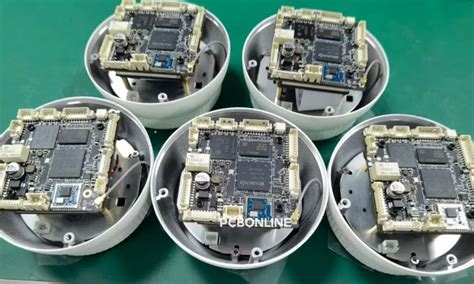
Environmental Impact Of Flex PCB Button Plating Materials
The environmental impact of flex PCB button plating materials is an increasingly important consideration in the electronics manufacturing industry. As the demand for flexible printed circuit boards (PCBs) continues to rise, driven by advancements in technology and the miniaturization of electronic devices, the need to address the environmental implications of the materials used in their production becomes more pressing. Flex PCBs, known for their ability to bend and conform to various shapes, are integral to modern electronics, but the processes involved in their production, particularly button plating, can have significant environmental consequences.
Button plating is a critical step in the manufacturing of flex PCBs, as it involves the deposition of metal layers onto the board to create conductive pathways.
This process typically uses metals such as gold, silver, and copper, which are chosen for their excellent conductivity and resistance to corrosion. However, the extraction and processing of these metals can have detrimental effects on the environment. Mining activities for these metals often result in habitat destruction, soil erosion, and water pollution, which can have long-lasting impacts on local ecosystems. Furthermore, the energy-intensive nature of metal extraction and refining contributes to greenhouse gas emissions, exacerbating climate change.
In addition to the environmental concerns associated with metal extraction, the chemical processes used in button plating can also pose significant risks.
The use of toxic chemicals, such as cyanide in gold plating, presents hazards not only to the environment but also to human health. These chemicals can contaminate water sources if not properly managed, leading to adverse effects on aquatic life and potentially entering the human food chain. The disposal of chemical waste from plating processes is another critical issue, as improper disposal can result in soil and water contamination.
To mitigate these environmental impacts, the electronics industry is increasingly exploring alternative materials and methods for flex PCB button plating.
One promising approach is the development of environmentally friendly plating techniques that reduce or eliminate the use of hazardous chemicals. For instance, researchers are investigating the use of non-toxic electrolytes and alternative metal sources that have a lower environmental footprint. Additionally, advances in recycling technologies are enabling the recovery and reuse of metals from electronic waste, reducing the need for virgin material extraction.
Moreover, the implementation of stricter environmental regulations and standards is driving manufacturers to adopt more sustainable practices.
Compliance with regulations such as the Restriction of Hazardous Substances (RoHS) directive and the Waste Electrical and Electronic Equipment (WEEE) directive is becoming increasingly important for companies operating in the global market. These regulations encourage the reduction of hazardous substances in electronic products and promote the responsible disposal and recycling of electronic waste.
In conclusion, while the production of flex PCBs and the associated button plating processes present environmental challenges, there are viable pathways to mitigate these impacts. Through the adoption of greener materials, innovative plating techniques, and adherence to environmental regulations, the electronics industry can reduce its ecological footprint. As technology continues to evolve, it is imperative that environmental considerations remain at the forefront of manufacturing practices, ensuring that the benefits of technological advancements do not come at the expense of the planet’s health.
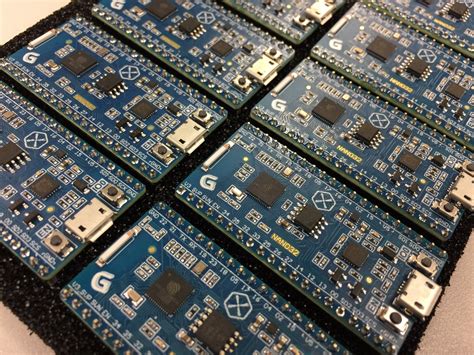
Innovations In Flex PCB Button Plating Techniques
In recent years, the field of flexible printed circuit boards (PCBs) has witnessed significant advancements, particularly in the area of button plating techniques. These innovations have been driven by the increasing demand for more reliable, durable, and efficient electronic devices. As technology continues to evolve, the need for flexible PCBs with enhanced performance characteristics has become more pronounced, prompting researchers and engineers to explore new methods and materials for button plating.
One of the primary innovations in flex PCB button plating is the development of advanced plating materials.
Traditionally, gold and silver have been the materials of choice due to their excellent conductivity and resistance to corrosion. However, these materials can be costly, prompting the exploration of alternative options. Recent advancements have introduced the use of nickel and palladium alloys, which offer similar conductive properties at a reduced cost. These alloys not only maintain the necessary electrical performance but also enhance the durability of the plated buttons, making them more suitable for applications that require frequent use and mechanical stress.
In addition to material innovations, the techniques used for plating have also seen significant improvements.
Electroless plating, for instance, has gained popularity due to its ability to produce uniform coatings without the need for an external power source. This method allows for more precise control over the thickness of the plating, ensuring consistent performance across all buttons on a flex PCB. Furthermore, electroless plating can be applied to a variety of substrate materials, increasing its versatility and applicability in different electronic devices.
Another noteworthy advancement is the implementation of selective plating techniques.
This approach allows for the targeted application of plating materials only to specific areas of the flex PCB, reducing material waste and overall production costs. Selective plating is particularly beneficial in complex circuit designs where only certain sections require enhanced conductivity or protection. By focusing the plating process on these critical areas, manufacturers can optimize the performance of the flex PCB while minimizing unnecessary material usage.
Moreover, the integration of automation and precision machinery in the plating process has significantly improved the efficiency and accuracy of flex PCB button plating.
Automated systems equipped with advanced sensors and control mechanisms ensure that the plating process is carried out with minimal human intervention, reducing the likelihood of errors and inconsistencies. This level of precision is crucial in maintaining the integrity of the plated buttons, especially in high-density circuit designs where even minor deviations can lead to performance issues.
As these innovations continue to shape the landscape of flex PCB button plating, it is essential for manufacturers to stay abreast of the latest developments.
By adopting these advanced techniques and materials, they can enhance the quality and reliability of their products, meeting the ever-growing demands of the electronics industry. Furthermore, ongoing research and collaboration between industry leaders and academic institutions are likely to yield even more groundbreaking advancements in the near future.
In conclusion, the innovations in flex PCB button plating techniques have significantly contributed to the advancement of flexible electronics. Through the development of new materials, improved plating methods, and the integration of automation, the industry has made great strides in enhancing the performance and durability of flex PCBs. As technology continues to evolve, these innovations will undoubtedly play a crucial role in shaping the future of electronic devices, paving the way for more sophisticated and reliable applications.