Flex PCB Custom Pricing: Real-Time Online Quote Tools
Key Takeaways
Understanding the essential factors influencing PCB manufacturing cost begins with recognizing how material choices, layer counts, and design intricacies shape pricing. Real-time quote tools empower you to adjust parameters like substrate type (polyimide vs. polyester) or copper weight, instantly reflecting changes in your PCB manufacturing budget. For instance, opting for high-temperature materials may elevate costs but enhance durability—a trade-off clarified through dynamic calculators.
Top-tier PCB manufacturing companies integrate algorithms that account for panelization efficiency, ensuring optimal material usage to reduce waste. When evaluating PCB manufacturing business expenses, layer optimization plays a pivotal role: adding layers increases complexity, but strategic stacking can balance performance and affordability. Advanced platforms, like those offered by industry leaders, provide transparent pricing breakdowns, detailing fabrication, assembly, and testing fees.
These tools also highlight how design features—such as bend radius or solder mask coverage—impact lead times and final quotes. By leveraging instant calculators, you avoid surprises and align your project with cost-effective PCB manufacturing strategies.
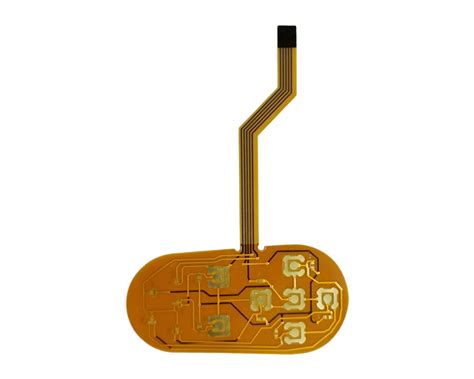
Flex PCB Instant Quote Calculator Features
Modern PCB manufacturing requires precision in both design and budgeting. When using online quote tools, you’ll find they prioritize real-time adjustments to parameters like board dimensions, layer counts, and material types. These calculators integrate PCB manufacturing cost variables—such as copper weight, substrate flexibility, and surface finish—into dynamic pricing models. For example, selecting polyimide over polyester might increase durability but also raise costs by 15–25%.
A key advantage is transparency. Reputable PCB manufacturing companies often provide instant breakdowns showing how design choices impact final pricing. Here’s a typical comparison:
| Feature | Standard Option | Advanced Option |
|---|---|---|
| Layer Count | 1–2 layers | 3–6 layers |
| Material | FR-4 | Polyimide |
| Turnaround | 5–7 days | 3–5 days |
| Cost Range | $0.50–$2.50/sq.in | $3.00–$8.00/sq.in |
By adjusting sliders or dropdown menus, you can instantly visualize how adding impedance control or tighter tolerances affects your PCB manufacturing business budget. These tools also flag design conflicts—like inadequate bend radius—that might lead to production delays. For multi-project workflows, some platforms save configurations, letting you compare quotes across different PCB manufacturing partners. This eliminates guesswork, ensuring you balance quality, speed, and cost without manual back-and-forth.
Custom Material Selection Impact on Pricing
When selecting materials for your flex PCB manufacturing project, every choice directly influences the final pcb manufacturing cost. Polyimide remains the industry standard for its heat resistance and durability, but alternatives like polyester (PET) or liquid crystal polymer (LCP) may suit specific applications—at varying price points. High-frequency applications, for example, often require specialized substrates that increase material expenses by 20-40% compared to standard options.
PCB manufacturing companies typically offer tiered pricing based on material grades, with exotic or UL-certified options commanding premiums. Thinner copper layers reduce weight but may raise fabrication complexity, while adhesive-free laminates improve performance at a higher upfront cost. Your design’s operational environment—whether it’s aerospace-grade thermal stability or consumer-grade flexibility—will dictate which materials align with both technical needs and budget constraints.
This decision also affects the pcb manufacturing business model: bulk orders of common materials often qualify for discounts, whereas custom or low-volume requests incur surcharges. Always verify if your chosen supplier provides real-time adjustments in quotes when swapping materials during prototyping. Balancing performance requirements with cost efficiency ensures you avoid over-engineering without compromising reliability.
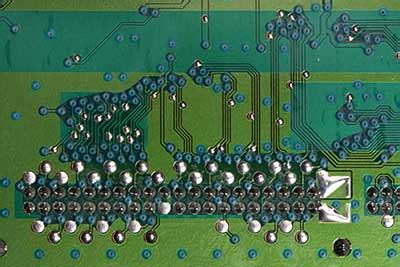
Layer Count Optimization for Cost Efficiency
When planning your PCB manufacturing project, optimizing layer count is critical for balancing performance and PCB manufacturing cost. Each additional layer increases material usage, processing time, and complexity, directly impacting your budget. However, over-simplifying the stack-up could compromise functionality—especially in high-density designs. Most PCB manufacturing companies recommend starting with the minimum layers required for signal integrity and thermal management, then incrementally adding layers only if necessary.
For example, a 4-layer flex PCB often suffices for moderate-speed applications, while 6-8 layers may be needed for advanced RF or high-speed circuits. Use simulation tools during design to validate layer requirements before finalizing specs. Many PCB manufacturing business platforms provide instant feedback on how layer adjustments affect pricing, allowing you to experiment with configurations in real time.
Remember: reducing layers isn’t just about cutting costs—it also minimizes potential failure points. Collaborate with your manufacturer to identify redundant vias or traces that can be consolidated. This approach ensures you’re not paying for unnecessary complexity while maintaining reliability. By strategically optimizing layers, you align your design with both technical demands and cost-efficiency goals.
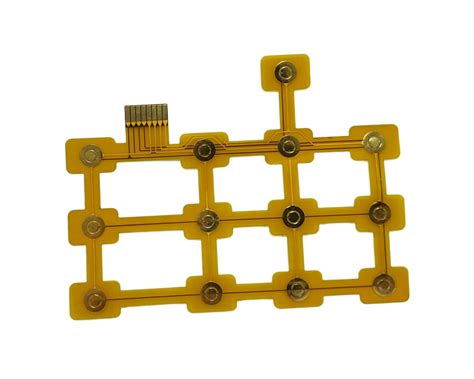
Design Complexity and Flex PCB Cost Factors
When designing flexible PCBs, your choices directly influence pcb manufacturing cost through factors like trace density, bend radius, and minimum feature sizes. Complex layouts requiring tight tolerances or intricate routing patterns demand advanced fabrication techniques, increasing labor and material usage. For instance, high-density interconnects (HDIs) or controlled impedance traces often necessitate specialized equipment, which pcb manufacturing companies factor into pricing models.
Balancing performance requirements with budget constraints becomes critical when working with multi-layer designs. Adding layers improves functionality but escalates pcb manufacturing business expenses due to additional alignment steps and material waste. Similarly, non-standard shapes or dynamic flex areas may require custom tooling, further impacting costs. To mitigate this, many designers optimize panelization strategies or simplify geometries without compromising reliability.
Transparent communication with your manufacturer helps clarify how annular ring specifications or stiffener integration affect pricing. Reputable pcb manufacturing partners often provide design-for-manufacturability (DFM) feedback to identify avoidable complexities, ensuring your project stays cost-efficient while meeting technical demands.
Real-Time Transparent Pricing Breakdown Guide
When requesting a flex PCB manufacturing quote, modern online tools provide real-time visibility into cost drivers, empowering you to make informed decisions. These platforms break down expenses into material selection, layer count, and design complexity, aligning with standard PCB manufacturing cost structures. For example, choosing polyimide over standard FR-4 may increase material costs by 15–30%, but its thermal stability could reduce long-term failure risks.
Tip: Use the interactive sliders in quote tools to experiment with layer reductions or material swaps. Even trimming one conductive layer can lower your PCB manufacturing business expenses by up to 12% without compromising functionality.
Transparency extends to ancillary fees, such as panelization or surface finishes, which PCB manufacturing companies often bundle into final quotes. Reputable platforms highlight these line items, ensuring no hidden charges. If your design requires tight tolerances (e.g., 3-mil trace widths), the tool automatically adjusts pricing to reflect added PCB manufacturing labor and precision.
By correlating design choices with immediate cost impacts, you gain leverage to optimize budgets before committing. This clarity also streamlines negotiations with suppliers, as both parties reference the same data-driven breakdown. Whether prototyping or scaling production, real-time insights ensure your flex PCB project aligns with financial and technical goals seamlessly.
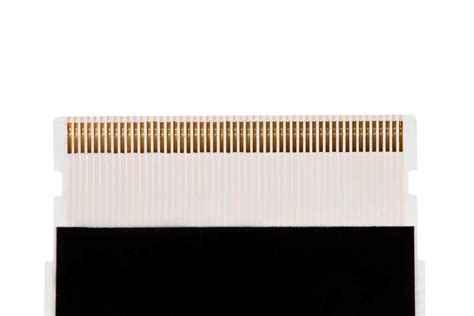
Fast Lead Time Considerations for Flex PCBs
When planning PCB manufacturing timelines, understanding how design decisions and production workflows intersect is critical. While PCB manufacturing companies often advertise rapid turnaround, achieving fast lead times for flex circuits depends on balancing three key factors: design complexity, material availability, and fabrication capacity. For instance, opting for standard polyimide films instead of specialty adhesives can reduce procurement delays, directly lowering PCB manufacturing cost and accelerating production.
Most PCB manufacturing business models prioritize bulk orders, but modern online tools now enable smaller batches with competitive timelines. To optimize speed, ensure your design files are panelized correctly—improper layouts may require additional engineering reviews, adding days to the schedule. Transparent communication with your manufacturer about deadlines is equally vital; many offer expedited services for urgent projects, though this may increase per-unit costs.
Finally, consider supply chain resilience. Partnering with suppliers that maintain raw material inventories or offer alternative sourcing options can mitigate delays. By aligning your design choices with production realities, you secure both speed and cost efficiency without compromising quality.
Online Quote Tools Comparison and Benefits
When evaluating PCB manufacturing quote platforms, you’ll notice distinct differences in functionality and user experience. Advanced tools allow real-time adjustments to parameters like layer count or substrate type, instantly reflecting changes in PCB manufacturing cost. For example, some platforms integrate design rule checks to flag potential issues early, while others prioritize bulk-order discounts for scaled production. By comparing these features side-by-side, you gain clarity on which service aligns with your project’s technical and budgetary needs.
Leading PCB manufacturing companies often embed cost calculators directly into their portals, enabling you to experiment with material grades, finish types, and panelization strategies without manual back-and-forth. This transparency eliminates hidden fees—a common pain point in the PCB manufacturing business—while accelerating decision-making. Tools that display price-per-unit breakdowns alongside lead time options help you balance urgency against budget constraints.
The key advantage lies in data-driven comparisons: seeing how copper weight adjustments or impedance control requirements affect pricing across multiple vendors simultaneously. This approach not only streamlines procurement but also educates you on cost drivers, empowering smarter design choices for future projects.
Flex PCB Panelization Effects on Final Pricing
When planning your flex PCB design, how you arrange multiple circuits on a production panel significantly influences pcb manufacturing cost. Panelization efficiency—the strategic placement of individual boards within standard panel sizes—directly affects material utilization. Tightly packed layouts minimize substrate waste, while irregular shapes or excessive spacing can increase pcb manufacturing business expenses by up to 25%. Most pcb manufacturing companies use 18"×24" or 12"×18" panels, so optimizing your design to fit these dimensions reduces per-unit pricing. However, complex panelization requiring specialized tooling or manual adjustments adds labor costs. Advanced CAD tools automate nesting patterns, but collaborating early with manufacturers ensures proper clearance margins and scoring lines. Balancing design flexibility with panel yield remains critical: over-engineering may negate savings, while under-optimization risks material overruns. By aligning your panel strategy with production capabilities, you maintain cost predictability without compromising design integrity.
Conclusion
When exploring PCB manufacturing options for flexible circuits, modern online quote tools empower you to make informed decisions by balancing technical requirements with budget constraints. By understanding how factors like material selection, layer counts, and design complexity influence PCB manufacturing cost, you can optimize specifications without compromising performance. Leading PCB manufacturing companies now integrate real-time calculators that provide instant visibility into cost drivers, from substrate choices to panelization strategies. This transparency ensures you’re not just comparing prices but also evaluating value across lead times, quality standards, and scalability.
For businesses managing PCB manufacturing business operations, these tools streamline prototyping and production planning. Whether you’re prioritizing rapid turnaround or cost-effective bulk orders, the ability to simulate pricing scenarios helps align your flex PCB needs with broader project goals. Remember, the most competitive quotes often reflect a harmony between design efficiency and manufacturing feasibility—leveraging digital tools bridges that gap precisely.
FAQs
How do online quote tools calculate flex PCB pricing?
Most PCB manufacturing platforms use algorithms that factor in material type, layer count, and design complexity. Inputting your specifications triggers real-time calculations based on current material costs and production workflows.
Why does layer count significantly impact PCB manufacturing cost?
Each additional layer increases material usage, alignment precision, and processing time. PCB manufacturing companies often recommend optimizing layers during design to balance performance and budget.
Can design complexity affect lead times for flex PCB orders?
Yes. Features like tight tolerances or advanced finishes require specialized equipment and expertise, which may extend production schedules. Discussing your design early with PCB manufacturing business teams helps avoid delays.
How transparent are online quote tools for flex PCB projects?
Reputable platforms provide itemized breakdowns, including material costs, labor fees, and testing charges. This transparency lets you compare quotes across multiple PCB manufacturing companies confidently.
What if my design requires panelization?
Panelization optimizes material use but requires precise layout planning. Many PCB manufacturing platforms auto-detect panelization needs and adjust pricing dynamically.
Get Your Custom Flex PCB Quote Now
For instant pricing tailored to your project, please click here: https://www.andwinpcb.com/pcb-manufacturing/.