Flex pcb vs rigid
Advantages Of Flex PCB vs Rigid PCB
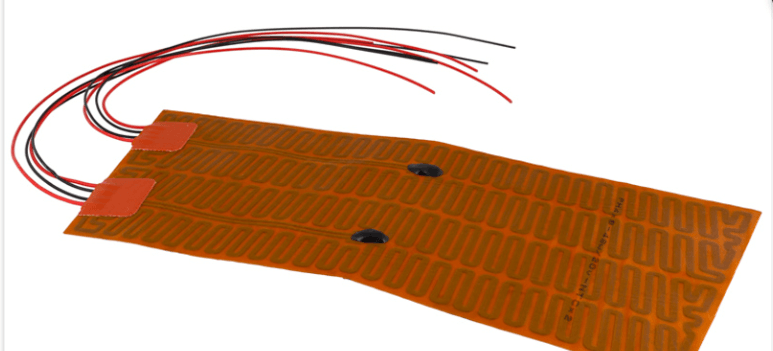
Flex PCBs, or flexible printed circuit boards, offer several advantages over their rigid counterparts, making them an increasingly popular choice in various applications.
One of the most significant benefits of flex PCBs is their inherent flexibility, which allows them to be bent, folded, and twisted without damaging the circuitry.
This adaptability is particularly advantageous in applications where space constraints and complex geometries are prevalent, such as in wearable technology, medical devices, and compact consumer electronics. The ability to conform to different shapes and fit into tight spaces enables designers to create more innovative and ergonomic products.
In addition to their flexibility, flex PCBs are generally lighter and thinner than rigid PCBs.
This reduction in weight and thickness is crucial in industries where minimizing the overall weight of the product is essential, such as in aerospace and automotive sectors. The lightweight nature of flex PCBs contributes to improved fuel efficiency and performance in these applications. Furthermore, the thin profile of flex PCBs allows for the development of sleeker and more aesthetically pleasing designs, which is a significant consideration in consumer electronics.
Another notable advantage of flex PCBs is their durability and reliability.
The materials used in flex PCBs, such as polyimide, are known for their excellent thermal stability and resistance to harsh environmental conditions. This makes flex PCBs suitable for use in extreme temperatures and environments where traditional rigid PCBs might fail. The robust nature of flex PCBs ensures a longer lifespan and reduces the likelihood of failure, which is critical in mission-critical applications like medical devices and military equipment.
Moreover, flex PCBs can reduce the number of interconnects required in a design.
By integrating multiple layers and components into a single flexible substrate, flex PCBs can eliminate the need for additional connectors and cables. This not only simplifies the assembly process but also enhances the overall reliability of the system by reducing potential points of failure. The streamlined design also contributes to cost savings in both manufacturing and maintenance, as fewer components and connections translate to lower material and labor costs.
The versatility of flex PCBs extends to their ability to accommodate dynamic movements.
Unlike rigid PCBs, which are static and fixed in place, flex PCBs can withstand continuous flexing and movement without compromising their functionality. This characteristic is particularly beneficial in applications where the circuitry is subject to constant motion, such as in robotics, portable devices, and flexible displays. The ability to endure repetitive bending and flexing ensures consistent performance and longevity in these dynamic environments.
Furthermore, the use of flex PCBs can lead to improved signal integrity and reduced electromagnetic interference (EMI).
The flexible nature of the substrate allows for more precise control over the layout and routing of traces, which can minimize signal loss and crosstalk. Additionally, the ability to design complex, three-dimensional interconnections can help in optimizing the electrical performance of the circuit. This is especially important in high-frequency applications where maintaining signal integrity is paramount.
In conclusion, the advantages of flex PCBs over rigid PCBs are manifold, encompassing flexibility, weight reduction, durability, reliability, simplified assembly, dynamic movement accommodation, and enhanced signal integrity. These benefits make flex PCBs an attractive option for a wide range of applications, from consumer electronics to aerospace and medical devices. As technology continues to advance, the demand for innovative and efficient solutions will likely drive further adoption of flex PCBs, solidifying their position as a critical component in modern electronic design.
Cost Comparison: Flex PCB Vs Rigid PCB
When comparing the costs of Flex PCBs (Flexible Printed Circuit Boards) and Rigid PCBs (Rigid Printed Circuit Boards), it is essential to consider various factors that influence the overall expenditure. Both types of PCBs serve distinct purposes and offer unique advantages, which can significantly impact their cost-effectiveness depending on the application. To begin with, the initial manufacturing costs of Flex PCBs are generally higher than those of Rigid PCBs.
This is primarily due to the complex fabrication process involved in producing flexible circuits. Flex PCBs require specialized materials such as polyimide films, which are more expensive than the standard FR4 material used in Rigid PCBs. Additionally, the manufacturing process for Flex PCBs often involves more intricate steps, including precise etching and lamination techniques, which contribute to the higher production costs.
However, it is crucial to consider the long-term cost implications when evaluating Flex PCBs versus Rigid PCBs.
Flex PCBs offer significant advantages in terms of space and weight reduction, which can lead to cost savings in applications where these factors are critical. For instance, in industries such as aerospace and medical devices, the compact and lightweight nature of Flex PCBs can result in reduced overall system costs, including lower shipping and handling expenses.
Furthermore, Flex PCBs can eliminate the need for connectors and cables, which are typically required in Rigid PCB assemblies. This reduction in components not only decreases material costs but also simplifies the assembly process, leading to lower labor costs and reduced potential for assembly errors.
In contrast, Rigid PCBs are often more cost-effective for applications where space and weight are not primary concerns.
The straightforward manufacturing process and the use of less expensive materials make Rigid PCBs a more economical choice for many standard electronic devices. Additionally, Rigid PCBs offer excellent mechanical stability and durability, which can translate to longer product lifespans and reduced maintenance costs. Another aspect to consider is the design flexibility offered by Flex PCBs.
The ability to bend and conform to various shapes allows for innovative product designs that would be impossible with Rigid PCBs. This design flexibility can lead to the development of more advanced and compact electronic devices, potentially opening up new market opportunities and revenue streams. However, the initial design and prototyping phase for Flex PCBs can be more time-consuming and costly due to the need for specialized design software and expertise.
Moreover, the cost comparison between Flex PCBs and Rigid PCBs should also take into account the volume of production.
For low to medium production volumes, the higher initial costs of Flex PCBs may be justified by the benefits they offer in terms of design flexibility and space savings. Conversely, for high-volume production runs, the economies of scale associated with Rigid PCBs can result in significant cost savings, making them a more attractive option for mass-produced electronic devices. In conclusion, the cost comparison between Flex PCBs and Rigid PCBs is multifaceted and depends on various factors, including the specific application, design requirements, production volume, and long-term cost implications.
While Flex PCBs may have higher initial manufacturing costs, their advantages in terms of space savings, weight reduction, and design flexibility can lead to overall cost savings in certain applications. On the other hand, Rigid PCBs offer a more economical solution for standard electronic devices where mechanical stability and lower material costs are prioritized. Therefore, a thorough evaluation of the specific needs and constraints of the project is essential to determine the most cost-effective PCB solution.
Applications Of Flex PCB And Rigid PCB In Modern Electronics
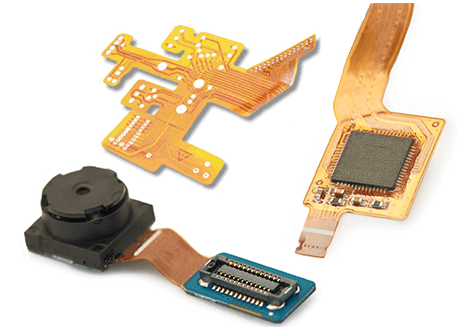
In the realm of modern electronics, the choice between flexible printed circuit boards (flex PCBs) and rigid printed circuit boards (rigid PCBs) is pivotal, as each type offers distinct advantages tailored to specific applications. Understanding the applications of flex PCBs and rigid PCBs is essential for optimizing the performance, reliability, and cost-effectiveness of electronic devices.
Flex PCBs, characterized by their ability to bend and conform to various shapes, are increasingly prevalent in applications where space constraints and mechanical flexibility are paramount.
One of the most notable applications of flex PCBs is in wearable technology.
Devices such as smartwatches, fitness trackers, and medical monitoring equipment benefit from the lightweight and adaptable nature of flex PCBs, which can be seamlessly integrated into the contours of the human body. This adaptability not only enhances user comfort but also allows for innovative design possibilities that rigid PCBs cannot accommodate.
Moreover, flex PCBs are indispensable in the automotive industry, where they are used in a variety of applications ranging from dashboard displays to advanced driver-assistance systems (ADAS). The ability of flex PCBs to withstand vibrations and mechanical stress makes them ideal for the harsh conditions encountered in automotive environments. Additionally, their capacity to reduce wiring complexity and weight contributes to overall vehicle efficiency and performance.
Transitioning to the realm of consumer electronics, flex PCBs are integral to the design of compact and portable devices such as smartphones, tablets, and laptops.
The demand for thinner and lighter devices has driven the adoption of flex PCBs, which can be folded or twisted to fit into tight spaces without compromising functionality. This flexibility also facilitates the integration of multiple components into a single, cohesive unit, thereby enhancing the overall reliability and durability of the device.
In contrast, rigid PCBs, known for their robustness and stability, are predominantly used in applications where structural integrity and reliability are critical.
One of the primary applications of rigid PCBs is in desktop computers and servers.
The need for high-performance computing and data processing necessitates the use of rigid PCBs, which provide a stable platform for mounting and interconnecting various electronic components. The rigidity of these PCBs ensures consistent electrical performance and minimizes the risk of damage during installation and operation.
Furthermore, rigid PCBs are extensively employed in industrial and military applications, where durability and reliability are paramount. Industrial control systems, power supplies, and communication equipment often rely on rigid PCBs to ensure uninterrupted operation in demanding environments.
Similarly, military electronics, including radar systems, communication devices, and navigation equipment, benefit from the robustness and dependability of rigid PCBs, which can withstand extreme temperatures, shock, and vibration.
In the medical field, rigid PCBs are commonly used in diagnostic and imaging equipment such as MRI machines, CT scanners, and ultrasound devices.
The precision and reliability required in medical applications necessitate the use of rigid PCBs, which provide a stable and dependable platform for critical electronic components. The ability to maintain consistent performance over extended periods is crucial in medical devices, where accuracy and reliability can directly impact patient outcomes.
In conclusion, the applications of flex PCBs and rigid PCBs in modern electronics are diverse and complementary. Flex PCBs excel in scenarios requiring mechanical flexibility, lightweight design, and space efficiency, making them ideal for wearable technology, automotive systems, and portable consumer electronics. Conversely, rigid PCBs are indispensable in applications demanding structural integrity, reliability, and consistent performance, such as desktop computers, industrial control systems, military electronics, and medical equipment. By understanding the unique advantages of each type of PCB, designers and engineers can make informed decisions to optimize the performance and reliability of their electronic devices.
Design Considerations For Flex PCB Vs Rigid PCB
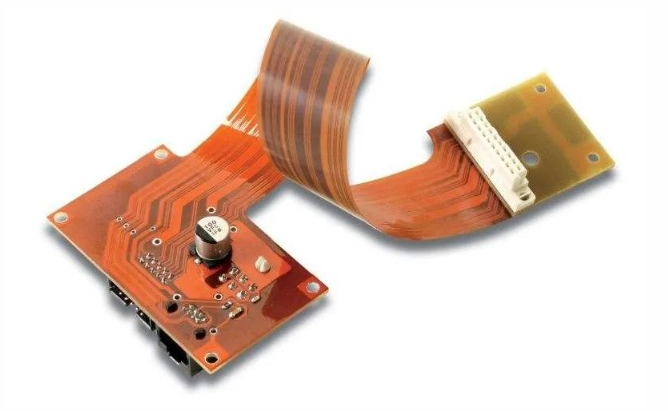
When designing printed circuit boards (PCBs), engineers must carefully consider whether to use flexible (flex) PCBs or rigid PCBs, as each type offers distinct advantages and challenges. The choice between flex and rigid PCBs significantly impacts the overall design, functionality, and cost of the final product. Understanding the design considerations for each type is crucial for making an informed decision.
Flex PCBs are known for their ability to bend and twist, which makes them ideal for applications where space constraints and mechanical flexibility are paramount.
For instance, in wearable technology, medical devices, and compact consumer electronics, the ability to conform to irregular shapes and fit into tight spaces is invaluable. The flexibility of these PCBs allows for dynamic bending and movement without compromising the integrity of the electrical connections. This adaptability can lead to innovative product designs that would be impossible with rigid PCBs.
On the other hand, rigid PCBs are characterized by their solid, inflexible structure, which provides a stable platform for mounting and connecting electronic components.
This rigidity ensures that the components remain securely in place, which is essential for applications requiring high reliability and durability, such as in industrial machinery, automotive systems, and large-scale computing devices. The robust nature of rigid PCBs also allows for more straightforward manufacturing processes and often results in lower production costs compared to flex PCBs.
Transitioning from the physical characteristics to the electrical performance, flex PCBs offer unique advantages due to their thin and lightweight nature.
They can reduce the overall weight of the device and improve signal integrity by minimizing the distance between components. However, the design of flex PCBs requires careful consideration of the bending radius and the stress points to prevent damage to the conductive traces. Engineers must also account for the potential impact of repeated flexing on the longevity of the PCB.
Conversely, rigid PCBs provide a more stable environment for high-frequency signals and power distribution.
The solid substrate minimizes the risk of signal interference and ensures consistent electrical performance. Additionally, rigid PCBs can support multiple layers, allowing for complex circuit designs and higher component density. This capability is particularly beneficial in applications where space is limited but functionality cannot be compromised.
Cost is another critical factor in the decision-making process.
Flex PCBs tend to be more expensive due to the specialized materials and manufacturing techniques required. The production process involves additional steps, such as lamination and the use of flexible substrates, which contribute to the higher cost. However, the investment in flex PCBs can be justified by the benefits they offer in terms of design flexibility and space savings.
In contrast, rigid PCBs are generally more cost-effective, especially for high-volume production runs. The manufacturing process for rigid PCBs is well-established and can be highly automated, leading to economies of scale. Additionally, the materials used for rigid PCBs are typically less expensive than those required for flex PCBs.
In conclusion, the choice between flex and rigid PCBs hinges on a variety of design considerations, including mechanical flexibility, electrical performance, and cost. Flex PCBs are ideal for applications requiring adaptability and space efficiency, while rigid PCBs offer stability and cost advantages for high-reliability applications. By carefully evaluating these factors, engineers can select the appropriate type of PCB to meet the specific needs of their projects.