Flex rigid pcb design rules-Andwin
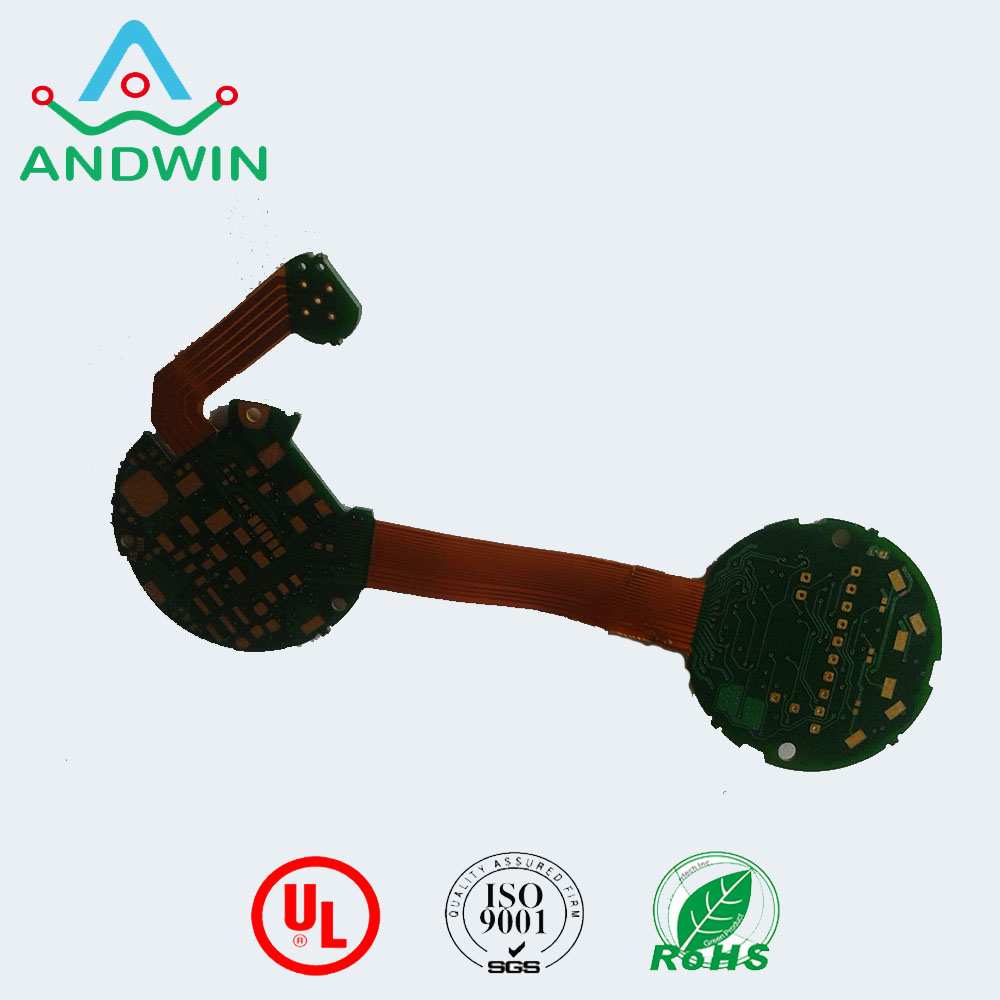
Flex rigid pcb design rules
1. Trace Width and Spacing: The trace width and spacing should be designed according to the current carrying capacity and voltage requirements of the circuit. The minimum trace width and spacing should be 0.1mm.
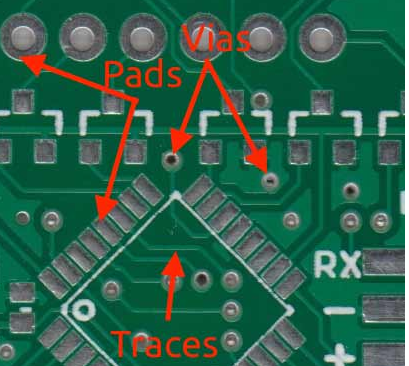
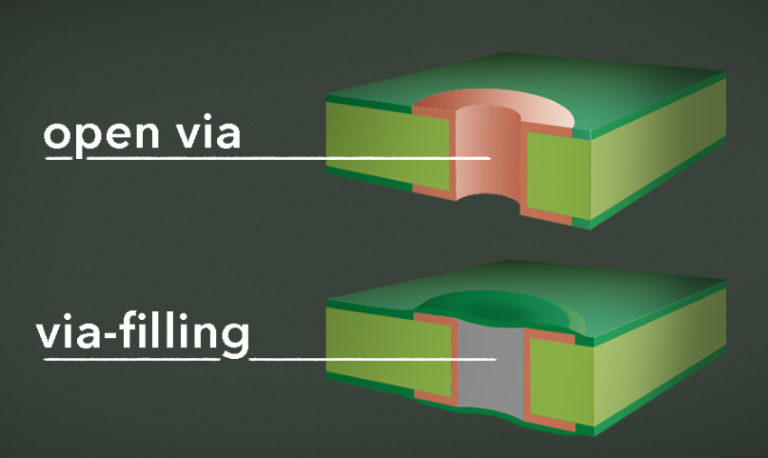
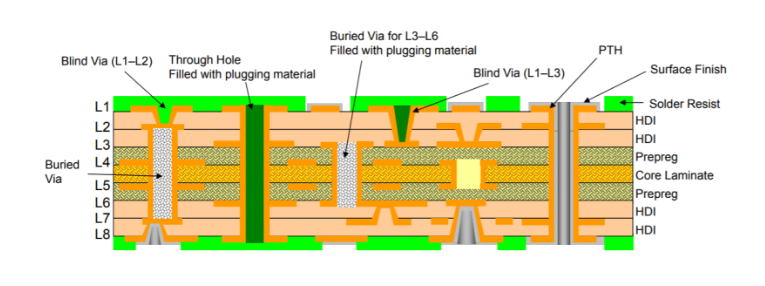
2. Via Design: Vias should be designed to connect the layers of the flex-rigid PCB. The via diameter should be 0.3mm and the via pad diameter should be 0.6mm.
3. Pad Design: The pad diameter should be 0.8mm and the hole diameter should be 0.4mm. The distance between the pad and the trace should be at least 0.1mm.
4. Solder Mask: The solder mask should be designed to cover the pads and traces. The minimum solder mask clearance should be 0.1mm.
5. Silkscreen: The silkscreen should be designed to provide clear and readable information about the components and their placement. The minimum silkscreen line width should be 0.15mm.

6. Copper Pour: Copper pour should be used to provide a ground plane and to reduce the noise in the circuit. The minimum clearance between the copper pour and the trace should be 0.1mm.
7. Board Thickness: The board thickness should be designed according to the mechanical requirements of the application. The minimum board thickness should be 0.2mm.
8. Drill Size: The drill size should be designed according to the component requirements. The minimum drill size should be 0.3mm.
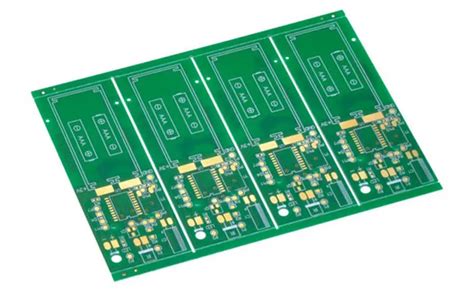
9. Panelization: The flex-rigid PCB should be designed for panelization to reduce the manufacturing cost. The minimum distance between the boards in the panel should be 2mm.
10. Testing: The flex-rigid PCB should be designed for testing to ensure the quality of the product. The test points should be designed according to the testing requirements.
Flex rigid pcb production
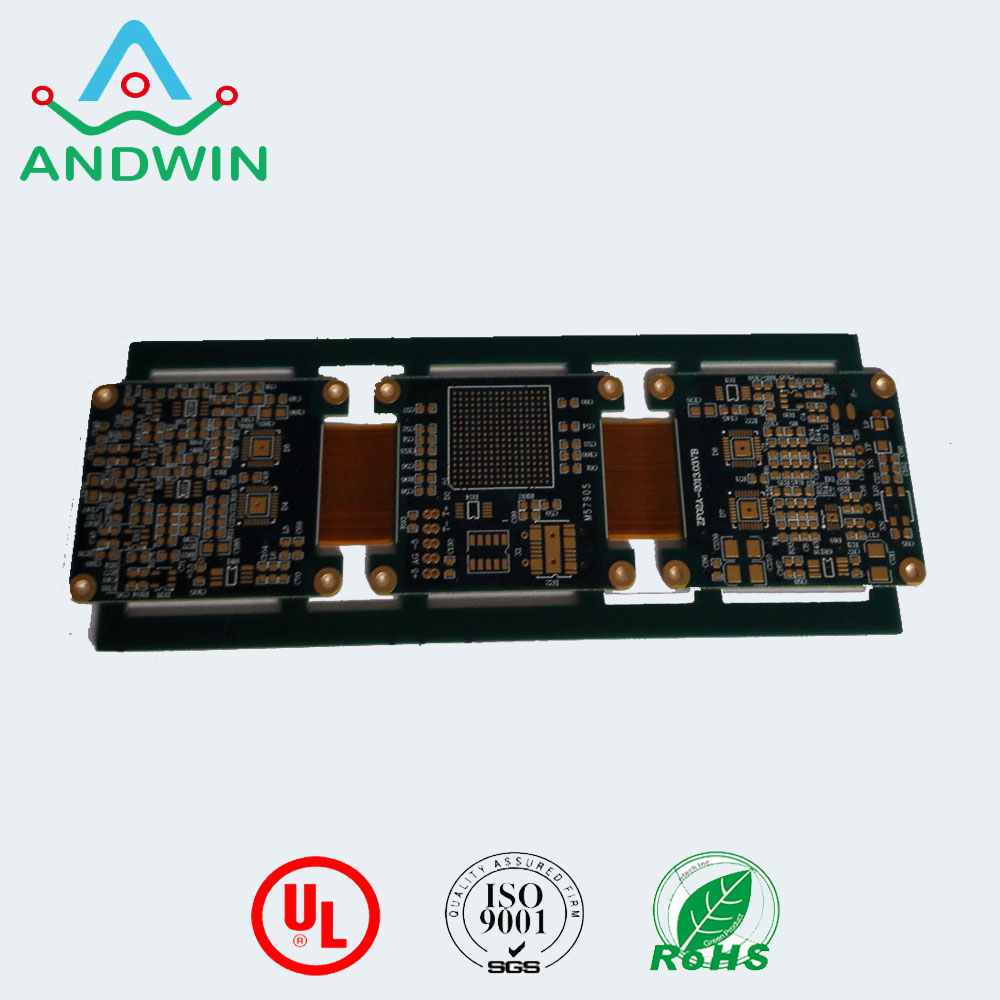
Flex-rigid PCB production involves the manufacturing of printed circuit boards that combine both flexible and rigid materials. These PCBs are designed to provide the benefits of both types of materials, including the flexibility of the former and the rigidity of the latter.
The production process of flex-rigid PCBs involves several steps, including:
1. Designing the PCB: The first step is to design the flex-rigid PCB using specialized software. The design must take into account the specific requirements of the application, including the size, shape, and functionality of the board.
2. Material selection: The next step is to select the appropriate materials for the flex-rigid PCB. This includes choosing the right type of flexible material, such as polyimide or polyester, and the appropriate rigid material, such as FR4 or aluminum.
3. Lamination: The flexible and rigid materials are then laminated together using a specialized process. This involves applying heat and pressure to bond the layers together.
4. Drilling: Holes are drilled into the PCB to accommodate components and connectors.

5. Plating: The drilled holes are then plated with copper to create the necessary electrical connections.
6. Etching: The excess copper is then etched away using a chemical process, leaving behind the necessary traces and pads.
7. Solder mask and silkscreen: A solder mask and silkscreen are then applied to the PCB to protect the traces and provide labeling.
8. Testing: The finished PCB is then tested to ensure that it meets the required specifications.
Overall, the production of flex-rigid PCBs is a complex process that requires specialized equipment and expertise. However, the resulting PCBs offer a number of advantages over traditional rigid or flexible PCBs, including improved reliability, reduced size and weight, and increased functionality.