Flexible pcb advantages
Some Flexible pcb advantages
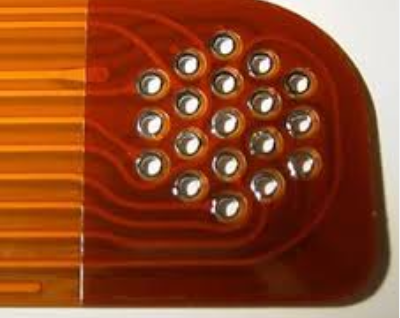
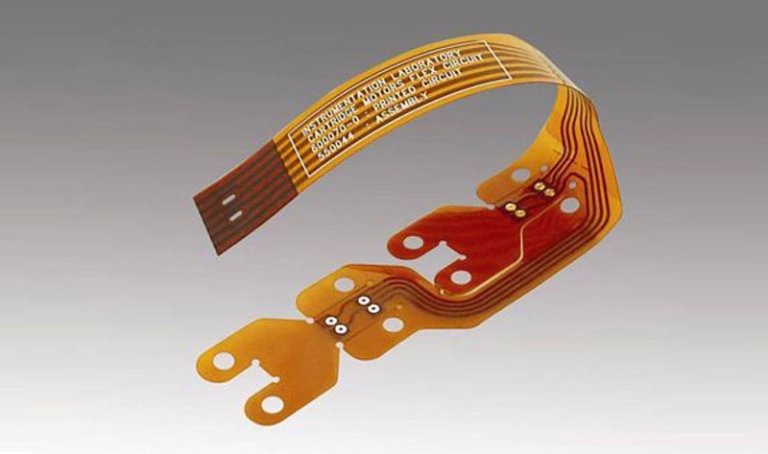
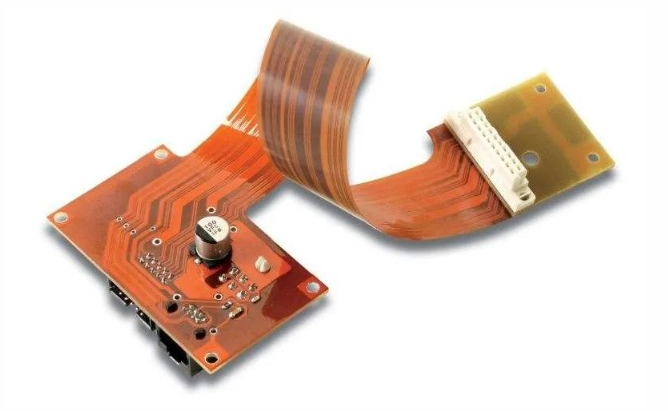
Flexible printed circuit boards (PCBs) have revolutionized the electronics industry by offering enhanced design flexibility, which is a significant advantage over traditional rigid PCBs. This flexibility allows for innovative and compact designs that were previously unattainable, thereby opening new avenues for electronic device development.
One of the primary benefits of flexible PCBs is their ability to conform to various shapes and contours,
making them ideal for applications where space constraints and complex geometries are prevalent.
For instance, in wearable technology, medical devices, and aerospace applications, the ability to bend and fold the circuit board without compromising its functionality is invaluable.
Moreover, flexible PCBs contribute to the miniaturization of electronic devices.
As consumer demand for smaller, more portable gadgets continues to grow, the need for compact and efficient circuit designs becomes increasingly critical. Flexible PCBs can be designed to fit into tight spaces, reducing the overall size and weight of the device. This is particularly beneficial in the development of smartphones, tablets, and other handheld devices, where every millimeter of space is crucial. Additionally, the reduced weight of flexible PCBs compared to their rigid counterparts makes them an attractive option for applications where weight is a critical factor, such as in drones and other unmanned aerial vehicles.
Another significant advantage of flexible PCBs is their ability to withstand harsh environmental conditions.
Traditional rigid PCBs are prone to damage from vibrations, shocks, and temperature fluctuations, which can lead to device failure. In contrast, flexible PCBs are designed to absorb and dissipate mechanical stress, making them more durable and reliable in demanding environments. This resilience is particularly important in automotive and industrial applications, where electronic components are often exposed to extreme conditions. By incorporating flexible PCBs, manufacturers can enhance the longevity and reliability of their products, thereby reducing maintenance costs and improving overall performance.
Furthermore, flexible PCBs offer improved electrical performance due to their shorter and more direct interconnections.
This results in lower electrical resistance and reduced signal loss, which is crucial for high-speed and high-frequency applications. The ability to design circuits with fewer interconnections also simplifies the manufacturing process, leading to cost savings and increased production efficiency. Additionally, the use of flexible PCBs can reduce the need for connectors and other interconnecting components, further streamlining the design and assembly process.
In addition to these technical advantages, flexible PCBs also offer significant benefits in terms of design versatility.
Engineers and designers have greater freedom to create innovative and complex circuit layouts that can be tailored to specific applications. This flexibility allows for the integration of multiple functions into a single, compact circuit board, reducing the need for additional components and simplifying the overall design. As a result, flexible PCBs enable the development of more sophisticated and feature-rich electronic devices.
In conclusion, the enhanced design flexibility offered by flexible PCBs provides numerous advantages over traditional rigid PCBs. Their ability to conform to various shapes, contribute to device miniaturization, withstand harsh conditions, and improve electrical performance makes them an ideal choice for a wide range of applications. As technology continues to advance, the demand for flexible PCBs is expected to grow, driving further innovation and development in the electronics industry.
Space and Weight Reduction
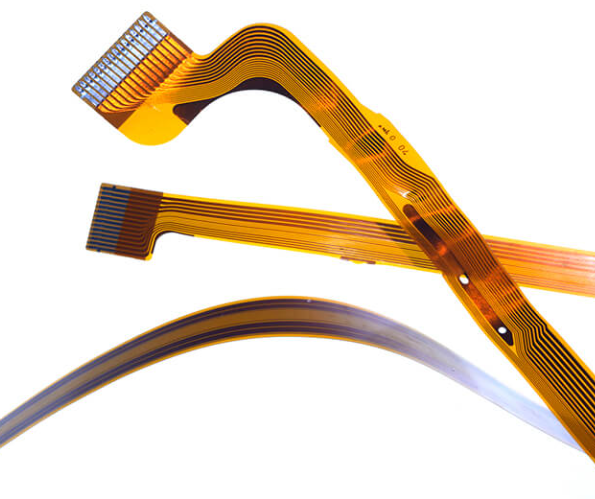
Flexible printed circuit boards (PCBs) offer numerous advantages, particularly in the realm of space and weight reduction. These benefits are crucial in various industries, including consumer electronics, automotive, aerospace, and medical devices, where the demand for compact and lightweight components is ever-increasing.
By understanding the specific ways in which flexible PCBs contribute to space and weight reduction, one can appreciate their growing importance in modern technology.
To begin with, flexible PCBs are designed to bend and fold, allowing them to fit into tight spaces that rigid PCBs cannot accommodate. This inherent flexibility enables designers to create more compact and efficient layouts, which is particularly beneficial in applications where space is at a premium. For instance, in smartphones and wearable devices, the ability to fold and bend the circuitry allows for sleeker and more ergonomic designs. Consequently, manufacturers can produce smaller and lighter devices without compromising functionality.
Moreover, flexible PCBs often replace multiple rigid boards and connectors with a single, continuous circuit.
This consolidation not only reduces the overall footprint of the electronic assembly but also eliminates the need for bulky connectors and interconnecting cables. As a result, the weight of the final product is significantly reduced.
In the automotive industry, for example, this reduction in weight can lead to improved fuel efficiency and lower emissions, aligning with the growing emphasis on environmentally friendly technologies.
In addition to their compact form factor, flexible PCBs are typically made from lightweight materials such as polyimide or polyester films.
These materials are not only lighter than the traditional fiberglass used in rigid PCBs but also offer excellent thermal and chemical resistance. This combination of properties ensures that flexible PCBs can withstand harsh operating conditions while contributing to the overall weight reduction of the device. In aerospace applications, where every gram counts, the use of lightweight flexible PCBs can lead to significant savings in fuel costs and enhanced performance.
Furthermore, the integration of flexible PCBs can lead to a reduction in the number of components required in an electronic assembly.
By incorporating multiple functions into a single flexible circuit, designers can eliminate the need for additional components, such as connectors, wires, and rigid boards. This simplification not only reduces the weight and space requirements but also enhances the reliability of the device by minimizing potential points of failure.
In medical devices, where reliability and compactness are paramount, flexible PCBs enable the development of advanced diagnostic and therapeutic tools that are both lightweight and highly dependable.
Another notable advantage of flexible PCBs is their ability to conform to complex shapes and contours.
This adaptability allows for innovative design solutions that maximize the use of available space. For example, in modern automotive lighting systems, flexible PCBs can be molded to fit the intricate shapes of headlight and taillight assemblies, resulting in more efficient and aesthetically pleasing designs. This capability to conform to various shapes also facilitates the integration of electronics into unconventional spaces, further contributing to space and weight reduction.
In conclusion, the advantages of flexible PCBs in terms of space and weight reduction are manifold. Their ability to bend and fold, replace multiple components, utilize lightweight materials, and conform to complex shapes makes them an invaluable asset in the design and manufacture of modern electronic devices. As technology continues to evolve, the demand for compact and lightweight solutions will only grow, solidifying the role of flexible PCBs in meeting these challenges.

Improved Durability and Reliability
Flexible printed circuit boards (PCBs) have revolutionized the electronics industry by offering a range of advantages over traditional rigid PCBs. One of the most significant benefits is their improved durability and reliability, which are critical factors in the performance and longevity of electronic devices. This article delves into the various aspects that contribute to the enhanced durability and reliability of flexible PCBs, providing a comprehensive understanding of why they are increasingly favored in modern electronic applications.
To begin with, the inherent flexibility of these PCBs allows them to withstand mechanical stresses that would typically damage rigid boards.
This flexibility is particularly advantageous in applications where the electronic components are subject to constant movement or bending. For instance, in wearable technology, medical devices, and automotive applications, the ability to bend and flex without breaking ensures that the electronic circuits remain intact and functional over extended periods. Consequently, this reduces the likelihood of mechanical failure, thereby enhancing the overall reliability of the device.
Moreover, flexible PCBs are designed to be lightweight and thin, which not only contributes to their versatility but also minimizes the stress on the solder joints and other connections.
This reduction in stress is crucial because it prevents the formation of cracks and other defects that can compromise the integrity of the circuit. In addition, the materials used in flexible PCBs, such as polyimide and polyester, are known for their excellent thermal stability and resistance to environmental factors. These materials can endure extreme temperatures, humidity, and exposure to chemicals, further bolstering the durability of the PCB.
Another factor that enhances the reliability of flexible PCBs is their ability to integrate multiple layers of circuits within a single board.
This multilayer capability allows for more complex and compact designs, reducing the need for additional connectors and interconnections. Fewer connectors mean fewer potential points of failure, which translates to a more reliable electronic system. Additionally, the seamless integration of multiple layers can improve signal integrity and reduce electromagnetic interference, which are critical for maintaining the performance of high-frequency and high-speed electronic devices.
Furthermore, the manufacturing process of flexible PCBs involves advanced techniques that ensure precision and consistency.
Techniques such as automated optical inspection (AOI) and electrical testing are employed to detect and rectify any defects during the production process. This rigorous quality control ensures that each flexible PCB meets the required standards and specifications, thereby guaranteeing its reliability in real-world applications. The use of advanced manufacturing processes also allows for the production of highly customized and intricate designs, catering to the specific needs of various industries.
In addition to their mechanical and environmental resilience, flexible PCBs offer improved reliability through their ability to dissipate heat more effectively than rigid boards.
The thin and flexible nature of these PCBs allows for better thermal management, which is essential for preventing overheating and ensuring the stable operation of electronic components. Effective heat dissipation is particularly important in high-power applications, where excessive heat can lead to component failure and reduced lifespan.
In conclusion, the improved durability and reliability of flexible PCBs stem from their ability to withstand mechanical stresses, their use of robust materials, their multilayer integration capabilities, and their advanced manufacturing processes. These factors collectively contribute to the enhanced performance and longevity of electronic devices, making flexible PCBs an indispensable component in the ever-evolving landscape of modern electronics. As technology continues to advance, the demand for durable and reliable electronic solutions will only grow, further solidifying the importance of flexible PCBs in various applications.
Cost-Effective Manufacturing
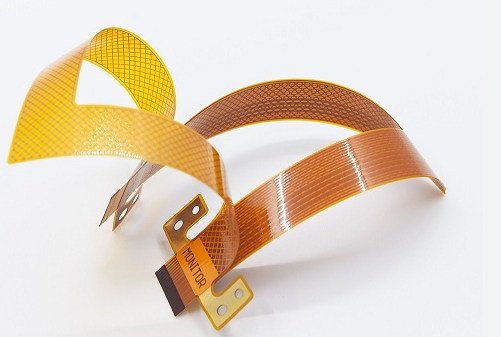
Flexible printed circuit boards (PCBs) have emerged as a revolutionary technology in the electronics industry, offering numerous advantages over traditional rigid PCBs. One of the most compelling benefits of flexible PCBs is their cost-effective manufacturing process. This article delves into the various aspects that make flexible PCBs a financially viable option for manufacturers, highlighting the factors that contribute to their cost efficiency.
To begin with, the material costs associated with flexible PCBs are generally lower than those for rigid PCBs.
Flexible PCBs are typically made from polyimide or polyester films, which are less expensive than the fiberglass and epoxy materials used in rigid PCBs. These materials not only reduce the overall cost but also offer superior flexibility and durability, making them ideal for a wide range of applications. Additionally, the lightweight nature of these materials contributes to lower shipping and handling costs, further enhancing their cost-effectiveness.
Moreover, the manufacturing process for flexible PCBs is streamlined and efficient, leading to significant cost savings.
Traditional rigid PCBs require multiple layers of materials and complex assembly processes, which can be time-consuming and expensive. In contrast, flexible PCBs can be produced using a simpler, more automated process that reduces labor costs and minimizes the potential for human error. This automation also allows for higher production yields, as the likelihood of defects is significantly reduced. Consequently, manufacturers can produce large quantities of flexible PCBs at a lower cost per unit, making them an attractive option for high-volume production runs.
Another factor contributing to the cost-effectiveness of flexible PCBs is their ability to reduce the need for additional components and connectors.
Flexible PCBs can be designed to fit into complex and compact spaces, eliminating the need for multiple rigid boards and the connectors that join them. This not only reduces the material costs but also simplifies the assembly process, leading to further savings in labor and production time. Additionally, the inherent flexibility of these PCBs allows for more efficient use of space within electronic devices, potentially reducing the overall size and weight of the final product. This can result in cost savings in terms of materials, packaging, and shipping.
Furthermore, flexible PCBs offer enhanced reliability and longevity, which can translate into long-term cost savings for manufacturers and end-users alike.
The flexibility of these PCBs allows them to withstand mechanical stress and vibrations better than their rigid counterparts, reducing the likelihood of damage and failure. This increased durability means that devices incorporating flexible PCBs are less likely to require repairs or replacements, leading to lower maintenance costs over time. Additionally, the improved reliability of flexible PCBs can enhance the overall performance and lifespan of electronic devices, providing further value to consumers and manufacturers.
In conclusion, the cost-effective manufacturing of flexible PCBs is driven by several key factors, including lower material costs, streamlined production processes, reduced need for additional components, and enhanced reliability. These advantages make flexible PCBs an attractive option for manufacturers seeking to optimize their production costs while maintaining high-quality standards. As the demand for compact, reliable, and cost-efficient electronic devices continues to grow, the adoption of flexible PCBs is likely to increase, further solidifying their position as a cornerstone of modern electronics manufacturing.