Flexible pcb assembly process
Understanding The Basics Of Flexible PCB Assembly
Flexible PCB assembly is a critical process in the manufacturing of modern electronic devices, offering numerous advantages over traditional rigid PCBs.
Understanding the basics of this process is essential for those involved in electronics design and production.
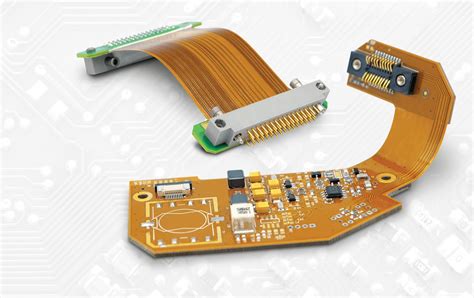
Flexible PCBs, or flex circuits, are designed to bend and conform to specific shapes, making them ideal for applications where space and weight are critical considerations. This adaptability allows for innovative designs in industries such as consumer electronics, automotive, and medical devices.
The assembly process of flexible PCBs begins with the design phase, where engineers create a layout that maximizes the benefits of flexibility while ensuring electrical performance and reliability.
The design must account for the unique properties of flexible materials, such as their ability to withstand bending and twisting. This requires careful consideration of the placement of components and the routing of traces to prevent mechanical stress that could lead to failure.
Once the design is finalized, the manufacturing process begins with the fabrication of the flexible substrate.
This substrate is typically made from polyimide or polyester materials, which provide the necessary flexibility and thermal stability. The substrate is then coated with a conductive material, usually copper, to form the circuit traces. Advanced techniques such as photolithography are employed to etch the desired circuit patterns onto the substrate with high precision.
Following the fabrication of the flexible circuit, the next step is the assembly of components.
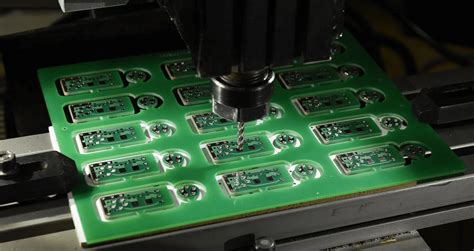
This involves placing and soldering electronic components onto the flexible substrate. Surface mount technology (SMT) is commonly used in this stage due to its efficiency and ability to handle small components. The flexibility of the substrate requires specialized equipment and techniques to ensure accurate placement and secure attachment of components. For instance, flexible PCBs may require the use of a carrier or fixture during assembly to maintain their shape and prevent damage.
The soldering process in flexible PCB assembly is particularly critical, as it must accommodate the thermal expansion properties of the flexible materials.
Techniques such as reflow soldering are adapted to ensure that the heat is evenly distributed, preventing warping or delamination of the substrate. Additionally, the choice of solder paste and flux is crucial to achieving reliable connections without compromising the flexibility of the circuit.
Quality control is an integral part of the flexible PCB assembly process.
Rigorous testing is conducted to verify the electrical performance and mechanical durability of the assembled circuits. This includes visual inspections, automated optical inspections (AOI), and functional testing to detect any defects or inconsistencies. Ensuring the reliability of flexible PCBs is paramount, as they are often used in critical applications where failure is not an option.
In conclusion, the flexible PCB assembly process is a complex and precise operation that requires a deep understanding of both materials and techniques. By leveraging the unique properties of flexible substrates, manufacturers can produce innovative electronic devices that meet the demands of modern technology. As the industry continues to evolve, advancements in materials and assembly methods will further enhance the capabilities and applications of flexible PCBs, solidifying their role in the future of electronics manufacturing.
Key Advantages Of Using Flexible PCBs In Modern Electronics
Flexible printed circuit boards (PCBs) have become an integral component in the realm of modern electronics, offering a multitude of advantages that cater to the evolving demands of technology. As electronic devices continue to shrink in size while expanding in functionality, the need for adaptable and efficient circuit solutions has never been more critical. Flexible PCBs, with their unique properties, address these needs by providing a versatile platform that enhances both design and performance.
One of the primary advantages of flexible PCBs is their ability to conform to complex shapes and fit into tight spaces.
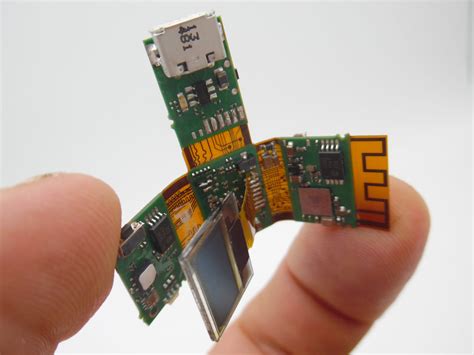
Unlike traditional rigid PCBs, flexible circuits can be bent, folded, and twisted without compromising their functionality. This adaptability is particularly beneficial in applications where space is at a premium, such as in wearable technology, medical devices, and compact consumer electronics. By allowing for more creative and efficient use of space, flexible PCBs enable designers to develop smaller, lighter, and more ergonomic products.
In addition to their physical flexibility, these PCBs offer significant improvements in reliability and durability.
The materials used in flexible PCBs, such as polyimide or polyester films, are inherently resistant to environmental stressors like heat, moisture, and vibration. This resilience ensures that the circuits maintain their integrity and performance over time, even in harsh conditions. Consequently, flexible PCBs are ideal for use in automotive, aerospace, and industrial applications, where reliability is paramount.
Moreover, flexible PCBs contribute to enhanced electrical performance.
The ability to design circuits with fewer interconnections and solder joints reduces the potential for connectivity issues and signal interference. This streamlined design not only improves the overall performance of the electronic device but also simplifies the assembly process, leading to cost savings in manufacturing. Furthermore, the reduced weight and volume of flexible PCBs can contribute to improved energy efficiency, a critical consideration in battery-powered devices.
Another notable advantage of flexible PCBs is their role in facilitating advanced technological innovations.
As the Internet of Things (IoT) continues to expand, the demand for interconnected devices that can communicate seamlessly is on the rise. Flexible PCBs support this trend by enabling the integration of sensors, antennas, and other components into a single, cohesive unit. This integration is essential for the development of smart devices that require compact, multifunctional circuit solutions.
The environmental benefits of flexible PCBs should not be overlooked.
The materials and processes used in their production often result in less waste compared to traditional rigid PCBs. Additionally, the longevity and reliability of flexible circuits can lead to longer product lifespans, reducing the need for frequent replacements and thereby minimizing electronic waste.
In conclusion, the key advantages of using flexible PCBs in modern electronics are manifold. Their adaptability, reliability, and enhanced performance make them an indispensable component in the design and manufacture of cutting-edge electronic devices. As technology continues to advance, the role of flexible PCBs is likely to grow, driving innovation and efficiency across a wide range of industries. By embracing the unique benefits of flexible PCBs, manufacturers can meet the challenges of modern electronics with solutions that are both practical and forward-thinking.

Challenges And Solutions In Flexible PCB Manufacturing
The flexible PCB assembly process presents a unique set of challenges that distinguish it from traditional rigid PCB manufacturing. As the demand for more compact, lightweight, and versatile electronic devices continues to grow, the need for flexible PCBs has become increasingly prominent. However, the inherent flexibility and thinness of these circuits introduce complexities that require innovative solutions to ensure reliability and performance.
One of the primary challenges in flexible PCB manufacturing is material selection.
Unlike rigid PCBs, which are typically made from fiberglass-reinforced epoxy, flexible PCBs use materials such as polyimide or polyester. These materials must be carefully chosen to balance flexibility with durability and thermal stability. The selection process is critical because the wrong material can lead to issues such as delamination, cracking, or inadequate thermal performance. To address this, manufacturers often conduct extensive testing and simulations to evaluate material properties under various conditions, ensuring that the chosen substrate can withstand the intended application environment.
Another significant challenge is the design complexity associated with flexible PCBs.
The need to accommodate bending and folding without compromising electrical performance requires meticulous design considerations. Engineers must account for factors such as bend radius, trace routing, and component placement to prevent mechanical stress and potential failure points. Advanced design software tools have become indispensable in this regard, allowing designers to simulate mechanical stresses and optimize layouts before production. These tools help in visualizing how the PCB will behave in real-world applications, thus reducing the risk of costly design iterations.
The manufacturing process itself also poses challenges, particularly in terms of handling and assembly.
Flexible PCBs are more delicate than their rigid counterparts, making them susceptible to damage during production. Automated handling systems and specialized equipment are often employed to minimize human contact and reduce the risk of physical damage. Additionally, the soldering process must be carefully controlled to prevent overheating, which can damage the flexible substrate. Techniques such as low-temperature soldering and the use of conductive adhesives are often employed to mitigate these risks.
Quality control is another critical aspect of flexible PCB manufacturing.
Given the potential for defects due to the complex nature of these circuits, rigorous testing protocols are essential. Manufacturers typically employ a combination of visual inspections, electrical testing, and advanced imaging techniques such as X-ray and automated optical inspection (AOI) to detect defects. These methods help ensure that each PCB meets the required specifications and functions as intended.
Despite these challenges, the solutions developed by the industry have significantly advanced the capabilities of flexible PCBs.
Innovations in materials science, design software, and manufacturing techniques have enabled the production of highly reliable and efficient flexible circuits. As technology continues to evolve, further advancements are expected to address existing challenges and open new possibilities for flexible PCB applications.
In conclusion, while the flexible PCB assembly process presents several challenges, the industry has made significant strides in overcoming them. Through careful material selection, advanced design tools, specialized manufacturing processes, and rigorous quality control, manufacturers can produce flexible PCBs that meet the demands of modern electronic devices. As the technology continues to advance, flexible PCBs are poised to play an increasingly vital role in the future of electronics, offering unparalleled versatility and performance.
Innovations And Future Trends In Flexible PCB Assembly
The flexible PCB assembly process has undergone significant advancements in recent years, driven by the increasing demand for more compact, lightweight, and versatile electronic devices. As technology continues to evolve, innovations in this field are shaping the future of electronics manufacturing, offering new possibilities and efficiencies.
One of the most notable trends in flexible PCB assembly is the integration of advanced materials.
These materials, such as polyimide and polyester, provide enhanced flexibility and durability, allowing for more complex and compact designs. This innovation not only improves the performance of electronic devices but also extends their lifespan, making them more reliable and cost-effective in the long run.
Moreover, the adoption of automated assembly processes is revolutionizing the flexible PCB industry.
Automation technologies, including robotic arms and advanced pick-and-place machines, are being increasingly utilized to enhance precision and reduce human error. This shift towards automation not only accelerates production times but also ensures consistent quality across large volumes of PCBs.
As a result, manufacturers can meet the growing demand for flexible electronics while maintaining high standards of quality and efficiency.
Furthermore, the integration of artificial intelligence and machine learning into the assembly process is another emerging trend. These technologies enable predictive maintenance and real-time monitoring, allowing manufacturers to identify potential issues before they escalate into costly problems. By leveraging AI and machine learning, companies can optimize their production lines, reduce downtime, and improve overall operational efficiency.
In addition to these technological advancements, the flexible PCB assembly process is also being influenced by the growing emphasis on sustainability.
As environmental concerns continue to rise, manufacturers are seeking ways to minimize waste and reduce their carbon footprint. This has led to the development of eco-friendly materials and processes that not only meet industry standards but also contribute to a more sustainable future.
For instance, the use of lead-free soldering techniques and recyclable materials is becoming increasingly common, reflecting a broader commitment to environmental responsibility. Another significant trend in the flexible PCB assembly process is the rise of miniaturization.
As consumer electronics become smaller and more portable, the demand for miniaturized components and assemblies is increasing. This trend is driving innovations in design and manufacturing techniques, enabling the production of highly compact and efficient PCBs. Advanced techniques such as laser drilling and fine-pitch component placement are being employed to achieve the high levels of precision required for miniaturized assemblies.
Looking ahead, the future of flexible PCB assembly is likely to be shaped by the continued convergence of various technologies.
The integration of flexible PCBs with emerging technologies such as the Internet of Things (IoT), wearable devices, and flexible displays is expected to drive further innovation and growth in the industry. As these technologies become more prevalent, the demand for flexible PCBs will continue to rise, prompting manufacturers to explore new materials, processes, and applications. In conclusion, the flexible PCB assembly process is undergoing a period of rapid innovation and transformation. Driven by advancements in materials, automation, AI, sustainability, and miniaturization, the industry is poised for significant growth and development. As manufacturers continue to embrace these trends, the future of flexible PCB assembly promises to be both exciting and dynamic, offering new opportunities and challenges for the electronics industry.