Flexible pcb supplier market

The market is driven by the increasing demand for flexible PCBs in various industries such as automotive, aerospace, consumer electronics, and healthcare.

The market is also influenced by the advancements in technology, such as the development of 5G networks, Internet of Things (IoT),

and artificial intelligence (AI), which require flexible PCBs for their functionality.
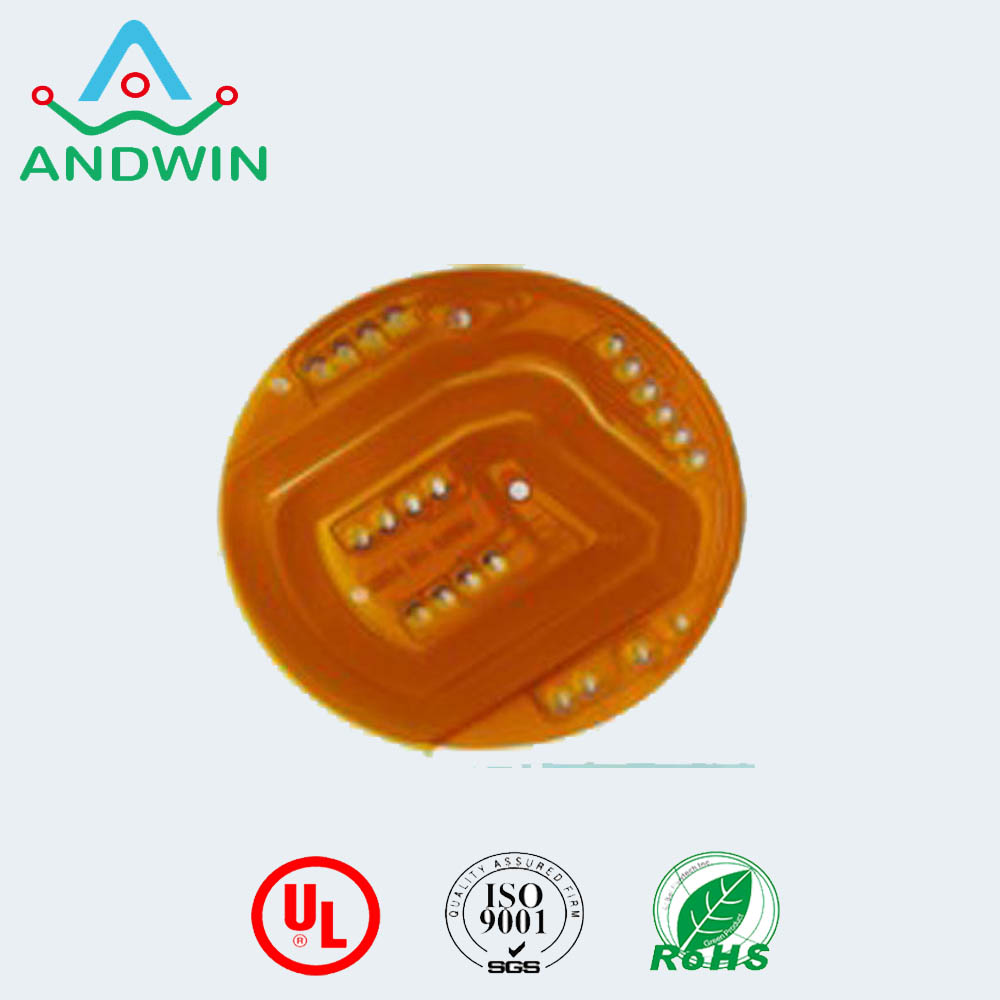
The market is segmented based on type, application, and region.

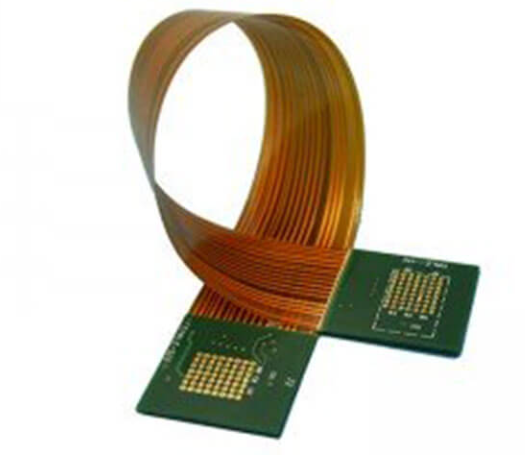
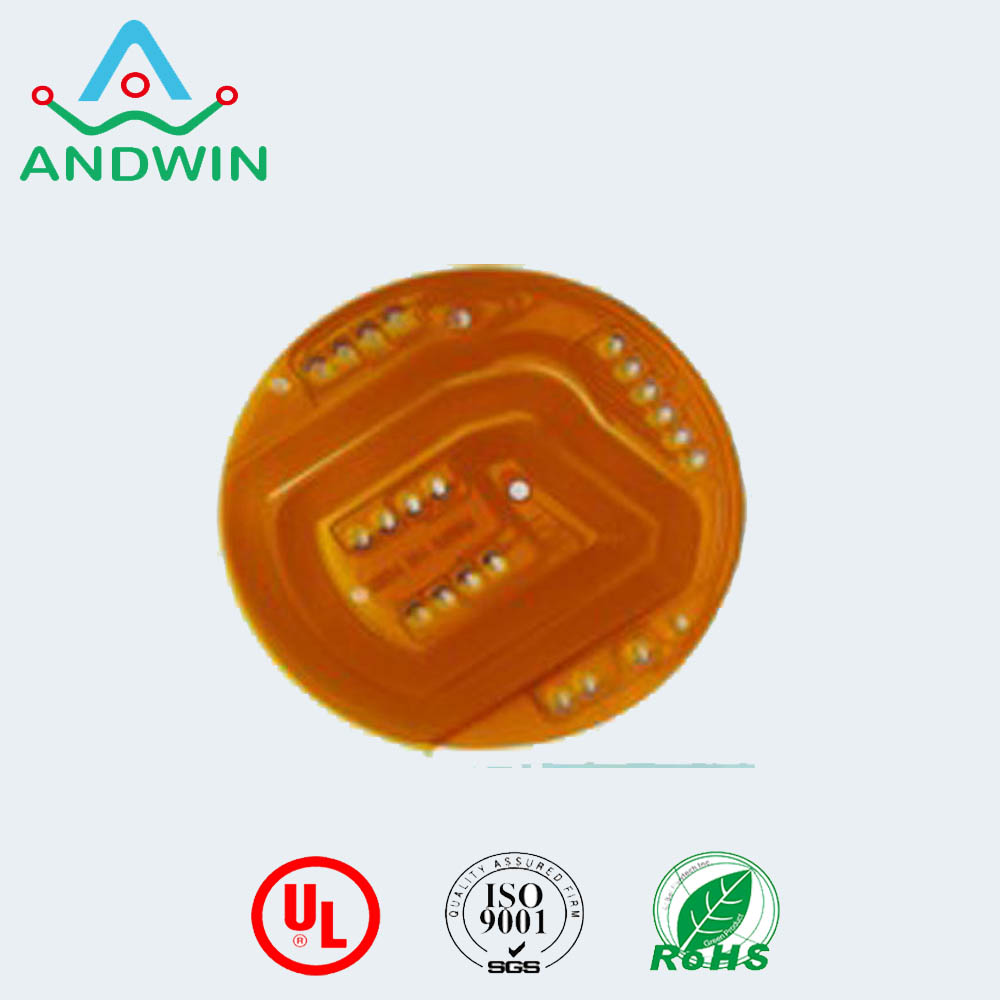
Based on type, the market is segmented into single-sided, double-sided, and multilayer flexible PCBs.

Based on application, the market is segmented into automotive, aerospace, consumer electronics, and healthcare.

Asia Pacific is the largest market for flexible PCB suppliers, with China and Japan being the major players in the region.

North America and Europe are also significant markets for flexible PCB suppliers,

with the United States and Germany being the major players in these regions.
GET IN TOUCH!

What is the flexible circuit board supplier related to

The flexible circuit board supplier is related to the electronics industry, as they provide a key component for electronic devices.

Flexible circuit boards are used in a wide range of applications, including smartphones, tablets, laptops, medical devices, and automotive electronics.

GET IN TOUCH!

Similar Posts

  • |

    Custom flex pcb

    Speed is an essential component of the rapid prototyping process.A custom quick turn PCB flex prototype is a common prototype manufacturing technique, and you can complete it in as little as one to three days. You will fabricate your PCBs and test them.This ensures that they meet your expectations and conform to stringent specifications during…

  • |

    Rogers PCB Calculator

    A Rogers PCB calculator is a tool used to calculate various parameters related to the design and manufacturing of printed circuit boards (PCBs) made with Rogers Corporation’s high-performance materials. Rogers PCB materials are known for their high dielectric constant, low loss tangent, and excellent thermal stability, making them ideal for high-frequency and high-speed applications. A…

  • |

    Flex pcb guidelines

    1. Design for Flexibility: Flex PCBs are designed to bend and twist, so make sure your design allows for flexibility. 2. Keep the Trace Widths and Spacing Consistent: Consistent trace widths and spacing will ensure that your PCB is reliable and performs as expected. 3. Use Rounded Corners: Rounded corners help to prevent stress points…

  • Rigid flex pcb design guidelines

    Rigid flex pcb design Guidelines A rigid-flex PCB is a type of printed circuit board that combines both rigid and flexible PCBs. It consists of multiple layers of rigid and flexible materials laminated together to create a single board. The rigid sections provide stability and support for components, while the flexible sections allow the board to bend and twist…

  • Kappa 438 Laminates

    Specifically formulated to have FR-4 matched dielectric constant (Dk),design transition to Kappa 438 laminates will be effortless. Theselaminates also exhibit low loss, tight Dk and thickness tolerancesneeded to meet the growing performance needs of the wirelessmarket traditionally served by higher end FR-4 materials. Demand forwireless data is growing exponentially, driving a need for substantiallyhigher levels…