Fpc vs flex pcb
Design Differences: FPC vs. Flex PCB
In the realm of modern electronics, the terms FPC (Flexible Printed Circuit) and Flex PCB (Flexible Printed Circuit Board) are often used interchangeably, yet they embody distinct design differences that are crucial for engineers and designers to understand. Both FPC and Flex PCB are pivotal in the development of compact, lightweight, and flexible electronic devices, but their unique characteristics and applications set them apart.
To begin with, FPCs are typically simpler in design compared to Flex PCBs.
An FPC is essentially a flexible circuit that consists of a thin insulating polymer film with conductive circuit patterns affixed to it. This simplicity allows FPCs to be highly adaptable, making them ideal for applications where space is at a premium and the circuit needs to conform to a specific shape. For instance, FPCs are commonly used in consumer electronics such as smartphones and cameras, where they connect various components within the device while allowing for movement and flexibility.
In contrast, Flex PCBs are more complex and robust, often incorporating multiple layers of flexible circuits laminated together.
This multilayer construction enables Flex PCBs to support more intricate circuit designs and higher component densities, which are essential for more demanding applications. Flex PCBs are frequently employed in industries such as aerospace and medical devices, where reliability and performance are paramount. The ability to integrate multiple layers also allows for the inclusion of additional features such as shielding and ground planes, which enhance the electrical performance and reduce electromagnetic interference.
Moreover, the materials used in FPCs and Flex PCBs contribute to their design differences.
FPCs typically use a single layer of polyimide film as the substrate, which provides excellent flexibility and thermal stability. This material choice is suitable for applications where the circuit will undergo frequent bending or flexing. On the other hand, Flex PCBs may use multiple layers of polyimide or other advanced materials to achieve the desired mechanical and electrical properties. These materials are selected based on the specific requirements of the application, such as the need for increased durability or resistance to harsh environmental conditions.
Another key difference lies in the manufacturing processes of FPCs and Flex PCBs.
The production of FPCs is generally more straightforward, involving fewer steps and less complexity. This simplicity can lead to cost savings, particularly for high-volume production runs. Conversely, the manufacturing of Flex PCBs is more intricate due to the need to align and bond multiple layers accurately. This complexity can result in higher production costs, but it also allows for greater design flexibility and functionality.
In conclusion, while FPCs and Flex PCBs share the common goal of providing flexible electronic solutions, their design differences are significant. FPCs offer simplicity and adaptability, making them suitable for applications where space and flexibility are critical. Flex PCBs, with their multilayer construction and advanced materials, provide enhanced performance and reliability for more demanding applications. Understanding these differences is essential for engineers and designers to select the appropriate technology for their specific needs, ensuring optimal performance and cost-effectiveness in their electronic designs.
Cost Considerations: FPC vs. Flex PCB
When evaluating the cost considerations between Flexible Printed Circuits (FPC) and Flex PCBs, it is essential to understand the nuances that differentiate these two technologies. Both FPC and Flex PCBs are integral to modern electronics, offering flexibility and reliability in various applications. However, their cost implications can significantly influence the decision-making process for manufacturers and designers.
To begin with, the fundamental difference between FPC and Flex PCB lies in their construction and application.
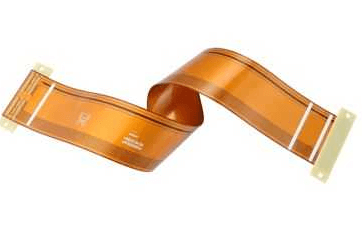
FPCs are typically single-sided circuits, designed for simple applications where minimal layers are required. In contrast, Flex PCBs can be multi-layered, accommodating more complex circuitry and components. This distinction is crucial as it directly impacts the cost. Generally, FPCs are less expensive to produce due to their simpler design and fewer materials required. The reduced complexity translates to lower manufacturing costs, making FPCs an attractive option for projects with budget constraints.
However, the cost-effectiveness of FPCs must be weighed against their limitations.
While they are suitable for straightforward applications, they may not meet the demands of more sophisticated electronic systems. This is where Flex PCBs come into play. Despite their higher initial cost, Flex PCBs offer greater versatility and functionality. They can support intricate designs and multiple layers, which are often necessary for advanced electronic devices. Therefore, while the upfront cost of Flex PCBs may be higher, they can provide long-term value by enabling more complex and efficient designs.
Moreover, the choice between FPC and Flex PCB can also be influenced by the production volume.
For small-scale production, FPCs might be more economical due to their lower setup costs. However, as production scales up, the cost per unit of Flex PCBs can decrease, making them more competitive. This is particularly true when considering the economies of scale in mass production, where the initial investment in Flex PCBs can be offset by the reduced cost per unit over time.
Another factor to consider is the material cost.
Both FPC and Flex PCBs use similar base materials, such as polyimide films and copper foils. However, the quantity and quality of these materials can vary significantly. Flex PCBs, with their multi-layered structures, often require more materials, contributing to their higher cost. Additionally, the need for advanced materials to ensure durability and performance in Flex PCBs can further increase expenses. On the other hand, FPCs, with their simpler construction, typically use fewer materials, which can result in cost savings.
Furthermore, the manufacturing process itself can influence the cost.
Flex PCBs often require more sophisticated fabrication techniques, such as laser drilling and advanced lamination processes, which can add to the overall expense. In contrast, the simpler manufacturing process of FPCs can lead to reduced labor and equipment costs.
In conclusion, while FPCs offer a cost-effective solution for simpler applications, Flex PCBs provide greater flexibility and capability for complex designs, albeit at a higher cost. The decision between the two should be guided by the specific requirements of the project, including complexity, production volume, and budget constraints. By carefully considering these factors, manufacturers and designers can make informed choices that balance cost with performance and functionality.
Applications and Use Cases: FPC vs. Flex PCB
Flexible Printed Circuits (FPC) and Flexible PCBs (Printed Circuit Boards) are both integral components in the realm of modern electronics, each offering unique advantages and applications. Understanding their distinct characteristics and use cases is essential for making informed decisions in electronic design and manufacturing.
FPCs are renowned for their lightweight and flexible nature, which makes them ideal for applications where space and weight are critical considerations.
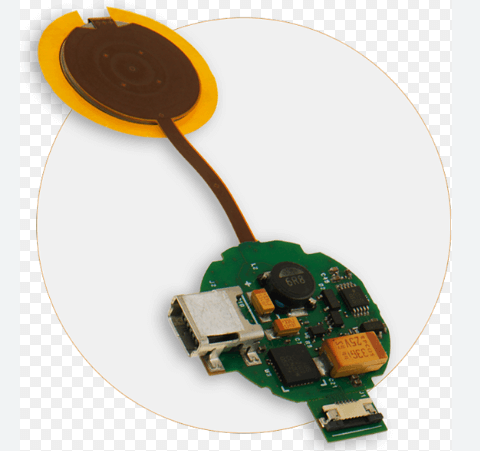
They are commonly used in consumer electronics such as smartphones, tablets, and laptops, where their ability to bend and conform to various shapes allows for more compact and efficient designs. This flexibility not only aids in reducing the overall size of electronic devices but also enhances their durability by absorbing mechanical stresses that could otherwise damage more rigid components.
In contrast, Flex PCBs, while similar in their ability to bend and flex, are often employed in more complex applications that require a higher degree of reliability and performance.
Flex PCBs are typically used in automotive and aerospace industries, where they must withstand harsh environmental conditions and maintain functionality over extended periods. Their robust design allows them to endure extreme temperatures, vibrations, and other challenging conditions, making them suitable for critical applications such as engine control systems and avionics.
Moreover, the medical field has also embraced the use of both FPCs and Flex PCBs, albeit in different capacities.
FPCs are frequently utilized in medical devices like hearing aids and wearable health monitors, where their lightweight and flexible properties enhance patient comfort and device usability. On the other hand, Flex PCBs are often found in more sophisticated medical equipment, such as imaging systems and diagnostic machines, where their reliability and precision are paramount.
Transitioning to the realm of industrial applications, FPCs are often favored in manufacturing processes that require intricate and compact circuit designs.
Their ability to be produced in large volumes at relatively low costs makes them an attractive option for mass-produced consumer goods. Conversely, Flex PCBs, with their superior durability and performance, are preferred in industrial automation systems and robotics, where they must reliably transmit signals and power in dynamic and demanding environments.
Furthermore, the telecommunications industry benefits from both FPCs and Flex PCBs, albeit in different contexts.
FPCs are commonly used in mobile devices and other portable communication equipment, where their flexibility and lightweight nature are advantageous. Meanwhile, Flex PCBs are integral to the infrastructure of telecommunications networks, providing the necessary reliability and performance for data transmission and signal processing in base stations and network servers.
In summary, while FPCs and Flex PCBs share some similarities in their ability to bend and conform to various shapes, their applications and use cases differ significantly based on their unique properties.
FPCs are typically employed in consumer electronics and medical devices where flexibility and lightweight design are crucial, whereas Flex PCBs are favored in more demanding environments such as automotive, aerospace, and industrial applications due to their enhanced durability and performance. Understanding these distinctions is vital for selecting the appropriate technology for specific electronic design and manufacturing needs, ensuring optimal functionality and reliability in the final product.
Manufacturing Challenges: FPC vs. Flex PCB
In the realm of modern electronics, the demand for compact, lightweight, and flexible devices has led to the increased use of flexible printed circuits (FPC) and flexible printed circuit boards (Flex PCB). While these technologies share similarities, they also present distinct manufacturing challenges that must be addressed to optimize their performance and reliability. Understanding these challenges is crucial for manufacturers aiming to meet the evolving needs of the electronics industry.
To begin with, both FPC and Flex PCB are designed to provide flexibility and adaptability in electronic devices, allowing for innovative designs that traditional rigid PCBs cannot accommodate.
However, the manufacturing processes for these two types of circuits differ significantly, leading to unique challenges. FPCs are typically single-sided circuits that are thinner and more flexible, making them ideal for applications where space is limited. On the other hand, Flex PCBs can be multi-layered, offering more complexity and functionality but also introducing additional manufacturing hurdles.
One of the primary challenges in manufacturing FPCs is ensuring the durability of the thin, flexible materials used.
The substrates for FPCs are often made from polyimide, a material known for its excellent thermal stability and flexibility. However, its thinness can make it susceptible to tearing or damage during the manufacturing process. To mitigate this risk, manufacturers must employ precise handling techniques and advanced equipment to maintain the integrity of the material. Additionally, the adhesive used to bond the copper layers to the substrate must be carefully selected to withstand the bending and flexing that FPCs will undergo in their applications.
In contrast, the manufacturing of Flex PCBs involves more complex processes due to their multi-layered nature.
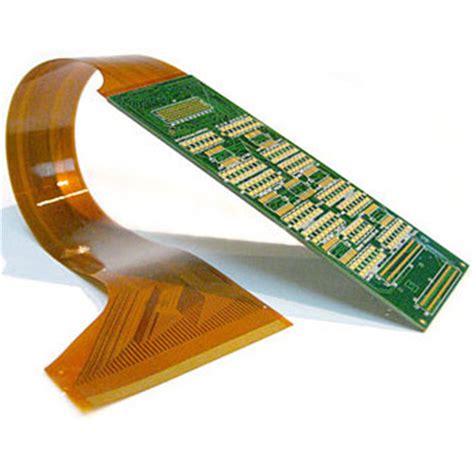
The challenge here lies in aligning and bonding multiple layers of flexible material without compromising the circuit’s flexibility. This requires meticulous attention to detail and advanced manufacturing techniques, such as sequential lamination and laser drilling, to ensure that each layer is accurately aligned and securely bonded. Furthermore, the increased complexity of Flex PCBs often necessitates more rigorous testing and quality control measures to ensure that the final product meets the required specifications.
Another significant challenge in the manufacturing of both FPCs and Flex PCBs is the need for precise and reliable soldering techniques.
The flexible nature of these circuits can make traditional soldering methods less effective, as the heat and pressure involved can damage the delicate materials. To address this, manufacturers often turn to specialized soldering techniques, such as reflow soldering with controlled temperature profiles, to ensure that the components are securely attached without compromising the circuit’s flexibility.
Moreover, as electronic devices continue to shrink in size, the demand for miniaturized components on FPCs and Flex PCBs has increased.
This trend presents additional challenges in terms of component placement and routing, as manufacturers must find ways to fit more functionality into smaller spaces without sacrificing performance. Advanced design software and precision manufacturing equipment are essential tools in overcoming these challenges, allowing manufacturers to create highly efficient and compact circuits.
In conclusion, while FPCs and Flex PCBs offer significant advantages in terms of flexibility and design possibilities, their manufacturing processes present unique challenges that must be carefully managed. By understanding these challenges and employing advanced techniques and technologies, manufacturers can produce high-quality flexible circuits that meet the demands of today’s rapidly evolving electronics industry.