Global PCB Manufacturing Leaders Powering 2023 Innovations
Key Takeaways
When navigating the PCB manufacturing landscape, understanding the leaders and innovations shaping 2023 is critical. Leading PCB manufacturing companies are driving advancements in high-density interconnect (HDI), flexible circuits, and rigid-flex hybrids, enabling smarter devices across industries like automotive, healthcare, and IoT. You’ll notice that PCB manufacturing cost remains a pivotal factor, with suppliers balancing material quality, production scalability, and sustainability to stay competitive.
Here’s a quick comparison of key considerations when evaluating PCB manufacturing business leaders:
| Factor | Impact |
|---|---|
| HDI Technology | Enables miniaturization for wearables and 5G devices |
| Flexible PCBs | Critical for foldable electronics and medical implants |
| Cost Efficiency | Driven by automation and regional supply chain optimization |
| Sustainability | Adoption of lead-free materials and energy-efficient processes |
Regional dominance also plays a role—Asia-Pacific remains the hub for high-volume production, while North America and Europe focus on specialized, low-volume PCB manufacturing. By prioritizing innovation and cost-effective practices, top companies ensure your projects stay ahead in performance and reliability.
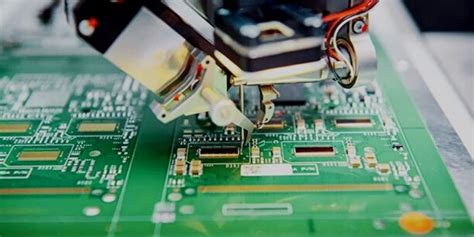
Global PCB Manufacturing Leaders 2023
When navigating the evolving landscape of PCB manufacturing, you’ll find 2023’s leaders are defined by their ability to balance precision, scalability, and innovation. These PCB manufacturing companies leverage advanced automation and AI-driven quality control to meet surging demand for high-density interconnect (https://www.andwinpcba.com) and Unimicron dominate sectors from automotive to aerospace, delivering solutions that prioritize miniaturization without compromising reliability.
A critical factor shaping decisions in PCB manufacturing cost is the shift toward sustainable materials and energy-efficient processes. Leading suppliers now integrate recycled copper and halogen-free substrates, reducing environmental impact while maintaining competitive pricing. Pro tip: > "When sourcing PCBs, prioritize vendors with transparent cost structures and certifications like ISO 14001 to align with both budgetary and sustainability goals."
For those managing a PCB manufacturing business, regional expertise matters. Asia-Pacific remains the epicenter, accounting for over 60% of global production, but North American and European firms are gaining traction through localized supply chains and rapid prototyping services. Whether you’re scaling IoT devices or next-gen wearables, partnering with leaders who excel in high-mix, low-volume (HMLV) production ensures agility in fast-moving markets. By understanding these dynamics, you can strategically align with manufacturers driving 2023’s most transformative electronics innovations.
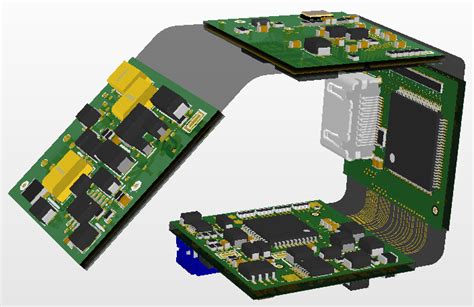
Cutting-Edge PCB Innovations Across Industries
As industries demand smarter, faster, and more compact devices, PCB manufacturing is evolving to meet these challenges head-on. From automotive to healthcare, flexible PCBs now enable bendable wearables and foldable displays, while HDI (High-Density Interconnect) boards power 5G infrastructure and AI-driven systems. Leading PCB manufacturing companies are leveraging advanced materials like liquid crystal polymer (LCP) to enhance signal integrity in high-frequency applications—critical for next-gen IoT and aerospace technologies.
You’ll notice how innovations are directly addressing PCB manufacturing cost pressures. For instance, additive manufacturing techniques reduce material waste, and automated optical inspection (AOI) systems improve yield rates. In the automotive sector, embedded PCBs streamline electric vehicle (EV) designs, integrating power electronics into compact spaces without sacrificing reliability. Meanwhile, the medical field benefits from biocompatible substrates in implantable devices—a breakthrough driven by collaborations between PCB manufacturing business leaders and biomedical engineers.
These advancements don’t exist in isolation. They’re part of a broader shift toward miniaturization and sustainability, themes that align with global market trends. Whether it’s optimizing thermal management for data centers or enabling ultra-thin consumer electronics, today’s PCB manufacturing breakthroughs are redefining what’s possible—setting the stage for even smarter industrial ecosystems tomorrow.
Top Rigid and Flex Board Suppliers Compared
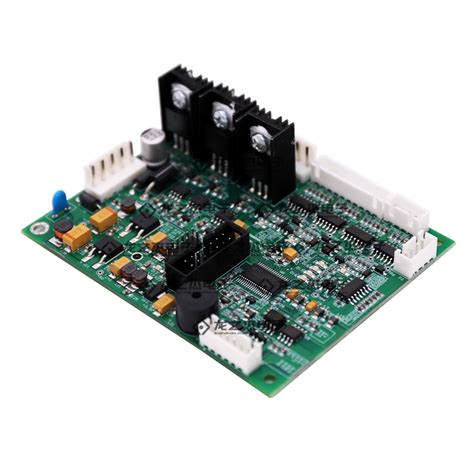
When evaluating PCB manufacturing companies for rigid PCBs versus flexible circuits, you’ll notice distinct leaders catering to specialized needs. For rigid PCB manufacturing, companies like TTM Technologies and Shennan Circuits dominate with high-volume production capabilities, ideal for automotive and industrial applications requiring durability. Their expertise in minimizing PCB manufacturing cost through advanced automation makes them preferred partners for standardized designs.
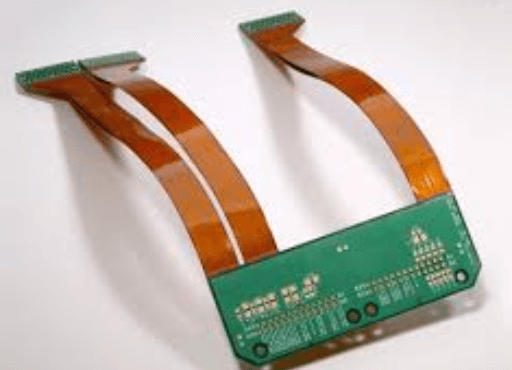
On the flex side, suppliers like Nippon Mektron and Flexium Interconnect excel in producing lightweight, bendable boards critical for wearables and aerospace. These PCB manufacturing specialists prioritize precision layering and material innovation, though their processes often involve higher complexity—and costs—compared to rigid alternatives.
However, hybrid solutions are emerging. Leaders such as Unimicron and AT&S now offer rigid-flex boards, blending both technologies to reduce assembly steps in compact devices like medical sensors. When choosing a supplier, weigh their PCB manufacturing business focus: some prioritize rapid prototyping for startups, while others emphasize scalability for enterprise clients. The right partner balances technical expertise with cost efficiency, ensuring your project aligns with broader trends in miniaturization and IoT integration.
HDI Technology Advancements in Electronics
When you consider how modern devices are shrinking in size yet expanding in capability, HDI (High-Density Interconnect) technology stands at the forefront of this evolution. Leading PCB manufacturing companies are pushing the boundaries of miniaturization and signal integrity, enabling denser circuits with microvias and stacked layers that outperform traditional designs. These advancements directly address rising demands for faster, lighter, and more reliable electronics—from 5G infrastructure to wearable medical devices.
A key driver of innovation lies in balancing PCB manufacturing cost with performance. By adopting laser drilling and advanced lamination techniques, manufacturers reduce material waste while achieving finer trace widths, critical for high-frequency applications. This efficiency not only lowers production expenses but also opens doors for smaller businesses to enter the PCB manufacturing business with competitive, high-quality offerings.
However, challenges persist. As designs grow more complex, maintaining yield rates requires precision engineering and rigorous testing. Forward-thinking firms are investing in AI-driven inspection systems to mitigate defects, ensuring that PCB manufacturing scales sustainably. For industries like automotive and aerospace, where reliability is non-negotiable, these breakthroughs in HDI technology are redefining what’s possible—proving that innovation isn’t just about smaller boards, but smarter ones.
Global PCB Market Trends and Key Players
As you navigate the evolving landscape of PCB manufacturing, understanding market dynamics becomes critical. The global PCB manufacturing companies are projected to exceed $89 billion by 2028, driven by demand for 5G infrastructure, IoT devices, and automotive electronics. Regional shifts are reshaping competition: Asia-Pacific remains dominant, accounting for over 70% of production, while North America and Europe focus on high-margin niche sectors like aerospace and medical devices.
Key players like Unimicron, Zhen Ding Tech, and TTM Technologies are optimizing PCB manufacturing cost through automation and advanced material sourcing. Meanwhile, emerging markets in Southeast Asia are attracting investments due to lower labor expenses and favorable trade policies. However, rising raw material prices and stricter environmental regulations challenge the PCB manufacturing business, pushing firms to adopt sustainable practices without compromising innovation.
Transitioning to next-gen technologies, leaders are balancing scalability with customization—offering tailored solutions for AI hardware and flexible displays. This strategic alignment ensures they stay ahead in a market where agility and technical expertise define success.
Regional Dominance in Circuit Board Production
When evaluating PCB manufacturing hubs, you’ll notice distinct geographic clusters shaping the industry’s global footprint. Asia-Pacific remains the undisputed leader, accounting for over 80% of global production, driven by cost-efficient labor, mature supply chains, and high-volume PCB manufacturing companies in China, Taiwan, and South Korea. These regions excel in balancing PCB manufacturing cost with precision engineering, making them go-to destinations for consumer electronics and automotive applications.
North America and Europe, meanwhile, focus on specialized niches like aerospace and defense, where stringent quality standards justify higher PCB manufacturing business expenses. For instance, U.S.-based manufacturers leverage advanced automation to offset labor costs, while European firms prioritize sustainability—a growing differentiator.
Emerging markets in Southeast Asia and India are gaining traction, offering competitive pricing for mid-tier PCB manufacturing needs. However, infrastructure gaps and regulatory hurdles still challenge scalability. By understanding these regional dynamics, you can strategically align sourcing decisions with technical requirements and budget constraints, ensuring seamless integration into global supply chains.
Sustainable Practices in PCB Manufacturing
As environmental regulations tighten and consumer demand shifts toward eco-conscious products, PCB manufacturing companies are redefining their operational frameworks. You’ll find leading players adopting closed-loop water systems and lead-free soldering techniques to minimize ecological footprints—practices that also stabilize long-term PCB manufacturing cost by reducing waste and energy consumption. For instance, recycling copper from production scraps not only lowers raw material expenses but aligns with circular economy principles, a critical factor for businesses aiming to future-proof their PCB manufacturing business.
Innovations like halogen-free laminates and biodegradable substrates are gaining traction, enabling manufacturers to meet stringent international standards such as RoHS and REACH. Transitioning to renewable energy sources, such as solar-powered fabrication facilities, further underscores this shift. While these upgrades may require upfront investments, they enhance brand reputation and open doors to markets prioritizing sustainability.
By integrating these practices, PCB manufacturing leaders demonstrate that environmental responsibility doesn’t hinder competitiveness—it accelerates it. Whether you’re sourcing rigid boards for automotive systems or flexible circuits for wearables, partnering with eco-conscious suppliers ensures your projects align with global sustainability benchmarks without compromising performance.
Future-Proofing Electronics with Advanced PCBs
To stay ahead in today’s fast-paced tech landscape, you need PCB manufacturing solutions that adapt to evolving demands. Leading PCB manufacturing companies are now integrating AI-driven design tools and advanced material science to create boards that support next-gen applications—from 5G infrastructure to IoT devices. By optimizing PCB manufacturing cost through automated production lines and waste-reduction techniques, these innovators ensure scalability without compromising quality.
The shift toward high-density interconnect (HDI) designs and flex-rigid hybrids exemplifies how PCB manufacturing business models prioritize longevity. These technologies enable thinner, lighter, and more durable circuits, critical for wearables and aerospace systems. As you evaluate suppliers, consider how their R&D investments align with emerging standards like embedded components and thermal management solutions.
Transitioning to advanced PCBs isn’t just about performance—it’s about resilience. By leveraging sustainable materials and modular architectures, manufacturers help you future-proof products against rapid obsolescence. This strategic approach ensures your electronics remain competitive, even as industry requirements evolve.
Conclusion
As you navigate the evolving landscape of PCB manufacturing, it’s clear that partnering with leading PCB manufacturing companies is critical to staying competitive. The balance between innovation and PCB manufacturing cost remains a focal point, with top suppliers leveraging advanced technologies to optimize production efficiency while meeting market demands for high-density and flexible solutions. Whether you’re scaling a PCB manufacturing business or sourcing boards for cutting-edge applications, understanding regional strengths—from Asia’s cost-effective hubs to North America’s precision-driven facilities—ensures informed decisions.
Sustainability has emerged as a non-negotiable factor, with eco-friendly practices now integral to maintaining long-term viability in this sector. By prioritizing suppliers that align with your technical and ethical standards, you future-proof your operations against regulatory shifts and consumer expectations. The rise of HDI and flexible PCBs underscores the importance of adaptability, enabling you to meet tomorrow’s challenges without compromising today’s PCB manufacturing quality. Ultimately, success hinges on aligning with partners who not only deliver reliability but also drive the innovations shaping electronics’ next frontier.
Frequently Asked Questions
How do global PCB manufacturing companies ensure quality control?
Leading PCB manufacturing firms implement automated optical inspection (AOI) and rigorous testing protocols to maintain industry standards. Many utilize AI-driven defect detection systems, reducing errors by up to 40% compared to traditional methods.
What factors influence pcb manufacturing cost for complex designs?
Costs depend on material selection (e.g., high-frequency laminates), layer count, and precision requirements. PCB manufacturing business models often scale pricing based on order volume, with HDI boards costing 20-30% more than standard rigid designs due to advanced laser drilling.
Can pcb manufacturing support both prototyping and mass production?
Yes, most top-tier suppliers offer flexible services—from low-volume prototypes to high-speed mass production. Look for companies with ISO 9001 certification to ensure consistency across batch sizes.
How do environmental regulations affect pcb manufacturing companies?
Global leaders now prioritize halogen-free materials and lead-free finishes, complying with RoHS directives. Over 65% of manufacturers have adopted water recycling systems, cutting waste by 50% while maintaining pcb manufacturing cost efficiency.
What industries rely most on advanced pcb manufacturing?
Medical devices, automotive electronics, and 5G infrastructure drive demand for specialized boards. Flex PCBs, for instance, now account for 18% of automotive pcb manufacturing business revenue due to their space-saving advantages.
Ready to Optimize Your PCB Project?
For tailored solutions from industry-certified experts, please click here to connect with AndwinPCB’s Professional Team.