Global PCB Manufacturing Leaders: Top 10 Rankings
Key Takeaways
When evaluating PCB manufacturing leaders, you’ll notice that innovation and scalability define the top players. The best PCB manufacturing companies balance advanced technologies with cost efficiency, ensuring they meet diverse client demands—from consumer electronics to aerospace applications. Material selection and precision engineering remain critical factors influencing PCB manufacturing cost, which varies significantly across regions. For instance, China dominates high-volume production with competitive pricing, while Taiwan excels in high-density interconnect (HDI) and flexible PCB solutions.
Understanding regional strengths helps in selecting suppliers aligned with your project’s technical and budgetary needs. The PCB manufacturing business thrives on adaptability, with leaders investing in AI-driven quality control and sustainable practices to stay ahead. If you’re sourcing PCBs, consider regional certifications and supply chain resilience alongside technical capabilities. As the industry grows—projected to exceed $89 billion by 2027—prioritizing partnerships with innovators ensures access to cutting-edge solutions while mitigating risks linked to geopolitical or logistical challenges.
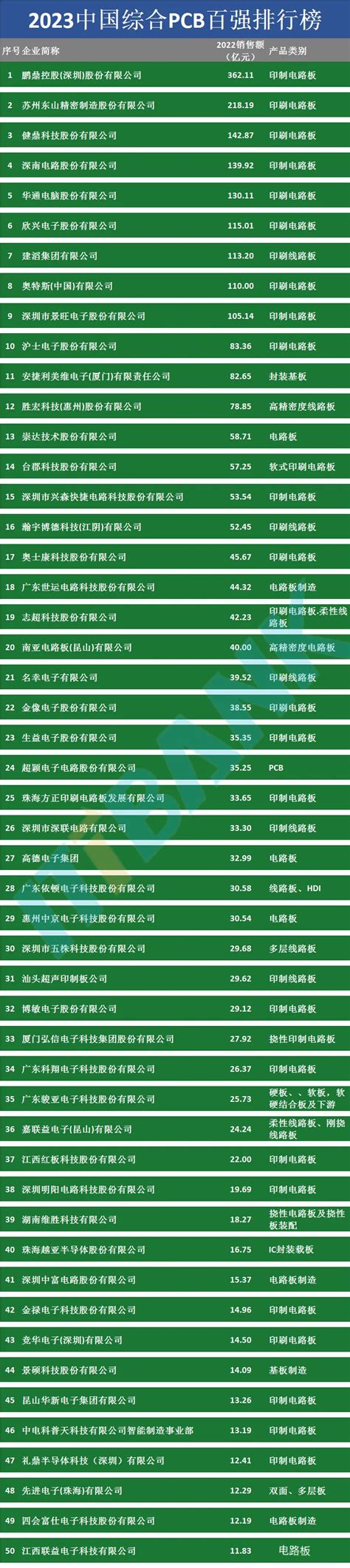
Global PCB Industry Leaders 2023
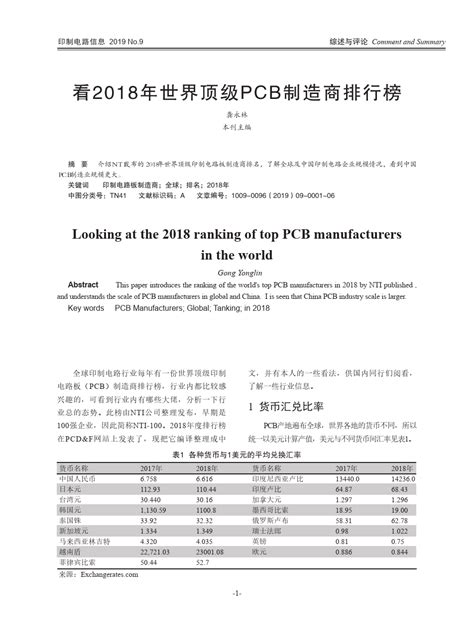
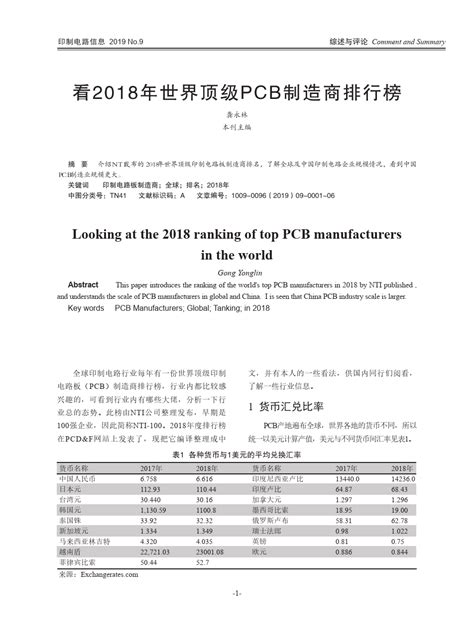
When evaluating PCB manufacturing leaders in 2023, you’ll notice a dynamic landscape shaped by technological innovation and regional specialization. The top PCB manufacturing companies dominate markets through advanced capabilities in high-density interconnect (HDI) boards, flexible circuits, and sustainable production methods. For instance, companies like Unimicron (Taiwan) and Shennan Circuits (China) excel in precision engineering, while North American firms focus on low-volume, high-reliability solutions for aerospace and defense.
Tip: Always assess a supplier’s expertise in your specific application—whether it’s consumer electronics or industrial automation—to align with their PCB manufacturing business strengths.
A critical factor in choosing partners is balancing PCB manufacturing cost with quality. Asian manufacturers often lead in cost efficiency due to scaled operations, but regional tariffs or logistics complexities can offset savings. Below is a comparison of key regions:
| Region | Market Share | Specialty | Cost Competitiveness |
|---|---|---|---|
| China | 52% | High-volume production | ★★★★★ |
| Taiwan | 18% | Advanced HDI technology | ★★★★☆ |
| North America | 12% | Aerospace-grade PCBs | ★★★☆☆ |
| Europe | 10% | Automotive and industrial | ★★☆☆☆ |
Emerging trends like AI-driven quality control and recyclable substrates are reshaping the industry, enabling faster prototyping and reducing waste. However, geopolitical factors and supply chain diversification remain pivotal considerations. As you navigate partnerships, prioritize suppliers that transparently address PCB manufacturing cost structures while demonstrating agility in adapting to market shifts.
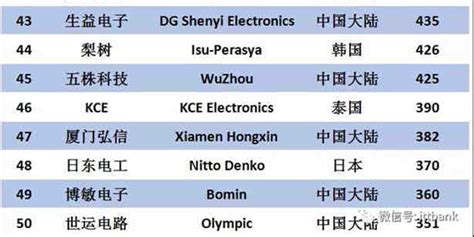
Driving Electronics Innovation Through PCBs
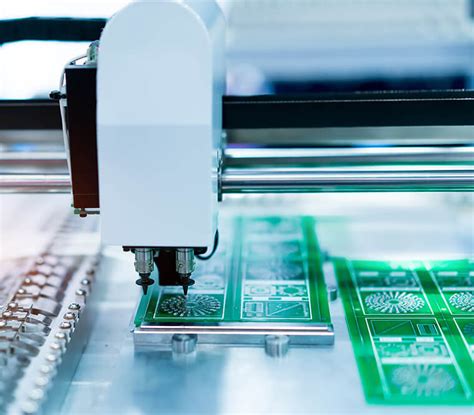
Modern electronics rely on PCB manufacturing advancements to push technological boundaries, enabling breakthroughs in everything from wearables to AI systems. High-density interconnect (HDI) designs and flexible substrates now allow PCB manufacturing companies to create lighter, faster, and more durable circuits—critical for 5G infrastructure, electric vehicles, and IoT devices. While PCB manufacturing cost remains a key consideration, leading suppliers optimize production through automated assembly lines and advanced materials like low-loss laminates, balancing performance with affordability.
Your choice of PCB manufacturing business partners directly impacts product scalability. Innovators prioritize suppliers offering rapid prototyping and multi-layer fabrication capabilities, ensuring seamless integration with emerging technologies like edge computing. For instance, companies adopting embedded component PCBs reduce device footprints by 40% while boosting signal integrity—a game-changer for compact electronics. By aligning with manufacturers investing in sustainability and Industry 4.0 practices, you gain access to eco-friendly processes and real-time quality monitoring, future-proofing your supply chain.
As demand surges for smarter, energy-efficient devices, the strategic role of PCBs in electronics innovation becomes undeniable. The right manufacturing partner doesn’t just deliver boards—it fuels your competitive edge in a hyper-connected world.
China vs Taiwan PCB Production Capabilities
When evaluating PCB manufacturing capabilities across Asia, you’ll find China and Taiwan dominating the landscape—but with distinct competitive edges. China’s scale-driven approach leverages massive production clusters in regions like Guangdong and Jiangsu, supported by government incentives and lower PCB manufacturing cost structures. This enables Chinese PCB manufacturing companies to serve high-volume orders for consumer electronics and automotive sectors efficiently.
Taiwan, meanwhile, excels in precision engineering and advanced technologies, particularly in high-density interconnect (HDI) and flexible circuits. Taiwanese manufacturers prioritize R&D investments, making them leaders in miniaturized PCBs for cutting-edge applications like 5G infrastructure and AI hardware. While labor costs are higher than China’s, Taiwan’s PCB manufacturing business thrives on tighter quality control and faster prototyping cycles.
Geopolitical factors also shape regional strengths: China’s domestic supply chain integration reduces material lead times, whereas Taiwan’s partnerships with global semiconductor giants enhance its technical agility. For businesses balancing PCB manufacturing cost with innovation needs, understanding these contrasts becomes critical when sourcing between these two hubs.
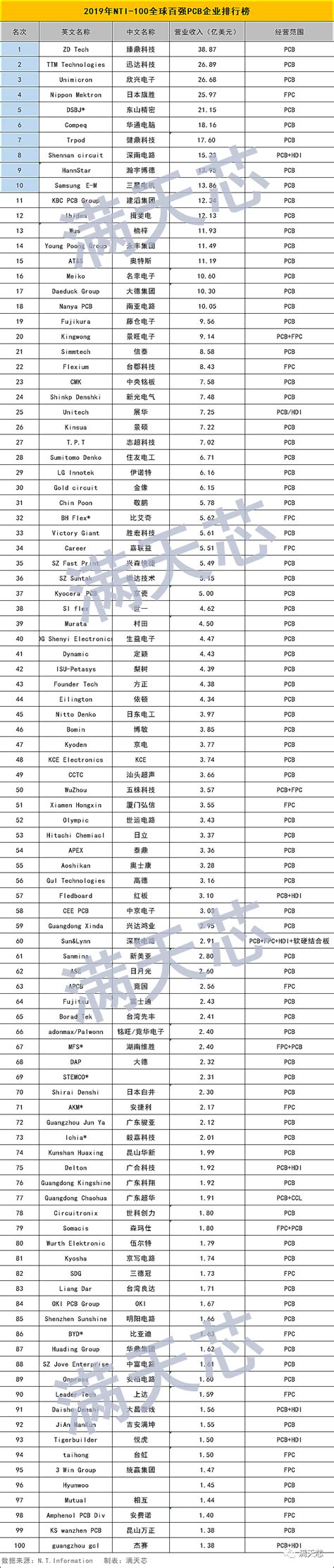
PCB Technology Leaders Market Comparison
When evaluating PCB manufacturing leaders, you’ll notice distinct technological advantages among top players. Companies like Unimicron and Zhen Ding Tech dominate with advanced high-density interconnect (HDI) and flexible PCB solutions, while others excel in thermal management for high-power applications. These PCB manufacturing companies prioritize R&D investments—often allocating 8–12% of revenue—to maintain edge in miniaturization and signal integrity, critical for 5G and AI hardware.
Geographic specialization plays a role too: Taiwanese firms lead in precision etching for consumer electronics, whereas Chinese giants focus on scaling cost-optimized production for automotive and industrial sectors. However, PCB manufacturing cost disparities persist—automation-driven regions like Japan achieve 15–20% lower defect rates compared to emerging hubs. For your PCB manufacturing business, balancing technical capability with supply chain agility becomes vital when partnering with top-tier suppliers.
Transitioning between regions, you’ll find hybrid models gaining traction—combining Southeast Asia’s labor efficiencies with East Asia’s tech infrastructure—to address fluctuating demand cycles. This strategic diversification ensures leaders adapt faster to material shortages or geopolitical shifts, solidifying their positions in a $90 billion global market.
Regional PCB Manufacturing Hubs Analysis
When evaluating PCB manufacturing ecosystems, geographic distribution reveals distinct competitive advantages. Asia dominates the landscape, with China accounting for over 50% of global production due to its integrated supply chains and scalable infrastructure. Taiwan, meanwhile, excels in high-mix, low-volume PCB manufacturing companies, specializing in advanced HDI and IC substrates for premium electronics.
North America and Europe prioritize specialized sectors like aerospace and medical devices, where PCB manufacturing cost considerations balance stringent quality standards. For instance, U.S. hubs leverage automation to offset labor expenses, while German firms focus on precision engineering for automotive applications.
Southeast Asia is emerging as a cost-competitive alternative, with nations like Vietnam and Thailand attracting PCB manufacturing business investments through tax incentives and growing technical expertise. This shift reflects a broader trend of diversification, as companies seek to mitigate geopolitical risks and optimize logistics.
Regional strengths ultimately shape sourcing strategies: whether you prioritize cost efficiency, technological specialization, or supply chain resilience, understanding these hubs ensures alignment with your project’s demands.
Innovative PCB Manufacturing Trends Unveiled
As you evaluate the evolving landscape of PCB manufacturing, it’s clear that cutting-edge technologies are reshaping production efficiency and design capabilities. Leading PCB manufacturing companies now prioritize automation and AI-driven quality control to minimize PCB manufacturing cost while maintaining precision. Advanced techniques like high-density interconnect (HDI) layouts and flexible PCB fabrication are becoming industry standards, enabling thinner, lighter, and more durable electronics.
Sustainability is another critical focus, with firms adopting green chemistry in etching processes and recycling copper-clad laminates to reduce waste. These innovations not only align with global environmental regulations but also strengthen the long-term viability of the PCB manufacturing business.
Regional hubs are leveraging IoT-enabled smart factories to streamline workflows, offering real-time monitoring that cuts downtime by up to 30%. For businesses seeking partners, understanding these trends helps identify suppliers balancing PCB manufacturing cost with next-gen capabilities. Whether you’re prototyping or scaling production, aligning with manufacturers embracing additive processes and modular designs ensures you stay ahead in a competitive market.
Selecting Top PCB Suppliers Worldwide
When evaluating PCB manufacturing companies for your project, balancing technical expertise with PCB manufacturing cost efficiency becomes critical. Start by verifying certifications like ISO 9001 or UL listing, which signal adherence to quality standards. Leading suppliers often differentiate themselves through advanced capabilities—such as HDI (High-Density Interconnect) or flexible PCB production—that align with evolving industry demands.
Geographic location plays a role too: Asia dominates PCB manufacturing due to established supply chains, but regional hubs in North America and Europe offer advantages like faster turnaround for local markets. Scrutinize their production scalability—can they handle bulk orders without compromising lead times? Transparency in PCB manufacturing business practices, including material sourcing and environmental compliance, also impacts long-term partnerships.
Cross-reference their innovation track record with your requirements. For instance, if your project demands cutting-edge IoT solutions, prioritize firms investing in embedded component technologies or AI-driven quality control. Finally, request detailed cost breakdowns to avoid hidden fees, ensuring your selection aligns with both technical and budgetary goals. This approach ensures you partner with suppliers capable of supporting your product’s lifecycle while staying competitive globally.
Global PCB Market Growth Projections
The PCB manufacturing industry is poised for steady expansion, with analysts projecting a 5.2% compound annual growth rate (CAGR) through 2028. This upward trajectory aligns with surging demand for advanced electronics in sectors like 5G infrastructure, automotive electrification, and IoT devices. As you evaluate market dynamics, consider how PCB manufacturing companies are adapting to scalability challenges—balancing rising PCB manufacturing cost pressures from raw materials with investments in automation and energy-efficient processes.
Regional disparities further shape growth patterns. Asia-Pacific retains dominance, accounting for over 60% of global output, driven by China’s mature supply chains and Taiwan’s high-mix, low-volume expertise. Meanwhile, North America and Europe are prioritizing localized PCB manufacturing business ecosystems to mitigate geopolitical risks. For stakeholders, understanding these shifts is critical: while cost optimization remains paramount, innovation in flexible and high-frequency PCBs will define competitive edges. This growth hinges on seamless integration with emerging technologies—a reality reshaping how suppliers and buyers collaborate across the value chain.
Conclusion
When navigating the complex landscape of PCB manufacturing, aligning your priorities with the right PCB manufacturing companies is critical. Whether you prioritize cutting-edge innovation, regional specialization, or PCB manufacturing cost efficiency, the global leaders highlighted in this analysis offer distinct advantages. Cost-effectiveness often hinges on balancing scale and precision, while supply chain resilience depends on leveraging regional hubs like China and Taiwan.
As you evaluate partners for your PCB manufacturing business, consider how emerging technologies—such as high-density interconnect (HDI) boards or flexible PCBs—align with your project’s demands. Leading manufacturers differentiate themselves through R&D investment and customization capabilities, ensuring they stay ahead in a competitive market.
Ultimately, the choice boils down to matching technical requirements with geographic and economic realities. By understanding the strengths of top-tier suppliers, you can optimize both performance and PCB manufacturing cost without compromising quality. With the industry projected to grow steadily, staying informed about evolving trends will help you make strategic decisions that future-proof your operations.
FAQs
When evaluating PCB manufacturing partners, you might wonder how industry leaders maintain quality while managing PCB manufacturing cost. Leading PCB manufacturing companies optimize production through automated workflows and bulk material procurement, but design complexity and certification requirements significantly impact pricing.
How do regional hubs influence your PCB manufacturing business decisions? While China dominates high-volume production, Taiwan excels in advanced HDI boards, requiring you to balance technical specifications with logistical considerations. Southeast Asian facilities are gaining traction for tariff advantages, particularly for North American markets.
What certifications should you prioritize? Top-tier suppliers typically hold ISO 9001, IATF 16949, and UL listings, ensuring compliance across automotive, medical, and aerospace sectors. Smaller PCB manufacturing firms might lack these credentials but offer faster turnaround for prototypes.
Explore Custom PCB Manufacturing Solutions
For tailored project support, please click here to connect with engineers specializing in high-reliability boards and cost-optimized production strategies.
Can sustainability practices reduce long-term PCB manufacturing cost? Forward-thinking companies integrate recycling programs and lead-free materials, which may lower waste disposal fees and align with EU RoHS directives. However, initial investments in eco-friendly processes could affect short-term budgets.
Why do timelines vary between PCB manufacturing companies? Turnaround depends on layer count, testing protocols, and surface finishes. A 2-layer board might ship in 5 days, while a 20-layer design with impedance control could require 3 weeks. Always clarify lead times during RFQ stages.