Global PCB Manufacturing Leaders: Top Industry Players
Key Takeaways
When navigating the PCB manufacturing landscape, understanding market leaders and cost drivers helps you make informed decisions. The current competitive field features established PCB manufacturing companies optimizing production scales while integrating advanced technologies to reduce PCB manufacturing cost. Consider these critical insights:
| Factor | Impact on PCB Business | Regional Advantage |
|---|---|---|
| Material Innovation | 12-18% cost reduction potential | Asia-Pacific dominates raw material supply |
| Automation Adoption | 30% faster turnaround times | North America leads in AI-driven facilities |
| Environmental Compliance | 7-15% premium pricing | European manufacturers excel in sustainability |
"Smart material sourcing can offset 20% of baseline PCB manufacturing costs without compromising quality," notes industry analyst Maria Chen from TechCircuit Insights.
Three factors significantly influence your PCB manufacturing business strategy:
- Geographic clustering of suppliers in Eastern Asia reduces logistics overhead
- HDI technology adoption increases product value but requires specialized equipment
- Regulatory shifts toward halogen-free materials impact long-term cost projections
Pro Tip: When evaluating PCB manufacturing companies, cross-reference their ISO 14001 certification status with their waste-reduction track record. Leading firms now publish sustainability metrics alongside traditional capability statements, creating new benchmarks for responsible production.
Transitioning between market segments demands awareness of regional specialization – while China handles 52% of global rigid PCB output, Taiwan’s expertise in high-density interconnect (HDI) boards proves crucial for compact device designs. Your sourcing decisions should align with both technical specifications and evolving environmental mandates shaping the industry.
Global PCB Manufacturing Leaders 2023
When evaluating PCB manufacturing in 2023, you’ll find a competitive landscape driven by technological expertise, scale, and innovation. Leading PCB manufacturing companies like those in the Asia-Pacific region continue to dominate, leveraging advanced production capabilities and cost efficiencies. These industry giants excel in delivering high-performance rigid, flex, and HDI boards, catering to sectors from consumer electronics to automotive systems.
A critical factor shaping the market is PCB manufacturing cost, which influences sourcing decisions globally. Companies balancing precision with affordability often adopt automation and smart factory solutions to reduce waste and optimize workflows. For businesses exploring the PCB manufacturing business, understanding regional advantages—such as Taiwan’s semiconductor ecosystem or Europe’s focus on sustainability—is key to strategic partnerships.
Emerging trends like 5G infrastructure and AI-driven devices are pushing manufacturers to innovate faster, particularly in high-density interconnect (HDI) technology. However, challenges like material shortages and geopolitical shifts require agile adaptation. To stay ahead, many firms are investing in R&D for eco-friendly materials, aligning with global demand for greener electronics.
For deeper insights into how leaders maintain their edge, explore this analysis on evolving production strategies. As competition intensifies, the ability to scale while maintaining quality remains the hallmark of top-tier PCB manufacturing players worldwide.
Key Players in Rigid-Flex Circuit Boards
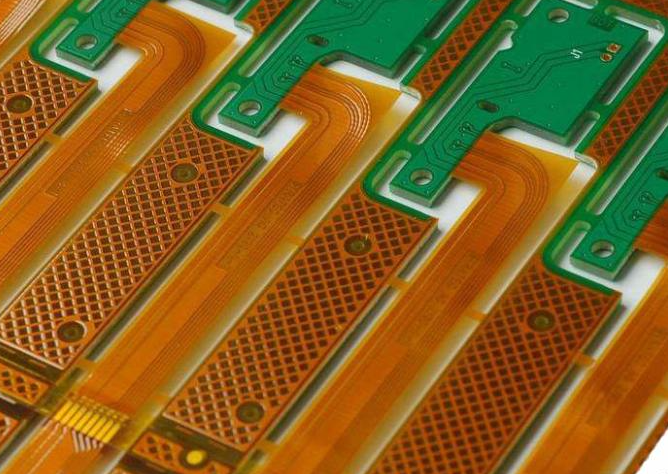
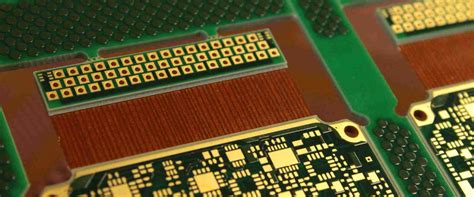
When evaluating PCB manufacturing innovations, you’ll find that rigid-flex circuit boards represent one of the most technically demanding segments. Leading PCB manufacturing companies like TTM Technologies, Flexium Interconnect, and Shenzhen Kinwong Electronic specialize in hybrid designs that merge rigid and flexible substrates, enabling thinner, lighter electronics for wearables, medical devices, and aerospace systems. What sets these players apart is their ability to balance PCB manufacturing cost efficiency with precision engineering—critical for industries where reliability and space constraints dominate.
While material selection and layered stacking techniques drive complexity, top suppliers optimize production workflows to reduce waste and lead times. For example, Nippon Mektron leverages automated optical inspection (AOI) systems to maintain quality while scaling output, a strategic advantage in the competitive PCB manufacturing business. These manufacturers also collaborate closely with OEMs to customize solutions, ensuring thermal stability and signal integrity even in high-stress environments.
As demand grows for foldable smartphones and IoT sensors, rigid-flex specialists continue refining laser drilling and adhesive bonding processes. By aligning R&D with emerging applications, they position themselves at the forefront of electronics miniaturization—a trend reshaping global supply chains.
Top PCB Suppliers Driving Electronics Innovation
When exploring the pcb manufacturing landscape, you’ll find leading companies are redefining electronics through cutting-edge designs and material science. PCB manufacturing companies like Unimicron, TTM Technologies, and Zhen Ding Tech prioritize high-density interconnect (HDI) and flexible circuit boards, enabling sleeker devices with enhanced performance. These innovators optimize pcb manufacturing cost through economies of scale and automated production lines, ensuring affordability without compromising on signal integrity or thermal management.
A key differentiator lies in their ability to balance precision with sustainability. For instance, advanced laser drilling and ultra-thin substrates reduce material waste, directly lowering operational expenses in the pcb manufacturing business. Suppliers also integrate AI-driven quality control systems, minimizing defects and accelerating time-to-market for IoT and 5G applications. As you evaluate partnerships, consider how these leaders address miniaturization trends while adhering to global environmental standards—critical for industries prioritizing eco-conscious supply chains.
By aligning with top-tier pcb manufacturing providers, you gain access to prototyping agility and scalable solutions tailored to evolving tech demands, from automotive sensors to wearable health monitors. Their R&D investments ensure your projects stay ahead in a competitive, innovation-driven market.
HDI Technology Advancements in PCB Industry
As PCB manufacturing evolves, high-density interconnect (HDI) technology has become a cornerstone for modern electronics. Leading PCB manufacturing companies are now integrating advanced laser drilling, stacked microvias, and ultra-thin substrates to meet demands for miniaturization and high-speed performance. These innovations enable circuit boards with finer traces and tighter spacing, critical for smartphones, medical devices, and automotive systems.
While PCB manufacturing cost traditionally limited HDI adoption, economies of scale and improved production techniques are making it more accessible. You’ll find that embedded components and sequential lamination processes reduce material waste, aligning with sustainability goals without compromising quality. For businesses in the PCB manufacturing business, this shift means balancing upfront investments in precision equipment against long-term gains in reliability and market competitiveness.
Transitioning to HDI also requires rethinking design workflows. Engineers now leverage simulation tools to optimize signal integrity and thermal management, ensuring boards perform under stress. As global demand grows, companies prioritizing HDI are positioning themselves as leaders in sectors like 5G infrastructure and IoT—proving that innovation in PCB manufacturing remains central to electronics’ future.
This focus on density and functionality seamlessly connects to broader trends in the industry, where technological leaps continue reshaping what’s possible in circuit board design.
Global PCB Market Competition Analysis
Navigating the PCB manufacturing landscape reveals a high-stakes environment where scale and technological agility define success. Leading PCB manufacturing companies compete not just on production volume but on optimizing PCB manufacturing cost through advanced automation, material efficiency, and strategic regional footprints. Asia’s dominance—spearheaded by China, Taiwan, and South Korea—stems from integrated supply chains and lower labor expenses, though North American and European firms counter with niche expertise in high-reliability sectors like aerospace and medical devices.
Your ability to source quality PCBs hinges on understanding how market consolidation impacts availability. Mergers among top-tier suppliers, such as Zhen Ding Tech or TTM Technologies, reshape pricing dynamics and innovation pipelines. Meanwhile, smaller PCB manufacturing business players leverage flexible prototyping and rapid turnaround to carve out specialized niches.
Critical to staying competitive is monitoring PCB manufacturing cost drivers—from copper price fluctuations to regulatory shifts in chemical usage. Companies investing in sustainable practices or HDI (High-Density Interconnect) capabilities often secure long-term contracts, as OEMs prioritize both performance and environmental compliance. In this race, balancing economies of scale with tailored solutions remains the ultimate differentiator.
Sustainability Trends Among PCB Manufacturers
As you navigate the evolving landscape of PCB manufacturing, it’s clear that sustainability has shifted from a niche concern to a core operational priority. Leading PCB manufacturing companies are adopting energy-efficient processes, reducing chemical waste, and integrating recycled materials into production lines. For instance, many now use water-saving etching techniques and lead-free soldering to minimize environmental impact while maintaining performance standards.
A critical driver is the rising PCB manufacturing cost linked to raw material scarcity and regulatory penalties. By optimizing material usage and investing in renewable energy, businesses not only cut expenses but also future-proof their operations. You’ll notice that certifications like ISO 14001 are becoming common benchmarks, reflecting a commitment to eco-friendly practices across the PCB manufacturing business.
Moreover, circular economy models are gaining traction—reclaiming copper from discarded boards and repurposing substrates for new projects. These efforts align with global electronics brands demanding greener supply chains, pushing manufacturers to balance innovation with accountability. While challenges remain, the industry’s pivot toward sustainability underscores its role in shaping a more responsible tech ecosystem.
Emerging PCB Technologies Shaping 2023
As sustainability becomes a priority across industries, PCB manufacturing is witnessing groundbreaking advancements that redefine efficiency and performance. Innovations like additive manufacturing and embedded passive components are enabling PCB manufacturing companies to produce denser, lighter boards while reducing material waste. For instance, semi-additive processes (mSAP) now allow ultra-fine circuitry below 10µm, critical for next-gen wearables and IoT devices.
Another game-changer is the integration of AI-driven quality control systems, which slash PCB manufacturing cost by minimizing defects in high-volume production. Companies adopting these systems report up to 30% faster inspection cycles without compromising accuracy. Meanwhile, advancements in high-frequency laminates address 5G and automotive radar demands, pushing PCB manufacturing business models toward specialized, high-margin niches.
You’ll also notice a shift toward modular PCB designs, enabling easier upgrades in consumer electronics and reducing e-waste. Combined with recyclable substrate materials, these innovations align with global circular economy goals. As thermal management challenges grow with miniaturization, embedded cooling technologies like microfluidic channels are becoming essential for power-intensive applications. These trends collectively position 2023 as a pivotal year for PCB tech evolution, balancing performance gains with environmental responsibility.
Conclusion
As you navigate the evolving landscape of PCB manufacturing, it’s clear that the industry’s trajectory hinges on balancing innovation with operational efficiency. Leading PCB manufacturing companies continue to prioritize advancements in high-density interconnect (HDI) technologies and sustainable practices, ensuring they remain competitive in a market shaped by rapid electronics demand. Whether you’re assessing PCB manufacturing cost structures or exploring partnerships, understanding the strategic investments in automation and eco-friendly materials becomes critical.
Asia’s dominance in PCB manufacturing business operations underscores the importance of regional expertise, but emerging players in other markets are leveraging niche capabilities to carve their own niches. The push toward miniaturization and IoT integration further highlights how adaptability defines success in this sector. By aligning with manufacturers that excel in both cutting-edge R&D and cost-effective scalability, you position yourself to thrive amid shifting global dynamics. The future of PCB production lies not just in meeting today’s needs but in anticipating tomorrow’s challenges.
Frequently Asked Questions
How do global leaders in PCB manufacturing maintain competitive advantages?
Top PCB manufacturing companies leverage cutting-edge technologies like HDI (High-Density Interconnect) and automated production lines to ensure precision and scalability. Many invest in R&D to reduce PCB manufacturing cost while improving material efficiency.
What factors should you consider when choosing a PCB supplier?
Evaluate their expertise in your required PCB type (rigid, flex, or hybrid), compliance with sustainability standards, and ability to scale production. Leading PCB manufacturing business operations often provide certifications like ISO 9001 and UL listings for quality assurance.
Why does Asia dominate the global PCB manufacturing market?
Countries like China, Japan, and South Korea benefit from advanced infrastructure, skilled labor, and economies of scale, which lower PCB manufacturing cost. These regions also house major electronics hubs, driving demand for high-volume production.
How are sustainability trends impacting PCB production?
Many PCB manufacturing companies now prioritize recyclable materials, waste reduction, and energy-efficient processes. Compliance with regulations like RoHS and REACH ensures alignment with global environmental standards.
What emerging technologies are shaping PCB innovation in 2023?
Advancements in 5G-compatible designs, embedded components, and AI-driven quality control are redefining PCB manufacturing. These innovations enable faster prototyping and higher reliability for complex applications.
Ready to Partner with a Trusted PCB Manufacturer?
For tailored solutions in PCB manufacturing, explore Andwin Circuit’s expertise in high-quality rigid, flex, and HDI boards. Click here to learn more about their capabilities.