How Fast is PCB Development?
The global HDI printed circuit board market is projected to reach $24.63 billion by 2025, achieving a compound annual growth rate of 12.8%. Factors such as the increasing miniaturization of electronic devices, the rapid consumer adoption of smart devices, the significant growth of consumer electronics, and the increasing adoption of automotive safety measures are driving this market growth. Furthermore, the growing popularity of smart wearables is also expected to drive demand for high-density interconnect (HDI) PCBs during the forecast period. However, high costs and a lack of expertise in manufacturing HDI PCBs are expected to hinder market growth from 2019 to 2025.
High-density interconnect (HDI) PCBs are an advancement in printed circuit board (PCB) manufacturing technology that facilitates the creation of higher circuit densities than traditional PCBs. HDI PCBs enable the placement of more components on both sides of the PCB, significantly increasing signal transmission speeds and reducing signal loss. Furthermore, they offer faster routing, minimize frequent component relocation, and utilize less space. Furthermore, they are designed to reduce the size and improve the electrical performance of embedded devices.
PCBs with 12 or more layers are estimated to have the highest compound annual growth rate during the forecast period. Segment growth is attributed to the increasing deployment of HDI PCBs in numerous applications, such as mobile devices and automotive products.
By application, the smartphone and tablet segment held the largest market share in 2018 and is expected to maintain its dominance from 2019 to 2025.
By end-use, the consumer electronics segment is expected to dominate the market in 2018, while the industrial electronics segment is likely to be the fastest-growing segment during the forecast period.
Prominent companies operating in the HDI PCB market include Unitech, AT&S, Schindler Technology, and Epec, LLC; Unitech; NCAB Group Corporation; Sierra Circuits; Millennium Circuits Limited; and Mistral Solutions Pvt. Ltd., among others.
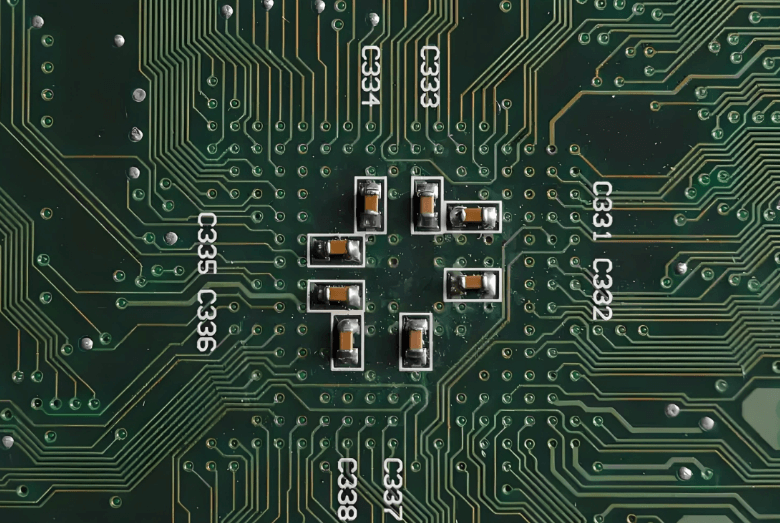
A surge in consumer electronics sales, coupled with the growing demand for high-density PCBs in many end-use applications, is likely to fuel market growth. Furthermore, the lightweight and high-performance nature of HDI PCBs makes them suitable for powering wearable devices. Furthermore, HDI PCBs incorporate advanced features such as blind and microvias to maximize board space while improving performance and functionality. Furthermore, the increasing trend toward autonomous driving and sophisticated safety systems is creating further demand opportunities during the forecast period.
Geographically, the global HDI PCB market is segmented into North America, Asia Pacific, Europe, the Middle East and Africa, and Central and South America. North America held the largest market share in 2018 due to the increasing popularity of smart wearable devices and the growing demand for HDI PCBs in the automotive industry. However, Asia Pacific is likely to be the fastest-growing region in the HDI PCB market and is expected to dominate the market between 2019 and 2025. The presence of major electronics and semiconductor manufacturers and the rapid expansion of telecommunications networks in emerging economies are expected to drive market growth during the forecast period.