How to improve when there is a problem with PCB dry film
With the rapid development of the electronics industry, PCB wiring is becoming more and more sophisticated. Most PCB manufacturers use dry film to complete graphic transfer, and the use of dry film is becoming more and more popular. However, in the process of after-sales service, I still encounter many customers who have many misunderstandings when using dry film. Now I summarize them for reference.
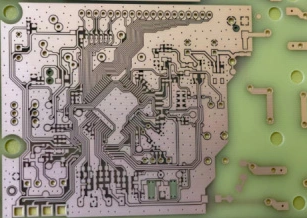
1.Dry film masking has broken holes
Many customers believe that after the occurrence of broken holes, the temperature and pressure of the film should be increased to enhance its bonding strength. In fact, this view is incorrect, because when the temperature and pressure are too high, the solvent of the anti-corrosion layer will evaporate excessively, making the dry film brittle and thin, and it is very easy to be punched through during development. We must always maintain the toughness of the dry film. Therefore, after the occurrence of broken holes, we can make improvements from the following points:
- Reduce the temperature and pressure of the film
- Improve the drilling flash
- Increase the exposure energy
- Reduce the development pressure
- The parking time after the film is pasted should not be too long Long, so as not to cause the semi-fluid film in the corner to diffuse and thin under the action of pressure
- Do not stretch the dry film too tightly during the film application process
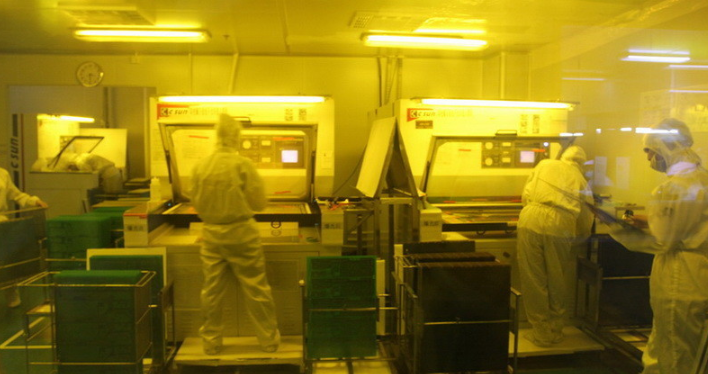
2.Infiltration occurs during dry film electroplating
The reason for infiltration is that the dry film is not firmly bonded to the copper-clad board, allowing the plating solution to penetrate deeply, causing the “negative phase” part of the plating layer to become thicker. Infiltration occurs in most PCB manufacturers due to the following reasons:
(1)High or low exposure energy
Under ultraviolet light, the photoinitiator that absorbs light energy decomposes into free radicals to initiate monomers for photopolymerization, forming body molecules that are insoluble in dilute alkali solutions. When the exposure is insufficient, due to incomplete polymerization, the film swells and softens during the development process, resulting in unclear lines or even film shedding, resulting in poor bonding between the film and copper; if the exposure is excessive, it will cause development difficulties, and will also cause warping and peeling during the electroplating process, forming infiltration. Therefore, it is very important to control the exposure energy.
(2)The laminating temperature is too high or too low
If the laminating temperature is too low, the anti-corrosion film cannot be fully softened and properly flowed, resulting in poor bonding between the dry film and the surface of the copper-clad laminate; if the temperature is too high, bubbles will be generated due to the rapid volatilization of the solvent and other volatile substances in the anti-corrosion agent, and the dry film will become brittle, causing warping and peeling during electroplating shock, resulting in infiltration plating.
(3)The laminating pressure is too high or too low
If the laminating pressure is too low, it may cause uneven laminating surface or gaps between the dry film and the copper plate, and fail to meet the bonding requirements; if the laminating pressure is too high, the solvent and volatile components of the anti-corrosion layer will volatilize too much, causing the dry film to become brittle, and it will warp and peel after electroplating shock.