How to reduce the defect rate of automotive PCBs
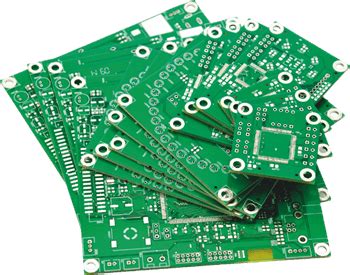
Preface: The automotive electronics market is the third largest application area of PCBs after computers and communications. As automobiles gradually evolve and develop from traditional mechanical products to intelligent, information-based, and mechatronic high-tech products, electronic technology has been widely used in automobiles. Whether it is the engine system, chassis system, safety system, information system, or in-vehicle environment system, electronic products are used without exception. The automotive market has obviously become another highlight of the electronic consumer market. The development of automotive electronics and the popularization of automotive PCBs have naturally driven the development of automotive PCBs.
Among the key application objects of PCBs today, automotive PCBs occupy an important position. However, due to the special working environment, safety, and high current requirements of automobiles, they have high requirements for PCB reliability and environmental adaptability, and the types of PCB technologies involved are also wide, which is a challenge for PCB companies; and for manufacturers who want to develop the automotive PCB market, they need to understand and analyze this new market more.
Automobile PCBs particularly emphasize high reliability and low DPPM. So, do our companies have accumulated technology and experience in high-reliability manufacturing? Is it consistent with the future product development direction? In terms of process control, can it be done well in accordance with the requirements of TS16949? Has a low DPPM been achieved? These need to be carefully evaluated. Blindly entering the market just by seeing this tempting cake will bring harm to the company itself.
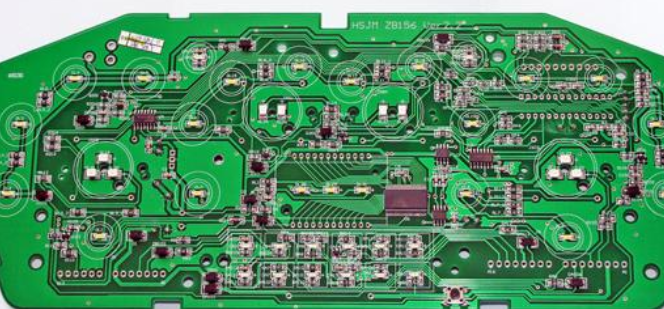
The following provides some special practices of some representative professional automotive PCB manufacturers in the testing process for reference by PCB colleagues:
1.Secondary testing method
Some PCB manufacturers adopt the “secondary testing method” to improve the rate of finding defective boards that have been broken down by the first high voltage.
2.Bad board fool-proofing test system
More and more PCB manufacturers have installed “good board marking system” and “bad board anti-error box” on the bare board tester to effectively avoid human leakage. The good board marking system marks the tested PASS board for the tester, which can effectively prevent the tested board or bad board from flowing into the hands of customers. The bad board error-proofing box is a box that the test system outputs a signal to open when a PASS board is tested during the test process; conversely, when a bad board is tested, the box is closed, allowing the operator to correctly place the tested circuit board.
3.Establish PPm quality system
Currently, the PPm (Parts per million, defect rate in parts per million) quality system has begun to be widely used in PCB manufacturers. Among many of our company’s customers, Singapore’s Hitachi ChemICal’s application and achievements are the most worth learning from. More than 20 people in the factory are responsible for the statistical analysis of online PCB quality anomalies and PCB quality anomaly returns. Using the SPC production process statistical analysis method, each bad board and each returned defective board are classified and statistically analyzed, and combined with auxiliary tools such as micro-slicing to analyze which production process produces bad and defective boards. According to the statistical data results, purposefully solve the problems in the process.
4.Comparative test method
Some customers use two different brands of machines for comparative testing of different batches of PCBs, and track the PPm of the corresponding batches, so as to understand the performance of the two test machines and choose the test machine with better performance to test automotive PCBs.
5.Improve test parameters
Select higher test parameters to strictly detect such PCBs. Because if you choose a higher voltage and threshold, increase the number of high-voltage leakage readings, and increase the detection rate of defective PCB boards. For example, a large Taiwanese PCB company in Suzhou uses 300V, 30M, and 20 ohms to test automotive PCBs.
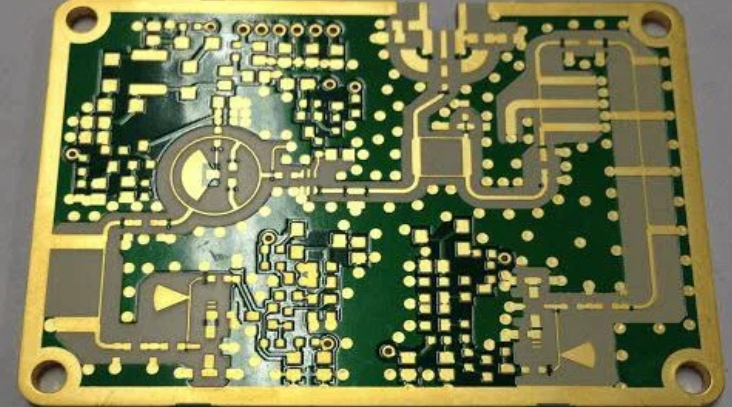
6.Regularly check test machine parameters
After long-term operation, the test machine’s internal resistance and other related test parameters will deviate. Therefore, it is necessary to adjust the machine parameters regularly to ensure the accuracy of the test parameters. A considerable number of large PCB companies perform machine maintenance and adjust internal performance parameters every six months or a year for test equipment. The pursuit of “zero defect” automotive PCBs has always been the direction that most PCB people strive for. However, due to limitations in process equipment, raw materials and other aspects, the world’s top 100 PCB companies are still constantly exploring ways to reduce PPm.