Ict in pcb manufacturing
Innovations In ICT For Enhanced PCB Design Efficiency
In recent years, the integration of Information and Communication Technology (ICT) in Printed Circuit Board (PCB) manufacturing has revolutionized the industry, driving significant advancements in design efficiency and production processes.
As the demand for more complex and compact electronic devices continues to grow, the need for innovative solutions in PCB design becomes increasingly critical.
ICT plays a pivotal role in addressing these challenges by streamlining design processes, enhancing precision, and reducing time-to-market.
One of the most significant innovations in ICT for PCB manufacturing is the development of advanced design software.
These tools leverage powerful algorithms and machine learning techniques to optimize PCB layouts, ensuring that designs meet stringent performance and reliability standards. By automating routine tasks and providing intelligent design suggestions, these software solutions enable engineers to focus on more complex design challenges, thereby improving overall efficiency. Moreover, the integration of cloud-based platforms allows for real-time collaboration among design teams, regardless of their geographical locations, facilitating seamless communication and accelerating the design process.
In addition to software advancements, ICT has also enhanced the prototyping phase of PCB manufacturing.
Traditional prototyping methods can be time-consuming and costly, often requiring multiple iterations before achieving the desired design. However, with the advent of digital twin technology, manufacturers can create virtual models of PCBs that accurately simulate their physical counterparts. This innovation allows for comprehensive testing and validation of designs in a virtual environment, identifying potential issues before physical prototypes are produced. Consequently, this reduces the number of physical prototypes needed, saving both time and resources.
Furthermore, the implementation of Internet of Things (IoT) technologies in PCB manufacturing has led to the development of smart manufacturing systems.
These systems utilize sensors and data analytics to monitor production processes in real-time, providing valuable insights into equipment performance and product quality. By analyzing this data, manufacturers can identify inefficiencies and implement corrective measures promptly, ensuring optimal production conditions. This not only enhances the quality of the final product but also minimizes waste and reduces operational costs.
Another noteworthy innovation is the use of artificial intelligence (AI) in PCB design and manufacturing.
AI algorithms can analyze vast amounts of data to identify patterns and trends that may not be immediately apparent to human designers. This capability allows for the prediction of potential design flaws and the suggestion of optimal design modifications, further enhancing the efficiency and reliability of PCB designs. Additionally, AI-driven automation in manufacturing processes can significantly reduce human error, ensuring consistent quality across production batches.
As ICT continues to evolve, its impact on PCB manufacturing is expected to grow even further.
Emerging technologies such as 5G and edge computing are poised to introduce new possibilities for PCB design and production, enabling even more sophisticated and efficient manufacturing processes. These advancements will likely lead to the development of PCBs that are not only more powerful and compact but also more environmentally sustainable.
In conclusion, the integration of ICT in PCB manufacturing has ushered in a new era of innovation, significantly enhancing design efficiency and production capabilities. Through advanced design software, digital twin technology, IoT systems, and AI-driven solutions, the industry is better equipped to meet the demands of modern electronic devices. As technology continues to advance, the role of ICT in PCB manufacturing will undoubtedly become even more integral, driving further innovations and setting new standards for efficiency and quality in the industry.
The Role Of ICT In Streamlining PCB Manufacturing Processes
In the rapidly evolving landscape of technology, the integration of Information and Communication Technology (ICT) in Printed Circuit Board (PCB) manufacturing has emerged as a pivotal force in streamlining processes and enhancing efficiency. As the demand for more sophisticated electronic devices grows, the need for advanced manufacturing techniques becomes increasingly critical. ICT plays a crucial role in addressing these demands by facilitating improved design, production, and quality control processes within the PCB manufacturing industry.
To begin with, ICT has revolutionized the design phase of PCB manufacturing.
Computer-aided design (CAD) software allows engineers to create intricate PCB layouts with precision and accuracy. This software not only enables the visualization of complex circuits but also allows for the simulation of electrical performance before the physical prototype is produced. By identifying potential design flaws early in the process, manufacturers can reduce the likelihood of costly errors and rework, thereby saving both time and resources. Furthermore, the integration of ICT in design processes facilitates seamless collaboration among design teams, regardless of geographical location, through cloud-based platforms and real-time data sharing.
Transitioning from design to production, ICT continues to play a significant role in optimizing manufacturing operations.
Automation, driven by ICT, has transformed traditional PCB manufacturing lines into highly efficient and flexible systems. Automated machinery, such as pick-and-place machines and soldering robots, are programmed to perform repetitive tasks with high precision, reducing human error and increasing throughput. Additionally, ICT enables the implementation of advanced manufacturing techniques such as additive manufacturing and laser direct imaging, which further enhance the precision and speed of PCB production.
Moreover, ICT contributes significantly to quality control and assurance in PCB manufacturing.
Advanced inspection systems, powered by machine learning algorithms and computer vision, are capable of detecting defects and inconsistencies in PCBs with remarkable accuracy. These systems analyze high-resolution images of PCBs to identify issues such as misalignments, soldering defects, and component placement errors. By ensuring that only high-quality products proceed to the next stage of production, manufacturers can maintain stringent quality standards and reduce the incidence of product recalls.
In addition to improving individual processes, ICT facilitates the integration of various stages of PCB manufacturing into a cohesive and efficient workflow.
Enterprise Resource Planning (ERP) systems, for instance, enable manufacturers to manage and optimize resources across the entire production cycle. By providing real-time data on inventory levels, production schedules, and equipment status, ERP systems allow manufacturers to make informed decisions that enhance productivity and reduce downtime. Furthermore, the use of Internet of Things (IoT) devices in PCB manufacturing plants enables the continuous monitoring of equipment performance and environmental conditions, allowing for predictive maintenance and minimizing unexpected disruptions.
In conclusion, the role of ICT in streamlining PCB manufacturing processes is both profound and multifaceted.
From enhancing design capabilities and automating production to ensuring rigorous quality control and integrating operations, ICT has become an indispensable component of modern PCB manufacturing. As technology continues to advance, the integration of ICT in PCB manufacturing is expected to deepen, driving further innovations and efficiencies in the industry. Consequently, manufacturers who embrace these technological advancements are likely to gain a competitive edge in an increasingly demanding market.
ICT-Driven Quality Control In PCB Production
In the rapidly evolving landscape of electronics manufacturing, the integration of Information and Communication Technology (ICT) in Printed Circuit Board (PCB) production has become a pivotal factor in enhancing quality control. As the demand for more sophisticated and reliable electronic devices grows, manufacturers are increasingly turning to ICT solutions to ensure that their PCBs meet stringent quality standards. This shift is not merely a trend but a necessity, driven by the need for precision, efficiency, and consistency in production processes.
To begin with, ICT facilitates real-time monitoring and data collection throughout the PCB manufacturing process.
By employing advanced sensors and data analytics, manufacturers can continuously track the performance of their production lines. This real-time data collection allows for immediate detection of anomalies or deviations from the desired specifications, enabling swift corrective actions. Consequently, this reduces the likelihood of defects and enhances the overall quality of the final product. Moreover, the ability to monitor processes in real-time helps in optimizing production efficiency, as it allows for the identification and elimination of bottlenecks.
Furthermore, ICT plays a crucial role in predictive maintenance, which is essential for maintaining high-quality standards in PCB production.
By analyzing historical data and identifying patterns, manufacturers can predict potential equipment failures before they occur. This proactive approach minimizes downtime and ensures that production lines operate at optimal efficiency. Predictive maintenance not only enhances the reliability of the manufacturing process but also extends the lifespan of the equipment, thereby reducing costs associated with repairs and replacements.
In addition to real-time monitoring and predictive maintenance, ICT-driven quality control in PCB production is significantly enhanced by the use of automated inspection systems.
These systems employ machine learning algorithms and computer vision technology to inspect PCBs for defects such as misalignments, soldering errors, and component placement issues. Automated inspection systems offer a level of precision and speed that is unattainable through manual inspection, ensuring that even the smallest defects are detected and rectified. This level of scrutiny is particularly important in industries where the reliability of electronic components is critical, such as aerospace and medical devices.
Moreover, the integration of ICT in PCB manufacturing facilitates better communication and collaboration across different stages of the production process.
By utilizing cloud-based platforms, manufacturers can ensure that all stakeholders have access to up-to-date information, enabling seamless coordination between design, production, and quality assurance teams. This improved communication reduces the risk of errors and misinterpretations, further contributing to the production of high-quality PCBs.
Finally, the implementation of ICT in quality control processes aligns with the broader trend of Industry 4.0, where digital technologies are leveraged to create smart factories.
In this context, PCB manufacturers are increasingly adopting digital twins—virtual replicas of physical production processes—to simulate and optimize manufacturing operations. Digital twins allow for comprehensive testing and validation of production processes before they are implemented on the factory floor, ensuring that potential issues are addressed proactively.
In conclusion, the integration of ICT in PCB manufacturing is revolutionizing quality control by enabling real-time monitoring, predictive maintenance, automated inspection, and enhanced communication. These advancements not only improve the quality and reliability of PCBs but also contribute to more efficient and cost-effective production processes. As the electronics industry continues to evolve, the role of ICT in ensuring high-quality standards in PCB production will undoubtedly become even more critical.
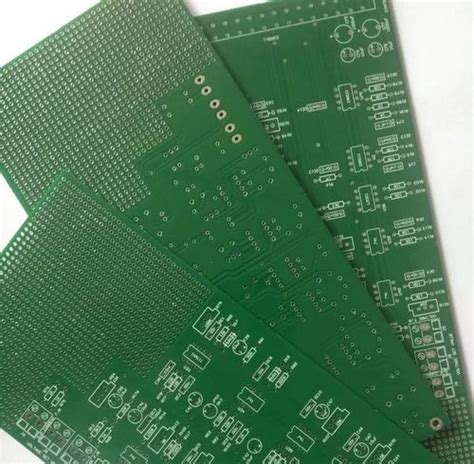
Future Trends In ICT For PCB Manufacturing
The integration of Information and Communication Technology (ICT) in Printed Circuit Board (PCB) manufacturing is poised to revolutionize the industry, offering unprecedented opportunities for efficiency, precision, and innovation. As the demand for more complex and miniaturized electronic devices grows, the role of ICT in PCB manufacturing becomes increasingly critical.
One of the most significant trends is the adoption of Industry 4.0 principles, which emphasize the use of smart technologies and data-driven processes.
This shift is enabling manufacturers to optimize production lines, reduce waste, and enhance product quality through real-time monitoring and analytics.
Moreover, the implementation of the Internet of Things (IoT) in PCB manufacturing is transforming how data is collected and utilized.
IoT devices embedded within manufacturing equipment can provide continuous feedback on performance, allowing for predictive maintenance and minimizing downtime. This capability not only extends the lifespan of machinery but also ensures that production schedules remain on track, thereby increasing overall efficiency. Additionally, IoT facilitates better supply chain management by providing real-time insights into inventory levels and material usage, which helps in making informed decisions and reducing costs.
Another promising trend is the use of Artificial Intelligence (AI) and machine learning algorithms to enhance design and production processes.
AI can analyze vast amounts of data to identify patterns and anomalies that may not be immediately apparent to human operators. This ability is particularly useful in the design phase, where AI can assist in creating more efficient and reliable PCB layouts. Furthermore, machine learning can be employed to improve quality control by automatically detecting defects and suggesting corrective actions, thus reducing the likelihood of errors and rework.
In addition to AI, the rise of digital twins is reshaping PCB manufacturing.
Digital twins are virtual replicas of physical systems that allow manufacturers to simulate and analyze processes in a risk-free environment. By creating a digital twin of a PCB production line, manufacturers can experiment with different configurations and identify potential bottlenecks before they occur in the real world. This proactive approach not only enhances operational efficiency but also accelerates the time-to-market for new products.
Furthermore, advancements in cloud computing are facilitating more collaborative and flexible manufacturing environments.
Cloud-based platforms enable seamless communication and data sharing among different stakeholders, from designers to suppliers to production teams. This connectivity ensures that everyone involved in the manufacturing process has access to the most up-to-date information, which is crucial for maintaining consistency and quality. Additionally, cloud solutions offer scalable resources that can be adjusted according to demand, providing manufacturers with the agility needed to respond to market changes swiftly.
As we look to the future, the integration of ICT in PCB manufacturing will continue to evolve, driven by ongoing technological advancements and the ever-increasing complexity of electronic devices. The convergence of these technologies promises to create a more interconnected and intelligent manufacturing ecosystem, where data-driven insights lead to smarter decision-making and enhanced productivity. While challenges such as cybersecurity and data privacy remain, the potential benefits of ICT in PCB manufacturing are undeniable. By embracing these future trends, manufacturers can position themselves at the forefront of innovation, ready to meet the demands of a rapidly changing industry landscape.