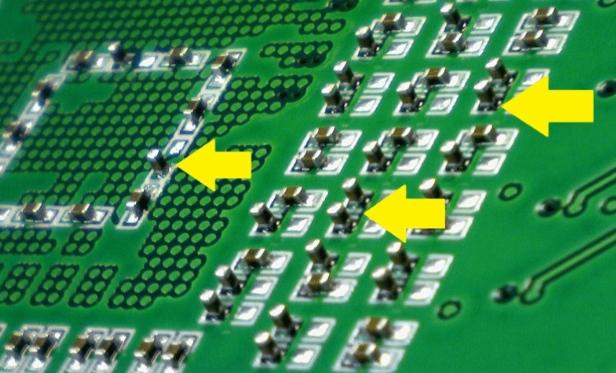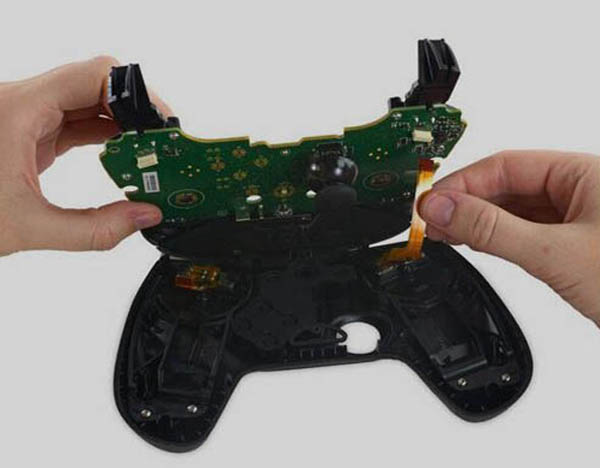
impedance control flex PCB
What is the impedance control or a controlled impedance?
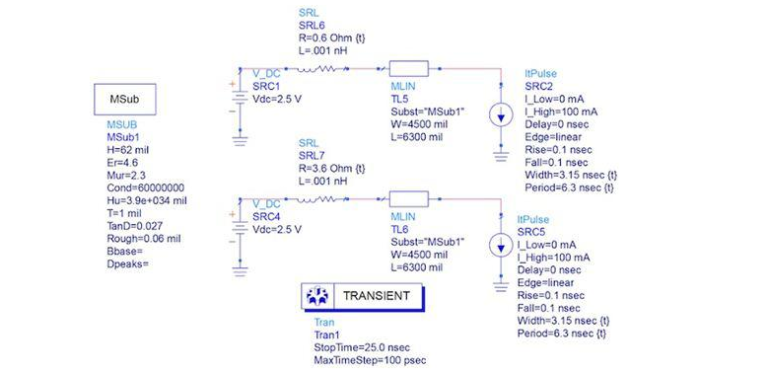
Impedance is the result of the interaction between the resistance and reactance in a circuit and expressed in Ohms. Impedance is an AC characteristic, which means it is related to frequency. A controlled impedance is important to maintain signal integrity, especially for high-frequency products.
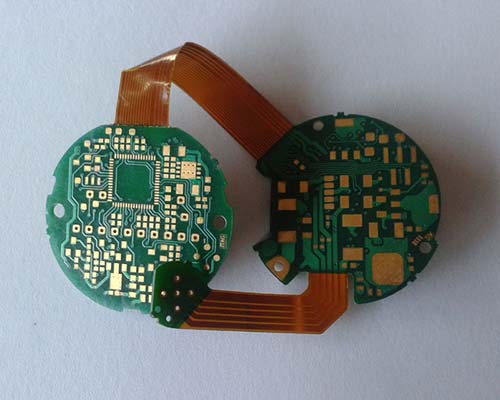
How to achieve the impedance control?
Generally, the impedance is uncontrolled unless we have specific traces designs and other related operations. Impedance control or the controlled impedance means ensuring the impedance mismatches are within the allowable limits through some design for the PCBs.
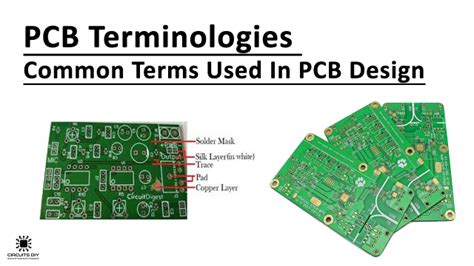
We can achieve the impedance control in PCB design and PCB manufacturing in two ways: one is a well-defined PCB stack-up, and another is well-designed traces with different configurations. What’s more, the impedance of the PCBs also depends on the size and material used in the manufacturing process.
Why need impedance control in PCB design?
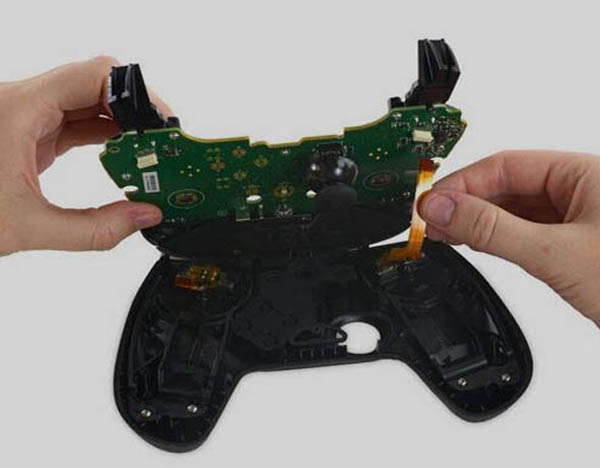
The traces in the PCBs are used to transfer maximum signal power from the source to the load. If the source’s impedance value does not match the impedance value of the load, some signals will be reflected back to the source. Then only part of the signals travels to the destination. As the demand for high-density and high-speed PCBs has increased dramatically, the PCB designs with controlled impedance have become very popular.
We may be no need to worry about the impedance control if the traces are short or low-frequency. But the reactance and the impedance are vital factors for high-frequency circuits. The higher the frequency, or the longer the traces, the more necessary it is to control the traces’ impedance.
Rigid Flex PCB, High Speed PCB, Impedance Control
- Layer count: 8 layer
- Material: FR4, 1.6mm, TG 180 + 2 mil PI, 1 OZ for all layer
- Minimum tack: 4 mil
- Minimum space(gap): 5 mil
- Minimum hole: 0.25mm
- Surface finished: ENIG
- Panel size: 228*158mm/3up
- Application: Telecommunication equipment
- Characteristics: High TG + 2mil PI, impedance control, Rigid Flex PCB, High Speed PCB
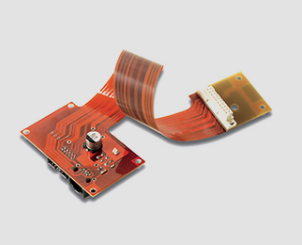
Applications of Controlled Impedance
Controlled Impedance should be considered for PCBs used in fast digital applications such as:
- Telecommunications
- Computing 100MHz and above
- High Quality Analog Video
- Signal Processing
- RF Communication

About Andwin Circuits
Andwin Circuits as a industry leading of PCB manufacturer since 2003.
Specializing in multilayer PCB, Hevay Copper PCB, Rigid flex PCB, HDI PCB, controlled impedance PCB and Radio Frequency circuit, from quick turn prototype to mass products.