Innovations in PCB Board Production: Techniques and Trends
Key Takeaways
In the rapidly evolving landscape of PCB manufacturing, understanding the ## Key Takeaways can provide valuable insights into the industry’s trajectory. The introduction of cutting-edge techniques has revolutionized how PCB manufacturing companies operate, significantly reducing the PCB manufacturing cost through automation and enhanced technologies. Emerging trends, such as flexible circuit designs and miniaturization, are reshaping your approach to product development, offering increased design capabilities without compromising on quality or performance. The importance of sustainability is also becoming pivotal; practices aiming to minimize environmental impact are not only beneficial for the planet but can also lower overall costs for your PCB manufacturing business. By embracing these innovations and trends, you position yourself at the forefront of the industry, ready to leverage advancements that enhance efficiency and reliability in your production processes. This proactive approach will ensure that you remain competitive in a market characterized by constant change and innovation.
Introduction to PCB Board Production Innovations
In recent years, pcb manufacturing has experienced significant advancements that are revolutionizing the way pcb manufacturing companies operate. These innovations not only aim to reduce the pcb manufacturing cost but also enhance the overall efficiency and reliability of the production processes. As you delve deeper into the world of PCB (Printed Circuit Board) production, you’ll notice that cutting-edge techniques are emerging to address the growing demands for complex designs and faster turnaround times.
For instance, advancements in automated processes are streamlining workflows, allowing manufacturers to minimize human error and optimize production timelines. Furthermore, developments in materials science have led to new substrates that improve thermal management and durability. With these innovations, your pcb manufacturing business can achieve unprecedented levels of quality and output.
“Embracing automation not only cuts costs but also elevates product craftsmanship.”
As you explore the cutting-edge techniques dominating the landscape of pcb manufacturing, consider how these trends can empower your organization to meet customer expectations while driving sustainability in production. By staying informed about these innovations, you position yourself at the forefront of a rapidly evolving industry.
Cutting-Edge Techniques in PCB Manufacturing
In the realm of pcb manufacturing, innovative techniques are continuously evolving, enabling manufacturers to create more efficient and reliable products. One significant advancement is the integration of computer-aided design (CAD) software, which allows for precise layout and optimization of pcb board production. This refining process not only accelerates the design phase but also minimizes errors, ultimately reducing the overall pcb manufacturing cost.
Furthermore, advancements in automated assembly techniques play a crucial role in the pcb manufacturing business, maximizing throughput while maintaining high-quality standards. These techniques reduce manual labor requirements and enhance consistency throughout production. As you explore various pcb manufacturing companies, you’ll often find that these firms are harnessing technologies like robotic assembly and surface mount technology (SMT) to drive innovation.
Another pivotal area of development is the use of advanced materials, such as flexible substrates or high-frequency laminates, which cater to the industry’s evolving demands. These materials can significantly improve performance metrics, aligning with trends toward miniaturization and greater functionality. Consequently, adopting such cutting-edge approaches not only boosts your capability to deliver complex designs but also positions your business to compete effectively in a rapidly changing market landscape.
Ultimately, as you engage with these innovations in pcb board production, you’ll discover that embracing new techniques enhances the reliability and performance of your products while simultaneously optimizing operational efficiency—a crucial advantage in today’s competitive environment.
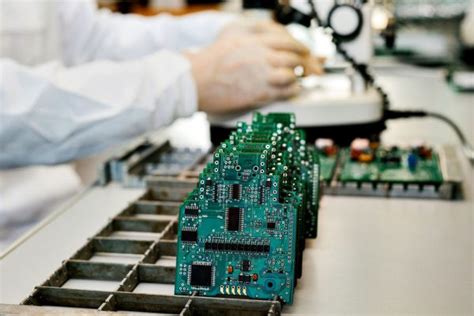
Emerging Trends in PCB Design and Development
As you delve into the emerging trends in PCB design and development, it becomes clear that the landscape is shifting rapidly. One of the most notable trends is the integration of advanced materials in pcb manufacturing. Manufacturers are increasingly utilizing flexible substrates and high-frequency materials to enhance performance, resulting in boards that can handle more complex designs while maintaining functionality. Additionally, pcb manufacturing companies are prioritizing automation and digitalization in their processes, which not only reduces pcb manufacturing cost but also increases production speed and accuracy.
Furthermore, there is a growing emphasis on miniaturization, which allows for more compact and lightweight designs without sacrificing reliability. This trend is complemented by advancements in simulation software that improve the prototype-to-product cycle, enabling faster iterations and minimizing errors during the design phase. The incorporation of Internet of Things (IoT) technology also signifies a shift towards creating smarter PCBs that can communicate data, thus paving the way for innovative applications across various industries.
The commitment to sustainability is another significant trend you should consider, as more pcb manufacturing businesses are adopting green practices—like using eco-friendly materials and minimizing waste—while still meeting rigorous performance standards. These innovations not only benefit the environment but also contribute to cost savings in materials and production processes.
| Trend | Description | Benefits |
|---|---|---|
| Advanced Materials | Use of flexible substrates for improved performance | Enhanced functionality |
| Automation | Increased reliance on automated processes | Reduced costs & faster production |
| Miniaturization | Designing smaller, compact PCBs | Space-saving & lightweight |
| IoT Integration | Development of smart PCBs capable of data communication | Innovative applications |
| Sustainability | Adoption of eco-friendly materials and practices | Environmental & cost benefits |
With these developments, you not only gain insight into current industry movements but also prepare yourself to leverage these trends for future projects within PCB design.
Enhancing Efficiency in PCB Production Processes
In today’s competitive landscape, ensuring efficiency in PCB manufacturing processes is crucial for staying ahead. You may wonder how pcb manufacturing companies are achieving significant improvements. One of the foremost methods involves the adoption of automation technologies, which streamline various stages of production, thus reducing lead times. Automation minimizes human error and enhances precision, ultimately lowering the pcb manufacturing cost. Another key area is through the implementation of advanced software tools for design and simulation, which allow for real-time adjustments and optimizations in design. This not only speeds up the development cycle but also improves the overall quality of products manufactured. Furthermore, focusing on lean manufacturing principles can help you eliminate wasteful practices and enhance productivity in your pcb manufacturing business. By integrating these innovative techniques into your operations, you can not only boost your production efficiency but also contribute to a more reliable supply chain in the ever-evolving electronics industry.
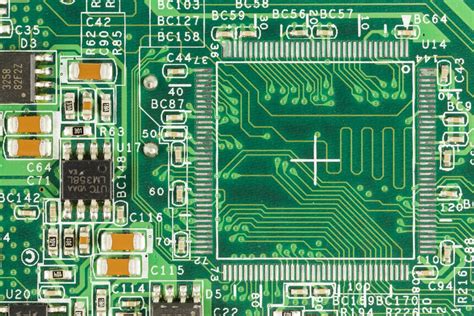
Reliability Improvements through Advanced Technologies
In the competitive landscape of pcb manufacturing, reliability is a paramount concern. To address this, many pcb manufacturing companies have started implementing advanced technologies designed to enhance product durability and consistency. One significant innovation is the incorporation of automated inspection systems that utilize high-resolution imaging and artificial intelligence to detect defects in real-time. This leap in technology not only reduces human error but also ensures that the pcb manufacturing cost is kept in check by minimizing waste and rework. Furthermore, advancements in materials technology have led to the development of more robust substrates, which increase longevity and resistance to harsh environmental conditions. Such improvements not only boost the performance of the final products but also help establish a solid reputation for those engaged in the pcb manufacturing business. By prioritizing reliability through these advanced techniques, companies can better meet market demands and sustain customer trust, ultimately solidifying their position in an evolving industry landscape.
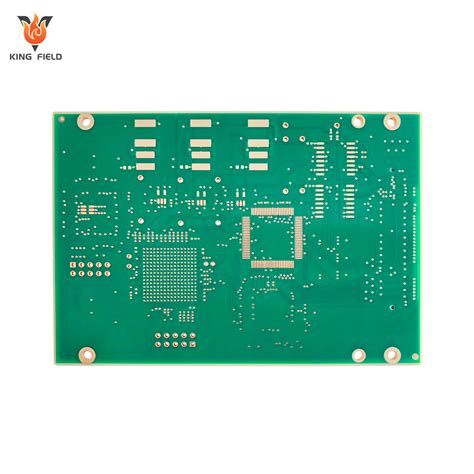
Sustainable Practices in PCB Board Manufacturing
In today’s rapidly evolving landscape, sustainable practices in PCB board manufacturing have become paramount for industry leaders and PCB manufacturing companies alike. Emphasizing eco-friendly materials and processes not only reduces the environmental impact but also positions your business as a forward-thinking entity in a competitive market. Techniques such as using lead-free solder, recycling scrap materials, and adopting energy-efficient machinery are effective ways to lower the overall PCB manufacturing cost while enhancing your brand image. Additionally, integrating design for manufacturability principles allows you to optimize production efficiency, which is crucial in the fast-paced world of electronics. As you explore these innovations, consider how they can not only contribute to sustainability but also improve your bottom line, ultimately benefiting your PCB manufacturing business in the long run. By committing to these practices, you enhance reliability and durability in your products while also appealing to an increasingly environmentally conscious consumer base.
The Future of PCB Design: Challenges and Opportunities
As you navigate the evolving landscape of PCB manufacturing, it’s essential to recognize the myriad challenges and opportunities that lie ahead. The increasing complexity of electronic devices demands advanced solutions from PCB manufacturing companies, who must innovate to meet higher performance standards while also managing pcb manufacturing cost. This dynamic environment creates a space for both creative problem-solving and strategic growth within the pcb manufacturing business. You may find that embracing new technologies such as automation, artificial intelligence, and advanced materials can lead to significant competitive advantages. However, these innovations come with challenges, such as the need for skilled labor and investments in modern equipment. The successful integration of these elements can boost efficiency but requires careful planning and foresight. By staying abreast of trends in both technology and market demands, you can position yourself or your organization to capitalize on the rich opportunities presented by the future of PCB design.
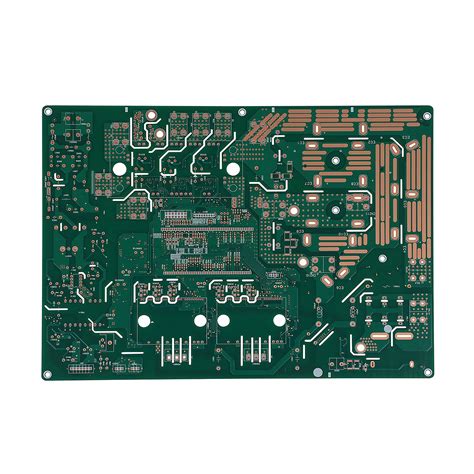
Case Studies: Successful Innovations in the Industry
In the rapidly evolving landscape of pcb manufacturing, companies worldwide are embracing innovative strategies to enhance their production processes. One successful case is that of a prominent pcb manufacturing company that adopted automated assembly lines, significantly reducing pcb manufacturing costs while increasing output. This shift not only streamlined operations but also improved precision in production, resulting in higher quality products. Another noteworthy example involves a pcb manufacturing business that implemented advanced materials such as flexible substrates, allowing for the development of compact and lightweight circuit boards to meet the growing demand for portable electronic devices. These case studies exemplify how integrating new technologies and methodologies within pcb board production can lead to remarkable improvements in both efficiency and product reliability, positioning companies at the forefront of industry trends. By examining these successful innovations, you can gain insights into best practices that can be adapted to enhance your own production capabilities.
Conclusion
In summary, as you explore the evolving landscape of pcb manufacturing, it is clear that the integration of innovative techniques and practices is becoming essential for success in the industry. With a keen focus on efficiency, pcb manufacturing companies are now employing state-of-the-art technologies that not only streamline production processes but also significantly enhance design capabilities. As emerging trends continue to shape your understanding, you will recognize that the balance between pcb manufacturing cost and technological advancements plays a critical role in establishing a competitive edge. Moreover, committing to sustainable practices within your pcb manufacturing business ensures that you meet both regulatory standards and customer expectations, pushing the envelope toward a greener future. Embracing these innovations not only prepares you for current challenges but also opens up numerous opportunities for growth in the rapidly evolving world of PCB design and production.
FAQs
What is PCB manufacturing?
PCB manufacturing refers to the process of designing and fabricating printed circuit boards (PCBs) used in electronic components. This process involves various stages, including design, material selection, fabrication, and assembly.
What types of PCB manufacturing companies are available?
There are several types of PCB manufacturing companies, ranging from small boutique firms that specialize in prototyping to large-scale manufacturers that produce bulk quantities for global markets. Each type offers unique capabilities depending on your specific needs.
How can I determine PCB manufacturing cost?
Determining the PCB manufacturing cost involves considering various factors, including materials used, complexity of the design, quantity produced, and lead time requirements. It’s essential to solicit quotes from multiple manufacturers for a comparative analysis.
What should I consider when starting a PCB manufacturing business?
When venturing into a PCB manufacturing business, you should assess factors like market demand, technological capabilities, regulatory compliance, and potential partnerships with suppliers. Additionally, having a solid understanding of industry standards is crucial for success.