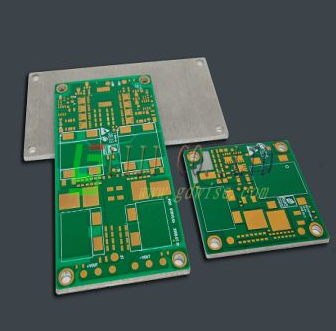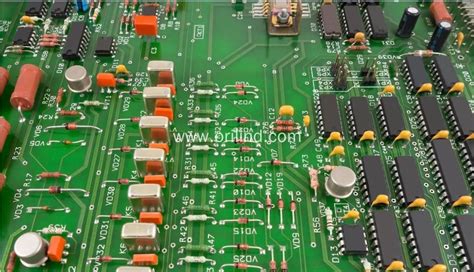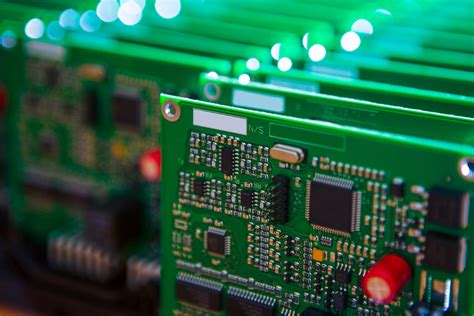
Innovations in PCB Manufacturing Technology for a Flexible Future
Key Takeaways
In the rapidly evolving landscape of PCB manufacturing, it’s crucial to stay informed about the innovations that are driving industry progress. The rise of flexible circuit boards is particularly significant, as they offer unparalleled adaptability in electronic devices. These advancements are a game-changer, transforming traditional manufacturing processes and enhancing the overall design flexibility.
A key aspect to consider is the decrease in PCB manufacturing cost, which has become more manageable due to new materials and techniques being utilized by PCB manufacturing companies. This makes it easier for businesses to integrate innovative designs without compromising quality or performance. In terms of efficiency, automating processes not only speeds up production but also minimizes errors, thereby allowing PCB manufacturing businesses to scale operations effectively.
“Embracing automation in production means you can focus on creativity and innovation rather than just keeping up with demand.”
Moreover, as sustainability trends gain momentum, embracing eco-friendly practices in PCB manufacturing can give your business a competitive edge while contributing positively to the environment. By understanding these trends and aligning with them, you position your company for success in an increasingly flexible and dynamic market landscape.
| Aspect | Description |
|---|---|
| Innovation | Rise of flexible circuit boards |
| Cost Efficiency | Improvements in materials reduce overall costs |
| Automation | Streamlining production processes |
| Sustainability | Eco-friendly practices enhancing market position |
In conclusion, keeping a pulse on these trends will not only benefit your understanding but will also empower you to make informed decisions that align with future advancements in PCB manufacturing technology.
Innovations Driving Flexibility in PCB Manufacturing
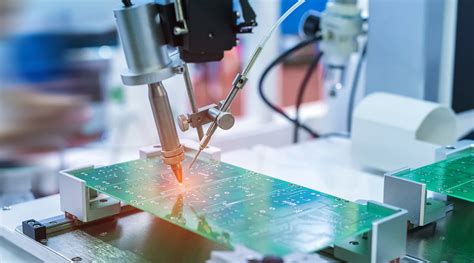
The landscape of PCB manufacturing is evolving rapidly, thanks to significant innovations that focus on flexibility. You might notice that PCB manufacturing companies are increasingly investing in advanced materials and designs that allow for more versatile products. These developments are particularly evident in the rise of flexible circuit boards, which cater to the demands of today’s dynamic electronics market. Understanding the dynamics of PCB manufacturing cost is vital, as these new technologies can initially appear expensive but ultimately drive long-term savings and efficiency by reducing material waste and production time. Moreover, the integration of flexibility into your PCB manufacturing business strategies can open doors to innovative applications in various sectors such as wearable technology and portable devices. As you explore these innovations, consider how adapting to these new methodologies can not only boost your product offerings but also enhance your competitive edge in the evolving electronics landscape. By embracing flexibility, you position yourself for a future where adaptability and efficiency are paramount.
Advancements in Materials for Flexible Circuit Boards
The evolution of pcb manufacturing processes has heralded a new era in the use of innovative materials, critical for the advancement of flexible circuit boards. As you explore the landscape of pcb manufacturing companies, you will notice a shift towards lightweight, high-performance materials that enhance the functionality and reliability of electronic devices. For instance, polyimide films and other thermoplastic materials offer exceptional performance in demanding environments, making them ideal choices for applications ranging from smartphones to wearables. These advancements significantly lower the pcb manufacturing cost, allowing businesses to increase their production efficiency while still meeting consumer demands for smaller, lighter devices. Transitioning to these new materials not only facilitates more complex designs but also opens doors to innovations that were previously unattainable. As your business navigates through this competitive market, embracing these advancements is essential for maintaining a strong position within the pcb manufacturing business landscape. By integrating sustainable practices alongside advanced materials, companies can truly capitalize on the potential of flexible circuit boards, ensuring that they remain at the forefront of technology-driven solutions.
The Role of Automation in PCB Production
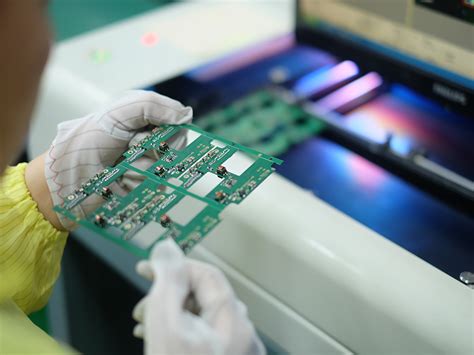
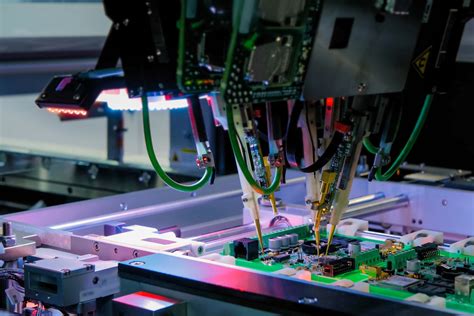
In today’s fast-paced electronics market, automation has become a cornerstone in PCB manufacturing. The adoption of automated processes streamlines production, significantly reducing PCB manufacturing costs and enhancing overall efficiency. For you, the implications of these technological advancements are profound. With automation, PCB manufacturing companies can produce complex circuit boards with higher precision and consistency, minimizing the risk of human error and ensuring your products meet rigorous quality standards.
The integration of robotics and advanced software systems enables a more flexible production line, allowing you to respond swiftly to market demands or design changes. As such, your PCB manufacturing business can cut down lead times while maintaining a robust output. Furthermore, automation technologies support the transition to flexible circuit boards, which are increasingly popular due to their lightweight design and adaptability to various applications. This shift not only positions your business competitively but also aligns with the growing demand for innovative electronic devices that require increasingly intricate configurations.
Ultimately, embracing automation in PCB manufacturing not only optimizes your operational workflow but also prepares your business for future challenges and opportunities in an ever-evolving industry landscape. This proactive approach can lead to enhanced product offerings that appeal to a broader customer base while establishing your brand as a leader in flexible circuit board solutions.
Sustainability Trends in PCB Manufacturing Technology
As you explore the innovations in PCB manufacturing, you will notice a growing emphasis on sustainability that is reshaping the industry landscape. Many PCB manufacturing companies are now adopting practices that minimize environmental impact while optimizing efficiencies. This shift is driven by increasing consumer demand for greener products, prompting pcb manufacturing businesses to invest in more sustainable materials and processes. One notable trend is the lifecycle assessment of materials used in flexible circuit boards, which focuses on using less harmful substances and recyclable components, thereby reducing overall pcb manufacturing costs. Additionally, implementing energy-efficient technologies during production is becoming a standard practice, further aligning with sustainability goals. Through these advancements, companies are not only enhancing their marketability but also contributing to a healthier planet. This proactive approach signifies a commitment to innovation that benefits both business and the environment, showcasing how sustainable thinking can drive success in the PCB manufacturing sector.
Integration of IoT and Smart Technologies in PCBs
The integration of the Internet of Things (IoT) and smart technologies into PCB manufacturing is transforming the landscape of electronic devices, significantly enhancing their capabilities and functionalities. As you explore this dynamic sector, you’ll discover that leading PCB manufacturing companies are not only focusing on the traditional aspects of design and production but are also embracing innovation to meet the demands of modern applications. These advancements allow for the development of flexible printed circuit boards that incorporate smart sensors and connectivity features, paving the way for smarter solutions in various fields, from healthcare to automotive industries.
As these technologies advance, the PCB manufacturing cost is increasingly influenced by the complexity of integrating IoT capabilities. This means that a thorough understanding of both material science and electronics is crucial for those engaged in pcb manufacturing business. You’ll find that by leveraging innovative methodologies alongside traditional practices, businesses can optimize production processes, reduce costs, and improve product performance. Furthermore, this collaboration between IoT and PCB technologies enhances your ability to design highly adaptable electronic systems that respond intelligently to user interactions or environmental conditions. Emphasizing seamless integration while balancing performance requirements will ultimately determine success in this rapidly evolving market.
Challenges and Solutions in Adopting Flexible PCBs
Adopting flexible PCBs presents both challenges and opportunities for PCB manufacturing companies seeking to innovate in a rapidly evolving marketplace. One significant challenge is the pcb manufacturing cost associated with transitioning from traditional rigid boards to flexible alternatives. The complexity involved in the design and production processes can lead to higher initial expenses, which may deter some businesses from making the switch. However, as demand for adaptable electronic solutions rises, understanding the long-term benefits of flexible circuit boards can help offset these costs. Another hurdle is the need for specialized equipment; many existing pcb manufacturing setups may not be optimized for producing flexible circuits, necessitating investment in new technologies. Despite these challenges, solutions are emerging—from enhanced training programs that equip your workforce with the skills necessary for flexible PCB design to investment in advanced automation systems that streamline production processes. By actively addressing these obstacles, your pcb manufacturing business can create a strategic advantage, positioning itself at the forefront of technological innovation and meeting market demands effectively. In doing so, you not only enhance efficiency but also open doors to new product designs that leverage the unique capabilities of flexible PCBs.
Future Trends: What’s Next for PCB Manufacturing?
As you consider the evolving landscape of PCB manufacturing, it’s essential to recognize the emerging trends that are steering the future of this industry. One significant trend is the increased focus on flexibility in circuit design. Flexible PCBs are becoming more commonplace, allowing PCB manufacturing companies to create adaptable solutions that cater to a diverse range of applications, from wearable technology to automotive systems. The ability to bend and conform to various shapes not only enhances device performance but also reduces overall PCB manufacturing cost, ultimately driving greater efficiency in production and design processes. To thrive in this dynamic market, your PCB manufacturing business must stay abreast of technological advancements and consumer demands while also prioritizing sustainability and integration with smart technologies. As these trends continue to unfold, your adaptability and foresight will determine your success in leveraging flexible circuit boards for innovative designs that meet tomorrow’s challenges.
Case Studies: Success Stories of Flexible PCB Implementations
The shift toward flexible PCB manufacturing has led to remarkable success stories, showcasing how PCB manufacturing companies are reaping benefits from innovative applications. For instance, consider a tech company that integrated flexible circuit boards into wearable devices, significantly reducing both weight and size. This change not only enhanced user comfort but also improved battery efficiency, which is crucial for portable electronics. Additionally, another case involved the automotive industry, where flexible PCBs were adopted for complex sensor networks. This transition streamlined production processes and minimized pcb manufacturing costs, as these new designs allowed for more efficient layouts and fewer assembly points. Moreover, a startup focusing on smart textiles used flexible PCB technology to weave electronics into fabrics seamlessly, demonstrating the adaptability of PCB manufacturing business models to meet emerging market demands. By analyzing these success stories, you can appreciate how flexible PCBs are not just a trend but a transformative approach that enhances product functionality while optimizing costs in an increasingly competitive landscape.
Conclusion
As you look into the shift toward innovative pcb manufacturing technologies, it’s evident that the landscape is rapidly evolving. With the advent of flexible circuit boards, you can witness a transformation in how pcb manufacturing companies approach design and functionality. These advancements are not merely limited to flexibility; they enhance overall design possibilities and efficiency. By reducing pcb manufacturing costs, these new technologies enable even smaller businesses to enter the pcb manufacturing business, fostering a more competitive marketplace. You’ll find that sustainability also plays a crucial role in these innovations, aligning with your values and environmental considerations while adapting to industry demands. The future of pcb manufacturing is bright as it paves the way for more adaptable, responsive, and ultimately more innovative electronics that cater to increasingly diverse consumer needs. The integration of automation and smart technologies ensures that the industry can keep pace with demand while minimizing waste and maximizing output quality.
FAQs
What are the benefits of modern innovations in pcb manufacturing?
Modern innovations in pcb manufacturing significantly enhance the flexibility, efficiency, and performance of electronic devices. By focusing on advancements like flexible circuit boards, you can expect lighter forms, improved durability, and the ability to fit into tighter spaces.
How do new materials impact pcb manufacturing cost?
The introduction of advanced materials can sometimes increase the initial pcb manufacturing cost, but they often lead to greater longevity and performance. Over time, these materials can reduce overall costs by decreasing failure rates and maintenance needs.
Why should I consider flexible PCBs for my pcb manufacturing business?
Adopting flexible PCBs allows your pcb manufacturing business to stay competitive with cutting-edge designs. This versatility enables you to cater to a broader range of electronic applications, from wearables to automotive technology.
What sustainability trends are influencing pcb manufacturing companies?
Sustainability is becoming a significant factor in how pcb manufacturing companies operate. Companies are increasingly focusing on eco-friendly materials and processes to reduce waste and energy consumption while maintaining high quality in their products.
How can I ensure my company keeps up with future trends in PCB technology?
To keep up with future trends in PCB technology, engage in continuous learning about emerging technologies and innovations. Networking with industry experts and participating in relevant seminars or conferences will also keep you informed about advancements that could affect your pcb manufacturing business.