Innovative Approaches to Circuit Card Assembly Design
Key Takeaways
The landscape of circuit card assembly (or PCBA) design is evolving, driven by the need for greater efficiency and performance in electronic manufacturing. One of the primary takeaways from current innovations is the diversification of materials used in the construction and assembly processes. New advancements in materials not only enhance the durability and functionality of PCBA systems but also contribute to lighter, more compact designs, which are increasingly vital in today’s technology-driven world. Additionally, automation plays a crucial role; by integrating advanced robotics into assembly lines, manufacturers can significantly accelerate production cycles while minimizing human error. Enhanced software solutions are another critical aspect that helps in optimizing design processes for pcb assembly, allowing for more precise outcomes and reduced lead times. As we move forward, focusing on these progressive strategies not only promises to reduce costs but also sets the stage for an era of improved performance in electronic devices, thereby paving the way for future advancements in circuit card assembly technology.
Introduction to Circuit Card Assembly Design
The pcb assembly process is a critical component in electronic manufacturing, where precision and innovation are essential for success. Effective circuit card assembly design significantly impacts overall product performance, costs, and efficiency. This areas comprises a variety of techniques and technologies that aim not only to streamline production workflows but also to enhance the reliability of the final products.
In recent trends, the integration of advanced materials such as flexible PCBs allows for more compact designs and lighter devices while maintaining superior electrical performance. Moreover, improvements in component placement and soldering methods have led to increased automation in pcba, thereby reducing human error and lead times. According to industry experts, “The future of circuit card assembly design relies heavily on embracing automation while maintaining a flexible approach that prioritizes quality.”
To visualize the advancements in this field, consider the table below which outlines some of the innovative strategies currently employed:
| Strategy | Description | Benefits |
|---|---|---|
| Automation | Use of robotics for component placement | Increases speed and precision |
| Advanced Software Solutions | Integration of AI-driven design software | Enhances efficiency and reduces costs |
| Innovative Materials | Adoption of new substrates that offer better conductivity | Improves product performance |
| Design Optimization Techniques | Implementation of simulation tools during the design phase | Minimizes potential design flaws |
Utilizing these innovative methodologies not only helps manufacturers stand out in a competitive market but also fosters an environment geared toward continuous improvement. In conclusion, effective circuit card assembly requires a strategic combination of technology advancements and process optimization—a balancing act crucial for achieving success in today’s fast-paced electronic landscape.
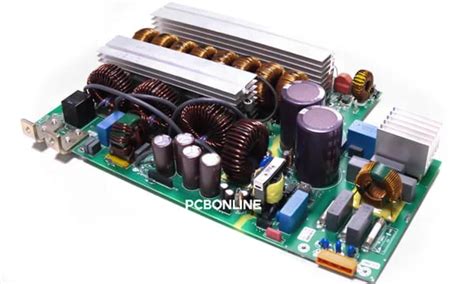
Current Trends in Circuit Card Assembly Techniques
In the rapidly evolving realm of electronic manufacturing, circuit card assembly—or PCBA—is experiencing significant transformation, driven by advancements in technology and methodologies. One of the most notable trends is the increasing use of automation. This trend enhances precision and speed, allowing companies to meet rising production demands while maintaining high quality. Furthermore, the integration of sophisticated software solutions has revolutionized the monitoring and management of PCB assembly processes, facilitating real-time data analysis and decision-making, which in turn leads to improved operational efficiency.
Additionally, manufacturers are prioritizing sustainability by employing eco-friendly materials in their PCB assembly practices. The shift towards these innovative materials not only addresses environmental concerns but also enhances performance metrics through improved thermal management and signal integrity. Another significant trend is the growing utilization of advanced components that contribute to miniaturization while maximizing functionality; this move allows for more compact designs without compromising on performance.
Lastly, there is an increasing emphasis on collaborative design processes, wherein various stakeholders—including engineers, manufacturers, and suppliers—work together from the initial design phase to optimize PCBA for manufacturability. This collaborative approach ensures that every aspect of circuit card assembly design is fine-tuned for cost-effectiveness and performance efficacy. As these trends continue to shape the landscape of circuit card assembly techniques, they offer a glimpse into a more efficient and innovative future for electronic manufacturing industries.
Innovations in Materials and Components
In the realm of pcb assembly and pcba, the advancement of materials and components plays a pivotal role in driving innovation. Utilizing lightweight and high-performance materials can significantly enhance the durability and efficiency of circuit cards. For instance, incorporating flexible substrates not only optimizes space but also allows for intricate designs that were once deemed impossible. Moreover, the emergence of advanced soldering materials has improved connection strength while reducing thermal stress, which is crucial for ensuring long-term functionality in demanding environments. The utilization of conductive inks offers new possibilities for printed electronics, providing lower-cost alternatives without sacrificing performance. Furthermore, integrating components such as microelectromechanical systems (MEMS) can lead to more compact designs that meet the demands of modern consumer electronics while maintaining or even enhancing overall performance. As manufacturers continue to experiment with these innovative materials, the efficiency of the pcb assembly process improves significantly, setting a new standard in electronic manufacturing that aligns with future technological advancements.
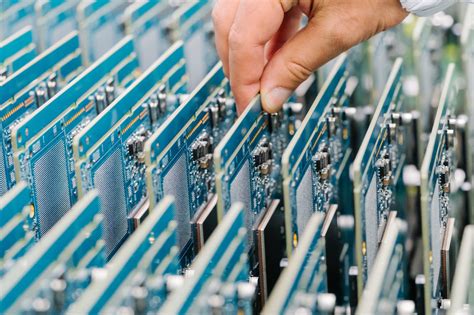
Automation and Robotics in Assembly Processes
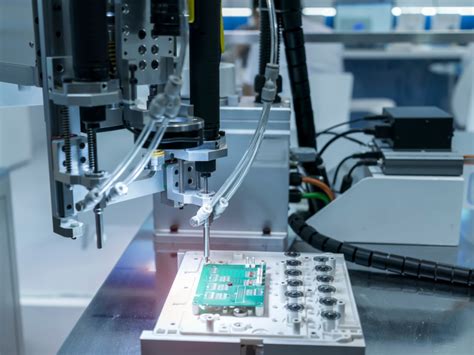
The integration of automation and robotics in pcb assembly has revolutionized the landscape of circuit card assembly design, enhancing both productivity and precision. By deploying advanced robotic systems, manufacturers can achieve high-throughput production while maintaining consistent quality across components. These robotic systems are capable of executing intricate tasks such as soldering and placement with remarkable accuracy, thus minimizing the potential for human error and addressing the increasing complexity of electronic components used in modern pcba applications. Moreover, automation enables real-time monitoring and data collection throughout the assembly process, allowing for responsive adjustments that optimize workflow efficiency. As a result, companies experience significant reductions in assembly time and labor costs, fostering a more agile manufacturing environment. The convergence of automation technologies with smart robotics not only accelerates production cycles but also facilitates the implementation of lean manufacturing principles, ultimately driving performance enhancements that are crucial for competing in today’s fast-paced electronics market. As we look towards the future, it’s evident that continued advancements in automation will further refine circuit card assembly processes, paving the way for more sophisticated applications and higher standards of excellence within the industry.
Enhancing Efficiency through Advanced Software Solutions
In the realm of circuit card assembly design, the integration of advanced software solutions is revolutionizing the efficiency of pcb assembly processes. These software tools are engineered to streamline various aspects of design and manufacturing, significantly reducing the time required to bring a project from concept to reality. By utilizing sophisticated algorithms and real-time data analysis, manufacturers can optimize layout designs for pcba, ensuring that component placement is executed with precision, thereby minimizing errors and reducing materials waste. Furthermore, these software applications facilitate better collaboration among design teams, allowing for rapid iterations and feedback cycles that enhance product development timelines. The automation capabilities embedded in these platforms also promote standardized practices in assembly processes, furthering efficiency and driving down costs associated with manual interventions. As a result, organizations are not only improving their operational workflow but are also setting the stage for future innovations in circuit card assembly technology by adopting more agile methodologies that prioritize flexibility and adaptability in an ever-evolving manufacturing landscape.
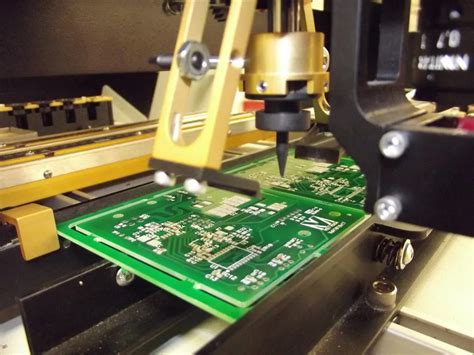
Cost Reduction Strategies in Circuit Card Assembly
In the realm of pcb assembly, various strategies can be employed to significantly reduce costs without compromising quality. One effective approach is the integration of advanced automation technologies. By implementing robotics and automated systems in the pcba process, manufacturers can boost productivity, minimize human error, and streamline workflows. Another critical strategy is leveraging design for manufacturability (DFM) principles. This involves optimizing the layout of circuit components and reducing unnecessary complexity, which not only lowers material costs but also simplifies assembly processes. Furthermore, utilizing high-quality components that offer durability and reliability can decrease long-term costs associated with repairs and replacements. Adopting modular designs can also enhance flexibility during revisions, allowing for easy updates without incurring significant expenses. Ultimately, a combination of these tactics forms a comprehensive approach to cost reduction in circuit card assembly, driving sustainability and profitability in electronic manufacturing.
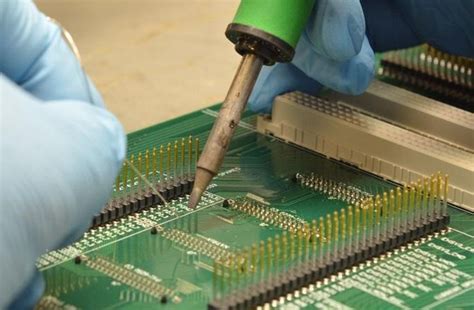
Performance Improvement through Design Optimization
In the realm of pcb assembly, optimizing design plays a crucial role in enhancing overall performance and reliability. One of the foremost strategies involves the careful arrangement of components on the printed circuit board to minimize signal loss and interference. By implementing advanced modeling software, engineers can simulate various layouts, allowing for a clear analysis of how changes can affect both efficiency and functionality. Additionally, leveraging newer materials with superior conductive properties can significantly reduce power consumption within the pcba. This not only leads to enhanced operational efficiency but also extends the lifespan of electronic devices. Furthermore, employing techniques such as Design for Manufacturability (DFM) allows for a more streamlined production process, which reduces waste and lowers costs—critical factors in today’s competitive electronic manufacturing landscape. Overall, these methodologies underscore the importance of design optimization in achieving high-quality outcomes in circuit card assembly design while paving the way for future advancements in technology.
Future Directions in Circuit Card Assembly Technology
As technology continues to evolve, the future of circuit card assembly (CCA) is poised for significant transformation. The integration of advanced automation and robotics is anticipated to revolutionize the pcb assembly process, enhancing both precision and efficiency. With the emergence of smart factories and the Internet of Things (IoT), the connection between machines will enable real-time monitoring and control, facilitating faster adjustments and improving overall productivity in pcba operations. Additionally, innovative materials such as flexible substrates and high-density interconnects are being explored to meet the growing demands for more compact and high-performance devices.
Moreover, software solutions that incorporate artificial intelligence (AI) are being developed to optimize design processes. These intelligent systems can analyze multiple design variables simultaneously, predicting outcomes that would be hard to foresee through traditional methods. This not only enhances design efficiency but also empowers manufacturers to implement cost reduction strategies without compromising on quality.
Sustainability is another area gaining momentum in circuit card assembly technology. As environmental concerns rise, manufacturers are exploring eco-friendly materials and processes that minimize waste and energy consumption during production. In summary, the future directions in circuit card assembly technology promise not only improvements in efficiency, cost-effectiveness, and performance but also an essential commitment to sustainability as industries look ahead toward a more innovative landscape.
Conclusion
In summary, the evolution of circuit card assembly design has been marked by significant advancements that shape the future of electronic manufacturing. The integration of innovative techniques not only improves pcb assembly processes but also enhances overall efficiency and performance. By adopting state-of-the-art materials and components, manufacturers can achieve higher quality pcba products while simultaneously reducing costs associated with production. Furthermore, the implementation of automation and robotics into assembly lines has transformed traditional methods, streamlining workflows and minimizing human error. Advanced software solutions offer robust capabilities for design optimization, allowing for real-time adjustments that cater to varying production demands. As the industry continues to embrace these developments, it is essential for professionals to stay informed about emerging trends that will drive future advancements in circuit card assembly technology. With an unwavering focus on improving performance and efficiency through strategic methods, the landscape of electronic manufacturing is poised for substantial growth and innovation in the years to come.
FAQs
What is PCB assembly?
PCB assembly, often referred to as PCBA, is the process of connecting electronic components to a printed circuit board (PCB) to create a functional electronic circuit. This process is pivotal in the manufacturing of electronic devices.
Why is PCB assembly important in electronics?
PCB assembly is crucial as it directly affects the performance and reliability of electronic devices. Through careful assembly techniques, manufacturers can ensure that components are securely placed and connected, enhancing the overall functionality of the product.
What innovations are shaping current PCB assembly processes?
Recent advancements in automation and advanced software solutions have significantly optimized pcb assembly, leading to increased efficiency and reduced errors. Techniques such as automated optical inspection (AOI) and selective soldering are examples that enhance production quality.
How can efficiency be improved in PCB assemblies?
Efficiency can be improved by streamlining production workflows, using automation technologies, and employing state-of-the-art design software. These approaches help in minimizing waste and reducing time taken for each pcba, ultimately optimizing manufacturing processes.
What challenges do manufacturers face in PCB assembly?
Manufacturers face several challenges including maintaining component quality, handling intricate designs, and meeting tight production deadlines. Adopting innovative strategies can mitigate these challenges and enhance overall efficiency.
Discover More About PCB Assembly
For more insights into innovative approaches to pcb assembly, please click here.