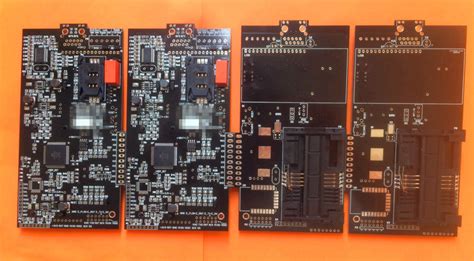
Introduction to copper clad laminates in PCB boards
In electronic devices, from small electronic watches and calculators to large computers, general electronic equipment, and military weapon systems, as long as there are electronic components, PCBs are used for interconnection between them. Printed Circuit Board (PCB), commonly known as PCB, is one of the important components of electronic products. The main function of PCB is to provide mechanical support for the fixed assembly of various components, and to achieve wiring, electrical connection and electrical insulation between electronic components.
The quality of printed circuit boards directly affects the performance of electronic products, and the quality of printed circuit boards is determined by design and manufacturing. Below we will introduce the types of copper clad laminates.
There are many types of copper clad laminates.
According to the reinforcing materials, they are divided into paper substrates, glass cloth boards and synthetic fiber boards; according to the structure, they are divided into single-sided printed circuit boards, double-sided printed circuit boards, multi-layer printed circuit boards, flexible printed circuit boards and flat printed circuit boards; according to the adhesive resin, they are divided into phenolic, epoxy, polyester, polytetrafluoroethylene copper clad laminates, etc. The following introduces single-sided printed circuit boards, double-sided printed circuit boards, multi-layer printed circuit boards, flexible printed circuit boards and flat printed circuit boards according to the structure.
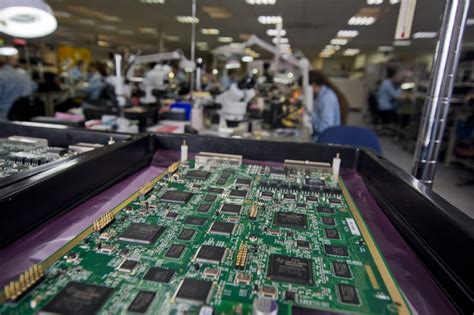
Single-sided printed circuit board
Only one side of the insulating substrate of a single-sided printed circuit board has printed conductors. It is made of a single-sided copper-clad board with phenolic paper, epoxy glass cloth or phenolic glass cloth as the substrate, and is mainly used in radios, televisions, instruments and meters with low electrical performance requirements.
Double-sided printed circuit board
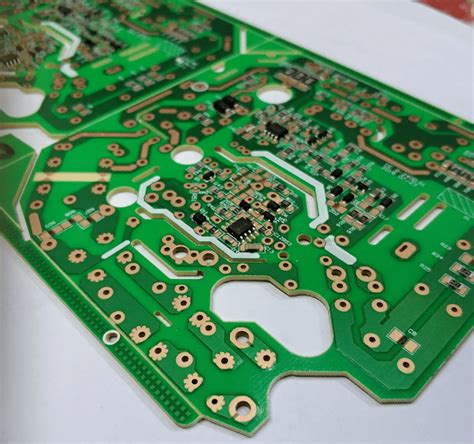
A printed circuit board with conductors printed on both sides of an insulating substrate is called a double-sided printed circuit board. It generally uses metallized holes (holes with a metal layer plated on the hole wall, or vias) to connect the conductors on both sides. A double-sided printed circuit board is made of a double-sided copper-clad board with double-sided epoxy glass cloth or epoxy phenolic glass cloth as the substrate. This circuit board is mainly used in information and communication electronic equipment such as electronic computers and electronic switches.
Multi-layer printed circuit board
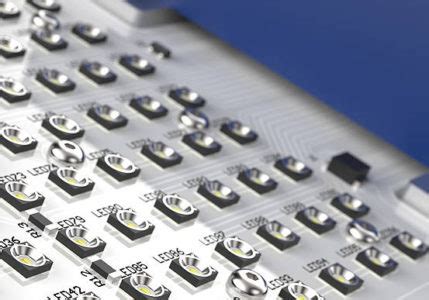
A printed circuit board with more than three layers of printed circuits on an insulating substrate is called a multi-layer printed circuit board. It is made of several thin single-sided or double-sided boards glued together, and the printed conductors between layers are connected through metal vias. The characteristics of multilayer printed circuit boards are: high wiring density, which is in line with the development direction of small size and light weight of electronic products, and can also improve electrical performance. For example, due to the shortened length of the printed line, the delay time of the circuit is reduced, the layers are shielded from each other, and the stability of the circuit is improved.
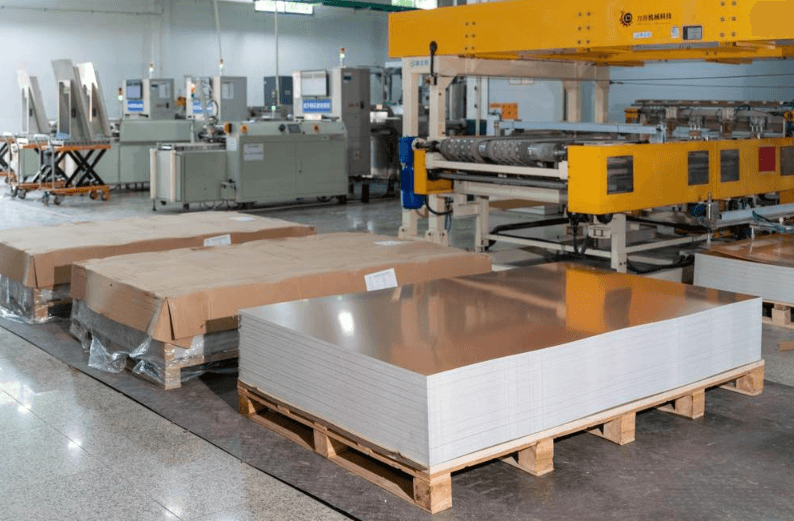
Flexible printed circuit board
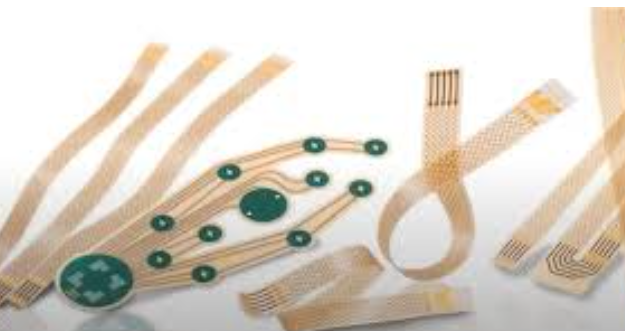
Flexible printed circuit boards are made of soft materials such as polyimide and polytetrafluoroethylene film as the base material, and are hot-pressed with copper foil. They are divided into single-layer, double-layer and multi-layer flexible printed circuit boards. Its characteristics are: small size, light weight, can be bent and folded, can make full use of the internal space of electronic products, and make maintenance work more convenient.
Flexible printed circuit boards are widely used in communication equipment, electronic computers, instruments and meters, military science, and electronic products in the automotive industry.
Plane printed circuit board
The printed conductors of the flat printed circuit board are embedded in the insulating substrate and are flush with the surface of the substrate. They are usually used for switching switches, automatic communication machines and computer keyboards, digital/analog, analog/digital converters, etc.
The printed circuit board is a key component that connects discrete electronic components together. Its quality directly affects the performance of electronic products. From the manufacturing process point of view, the density of the connection should be reduced as much as possible, the interference between the lines should be reduced, and the manufacturing difficulty of the printed circuit board should be reduced. From the economic point of view, standard specifications of the board should be selected as much as possible to facilitate mass production and reduce costs.