Key points and requirements of electric vehicle BMS PCB design
With the popularity of electric vehicles, the battery management system (BMS) plays a vital role in the performance, safety and life of electric vehicles. BMS is responsible for monitoring the status of the battery, controlling the charging and discharging process, managing the battery temperature, and preventing overcharging and over-discharging to ensure the best battery performance, safety and reliability. BMS PCB design plays a key role in ensuring battery performance, safety and reliability. This article briefly explains the main points of electric vehicle BMS PCB design and relevant domestic specifications and requirements to help PCB engineers better meet the needs of battery management.
Key points of electric vehicle BMS PCB design:
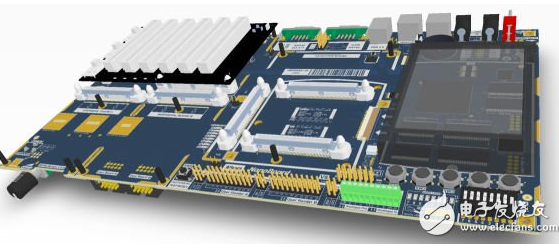
Hierarchical design: Electric vehicle BMS usually includes multiple modules, such as battery management, communication, power management, etc. Therefore, the PCB design should adopt a hierarchical structure so that the signal and power lines of different modules can be clearly and effectively separated.
EMC (Electromagnetic Compatibility) Consideration:
The electric vehicle BMS PCB design must consider electromagnetic compatibility to prevent electromagnetic interference from interfering with other vehicle electronic equipment and ensure the reliability of the system. In the design, shielding measures, ground planning and noise reduction technology should be adopted to reduce electromagnetic radiation and anti-interference capabilities.
High temperature environment adaptability:
Electric vehicle battery packs work in high temperature environments, so the BMS PCB must have high temperature resistance. The selection of high temperature resistant materials, reasonable heat dissipation design and temperature sensors to monitor battery temperature are key.
Safety requirements:
BMS is responsible for battery safety management and must meet strict safety requirements. PCB design should consider battery overcharge, over discharge and short circuit protection to ensure battery safety.
Communication interface:
Electric vehicle BMS usually needs to interact with vehicle control systems, charging piles and monitoring systems for data. Therefore, communication interfaces such as CAN, LIN, Ethernet, etc. should be considered in the design to meet different communication needs.
Maintainability:
Electric vehicle BMS requires regular maintenance and upgrades. PCB design should consider easy-to-maintain features such as clear marking, easy-to-replace components and modular design.
Low power design:
To extend battery life, BMS should adopt low power design. PCB design should pay attention to reducing power consumption, including optimizing circuits, selecting low power components and designing sleep modes.
Fault tolerance:
Electric vehicle BMS must have a certain degree of fault tolerance to prevent single point failures from affecting the entire system. It is a common practice to adopt redundant design and fault detection technology.
Domestic electric vehicle BMS specifications and requirements:
In China, the BMS PCB design of electric vehicles must comply with a series of national and local standards to ensure the safety and performance of electric vehicles. Here are some key specifications and requirements:
GB/T 31485-2015 “General Specifications for Battery Management Systems for Electric Vehicles”:
This standard specifies the performance, reliability, safety and communication requirements of electric vehicle BMS. These specifications must be followed in the design to ensure the compliance of the BMS.
GB/T 31486-2015 “Safety Specifications for Lithium-ion Power Batteries for Electric Vehicles”:
This standard specifies the safety requirements for lithium-ion batteries, and the BMS must be able to monitor and manage the status of the battery to ensure safety.
GB/T 32960-2016 “Technical Requirements for Remote Diagnosis and Communication of Road Vehicles”: This standard specifies the remote diagnosis and communication requirements for electric vehicles, including data transmission and cloud monitoring of BMS. The application of these communication technologies should be considered in the design.
Local standards: Some local governments may set additional BMS requirements to meet local safety and environmental standards. The design team should pay close attention to local regulations and requirements.
Conclusion:
Electric vehicle BMS PCB design is a key factor in ensuring battery performance, safety and reliability. Designers must consider key points such as hierarchical design, EMC, high temperature environment adaptability, safety requirements, communication interface, maintainability, low power design and fault tolerance. At the same time, relevant domestic specifications and requirements such as GB/T 31485-2015, GB/T 31486-2015 and GB/T 32960-2016 must be followed to ensure the compliance of the BMS. The future development of electric vehicles requires continuous improvement and innovation of BMS PCB design to meet the growing needs and challenges.