Leading Innovations in PCB Electronics Companies Today
Key Takeaways
In the rapidly evolving world of electronics, PCB assembly (commonly known as PCBA) has become an essential component in the development and functionality of a wide range of devices. Leading PCB electronics companies have embraced advanced technologies to improve production processes, ensuring that devices not only meet current demands but also anticipate future needs.
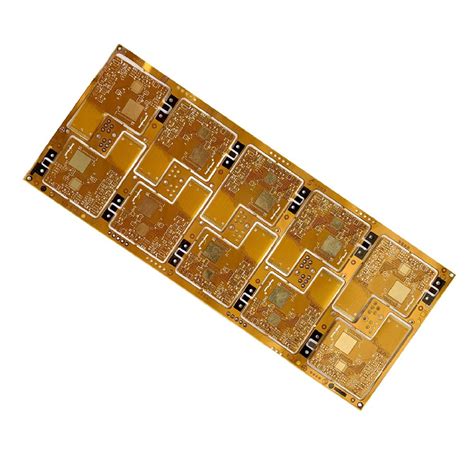
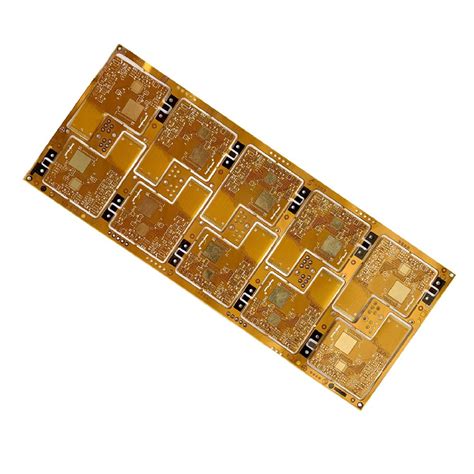
Key innovations such as multi-layer boards, high-density interconnect (HDI) technology, and flexible PCB designs have transformed the landscape of PCB manufacturing. These advances allow for more compact designs that enhance performance and reliability.
Moreover, many companies are adopting sustainable practices in their operations, choosing materials that minimize environmental impact while maintaining high standards of quality.
| Innovation Type | Description | Benefits |
|---|---|---|
| Multi-layer Boards | PCBs with multiple layers for complex circuits | Increased functionality in smaller sizes |
| HDI Technology | High-density interconnections for miniaturization | Enhanced performance and reduced footprint |
| Flexible PCBs | Bendable boards that can fit into tight spaces | Greater design flexibility and product versatility |
“Innovation in pcb assembly is not just about technology; it’s about improving the way we live.” – Industry Expert
By focusing on these innovations and sustainable practices, leading PCB electronics companies are not only enhancing product performance but also shaping a more efficient and eco-conscious future for the industry. As competition grows among manufacturers, it is imperative to stay updated with these trends to remain relevant in this dynamic market.
The Role of PCB Electronics in Modern Technology
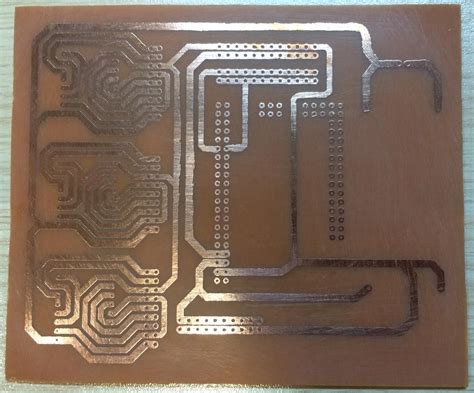
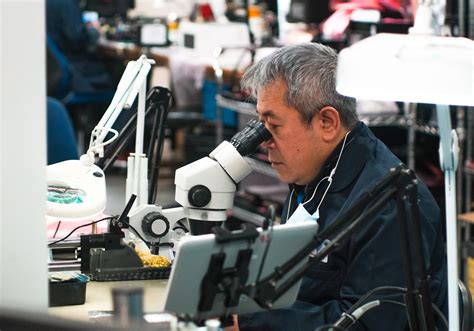
Printed Circuit Boards (PCBs) are the backbone of modern electronics, serving as an essential component in countless devices we rely on every day. The evolution of PCB electronics has significantly contributed to advancements in technology, paving the way for more efficient and compact designs. With the integration of pcba (PCB assembly), which combines various components into a single board, manufacturers can create high-performance products that meet the growing demands of consumers and industries alike. The ability to rapidly prototype and produce PCBs allows companies to innovate quickly, responding effectively to market needs. Furthermore, advancements in materials and manufacturing techniques have led to lighter and more durable PCBs that are vital for mobile devices, automotive applications, and medical equipment. As we continue to navigate the challenges posed by technological advancements, the role of pcb electronics evolves, ensuring that our electronic devices are not only functional but also capable of enhancing our daily lives in dynamic ways. The synergy between design ingenuity and practical implementation is shaping a future rich with potential where PCB electronics will remain at the forefront of innovation.
Key Innovations Transforming PCB Design and Manufacturing
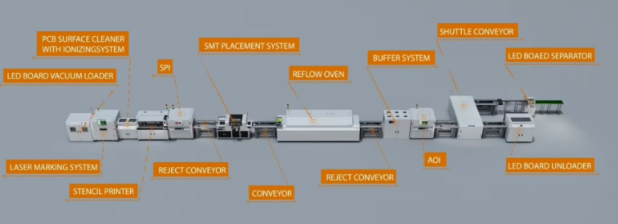
The evolution of PCB design and manufacturing has been significantly influenced by groundbreaking innovations that prioritize both performance and sustainability. One of the most notable advancements is the integration of multilayer PCBs, which allows for increased functionality in a compact form factor, essential for modern electronic devices. Furthermore, the rise of automated assembly processes has streamlined pcb assembly operations, enhancing production efficiency while minimizing human error. This technological shift towards automation is complemented by sophisticated design software that facilitates more complex layouts and optimizations. Advanced materials, such as high-frequency laminates and flexible substrates, are also transforming traditional manufacturing processes, enabling pcba that can withstand extreme conditions while maintaining reliability. Additionally, the focus on sustainable practices has led to innovations in both material selection and waste reduction techniques, emphasizing the importance of eco-consciousness within the industry. As companies adopt these innovations, they not only improve product performance but also set new standards for excellence in electronic manufacturing, significantly shaping the future landscape of PCB electronics.
Sustainable Practices in the PCB Electronics Industry
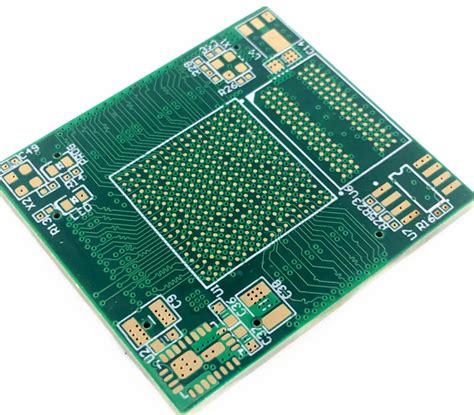
In today’s rapidly evolving technological landscape, sustainable practices have emerged as a critical focus area for PCB electronics companies. As the demand for more efficient and environmentally friendly solutions grows, the integration of sustainability within pcb assembly processes becomes increasingly significant. This shift not only addresses environmental concerns but also enhances brand reputation among eco-conscious consumers. Many leading firms are adopting practices such as recycling materials, optimizing resource usage, and utilizing both renewable energy and environmentally safe materials in their operations. Furthermore, innovations like pcba technology are being developed to facilitate efficient supply chains that minimize waste and reduce carbon footprints. By prioritizing sustainability, pcb electronics companies can not only positively impact the planet but also drive profitability through cost savings and improved market competitiveness. As these organizations continue to refine their operations, they set a benchmark for industry-wide standards, showcasing how sustainable practices can harmoniously coexist with technological advancement in the realm of electronics.
Enhancing Product Performance Through Advanced PCB Technologies
The landscape of electronics is rapidly evolving, and PCB assembly finds itself at the heart of this transformation. Advanced PCB technologies play a critical role in enhancing product performance by optimizing both the design and manufacturing processes. Through the adoption of techniques such as high-density interconnects and flexible PCBA methods, manufacturers can create more compact and efficient circuit boards that meet the growing demands of modern devices. Additionally, innovations in materials, such as low-loss substrates and environmentally-friendly laminates, have led to improvements in signal integrity and thermal management. These advancements not only increase reliability but also extend the operational lifespans of electronic products. As consumer expectations soar, companies that prioritize cutting-edge design philosophies can differentiate themselves in a competitive market. By leveraging automation and smart manufacturing practices, the PCB electronics industry is set to further enhance functionality while reducing waste and production costs, ensuring a more sustainable future for technology.
Case Studies: Leading PCB Electronics Companies and Their Breakthroughs
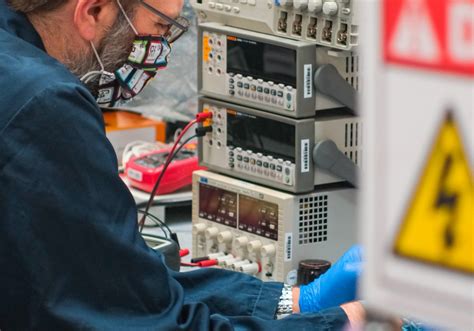
Leading PCB electronics companies are continuously pushing the boundaries of technology through innovative practices and groundbreaking solutions. One notable example is a company that revolutionized pcb assembly processes by integrating advanced automation techniques. This shift not only reduced production times but also significantly enhanced accuracy in the PCBA process, leading to lower defect rates and improved product performance. Another leading firm has made strides in sustainable practices by developing environmentally friendly materials for circuit boards, showcasing how eco-conscious innovations can coexist with cutting-edge technology. These advancements are not merely incremental; they represent a profound transformation in how electronics are designed, manufactured, and utilized across various industries. As these companies pave the way forward, they demonstrate that effective collaboration and a commitment to innovation are essential for overcoming challenges and achieving success in the global marketplace of electronics.
Future Trends in PCB Electronics: What to Expect
As we look ahead, the future trends in PCB electronics indicate a fascinating evolution driven by both technological advancements and market demands. The integration of smart technology, artificial intelligence, and the Internet of Things (IoT) will play a significant role in shaping PCB assembly processes and designs. Companies are increasingly focusing on high-density interconnects (HDI) to create smaller, more powerful devices, enabling more compact designs with enhanced performance. Moreover, the need for sustainability is propelling the industry towards adopting environmentally friendly materials and processes in pcba production. Manufacturers are exploring biodegradable substrates and reducing waste through improved production techniques. The demand for flexibility in design also encourages innovations such as flexible PCBs, which provide new possibilities for a variety of applications across different sectors. With these developments, it is clear that leading PCB electronics companies are not just responding to current market trends; they are actively participating in defining the landscape of future electronics. As these trends continue to unfold, staying attuned to advancements will be crucial for businesses aiming to remain competitive in this rapidly evolving field.
The Importance of Collaboration in Driving PCB Innovations
In the rapidly evolving world of PCB electronics, collaboration has emerged as a critical factor in fostering innovation. Companies that specialize in pcb assembly have recognized that partnerships across various sectors—including engineering, design, and supply chain management—are essential for developing cutting-edge products. By working together, these organizations can leverage a diverse set of skills and technologies, ultimately leading to more efficient manufacturing processes and novel product offerings. This collaborative spirit allows for the sharing of valuable insights that can enhance pcba capabilities and address complex challenges in PCB design and production. Moreover, such teamwork can facilitate the integration of sustainable practices into the development cycle, which is increasingly important for reducing environmental impact. As leading PCB electronics companies continue to pool resources and expertise, this synergy not only accelerates innovation but also plays a pivotal role in setting new industry standards that benefit consumers and businesses alike. With this cooperative approach, the potential to explore new frontiers in electronics becomes boundless, ensuring that advancements are not only innovative but also aligned with market demands and sustainability goals.
Challenges Facing PCB Electronics Companies and Strategies to Overcome Them
The PCB electronics industry is currently navigating a myriad of challenges that threaten its growth and innovation potential. One major difficulty is the increasing demand for more complex and compact PCB assembly processes, necessitating advanced skills and technologies in PCBA (printed circuit board assembly). Companies are striving to keep up with rapid technological advancements while maintaining high-quality standards. Moreover, ever-tightening environmental regulations are pushing manufacturers to adopt more sustainable practices, often requiring significant investment in research and development. To counter these challenges, many PCB electronics companies are fostering collaboration across the supply chain, from raw material sourcing to end-user engagement. By embracing cutting-edge design software and automation technologies, they enhance accuracy and efficiency in their workflows. Furthermore, investing in employee training programs ensures that teams are equipped with the latest knowledge around techniques for optimizing PCB assembly practices. In an increasingly competitive market, these strategies not only help mitigate risks but also position companies to leverage emerging opportunities effectively.
Conclusion
In summary, the landscape of PCB electronics companies is continuously evolving, reflecting the dynamic nature of technology and consumer demands. These companies play a pivotal role in the advancement of modern electronics, with innovations in pcb assembly and pcba processes that enhance both efficiency and product performance. By embracing sustainable practices, leading firms not only reduce their environmental impact but also set a benchmark for others in the industry. The journey towards achieving higher standards of reliability and functionality in electronic devices underscores the significance of advanced PCB technologies. As we look forward, it is clear that collaboration between different sectors will be vital in overcoming challenges and fostering further innovation in PCB design and manufacturing. The ongoing commitment to excellence ensures that these companies remain at the forefront, shaping the future landscape of electronics.
FAQs
What is PCB assembly?
PCB assembly, or PCBA, refers to the process of soldering electronic components onto a printed circuit board (PCB) to create a functional electronic circuit. This is a critical step in the manufacturing of electronic devices and is vital for ensuring product reliability.
Why is PCBA important for electronic devices?
The quality of PCBA can significantly impact the overall performance, durability, and efficiency of electronic devices. Properly executed pcb assembly minimizes electrical failures and optimizes the functionality of the final product.
What innovations are shaping PCB design and manufacturing?
Innovations such as advanced materials, automated processes, and innovative design software are transforming pcb assembly practices. These advancements allow for smaller, more efficient, and high-performing PCBs that meet modern technological demands.
How do sustainable practices influence PCB electronics companies?
Leading PCB electronics companies are increasingly adopting sustainable practices such as reducing waste, using eco-friendly materials, and implementing energy-efficient manufacturing processes. This not only benefits the environment but enhances their brand reputation.
What challenges do PCB electronics companies face?
Challenges include rising material costs, technological advancements outpacing production capabilities, and meeting regulatory requirements. Companies must implement strategic solutions to address these issues while maintaining quality in pcb assembly.