Leading LED Bulb PCB Manufacturers for Durable Lighting Solutions
Key Takeaways
When evaluating PCB manufacturing for LED bulbs, you’ll want to prioritize companies that specialize in aluminum-backed PCBs, as these boards excel in thermal management and durability. High-quality PCB manufacturing companies integrate advanced materials and precision engineering to ensure your LED solutions withstand heat, humidity, and long-term usage. A critical factor is balancing PCB manufacturing cost with performance—opting for cheaper alternatives might compromise reliability, while over-engineering can inflate budgets unnecessarily.
Tip: Always verify if your chosen manufacturer adheres to international safety standards like UL or RoHS, as compliance ensures both product longevity and market acceptance.
Innovations in PCB manufacturing business practices, such as automated assembly and optimized layer stacking, reduce waste and improve consistency. For instance, global leaders in the industry leverage streamlined production workflows to deliver cost-effective, high-volume orders without sacrificing quality. Look for suppliers offering prototyping services—this allows you to test designs before full-scale production, minimizing risks.
Key features to prioritize include thermal conductivity, corrosion-resistant coatings, and flexible design options to accommodate diverse lighting applications. By partnering with experienced PCB manufacturing providers, you gain access to tailored solutions that align with your project’s technical and budgetary needs. Whether you’re developing residential or commercial lighting systems, investing in robust PCBs ensures your LED bulbs deliver energy efficiency and longevity—cornerstones of modern sustainable design.
Understanding the Role of PCBs in Modern LED Bulb Technology
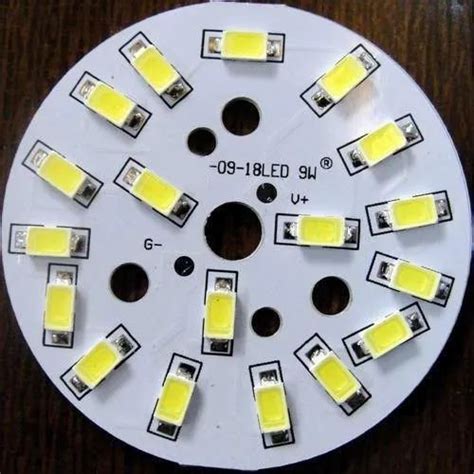
At the heart of every efficient LED bulb lies a PCB manufacturing process that ensures reliability and performance. Printed Circuit Boards (PCBs) serve as the foundation for mounting and connecting LEDs, resistors, and other components, enabling seamless electrical conductivity and heat dissipation. Aluminum-backed PCBs, for instance, are widely preferred in LED bulb PCB manufacturing due to their superior thermal management, which directly impacts the longevity of lighting solutions.
When selecting PCB manufacturing companies, you want partners that prioritize precision and material quality. High-performance LED bulbs demand boards that can withstand prolonged heat exposure while maintaining electrical stability. This is where advanced PCB manufacturing business practices come into play—utilizing automated assembly lines and rigorous testing protocols to minimize defects and ensure consistency.
Cost considerations are equally critical. While PCB manufacturing cost varies based on design complexity and material choices, reputable manufacturers strike a balance between affordability and durability. For example, opting for thicker copper layers or advanced substrates might increase initial expenses but reduces long-term maintenance costs by enhancing product lifespan.
Innovations in PCB manufacturing also focus on eco-friendly materials and energy-efficient production methods, aligning with global sustainability goals. By partnering with certified manufacturers, you gain access to boards that comply with international safety standards, ensuring your LED solutions meet both performance and regulatory expectations.
In essence, understanding the interplay between design, materials, and PCB manufacturing processes empowers you to choose solutions that deliver durability without compromising on efficiency or cost-effectiveness.
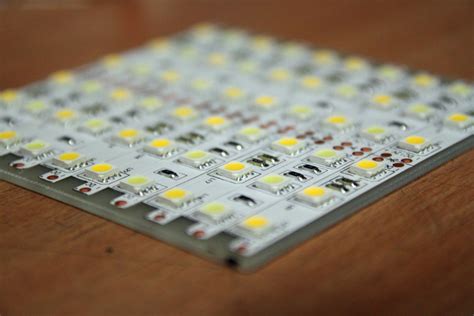
Benefits of Aluminum-Backed PCBs for Long-Lasting LED Solutions
When designing durable LED lighting systems, the choice of PCB manufacturing materials plays a critical role in performance and longevity. Aluminum-backed PCBs are increasingly favored for their superior thermal management, which directly impacts the lifespan of LED bulbs. Unlike traditional FR4 boards, aluminum substrates efficiently dissipate heat generated by high-intensity LEDs, preventing overheating and ensuring consistent brightness over time. This makes them ideal for applications where reliability is non-negotiable, such as industrial lighting or outdoor installations.
One of the standout advantages of working with specialized PCB manufacturing companies is their ability to optimize designs for cost and durability. Aluminum PCBs, though slightly higher in initial PCB manufacturing cost, reduce long-term expenses by minimizing failures and maintenance needs. Their robust construction also withstands harsh environments, including moisture and temperature fluctuations, ensuring your LED solutions remain operational for years.
Here’s a quick comparison of aluminum-backed PCBs versus standard alternatives:
| Feature | Aluminum-Backed PCBs | FR4 PCBs |
|---|---|---|
| Thermal Conductivity | High (1-3 W/m·K) | Low (0.3 W/m·K) |
| Durability | Excellent for high-heat | Moderate |
| Cost Efficiency | Higher upfront, lower lifetime | Lower upfront, higher lifetime |
| Applications | Industrial, outdoor, high-power | Low-power, indoor |
For businesses in the PCB manufacturing business, aluminum-backed boards also streamline production. Their single-layer design simplifies assembly, reducing labor and material waste. Additionally, advancements in fabrication techniques allow manufacturers to offer competitive pricing without compromising on quality. By prioritizing thermal performance and reliability, you not only enhance product longevity but also build trust with clients who demand energy-efficient, durable lighting solutions.
When evaluating PCB manufacturing cost, consider the total lifecycle value rather than just upfront expenses. Aluminum-backed PCBs exemplify how strategic material choices can align with both performance goals and budgetary constraints, making them a cornerstone of modern LED technology.
Key Features of High-Performance LED Bulb PCB Manufacturing
When selecting a partner for PCB manufacturing, you’ll want to prioritize companies that specialize in advanced thermal management and material innovation. High-performance LED bulb PCBs rely on aluminum-backed substrates to dissipate heat efficiently, ensuring longevity and consistent brightness. Reputable PCB manufacturing companies integrate precision etching and surface-mount technology (SMT) to create boards that withstand high currents and temperature fluctuations, critical for durable lighting solutions.
Cost efficiency is a cornerstone of sustainable PCB manufacturing business models. By optimizing material usage and adopting automated assembly processes, manufacturers reduce PCB manufacturing cost without compromising quality. For instance, bulk production of standardized designs lowers expenses, while custom solutions remain accessible for specialized applications. You’ll also find that leading providers employ rigorous testing protocols, including thermal cycling and electrical stress tests, to validate reliability before delivery.
Another key feature is adherence to global safety standards. Compliance with certifications like UL and RoHS ensures your LED bulbs meet regulatory requirements, reducing risks in commercial or residential installations. Innovations such as flexible PCBs or ceramic-filled substrates further enhance durability, enabling thinner designs and improved resistance to environmental stressors. By partnering with manufacturers that prioritize these features, you secure PCBs that elevate product performance while aligning with competitive pricing and scalable production needs.
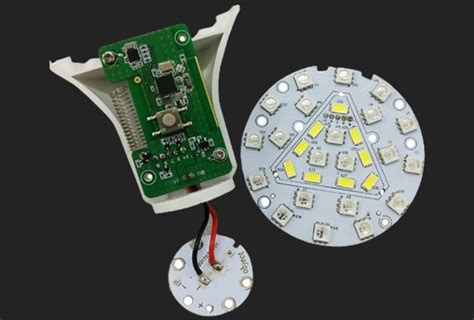
Comparing Global PCB Manufacturers: Quality and Reliability Standards
When evaluating PCB manufacturing companies for LED bulb applications, you need to prioritize quality and reliability standards that align with your project’s demands. Leading manufacturers distinguish themselves through rigorous testing protocols, advanced material selection, and adherence to international certifications like ISO 9001 and UL. For instance, high-performance aluminum-backed PCBs are critical for thermal management in LED lighting, ensuring durability even under prolonged use. Global suppliers often leverage economies of scale to optimize PCB manufacturing cost without compromising on performance, making it essential to compare pricing models alongside technical capabilities.
Reputable PCB manufacturing firms also emphasize traceability and compliance with safety regulations such as RoHS and REACH, which minimize environmental risks and ensure product longevity. When assessing a PCB manufacturing business, consider their production capacity, lead times, and flexibility in handling custom designs. Companies that integrate automated assembly lines and precision engineering tend to deliver consistent results, reducing defects and enhancing the lifespan of LED components. Additionally, transparent communication about material sourcing—such as high-grade substrates or copper layers—can help you gauge whether their processes align with your durability requirements.
Ultimately, balancing cost-efficiency with quality assurance requires understanding how manufacturers manage overheads, such as energy consumption or waste reduction strategies. Partnering with a globally recognized PCB manufacturing provider ensures access to cutting-edge innovations, such as hybrid materials or advanced heat dissipation techniques, which are pivotal for next-gen LED solutions. By prioritizing suppliers with proven track records in reliable production and scalable services, you secure a foundation for long-term success in the competitive lighting industry.
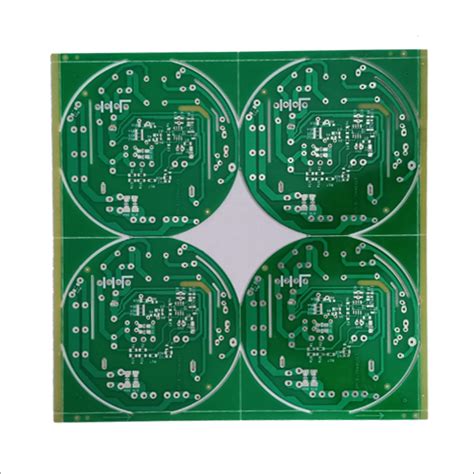
Streamlined Production Processes for Durable LED Lighting Components
When selecting PCB manufacturing companies for LED bulb applications, you want partners that prioritize efficiency without compromising quality. Modern PCB manufacturing processes leverage automation and precision engineering to ensure consistent output, reducing defects and material waste. Advanced surface-mount technology (SMT) lines, for instance, enable rapid assembly of components onto aluminum-backed boards, which are critical for heat dissipation in high-performance LED systems. By optimizing workflows, manufacturers minimize PCB manufacturing cost, translating to competitive pricing for bulk orders while maintaining durability standards.
A streamlined PCB manufacturing business relies on scalable practices, such as modular production layouts and real-time quality monitoring. These methods accelerate turnaround times, allowing suppliers to meet tight deadlines without sacrificing compliance with international safety certifications. Additionally, using high-grade materials like thermally conductive substrates ensures PCBs withstand prolonged operational stress, extending the lifespan of LED lighting solutions. Lean manufacturing principles further enhance resource allocation, reducing overhead and enabling reinvestment in R&D for innovative designs.
To stay ahead, leading manufacturers integrate predictive maintenance and AI-driven analytics into their processes. This proactive approach identifies potential bottlenecks early, ensuring uninterrupted production cycles. Whether you’re prototyping or scaling up, partnering with a PCB manufacturing expert who balances speed, cost-efficiency, and reliability is key to delivering durable lighting components that meet evolving market demands.
Cost-Efficiency and Competitive Pricing in PCB Manufacturing
When sourcing PCB manufacturing services for LED bulbs, balancing affordability with quality is critical. Leading PCB manufacturing companies optimize PCB manufacturing cost through advanced processes, bulk material procurement, and energy-efficient production methods. By leveraging economies of scale, these manufacturers reduce per-unit expenses without compromising on performance, making high-quality aluminum-backed boards accessible even for large-volume orders. For your PCB manufacturing business or project, this translates to durable lighting solutions that align with budget constraints while meeting rigorous reliability standards.
Innovations like automated assembly lines and precision etching minimize material waste, further driving down costs. Reputable providers also employ design-for-manufacturing (DFM) principles to streamline layouts, ensuring fewer errors and faster turnaround times. Strategic partnerships with raw material suppliers enable them to secure premium substrates like thermally conductive aluminum at competitive rates, a key factor in maintaining cost-efficiency. Additionally, global logistics networks allow manufacturers to offer scalable services, whether you’re procuring prototypes or full-scale production batches.
Transparent pricing models are another hallmark of reliable PCB manufacturing partners. Detailed cost breakdowns—covering materials, labor, testing, and certifications—help you make informed decisions. While lower upfront costs might seem appealing, prioritizing long-term value ensures your LED bulbs withstand thermal stress and environmental factors, reducing replacement expenses over time. By collaborating with certified PCB manufacturing companies, you gain access to expertise in minimizing PCB manufacturing cost without sacrificing the durability or safety of your lighting products. This balance of economy and excellence is what defines leaders in the PCB manufacturing business, empowering you to deliver high-performance LED solutions at market-competitive prices.
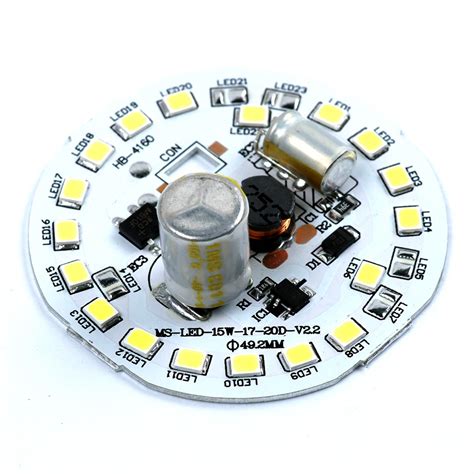
Innovations in LED PCB Design for Enhanced Durability
When exploring advancements in PCB manufacturing for LED bulbs, durability remains a top priority. Modern PCB manufacturing companies now integrate advanced thermal management systems, such as aluminum-backed substrates, to address heat dissipation challenges inherent in high-intensity lighting. These substrates not only extend the lifespan of LED bulbs but also enhance performance under prolonged use. Innovations like embedded heat sinks and precision etching further optimize thermal conductivity, ensuring consistent brightness and reducing the risk of component failure.
Another breakthrough lies in the use of multi-layered PCB designs, which allow for compact yet robust circuitry. This is particularly beneficial for energy-efficient LED solutions, where space constraints demand high-density layouts without compromising reliability. By leveraging automated optical inspection (AOI) systems during PCB manufacturing, companies can detect micro-defects early, minimizing waste and improving yield rates.
Cost-efficiency is also a critical focus. Advances in material science and production techniques have lowered PCB manufacturing cost, making high-quality aluminum-backed boards more accessible. For businesses in the PCB manufacturing business, adopting scalable processes—such as panelization and laser drilling—ensures faster turnaround times without sacrificing precision. Additionally, eco-friendly practices, like lead-free soldering, align with global safety standards while meeting rising demand for sustainable lighting solutions.
By partnering with manufacturers that prioritize innovation, you gain access to PCBs engineered for longevity, even in harsh environments. Whether it’s optimizing thermal pathways or refining assembly workflows, these advancements underscore how modern PCB manufacturing transforms LED technology into durable, cost-effective lighting systems.
Ensuring Compliance and Safety in LED Bulb PCB Production
When selecting PCB manufacturing companies for LED bulb applications, compliance and safety are non-negotiable. Reputable manufacturers adhere to stringent international standards, such as ISO 9001 and UL certification, to ensure their PCB manufacturing processes meet quality, safety, and environmental benchmarks. These protocols minimize risks like overheating or electrical failures, which are critical for maintaining the longevity of LED lighting systems.
A key aspect of compliance lies in material selection. High-quality aluminum-backed PCBs are often preferred due to their superior thermal management, reducing the likelihood of component degradation. Manufacturers must also follow RoHS (Restriction of Hazardous Substances) directives, ensuring no harmful substances like lead or mercury are used in production. This not only aligns with global regulations but also supports eco-friendly PCB manufacturing business practices.
Cost considerations, such as PCB manufacturing cost, should never compromise safety. Leading companies balance affordability with rigorous testing, including thermal cycling, electrical stress tests, and humidity resistance checks. These steps validate that every board performs reliably under real-world conditions, even in high-temperature environments common to LED bulbs.
For businesses, partnering with certified PCB manufacturing providers ensures seamless compliance documentation, such as material traceability and test reports. This transparency is vital for audits and builds trust in the supply chain. Additionally, streamlined production workflows—like automated quality control systems—help maintain consistency while keeping costs competitive.
Ultimately, prioritizing compliance and safety in PCB manufacturing safeguards your lighting solutions against recalls or performance issues. By choosing manufacturers with proven expertise in regulatory adherence, you invest in durable, safe, and market-ready LED products.
Conclusion
When selecting a PCB manufacturing partner for LED bulb solutions, prioritizing expertise in aluminum-backed PCB production ensures your lighting products meet durability and performance benchmarks. Leading PCB manufacturing companies integrate advanced thermal management techniques, such as high-conductivity substrates and precision etching, to optimize heat dissipation—a critical factor in extending LED lifespan. By focusing on PCB manufacturing cost efficiency, these manufacturers deliver competitively priced solutions without compromising on material quality or reliability, making them ideal for businesses aiming to balance affordability with long-term value.
The success of your PCB manufacturing business hinges on partnering with suppliers that adhere to global compliance standards, such as RoHS and UL certifications, while leveraging streamlined production workflows. Innovations like automated optical inspection (AOI) and laser drilling enhance precision, reducing defects and ensuring consistent output. Whether you’re scaling production or customizing designs for niche markets, collaborating with manufacturers that offer flexible prototyping and rapid turnaround times can significantly accelerate your time-to-market. By aligning with industry leaders, you secure access to cutting-edge technologies and sustainable practices, future-proofing your LED lighting solutions in an evolving market.
Frequently Asked Questions
What role do PCBs play in LED bulb performance?
PCB manufacturing is critical to LED bulb functionality, as the board provides electrical connectivity and thermal management. High-quality aluminum-backed PCBs dissipate heat efficiently, ensuring longer lifespan and consistent brightness for your lighting solutions.
How do I choose reliable PCB manufacturing companies?
Look for companies with certifications like ISO or UL, which validate adherence to quality standards. Reputable PCB manufacturing companies prioritize material durability, precision design, and rigorous testing to deliver long-lasting solutions for LED applications.
What factors influence PCB manufacturing cost?
Cost depends on material type (e.g., aluminum vs. FR4), board complexity, and order volume. While aluminum-backed PCBs may have higher upfront costs, they reduce long-term expenses by enhancing product durability. Bulk orders often lower per-unit PCB manufacturing cost.
Can small businesses enter the PCB manufacturing business?
Yes, but success requires niche specialization. Focusing on LED bulb PCBs allows smaller PCB manufacturing businesses to compete by offering tailored designs, faster turnaround, or eco-friendly materials that meet specific client needs.
Why are aluminum-backed PCBs preferred for LED lighting?
Aluminum’s high thermal conductivity prevents overheating, a common cause of LED failure. This makes aluminum-backed PCBs ideal for energy-efficient and durable lighting systems, especially in high-temperature environments.
How do global PCB manufacturers ensure reliability?
Leading manufacturers use automated production lines, advanced testing protocols, and compliance with international safety standards. This ensures consistent quality, whether you’re sourcing locally or through global PCB manufacturing companies.
Explore Our PCB Manufacturing Solutions
For tailored LED bulb PCB designs that balance performance and affordability, please click here to connect with experts dedicated to meeting your project requirements.