LED Lighting PCB Solution: A Comprehensive Guide
Introduction
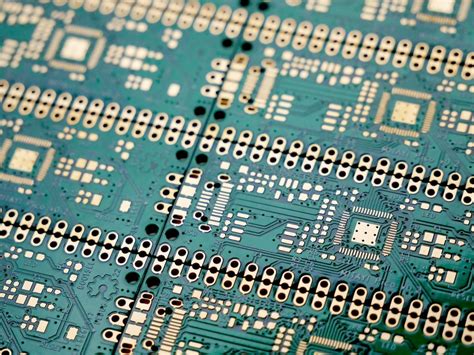
The rapid advancement of LED (Light Emitting Diode) technology has revolutionized the lighting industry, offering energy efficiency, long lifespan, and superior brightness compared to traditional lighting solutions. A critical component in LED lighting systems is the Printed Circuit Board (PCB), which serves as the backbone for electrical connections and thermal management.
This article explores LED Lighting PCB Solutions, covering design considerations, material selection, thermal management, manufacturing processes, and applications. By understanding these aspects, manufacturers and engineers can optimize LED performance and reliability.
1. Importance of PCBs in LED Lighting
PCBs play a crucial role in LED lighting systems by:
- Providing electrical connectivity between LED chips, drivers, and power sources.
- Ensuring efficient heat dissipation to prevent overheating and extend LED lifespan.
- Enabling compact and flexible designs for various lighting applications.
Without a well-designed PCB, LEDs may suffer from premature failure, reduced brightness, or inconsistent performance.
2. Types of PCBs Used in LED Lighting
Different types of PCBs are used depending on the LED application:
2.1 Single-Layer PCBs
- Basic and cost-effective
- Suitable for simple LED applications like indicator lights and small bulbs.
- Limited thermal dissipation capability.
2.2 Double-Layer PCBs
- Improved thermal and electrical performance
- Used in residential and commercial LED lighting.
- Allows for better routing and heat distribution.
2.3 Multilayer PCBs (4+ layers)
- High-power LED applications (street lights, automotive lighting).
- Enhanced thermal management with internal ground and power planes.
- More complex and expensive but offers superior performance.
2.4 Metal Core PCBs (MCPCBs)
- Best for high-power LEDs (e.g., industrial lighting, stage lights).
- Features an aluminum or copper core for excellent heat dissipation.
- Prevents thermal degradation of LEDs.
2.5 Flexible PCBs
- Used in curved or flexible LED lighting (e.g., LED strips, automotive interiors).
- Lightweight and adaptable to unique shapes.
3. Key Design Considerations for LED Lighting PCBs
3.1 Thermal Management
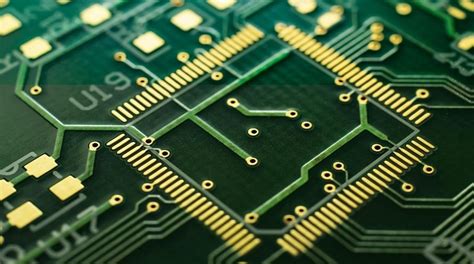
- Heat sinks, thermal vias, and metal-core substrates help dissipate heat.
- Poor thermal design leads to LED junction temperature rise, reducing lifespan.
3.2 Copper Thickness & Trace Width
- Thicker copper (2oz – 4oz) improves current handling and heat dissipation.
- Proper trace width prevents overheating and voltage drops.
3.3 Component Placement
- LEDs should be evenly spaced to avoid hot spots.
- Drivers and control circuits must be placed to minimize EMI interference.
3.4 Solder Mask & Silkscreen
- White solder mask enhances reflectivity in LED lighting.
- Clear labeling helps in assembly and troubleshooting.
3.5 Power Supply & Driver Integration
- Constant current drivers ensure stable LED performance.
- PCB layout must minimize power losses and electromagnetic interference (EMI).
4. Materials for LED Lighting PCBs
4.1 FR-4 (Standard PCB Material)
- Cost-effective but has limited thermal conductivity.
- Suitable for low-power LED applications.
4.2 Aluminum (MCPCB – Metal Core PCB)
- Excellent heat dissipation (5-10x better than FR-4).
- Used in high-power LED lights (street lamps, stadium lighting).
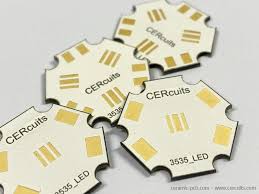
4.3 Ceramic PCBs
- Superior thermal performance (used in high-end LED applications).
- More expensive but highly reliable.
4.4 Flexible PCB Materials (Polyimide)
- Lightweight and bendable for LED strips and automotive lighting.
5. Manufacturing Process of LED PCBs
- Design & Layout – Using CAD software (e.g., Altium, KiCad).
- Material Selection – Choosing the right substrate (FR-4, aluminum, ceramic).
- PCB Fabrication – Etching, drilling, and plating.
- Solder Mask Application – Protects traces and enhances reflectivity.
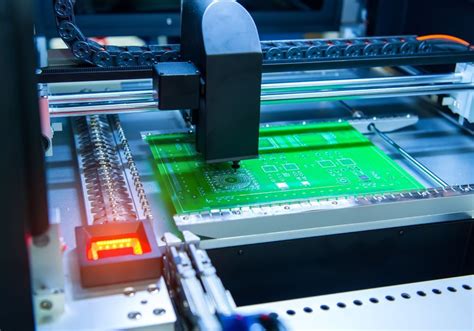
- Component Assembly (SMT/THT) – Automated pick-and-place for LEDs and drivers.
- Testing & Quality Control – Ensuring electrical and thermal performance.
6. Applications of LED Lighting PCBs
- Residential Lighting (LED bulbs, downlights)
- Commercial Lighting (Office panels, retail displays)
- Industrial Lighting (High-bay lights, factory illumination)
- Automotive Lighting (Headlights, interior LEDs)
- Street Lighting (Smart LED street lamps)
- Medical Lighting (Surgical and UV-C disinfection LEDs)
7. Future Trends in LED PCB Technology
- Miniaturization – Smaller, more efficient LED PCBs.
- Smart Lighting Integration – IoT-enabled PCBs with sensors.
- Higher Thermal Efficiency – Advanced cooling techniques.
- Sustainable Materials – Eco-friendly PCB substrates.
Conclusion
LED Lighting PCB Solutions are essential for optimizing performance, efficiency, and durability in modern lighting systems. By selecting the right PCB type, materials, and thermal management techniques, manufacturers can ensure long-lasting and high-performance LED products.
As technology evolves, innovations in flexible PCBs, smart lighting, and advanced thermal solutions will continue to shape the future of LED lighting. Investing in high-quality PCB design and manufacturing is crucial for staying competitive in this rapidly growing industry.