Low-Cost PCB Assembly: Maximizing Value on a Budget
Key Takeaways
When exploring low-cost PCB assembly, understanding core strategies ensures value retention while minimizing expenses. Prioritize design optimization to reduce material waste and streamline production—simple adjustments like standardizing hole sizes or minimizing layer counts can lower PCBA costs significantly. Bulk purchasing of components often unlocks volume discounts, but balance this with inventory management to avoid overstocking.
Leveraging automated manufacturing processes enhances precision and reduces labor costs, making high-volume orders more economical. However, always verify that supplier certifications (e.g., ISO 9001) align with your quality expectations. For PCB assembly, material sourcing plays a pivotal role—opting for cost-effective yet reliable substrates like FR-4, rather than premium alternatives, can yield savings without compromising durability.
Avoid hidden expenses by clarifying testing and rework fees upfront, and ensure prototypes undergo rigorous validation before scaling. Finally, partnering with PCBA providers offering transparent pricing models helps maintain budget control. By integrating these approaches, businesses achieve cost efficiency while sustaining performance in electronic manufacturing.
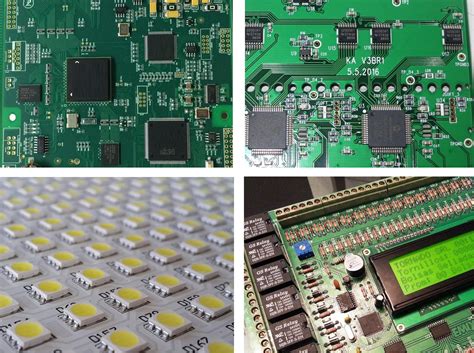
Low-Cost PCB Assembly Essentials
Achieving low-cost PCB assembly without compromising functionality begins with understanding core principles that drive efficiency. At its foundation, PCBA (Printed Circuit Board Assembly) cost reduction hinges on strategic planning, from design to material procurement. A critical first step is simplifying the design layout to minimize unnecessary layers or complex routing, which directly impacts fabrication expenses. For instance, reducing the number of PCB layers from six to four can lower material costs by up to 30%.
Another essential practice is selecting standardized components over custom parts. Off-the-shelf resistors, capacitors, and ICs not only reduce lead times but also leverage economies of scale. Partnering with suppliers offering bulk discounts for PCB assembly materials—such as solder paste or substrates—further trims costs. Below is a comparison of cost drivers in traditional vs. budget-focused approaches:
| Factor | Traditional Approach | Low-Cost Strategy |
|---|---|---|
| Design Complexity | Multi-layer, custom footprints | Optimized for minimal layers |
| Component Sourcing | Specialty parts | Standardized, bulk-purchased |
| PCB Layer Count | 6-8 layers | 2-4 layers |
Implementing Design for Manufacturability (DFM) guidelines ensures designs align with automated assembly processes, reducing errors and rework. For example, avoiding overly tight tolerances or micro-vias can streamline PCBA workflows. Finally, prototyping with cost-effective materials like FR-4 instead of high-frequency laminates allows iterative testing without overspending. By balancing these essentials, engineers can maintain quality while adhering to strict budgets—a cornerstone of successful low-cost PCB assembly strategies.
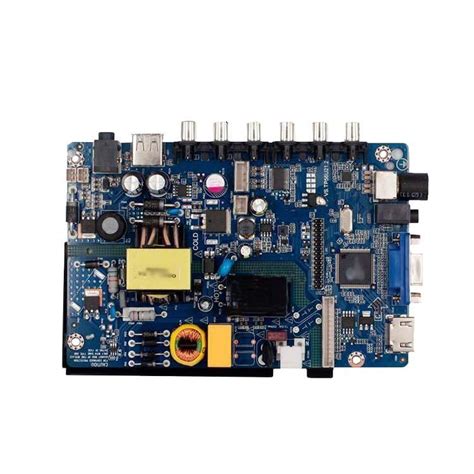
How Design Optimization Cuts PCB Costs
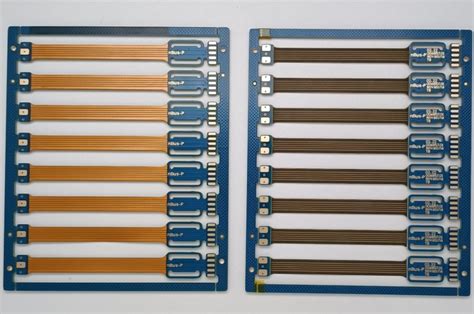
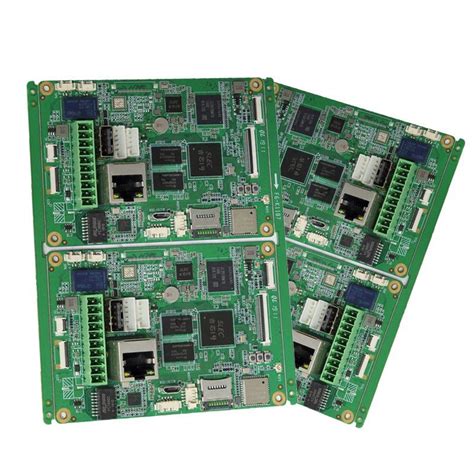
Effective design optimization is a cornerstone of reducing expenses in PCB assembly without compromising functionality. By streamlining layouts, engineers can minimize material waste and lower manufacturing complexity. For instance, reducing the number of layers in a PCBA design directly cuts material costs, while maintaining signal integrity through intelligent routing. Panelization—grouping multiple boards onto a single panel—optimizes production efficiency, allowing manufacturers to process more units per batch and pass savings to clients.
Another critical factor is component placement. Positioning parts to avoid overlapping traces or tight spacing reduces the risk of errors during soldering, which can lead to costly rework. Standardizing component sizes and footprints also simplifies sourcing, as using common PCB assembly elements (like 0402 resistors or 0805 capacitors) avoids premium pricing for specialized parts. Additionally, adhering to design-for-manufacturing (DFM) guidelines ensures compatibility with automated assembly lines, further driving down labor costs.
Finally, integrating testability into the design phase prevents post-production defects. Including test points or built-in self-test circuits minimizes the need for external diagnostics, reducing both time and expenses. By balancing these strategies, businesses achieve low-cost PCB assembly that aligns with budget constraints while maintaining reliability—a key advantage in competitive electronics markets.
Bulk Purchasing Strategies for PCB Savings
Leveraging bulk purchasing is a cornerstone of cost-efficient PCB assembly, particularly for projects requiring multiple units or recurring orders. By consolidating orders, manufacturers can negotiate volume discounts with suppliers, reducing per-unit costs for components like resistors, capacitors, and ICs. This approach not only lowers material expenses but also minimizes setup fees associated with PCBA processes, as production lines optimize workflows for larger batches.
To maximize savings, consider aligning procurement cycles with project timelines. For example, ordering components for multiple PCB designs simultaneously can unlock tiered pricing structures. Additionally, collaborating with trusted suppliers on long-term contracts often secures better rates while ensuring consistent quality—critical for avoiding costly rework.
However, bulk strategies require careful planning. Overstocking risks obsolescence, especially with fast-evolving technologies. Balancing inventory with demand forecasts and opting for modular designs that share common components across projects can mitigate this. Finally, partnering with PCB assembly services that offer flexible order scaling ensures cost benefits without compromising adaptability to market changes.

Smart Material Sourcing for PCBs
Effective PCB assembly begins with strategic material procurement. Selecting the right components and substrates can significantly reduce costs while maintaining reliability. Start by evaluating high-volume suppliers for bulk discounts on commonly used materials like FR-4 substrates or standard SMD components. Many PCBA providers maintain partnerships with trusted vendors, enabling access to cost-effective alternatives without compromising performance.
Tip: Consider substituting specialized components with functionally equivalent, lower-cost variants. For example, generic resistors or capacitors often meet specifications at a fraction of the price of branded alternatives.
Leverage online component databases to compare prices across distributors, factoring in shipping costs and lead times. Platforms like Octopart or Findchips streamline this process, helping identify hidden savings opportunities. Additionally, explore surplus or end-of-life inventory markets for non-critical applications, but verify component authenticity to avoid counterfeit risks.
Material standardization also plays a key role. Reducing the variety of copper weights, solder mask colors, or surface finishes simplifies procurement and minimizes waste. For PCB assembly projects with flexible timelines, consolidating orders with other teams or clients can unlock volume-based pricing tiers. Always balance upfront savings against long-term reliability—cutting corners on materials like solder paste or laminates may lead to higher failure rates and rework costs.
Balancing Quality and Budget in PCB Assembly
Achieving the ideal equilibrium between cost efficiency and reliability in PCB assembly requires a methodical approach to decision-making. Start by evaluating component specifications – opting for industrial-grade instead of military-grade parts can reduce expenses while maintaining functionality for most applications. Implement design-for-testability (DFT) principles to minimize post-production debugging costs, ensuring your PCBA retains performance standards. Partnering with suppliers offering value-added services like combined material kits or pre-verified component bundles often lowers per-unit costs without compromising quality assurance protocols.
When considering low-cost PCB assembly, prioritize manufacturers with ISO-certified processes, as their standardized workflows reduce variability-related defects. Utilize automated optical inspection (AOI) systems strategically – while adding marginal upfront costs, they prevent expensive rework in high-volume orders. For prototypes, hybrid manufacturing approaches combining manual assembly for complex sections with automated processes for standard components optimize both budget and precision. Always cross-reference material lead times against project timelines; marginally higher-cost expedited shipping for critical components often proves cheaper than overall production delays. By systematically analyzing these interdependent factors, engineers can deliver PCBA solutions that meet technical requirements while adhering to strict financial constraints.
Automated Manufacturing for Cost-Effective PCBs
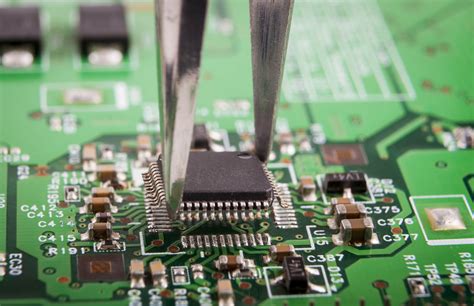
Modern PCB assembly processes increasingly rely on automation to achieve both precision and affordability. By integrating advanced machinery like pick-and-place systems and automated soldering lines, manufacturers can drastically reduce labor costs while maintaining consistent quality. These systems minimize human error, ensuring higher yields and fewer material waste incidents—critical factors for keeping PCBA projects within budget.
Automated workflows also enable faster production cycles, allowing companies to meet tight deadlines without compromising on component accuracy. For instance, robotic systems can handle surface-mount technology (SMT) components at speeds unmatched by manual methods, making them ideal for high-volume orders. Additionally, automated optical inspection (AOI) tools streamline quality control, identifying defects early and preventing costly rework.
Transitioning to automated PCB assembly does require upfront investment, but the long-term savings from reduced labor, improved efficiency, and minimized scrap rates justify the expenditure. To maximize value, consider partnering with manufacturers that balance cutting-edge automation with flexible scalability, ensuring cost-effectiveness across both small and large batches. By aligning automation with smart design choices (as discussed earlier), businesses can achieve a competitive edge in budget-conscious markets.
Avoiding Common PCB Assembly Cost Traps
Navigating PCB assembly requires vigilance to sidestep hidden expenses that can derail budgets. One frequent pitfall involves overlooking design flaws that necessitate costly revisions post-production. For instance, improper pad spacing or insufficient clearance between components may lead to assembly errors, forcing rework. To mitigate this, design for manufacturability (DFM) checks should be prioritized during prototyping.
Another trap lies in rushing through vendor selection. While opting for the cheapest PCBA service might seem economical, unreliable suppliers often compromise quality or delay timelines, inflating costs indirectly. Always verify certifications, such as ISO 9001, and request sample batches before committing to large orders.
Additionally, ambiguous material specifications can trigger budget overruns. Failing to define exact component grades or tolerances may result in substitutions with pricier alternatives. Establish clear material requirements early and confirm availability with suppliers.
Lastly, underestimating testing phases can prove costly. Skipping automated optical inspection (AOI) or functional testing might reduce upfront expenses but risks defective units slipping through, leading to recalls. Balancing rigorous quality checks with budget constraints ensures long-term savings without sacrificing reliability. By anticipating these traps, teams can streamline PCB assembly workflows while maintaining financial control.
Conclusion
Achieving low-cost PCB assembly requires a strategic balance between technical precision and financial discipline. By focusing on design optimization early in the development cycle, engineers can minimize material waste and streamline manufacturing workflows, directly lowering PCBA expenses. Leveraging bulk purchasing for components not only reduces per-unit costs but also strengthens supplier relationships for long-term savings. Equally important is smart material sourcing, which involves selecting cost-effective yet reliable components that align with project specifications.
Automation plays a pivotal role in driving down labor costs while maintaining consistent quality, particularly for high-volume orders. However, avoiding common pitfalls—such as overlooking testing protocols or sacrificing critical tolerances—remains essential to prevent costly rework. Ultimately, the goal is to maximize value without compromising functionality, ensuring that PCB assembly processes deliver both affordability and reliability. By integrating these principles, businesses can sustain competitive pricing while meeting the evolving demands of electronic manufacturing.
Frequently Asked Questions
How can I reduce costs in PCB assembly without compromising quality?
Focus on design optimization to minimize material waste and simplify manufacturing steps. Partnering with a PCBA provider that offers volume discounts and uses automated assembly processes can also lower expenses while maintaining reliability.
What design choices impact PCB assembly costs the most?
Complex layouts, excessive layers, and non-standard components often increase costs. Streamlining designs for manufacturability—such as using standard footprints and avoiding tight tolerances—can reduce production time and material usage.
Are bulk orders always cheaper for PCBA projects?
While bulk purchasing typically lowers per-unit costs, it’s crucial to align order quantities with actual demand. Overstocking may lead to wasted inventory, negating initial savings. Discuss flexible pricing tiers with your supplier.
How does material sourcing affect PCB assembly budgets?
Opting for generic, certified components instead of premium brands can cut costs by 15–30%. However, verify supplier reliability to avoid counterfeit parts, which risk product failure and long-term expenses.
What hidden costs should I watch for in low-cost PCB assembly?
Shipping fees, tooling charges, and revisions due to design errors are common overlooked expenses. Ensure your PCBA contract includes transparent pricing for prototypes, testing, and post-production support.
Can automation truly make PCB assembly more cost-effective?
Yes. Automated manufacturing reduces labor costs and human error, especially for high-volume orders. This efficiency allows suppliers to offer competitive rates without sacrificing quality control.
Ready to Optimize Your PCB Costs?
For tailored solutions that balance affordability and reliability in PCB assembly, please click here to explore services designed for budget-conscious projects.