Manufacturing of Bare Printed Circuit Boards Explained
Key Takeaways
When exploring pcb manufacturing, several fundamental insights emerge that underline the importance of understanding this intricate process. First, it’s essential to recognize that the pcb manufacturing companies you choose can greatly impact both the quality and efficiency of production. The various stages, including printing, etching, and plating, demand precision and expertise to ensure that electrical pathways are effectively established for optimal performance. Furthermore, awareness of the pcb manufacturing cost can help you make informed decisions regarding materials and techniques, influencing your overall project budget without compromising on quality. In the context of a growing pcb manufacturing business, staying updated on advancements in technology and methods can provide a competitive edge. Understanding these key elements allows you to navigate the complexities of pcb manufacturing, ensuring you achieve both reliability and efficiency in your electronic designs.
Manufacturing Processes for Bare Printed Circuit Boards
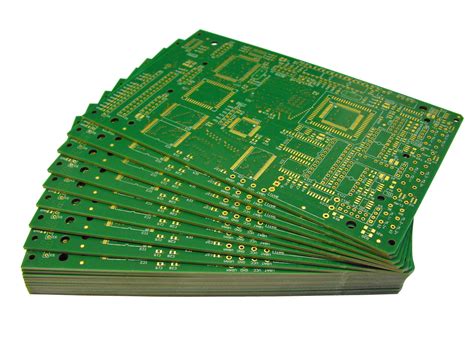
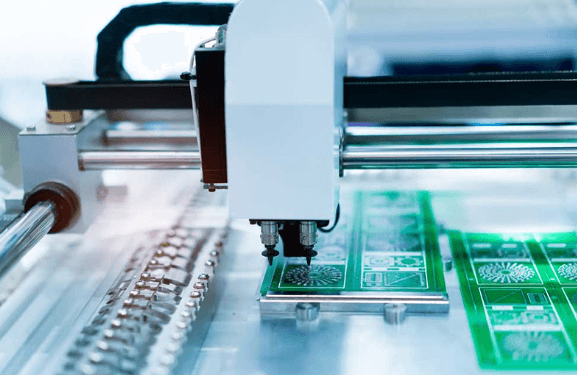
The pcb manufacturing process is intricate and requires attention to detail at every step. From the initial design to the final product, you engage in several critical stages that ensure the rigidity and functionality of your boards. Initially, it involves photolithography, where a film is applied to the copper-clad surface of your PCB. This step allows precise patterns to be created, essential for forming the electrical pathways.
Following that, etching is conducted, which removes unwanted copper from areas not covered by the film. This is pivotal in creating the actual circuitry you desire. The choice of etching techniques, whether chemical or mechanical, can influence the overall pcb manufacturing cost.
After etching, you move on to plating. This involves depositing metal onto exposed areas to ensure good conductivity across your PCB. Different techniques exist for plating, such as electrolytic and electroless methods. It’s crucial to choose the right option based on your specific needs and whether you’re dealing with flexible or rigid boards.
Table 1 below provides a brief comparison of common plating methods used in PCB manufacturing:
| Plating Method | Description | Advantages |
|---|---|---|
| Electrolytic | Involves using electric current for metal deposition | Excellent control over thickness |
| Electroless | Chemical reduction provides uniform deposition | No need for external electrical source |
“A well-optimized pcb manufacturing business not only reduces costs but also ensures high-quality outputs.”
In summary, each phase—photolithography, etching, and plating—plays a critical role in producing bare printed circuit boards. Understanding these processes empowers you when collaborating with pcb manufacturing companies or deciding on methods that best suit your production needs.
Materials Used in Bare Printed Circuit Board Production
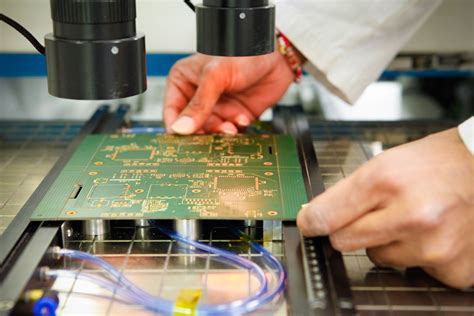
In the world of pcb manufacturing, the choice of materials is crucial for ensuring optimal performance and durability of your printed circuit boards. Key materials typically include copper, which is essential for interconnecting pathways, providing excellent conductivity for electrical currents. You might also encounter epoxy resin, forming the base substrate that offers both rigidity and insulation necessary for flexible and rigid boards. In addition, glass fiber is often used to enhance the structural integrity, especially in more robust board designs. When seeking to understand pcb manufacturing costs, consider how different materials can affect budget constraints; for instance, opting for higher-grade substrates can lead to improved performance but may also increase expenses. The selection process often involves evaluating multiple pcb manufacturing companies to find reliable and cost-effective solutions tailored to your specific needs. Moreover, understanding the variations in material properties allows you to make informed decisions in your pcb manufacturing business that align with both functionality and cost-efficiency. Overall, knowing these materials enhances your insights into the underlying processes that make printed circuit boards effective in various applications.
Techniques for Printing and Etching Circuit Pathways
In the realm of pcb manufacturing, the techniques for printing and etching circuit pathways play a pivotal role in determining the quality and reliability of the final product. The process typically begins with the application of a photosensitive material to a bare printed circuit board. This material is essential for defining the circuit’s layout, as it responds to light during exposure. Once exposed, the board undergoes a developing phase where unexposed areas are removed, leaving a pattern that represents your desired circuitry.
Following this, etching is employed to remove excess copper from the board’s surface, effectively creating conductive pathways that allow electrical signals to travel between components. Various techniques exist in this stage, including chemical etching, which utilizes acidic solutions, and laser etching, offering precision at high speeds. As you explore different pcb manufacturing companies, each may showcase unique approaches based on their proprietary technologies or cost structures.
Ultimately, being aware of these methodologies can provide insights into potential influences on pcb manufacturing cost as well. The choice of materials and techniques not only affects efficiency but also your overall budget in starting a successful pcb manufacturing business. As you navigate these processes, remember that optimizing both quality and cost-effectiveness will enhance your competitive advantage in this rapidly evolving industry.
Plating Methods in Bare Printed Circuit Board Manufacturing
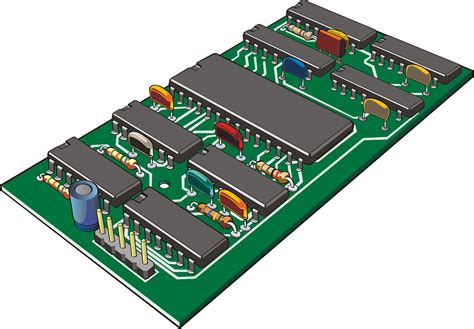
In pcb manufacturing, the plating process is crucial for establishing conductive pathways on the surface of the bare printed circuit board. Various plating methods are employed, each with unique advantages that impact both the quality and cost-efficiency of the final product. Electroless nickel immersion gold (ENIG) is one of the most widely used methods, offering excellent solderability and preventing oxidation, which is essential for long-lasting performance. Additionally, copper plating through electroplating is often used to build up thickness on copper traces while ensuring uniformity across different microelectronic applications.
When selecting pcb manufacturing companies, it’s vital to inquire about their plating techniques, as this can considerably affect your overall manufacturing costs. For instance, specialized processes like selective plating allow specific areas of a board to be coated, thus saving material and reducing waste. Understanding these methods helps you make informed decisions in your pcb manufacturing business, especially when balancing performance requirements against the pcb manufacturing cost. By focusing on advancements in plating technologies, companies can also enhance durability and functionality, which are paramount in today’s electronics landscape. Ultimately, choosing the right method not only contributes to the quality of your boards but can significantly influence your competitive edge in this fast-evolving sector.
Quality Control Standards in PCB Production
Quality control in pcb manufacturing is essential to ensure the reliability and performance of bare printed circuit boards. You should be aware that various pcb manufacturing companies employ rigorous testing procedures throughout the production process. One critical aspect involves inspecting the raw materials before any fabrication begins; this helps maintain the integrity of the boards. Once the boards are fabricated, further evaluations, such as visual inspections, electrical testing, and environmental stress tests, are performed to identify any defects.
It is also important to understand that adherence to international standards, such as IPC-A-600 for acceptability of printed circuit boards, is vital for maintaining quality. These guidelines define the acceptable quality levels and specifications for both rigid and flexible boards produced in pcb manufacturing. Moreover, implementing an effective quality management system can significantly influence pcb manufacturing cost, ensuring that defects are minimized and production efficiency is maximized.
Lastly, you should consider that continuous improvement initiatives are essential for any pcb manufacturing business aiming to stay competitive in an evolving market. By regularly reviewing quality control metrics and incorporating feedback into their processes, these businesses can enhance their product offerings while reducing costs associated with rework or returns.
Challenges in Manufacturing Flexible vs. Rigid Boards
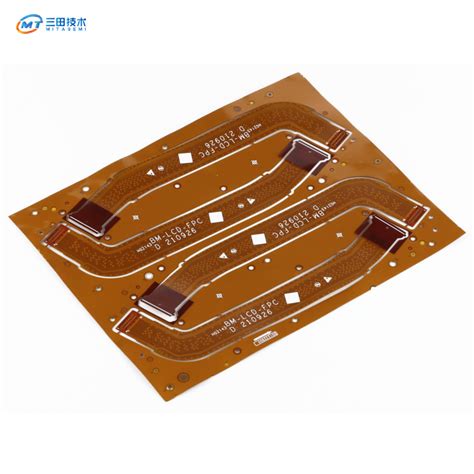
When delving into pcb manufacturing, you will encounter distinct challenges associated with the production of flexible and rigid printed circuit boards. Flexible boards often require specialized materials that can withstand bending and folding, which can drive up the pcb manufacturing cost significantly compared to their rigid counterparts. Additionally, the pcb manufacturing companies need to adopt unique production techniques that address issues like maintaining signal integrity and managing thermal expansion over varying conditions. On the other hand, while rigid boards offer increased stability, they may face challenges related to intricate designs and layer stacking that can complicate the etching and printing processes. The balance between quality and cost efficiency remains a central concern; thus, understanding these variations in manufacturing processes helps ensure that your pcb manufacturing business can meet client expectations while navigating the complexities inherent in both flexible and rigid designs. Emphasizing innovation and precision in these processes could mitigate some of these challenges, allowing for improved product reliability across both types of circuits.
The Future of Bare Printed Circuit Board Technology
As you explore the evolving landscape of pcb manufacturing, it becomes evident that advancements in technology are set to redefine the industry. PCB manufacturing companies are increasingly adopting innovative techniques that enhance efficiency and reduce costs, making it imperative for you to stay informed about these changes. One significant trend is the integration of automation and artificial intelligence in pcb manufacturing, allowing for real-time monitoring and adjustments, which ultimately lead to improved product quality. Moreover, the development of advanced materials is paving the way for lighter and more durable boards, especially in flexible PCB applications. As a participant in the pcb manufacturing business, understanding these shifts can help you better navigate market demands and expectations. The growing emphasis on sustainability also shapes the future; your awareness of environmental-friendly practices can be a competitive advantage. Overall, staying ahead in this rapidly evolving sector requires not just knowledge but also the ability to adapt to these emerging trends in pcb manufacturing costs and practices.
Environmental Considerations in PCB Manufacturing
When it comes to pcb manufacturing, environmental sustainability is an increasingly critical factor for both manufacturers and consumers. As you explore various pcb manufacturing companies, it’s important to consider their practices regarding waste management and resource conservation. Many of these companies are adopting eco-friendly measures such as using low-impact chemicals in the manufacturing processes and implementing recycling programs for waste materials. The pcb manufacturing cost can also be affected by these practices; while sustainable materials may initially seem more expensive, they often lead to long-term savings and a smaller environmental footprint.
In your assessment of the pcb manufacturing business, you should pay attention to whether these companies monitor their emissions and wastewater discharge, ensuring compliance with local regulations. This is crucial, not only for environmental protection but also for maintaining their reputation in a market that increasingly prioritizes sustainable practices. Furthermore, as innovations in technology continue to evolve within the industry, many manufacturers are exploring alternative materials that reduce the ecological impact of their products. By choosing manufacturers that prioritize environmental considerations alongside quality and cost-efficiency, you can support a more sustainable future in the world of bare printed circuit board manufacturing.
Conclusion
In summary, understanding the intricacies of pcb manufacturing is essential for anyone involved in the electronics industry. The various processes, from creating intricate layouts to forming interconnecting pathways, play a critical role in ensuring the efficiency and reliability of electronic devices. By familiarizing yourself with how pcb manufacturing companies operate, you gain insight into the costs involved, including raw materials, labor, and technological investments. This knowledge equips you to better assess your own pcb manufacturing business initiatives or collaborations. Additionally, staying informed about the ever-evolving landscape of pcb manufacturing costs can help you make sound financial decisions, ensuring that your operations remain competitive in a rapidly changing market. Whether you are focusing on rigid or flexible boards, it is crucial to prioritize quality control and sustainability in every phase of production, ultimately paving the way for technological advancements in circuit board design.
FAQs
What is the process of bare printed circuit board (PCB) manufacturing?
The process of bare PCB manufacturing involves several key steps. First, the design is created using specialized software. Then, a substrate material is chosen, typically FR-4, which is a common type of fiberglass. Next, the circuit pathways are printed onto the substrate using UV light or chemical etching methods. Finally, the boards undergo plating to add layers of copper for enhancing conductivity.
What types of materials are commonly used in PCB manufacturing?
The most common materials used in PCB manufacturing companies include copper, as it’s essential for electrical pathways, and various types of substrates like FR-4, polyimide, and CEM-1 that provide mechanical support and insulation.
How can I determine the PCB manufacturing cost?
The PCB manufacturing cost can vary based on several factors including size, material type, board thickness, and complexity of the design. It’s important to obtain quotes from multiple PCB manufacturing companies to compare prices.
What are some common challenges in PCB manufacturing?
Challenges in the PCB manufacturing business often involve maintaining high-quality standards while managing production costs. Issues such as misalignment during printing or improper etching can lead to defects that compromise functionality.