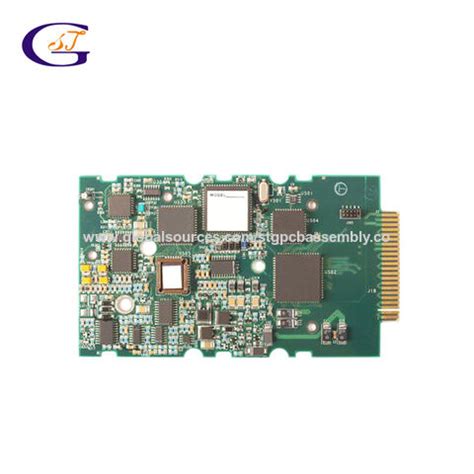
Mastering Circuit Board Assembly: Key Techniques for Success
Key Takeaways
Mastering pcb assembly not only requires skill and precision but also a solid understanding of the underlying techniques that contribute to a successful outcome. One of the most crucial aspects of pcba is effective communication among team members throughout the assembly process. This ensures that everyone is aligned on the requirements and timelines, thus preventing potential errors. Additionally, being well-versed in the tools and materials used in pcb assembly can significantly enhance your efficiency. Familiarity with soldering techniques is also vital; knowing when to use hand soldering versus automated processes can help in achieving optimal results. Moreover, maintaining stringent quality control measures is essential for ensuring that the final product meets industry standards. By focusing on these key areas—communication, tools, soldering techniques, and quality control—individuals looking to excel in pcb assembly can set themselves up for long-term success in the field of electronics manufacturing. This foundational knowledge will empower practitioners to tackle more complex challenges as they progress in their careers.
Introduction to Circuit Board Assembly
When it comes to pcb assembly, understanding the basic principles is crucial for anyone looking to delve into electronics manufacturing. PCB assembly or PCBA is the process of soldering electronic components onto a circuit board, transforming a simple layout into a fully functional electronic system. This procedure requires meticulous attention to detail, as any small mistake can compromise the performance of the final product.
To successfully navigate this process, it’s essential to grasp the flow of assembly, from initial design concepts through component placement and soldering techniques. Preparation is key; having a clean workspace and organizing tools and components can significantly enhance efficiency.
Given the complexities involved, it’s advisable to equip yourself with essential tools such as soldering irons, tweezers, and magnifying equipment. As you become more familiar with these tools and techniques, you’ll find that assembling a printed circuit board becomes more intuitive.
“A smooth assembly process today leads to fewer issues down the line.”
As you embark on your journey into pcb assembly, remember that practice makes perfect. Engage with community forums or local workshops where shared experiences can provide insights that books may overlook. The more you experiment with various components and layouts, the better your skills will become in creating high-quality PCBA solutions tailored for specific functions or devices.
Essential Tools and Materials for Circuit Board Assembly
When embarking on a pcb assembly project, having the right tools and materials is crucial for success. First and foremost, you’ll require a quality soldering iron equipped with fine tips to ensure precision in your work. A reliable soldering station, complete with temperature control, can help maintain optimal performance while reducing the risk of damaging sensitive components during the soldering process. Your toolkit should also include tweezers, which are essential for handling small components, as well as a good set of wire cutters and strippers for preparing leads.
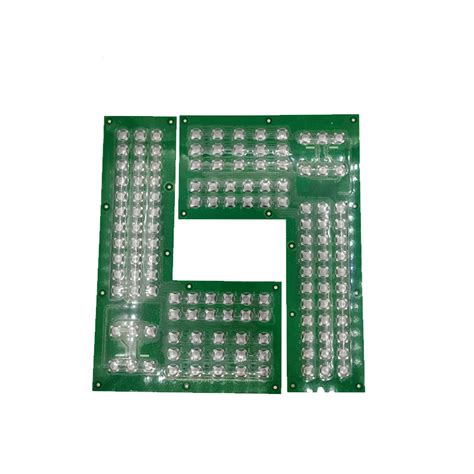
In terms of materials, selecting the proper printed circuit boards (PCBs) is vital; these boards come in various materials such as FR-4, which is popular for its strength and electrical insulating properties. Additionally, high-quality electronic components, including resistors, capacitors, and integrated circuits, are fundamental to your assembly process. To assist with the organization during assembly, consider using component trays to keep small parts sorted and easy to access.
You’ll also benefit from having a multimeter on hand to check connections and ensure everything is functioning correctly throughout the various stages of the pcba process. Lastly, incorporating safety gear like anti-static wrist straps will protect both you and your components from electrical discharge. By equipping yourself with these essential tools and materials, you set a solid foundation for efficient assembly and high-quality outcomes in your circuit board projects.
Step-by-Step Guide to the Assembly Process
When embarking on the pcb assembly process, it’s essential to understand the order of operations to guarantee a successful outcome. First, the preparation stage involves gathering all necessary tools and materials, including your circuit boards, components, and soldering equipment. Proper setup of your workstation promotes efficiency and minimizes errors.
Next, you will begin with component placement on the board. This step requires keen attention to detail; ensuring the correct orientation of each component is crucial for avoiding malfunctions. Once all components are positioned accurately, the soldering process commences. For effective soldering in pcba, maintaining a steady hand and using quality soldering tools profoundly influences the integrity of connections.
After soldering, thorough inspection is vital. Utilize both visual checks and automated testing systems when possible to identify any issues early in the process. Mistakes at this stage can lead to significant setbacks later on, making it imperative to double-check your work. Finally, post-assembly cleaning of the circuit board is recommended to remove any residual flux or debris that may impede performance.
By following these essential steps during pcb assembly, you can significantly enhance both your skills and your understanding of successful electronics manufacturing processes.
Common Mistakes and How to Avoid Them
In the intricate world of pcb assembly (PCBA), even minor oversights can lead to significant setbacks. One common mistake is improper component placement, which can cause circuit malfunctions. To avoid this, it’s crucial to double-check the orientation and position of each component against the design specifications before soldering. Another frequent error involves inadequate soldering techniques, such as insufficient solder or cold joints. Ensuring optimal soldering conditions—like the right temperature and clean surfaces—can help mitigate these issues. Additionally, neglecting to account for variations in component tolerances can lead to compatibility problems; thorough testing of each part before compatibility checks can prevent this mistake. Finally, failing to maintain a clean work environment can also compromise the integrity of your assembly process. By minimizing dust and debris in your workstation, you enhance the reliability of your pcba outcomes. Recognizing these common pitfalls is essential for any enthusiast or professional aiming for proficient electronics manufacturing and ultimately achieving success in circuit board assembly.
Techniques for Soldering and Component Placement
When it comes to pcb assembly, mastering the techniques of soldering and component placement is vital for achieving a reliable and functional product. Understanding the proper methods for placing components accurately on the board helps reduce errors later in the assembly process. First, ensure that your work area is clean and organized; this promotes efficiency and reduces the risk of misplaced components.
Soldering involves heating a metal filler material to join two electronic components, which can be achieved through various methods, including hand soldering, wave soldering, and reflow soldering. Each method comes with its own set of tools and techniques that are best suited for different types of assemblies. For instance, hand soldering is ideal for pcba projects where precision is paramount. Using a fine-tipped soldering iron allows you to make clean joins without bridging connections.
| Soldering Technique | Best For | Tools Required |
|---|---|---|
| Hand Soldering | Prototyping & small runs | Soldering iron, flux, solder |
| Wave Soldering | High-volume production | Wave solder machine |
| Reflow Soldering | Surface mount technology | Reflow oven or hot air station |
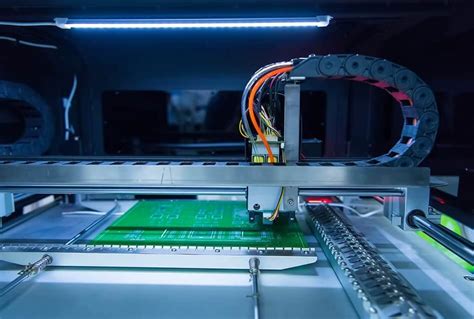
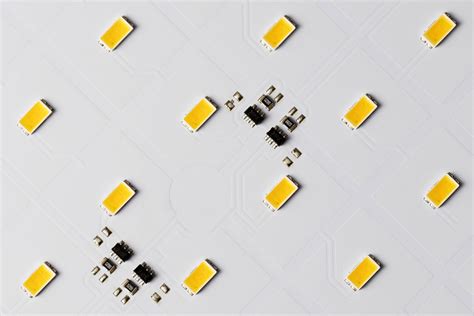
Proper component placement also requires an understanding of surface mount devices (SMD) versus through-hole components. SMDs should be positioned carefully using a pick-and-place tool when available, as their small size makes them challenging to handle manually. It’s essential to ensure that spacing between components meets standard specifications; this can prevent shorts and ensures ease of subsequent soldering.
As you practice these techniques within your pcb assembly, consider maintaining documentation or logs of your practices. This will allow you to refine your process continually while building a repertoire of successful approaches to complex assemblies. Keep in mind that mastering these foundational techniques sets the stage for more advanced challenges in electronics manufacturing.
Quality Control: Ensuring a Successful Assembly
In the realm of pcb assembly, quality control is paramount to achieving a successful assembly process. Implementing rigorous quality assurance measures not only increases the reliability of the final product but also enhances overall efficiency during the pcba process. At the outset, it is essential to perform thorough inspections of all components before they enter the assembly line. This ensures that only high-quality materials are used, which is crucial because subpar components can lead to failures down the line.
Throughout the assembly process, adopting automated testing methods can significantly streamline quality checks. Techniques such as Automated Optical Inspection (AOI) and In-Circuit Testing (ICT) are invaluable in identifying common issues like soldering defects or incorrect component placements before they escalate into larger problems.
Additionally, regular training for technicians on proper techniques and current industry standards ensures that everyone involved is well-versed in best practices for pcb assembly. Encouraging communication and immediate feedback within the team can also foster a proactive atmosphere toward problem-solving.
Lastly, it’s vital to collect data on defects and issues as part of an ongoing improvement strategy. Analyzing this information allows manufacturers to pinpoint root causes, refine processes, and ultimately achieve higher standards in pcba. By prioritizing these quality control measures, companies can ensure that they produce reliable, high-performance electronic products while minimizing waste and reducing costs.
Advanced Techniques for Complex Assemblies
When it comes to pcb assembly, navigating the intricate world of pcba can present unique challenges. Advanced techniques are essential for achieving precision and functionality in complex assemblies. One fundamental approach is the use of multi-layer boards. These boards allow for greater component density while maintaining a compact size, which is particularly beneficial in modern electronics manufacturing. Alongside this, the application of robotic soldering systems can enhance accuracy and reduce human error during the assembly process. This is especially useful in high-volume production environments where consistency is key.
Another important technique involves optimizing the thermal management of components. Using advanced thermal interface materials (TIMs) enables better heat dissipation, which is critical for sustaining performance in high-power applications. Additionally, implementing automated optical inspection (AOI) during various stages of assembly ensures that potential errors are identified early, thus preventing costly rework down the line.
Moreover, leveraging design for manufacturability (DFM) principles during the initial design phase can significantly streamline the assembly process. This approach emphasizes producing designs that facilitate easier production, such as minimizing tight tolerances and selecting standard components whenever possible. By adopting these advanced techniques, practitioners can improve not only their efficiency but also the overall reliability of their pcb assembly projects. By being proactive and innovative in their methods, electronics manufacturers can ensure that they remain competitive in an ever-evolving industry landscape.
Future Trends in Circuit Board Assembly
As technology continues to advance, the pcb assembly industry is witnessing transformative trends that are reshaping the landscape of pcba. One notable trend is the growing adoption of automation and robotics, which enhances efficiency and precision in the assembly process. This shift not only minimizes human error but also significantly reduces production time, allowing for faster turnaround on complex designs. Additionally, the integration of artificial intelligence (AI) is becoming prevalent in quality control systems, enabling manufacturers to identify defects in real-time and adjust processes accordingly. Another compelling trend is the move towards environmentally sustainable practices within pcb assembly. Manufacturers are increasingly focusing on using eco-friendly materials and processes that reduce waste and energy consumption while complying with global regulations. Moreover, advancements in component miniaturization are pushing the boundaries of what can be achieved in pcba at a micro level, allowing for more compact designs without compromising functionality. As these trends unfold, they promise not only to improve efficiency but also to drive innovation within the electronics manufacturing sector. Embracing these changes will be crucial for those looking to stay competitive and meet the evolving demands of consumers.
Conclusion
In summary, mastering pcb assembly is a multifaceted process that combines technical knowledge with practical skills. Understanding the intricacies of pcba not only enhances the efficiency of the assembly line but also minimizes errors that can lead to costly rework. As you delve deeper into techniques for soldering and component placement, remember that quality control plays a vital role in achieving a successful assembly. Staying abreast of advanced techniques for complex assemblies and recognizing future trends can further elevate your competency in this field. The takeaway is clear: improving your skills in circuit board assembly will not only contribute to your personal development but also ensure high-quality outcomes in electronics manufacturing. Adopting these insights will pave the way for greater success and innovation as you navigate the evolving landscape of pcb assembly.
FAQs
What is PCB assembly?
PCB assembly (often abbreviated as PCBA) refers to the process of attaching electronic components to a printed circuit board (PCB) to create a functional electronic device. This process involves several steps, including soldering, component placement, and quality control.
What tools are necessary for effective PCB assembly?
Essential tools for PCB assembly include soldering irons, tweezers, multimeters, and cleaning solvents. Having the right tools is crucial to ensure precision and quality in the assembly process.
How can I avoid common mistakes during PCBA?
To avoid mistakes in PCBA, always double-check component placements and connections before soldering. Keeping a clean workspace and organizing components can also significantly reduce errors during assembly.
What are some advanced techniques in circuit board assembly?
Advanced techniques in PCB assembly include surface mount technology (SMT), which allows for higher component density and improved performance. Additionally, using automated systems can enhance the efficiency of the assembly process.
How do I ensure quality control in PCB assembly?
Quality control can be ensured by implementing thorough testing procedures at various stages of the PCBA process, including visual inspections and functional testing to catch defects early on.