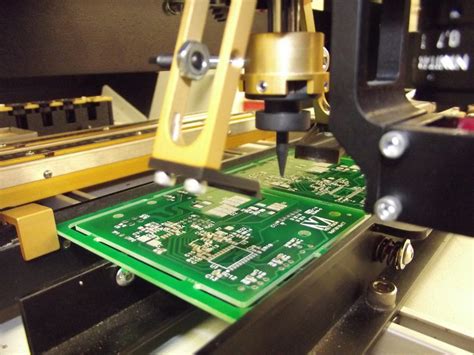
Mastering the Art of Assembly: Unlocking the Secrets of Printed Circuit Boards
Key Takeaways
In the realm of PCB assembly, mastering the nuances can significantly enhance both accuracy and reliability in electronic projects. This guide aims to underscore the importance of foundational knowledge regarding printed circuit board assembly processes. Understanding basic concepts, such as component placement, soldering techniques, and layering, is crucial for anyone interested in creating effective PCBA solutions. Various essential tools and equipment play a vital role; for instance, having the right soldering iron or PCB holder can make a significant difference in achieving clean joints and effective circuitry. Throughout this journey, you’ll discover step-by-step approaches that simplify PCB assembly, turning complex tasks into manageable sequences. By adhering to best practices for soldering and knowing how to troubleshoot common challenges, professionals at any level can prevent errors that may compromise their designs. Moreover, implementing stringent testing protocols is key to ensuring robust performance in your circuits. With an eye on continuous improvement and advanced techniques, the knowledge shared here aims to empower you in your endeavors, making each project not only a task but a testament to your skill in pcb assembly.
Understanding the Basics of Printed Circuit Board Assembly
The process of PCB assembly (or PCBA) is a fundamental aspect of electronics manufacturing, where various components are attached to a printed circuit board to create functional electronic devices. Understanding the basics is crucial for both beginners and experienced practitioners alike. At its core, PCB assembly involves several key steps, including designing the layout, selecting appropriate components, and executing the physical soldering process.
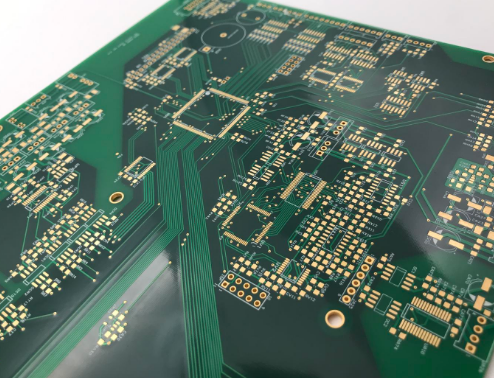
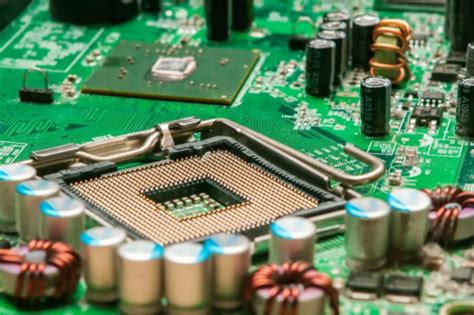
A printed circuit board (PCB) serves as the backbone for any electronic device, providing both mechanical support and electrical connections among electronic components. It’s essential to ensure that the design reflects not only the needs of functionality but also manufacturing efficiency. Understanding component placement, solder techniques, and heat management is vital to ensuring that the final product operates reliably.
For an efficient assembly process, one must be equipped with essential tools and equipment such as soldering irons, reflow ovens, and pick-and-place machines. The following table outlines some of the basic tools used in PCBA:
| Tool | Purpose |
|---|---|
| Soldering Iron | Used for manual soldering of components |
| Reflow Oven | For solder paste activation |
| Pick-and-Place Machine | Automates component placement |
| Multimeter | For testing connectivity |
Additionally, one must be aware of potential challenges that can arise during assembly. Issues like solder bridging, cold joints, and component misalignment can negatively affect performance, so employing preventative measures is key.
“Attention to detail in every phase of PCB assembly can mitigate potential issues down the line.”
Learning about these fundamentals will empower you not only to assemble printed circuit boards more competently but also to solve common challenges that may arise during the process. By mastering these basic concepts, you pave the way for more advanced techniques in PCBA, ultimately enhancing your projects’ quality.
Essential Tools and Equipment for PCB Assembly
When embarking on the journey of PCB assembly, having the right tools and equipment is crucial for achieving successful results. At the core of the assembly process, one will need a reliable soldering iron equipped with a fine tip, which allows for precise application of solder. Additionally, a soldering station with adjustable temperature features can further enhance control during the soldering process. Maintaining the integrity of components is essential; therefore, a set of tweezers with anti-static properties can aid in handling small parts without risking damage.
Another indispensable tool is an oscilloscope, which enables thorough testing of electrical signals on printed circuit boards (PCBA). This tool ensures that all connections and circuits perform optimally. Complementing this is a good quality multimeter, ideal for measuring voltage, current, and resistance throughout the PCB assembly process. For repetitive tasks or high-volume production runs, utilizing a pick-and-place machine can significantly streamline component placement and speed up assembly time.
Moreover, proper workspace organization cannot be overlooked; having a dedicated area equipped with an ESD mat helps protect sensitive components from static electricity. Alongside these tools, software solutions like PCB design CAD tools are beneficial for designing custom layouts before actual assembly takes place. By leveraging these essential tools and equipment in your PCB assembly endeavors, you set a solid foundation for building reliable and effective electronic devices.
Step-by-Step Guide to Assembling Printed Circuit Boards
Assembling printed circuit boards (PCB) is a meticulous process that requires both precision and attention to detail. The first step in the pcb assembly process is to prepare the workspace and ensure that all components are available. It is crucial to have a clean environment to prevent any contamination that could affect the performance of the circuit. Begin by laying out all parts, including resistors, capacitors, and integrated circuits, according to the design documentation. Use essential tools such as tweezers and magnifying glasses for the handling of small components.
Next, you will want to apply solder paste on the pads of the PCB where the components will be placed. This step is vital because incorrect application can lead to poor connections or shorts in your PCBA. After applying solder paste, carefully place each component onto its respective pad. An important tip here is to ensure that all components are oriented correctly; this can greatly affect the circuit’s functionality.
Once all components are positioned accurately, it’s time for reflow soldering or hand soldering, depending on your skill level and equipment availability. If you choose reflow soldering, using an oven can help to melt the solder paste uniformly across all components. Alternatively, hand soldering allows for a more hands-on approach but requires careful technique to avoid overheating and damaging sensitive components.
After soldering, it’s vital to inspect your work visually or with tools such as a microscope for any defects like solder bridges or cold joints. Final testing should verify that your pcb assembly works as intended before integrating it into your project or shipping it out for application use. This detailed approach ensures optimal reliability and functionality of your PCBA, reinforcing quality in electronic projects while also enhancing personal skills in PCB assembly techniques.
Best Practices for Soldering Techniques
In the realm of PCB assembly, mastering soldering techniques is crucial for achieving optimal performance and reliability in printed circuit boards. There are several best practices that can elevate the quality of your assembly and ensure the longevity of your projects. First and foremost, maintaining a clean work environment is essential; contaminants on the circuit board can compromise solder joint integrity. Using a soldering iron with the appropriate temperature settings is equally important, as excessive heat can damage sensitive components while insufficient heat may lead to weak connections.
Always select the right type of solder, whether it be lead-free or rosin-core, depending on your specific application requirements; this choice can significantly impact the quality of your PCBA. Additionally, practicing proper technique when applying solder—such as ensuring that it flows smoothly over the joint—will not only improve joint strength but also enhance electrical conductivity. Regular maintenance of your tools, such as cleaning soldering tips, is vital to achieving consistently high-quality results.
Lastly, while troubleshooting, don’t hesitate to utilize a magnifying glass or microscope to inspect solder joints closely; this allows for timely identification and correction of potential issues before they escalate. By incorporating these best practices into your PCB assembly process, you will enhance both efficiency and reliability in your projects.
Common Challenges in PCB Assembly and Solutions
PCB assembly, or PCBA, can present a variety of challenges that may impede the overall quality and functionality of the final product. One common issue is component misalignment, which can occur during the placement process. This misalignment can lead to poor connections or even circuit failures. To mitigate this, utilizing automated pick-and-place machines can significantly improve placement accuracy, as they minimize human error. Another significant challenge is solder bridging, where excess solder mistakenly connects adjacent pads. Implementing proper soldering techniques and conducting thorough visual inspections during the assembly process can help identify and address this issue before it compromises the circuit board’s performance. Additionally, thermal management is critical in PCB assembly; overheating during soldering can damage sensitive components. Applying effective heat dissipation strategies, such as using thermal pads or designing appropriate airflow channels, ensures that components function within their safe operating temperatures. Lastly, static discharge poses a risk to electronic components during handling and assembly. Investing in anti-static tools and training staff to follow proper handling protocols will help safeguard sensitive devices from damage throughout the PCB assembly process. By understanding these common challenges and implementing effective solutions, professionals can enhance their PCBA workflow and produce more reliable electronic devices.
Importance of Testing and Quality Assurance in PCB Assembly
In the field of PCB assembly (pcba), ensuring the utmost quality and functionality is paramount. Testing and quality assurance play a critical role in the assembly process, as they help identify defects and ensure that the final product meets specified performance standards. Implementing rigorous testing protocols at various stages of pcb assembly assists in verifying that each component functions correctly and adheres to design specifications. This includes not only visual inspections but also advanced techniques such as Automated Optical Inspection (AOI), functional testing, and In-Circuit Testing (ICT). Through these methods, manufacturers can detect issues like incorrect placements, solder joint failures, or material defects early in the production process. Furthermore, maintaining quality assurance practices fosters a culture of continuous improvement, where feedback from testing outcomes can be utilized to refine assembly techniques, enhance tools used, and optimize workflow efficiency. Ultimately, investing in comprehensive testing and quality assurance strategies elevates the reliability and longevity of the pcba, reassuring both manufacturers and consumers that they are receiving a robust product capable of performing under diverse conditions.
Advanced Techniques for Enhancing PCB Performance
To enhance the performance of PCB assembly (PCBA), it is essential to embrace advanced techniques that optimize both functionality and reliability. One such technique involves the careful selection of components that not only align with the design specifications but also suit the operational environment of the circuit board. For instance, using high-quality capacitors and resistors can significantly improve signal integrity and reduce noise levels, leading to better overall circuit performance. Additionally, implementing thermal management strategies such as heat sinks or thermal vias can prevent overheating, ensuring stable operation during peak use. Another critical approach is to implement surface mount technology (SMT), which allows for more compact designs and improves electrical performance due to shorter lead lengths. Furthermore, utilizing automated assembly techniques can enhance precision and reduce human error in the soldering process, thereby increasing the consistency of connections on the printed circuit board. Ultimately, by integrating these advanced methods into your pcb assembly, you can significantly elevate your project’s quality, ensuring durability and optimal functionality in diverse applications.
Continuous Learning: Resources for PCB Assembly Professionals
In the dynamic field of pcb assembly, ongoing education is paramount for professionals looking to refine their skills and stay updated with emerging techniques. Numerous resources exist to support continuous improvement in pcba practices. Online platforms offer a wealth of courses that cover not only the fundamental aspects but also advanced techniques related to printed circuit board assembly. Websites dedicated to electronics often host forums and discussion groups where professionals can share insights, problem-solving strategies, and experiences related to common challenges faced in pcb assembly processes. For those seeking hands-on experience, local workshops or maker spaces can provide valuable opportunities for practical learning while fostering community engagement among peers passionate about electronics. Additionally, subscribing to industry journals and newsletters ensures that practitioners are informed about the latest trends, tools, and innovations in pcba technologies. Leveraging these resources effectively can significantly enhance one’s knowledge base, ultimately leading to improved performance and reliability in printed circuit board assemblies.
Conclusion
In summary, mastering the pcb assembly process is essential for anyone involved in the electronics industry. The journey through the complexities of printed circuit board assembly (PCBA) allows professionals to enhance their skills while ensuring the reliability and performance of their projects. By understanding the fundamental concepts and applying best practices in soldering techniques and quality assurance, individuals can overcome various challenges typically faced during assembly. Continuous refinement of one’s skills through learning and adaptation to new technologies is crucial for remaining competitive in this fast-paced field. As each step in the pcb assembly process plays a vital role, embracing these principles can lead to significant improvements in both efficiency and output quality. Ultimately, whether you’re new to pcba or an experienced expert, leveraging these insights will empower you to elevate your craftsmanship and achieve greater success in your electronic projects.
FAQs
When diving into the realm of pcb assembly or pcba, many enthusiasts and professionals alike often have pressing questions that can help demystify the process. One common inquiry centers around the types of tools necessary for effective assembly. Essential equipment typically includes soldering irons, solder paste, and pick-and-place machines, among others. Another frequent question relates to the impact of soldering techniques on the overall performance of a PCB. It is crucial to understand that proper soldering is key; mistakes in this phase can lead to short circuits or other failures in the PCB’s functionality. Additionally, individuals often want to know how to effectively troubleshoot issues that arise during assembly. This can range from identifying visual defects on components to understanding more complex electrical failures.
Understanding these challenges and solutions is vital for elevating one’s skills in pcb assembly. Furthermore, many professionals inquire about continuing education opportunities that can enhance their expertise in advanced techniques, which can include learning about surface mount technology or practicing various quality assurance methods. In a rapidly evolving field, remaining updated with current trends and techniques ensures a competitive edge.
For those seeking more information or resources on pcb assembly, we encourage you to explore comprehensive guides and tutorials available online.