Maximizing Efficiency: A Guide to Assembling PCB Components
Key Takeaways
When it comes to pcb assembly, a clear understanding of the various components involved is crucial. Printed circuit boards (PCBs) serve as the backbone of electronic devices, housing essential components like resistors, capacitors, and integrated circuits. Each component plays a specific role in ensuring the device functions correctly. It’s important to recognize the functions of these components to effectively execute your pcba process. Using the right tools is equally essential; equipment such as soldering irons, pick-and-place machines, and reflow ovens can significantly boost efficiency in your assembly line. Preparing your PCB meticulously before starting the assembly can prevent common pitfalls, improving overall accuracy and reliability. By adhering to best practices—such as maintaining proper temperature controls and ensuring clean surfaces—you can enhance both the durability and performance of your assembled PCBs. Ultimately, prioritizing thorough preparation and utilizing reliable tools will not only streamlone your process but also elevate the quality of your electronic projects significantly.
Understanding PCB Components: Types and Functions
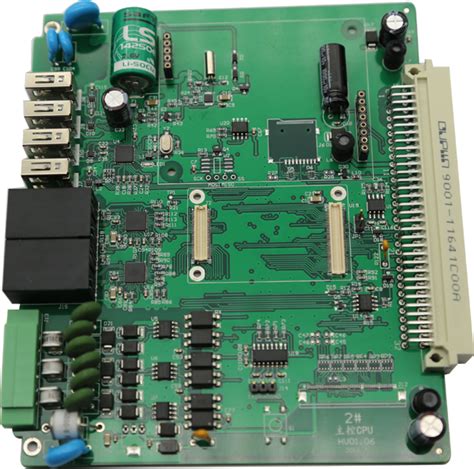
In the world of PCB assembly, a solid understanding of the various PCB components is crucial to success. These components can be broadly categorized into active and passive elements. Active components, such as transistors, diodes, and microcontrollers, are integral to the operation of your circuit as they control the flow of electrons. Conversely, passive components like resistors, capacitors, and inductors do not generate energy but rather dissipate, store, or release it. Each component serves a unique function: for instance, resistors are pivotal in managing current flow, while capacitors are essential for filtering signals and stabilizing power supplies.
To ensure a successful pcba, it is essential to select components not only based on their function but also on compatibility with other elements on the board. This compatibility directly influences the overall performance and reliability of your assembly. Furthermore, understanding factors such as component size, footprint within the PCB layout, and thermal characteristics is vital.
“A well-planned design integrating the right components can significantly enhance efficiency and reduce potential errors during assembly.”
By familiarizing yourself with these critical aspects of PCB components, you set a foundation for effective pcb assembly practices that yield high-quality electronic projects. Proper knowledge allows beginners to appreciate complex designs while enabling experienced engineers to innovate and improve existing systems even further.
Tools of the Trade: Essential Equipment for PCB Assembly
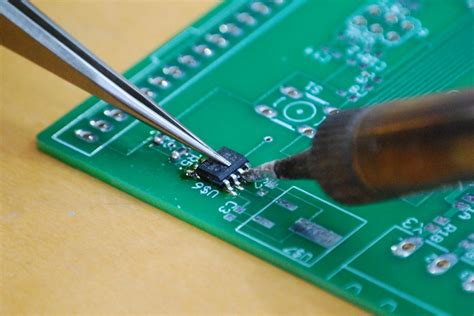
When it comes to pcb assembly, having the right tools can significantly impact the efficiency and quality of your work. A well-equipped workstation includes a variety of essential tools tailored for pcba. First and foremost, an anti-static mat and wrist strap are crucial to prevent electrostatic discharge, which can damage sensitive components. Additionally, you’ll need a precision soldering iron with adjustable temperature control for effective soldering without overheating your components. To ensure cleanliness, consider an ultrasonic cleaner that removes any contaminants from the PCB before assembly.
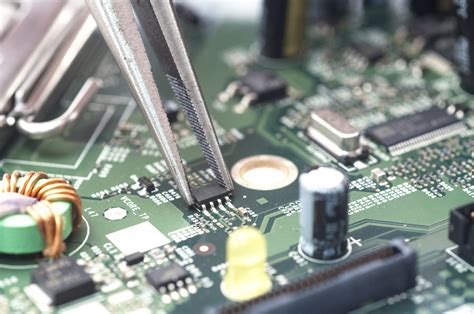
Moreover, utilizing a PCB holder or vise can enhance your stability during the soldering process, allowing you to work with both hands free. Incorporating a good quality multimeter will aid in checking connections and identifying any shorts or open circuits after assembly. Finally, high-quality tweezers should not be overlooked; they provide the precision needed to place tiny components accurately without risking damage.
Assembling PCB components efficiently requires these tools to create an organized and effective workflow. By investing in these essential pieces of equipment, you ensure not only better results in your projects but also establish good habits that contribute to long-term success in pcb assembly practices.
Best Practices for Preparing Your PCB for Component Assembly
Preparing your PCB for component assembly is a crucial step that sets the foundation for a successful PCB assembly process. One of the first best practices is to ensure that the PCB layout is optimized. This includes proper spacing and alignment of all components to prevent issues during soldering. A well-planned layout not only aids in efficient soldering but also minimizes the risk of electrical short circuits.
Additionally, thorough cleaning of the PCB is essential. Dirt, oil, or any contaminants can significantly affect the integrity of the solder joints. Using an appropriate cleaning solvent or ultrasonic cleaning can help achieve a pristine surface that enhances adhesion during installation.
Another key consideration is verifying all design files and ensuring that they align with the actual components to be used. A detailed Bill of Materials (BOM) should be maintained and cross-referenced with your design files to avoid discrepancies. Utilizing a checklist can be instrumental in this process to ensure that each component meets specifications.
Furthermore, it’s beneficial to implement a review phase before starting the PCBA process. Collaborating with team members to review designs can uncover potential issues early on, saving time and resources later in production.
| Best Practice | Description |
|---|---|
| Optimize Layout | Ensure proper spacing and alignment to prevent soldering issues and electrical shorts. |
| Thorough Cleaning | Remove contaminants with suitable cleaning agents for better adhesion during installation. |
| Validate Design Files | Cross-reference BOM with design files to avoid discrepancies in component specifications. |
| Implement Review Phase | Collaborate with team members for design reviews to identify and resolve potential issues early on. |
By following these best practices, you enable a smoother transition into the actual assembly phase of your PCBA, ensuring higher quality outcomes in your electronic projects.
Step-by-Step Guide to Assembling PCB Components Efficiently
Assembling PCB components can seem daunting, but following a systematic approach can significantly enhance efficiency and effectiveness. Start by ensuring that your workspace is organized and clutter-free, as disorganization can lead to errors and delays. Next, review your PCB design thoroughly to familiarize yourself with the layout and identify the placement of each component. This initial step is crucial for effective PCBA, as it sets the foundation for the entire assembly process.
When it comes to stance on components, use a combination of manual and automated tools depending on the complexity of your project. Solder paste application should be precise, so employing a stencil can help you achieve consistent coverage. Once you place the components on the board, double-check their alignment before moving on to soldering, ensuring that each component is oriented correctly.
For soldering, consider using a reflow oven if working with SMD components for uniform heating and excellent solder joints. If you are using through-hole components, make sure to heat both the lead and pad before applying solder for optimal connections. Throughout this process, keep an eye out for potential pitfalls—such as cold solder joints or bridging—by maintaining a steady hand and utilizing the right amount of solder.
Lastly, make use of quality control measures by visually inspecting each joint or employing automated optical inspection systems to catch any discrepancies early on. These steps not only streamline your assembly process but also contribute significantly to producing high-quality PCBA, ensuring that your electronic projects meet their intended performance standards. Always keep in mind that practice leads to proficiency when it comes to efficiently assembling PCB components.
Common Challenges in PCB Assembly and How to Overcome Them
In the realm of PCB assembly, several challenges can impede the efficiency and quality of the final product. One common issue is misalignment of components during assembly, which can lead to poor connections or even damage to sensitive parts. To mitigate this, employing accurate alignment tools and methods, such as laser alignment systems or fiducial markers, can significantly enhance precision. Another challenge frequently faced is soldering defects, which not only affect functionality but can also introduce reliability issues in the field. Utilizing appropriate soldering techniques and ensuring that the temperature is consistently monitored are critical steps in overcoming these defects. Moreover, component handling can pose a significant hurdle; fragile components may be damaged during transport or placement. Implementing gentle handling methods and using specialized tools designed for sensitive components will help preserve their integrity during the pcba process. Lastly, maintaining a clean assembly environment is vital, as contaminants can lead to soldering problems and overall performance issues. Regular cleaning protocols and using controlled environments are excellent practices to uphold quality standards in pcb assembly. By acknowledging these challenges upfront and adopting effective strategies, anyone involved in PCB assembly can improve their outcomes significantly while ensuring a high-quality final product.
Quality Control Measures for Assembled PCBs
Ensuring the quality of assembled PCBs (printed circuit boards) is critical to the performance and reliability of electronic products. Effective quality control measures begin with thorough inspections at each stage of the pcb assembly process. It is essential to verify that all components are correctly placed according to the design specifications, as misalignment can lead to functional failures. Implementing automated optical inspection (AOI) systems aids in identifying issues such as missing components, incorrect placements, and solder defects before proceeding further in production.
Additionally, employing a robust soldering process, whether through wave soldering or reflow techniques, is crucial for creating reliable connections. Routine thermal profiling during pcba (printed circuit board assembly) ensures that temperature settings are optimal for preventing component damage and achieving proper solder joint integrity. Regular audits of suppliers and materials can also mitigate quality concerns by ensuring that only compliant components are used.
Finally, incorporating a comprehensive testing phase—including functional testing and environmental stress screening—will further enhance final product reliability. By establishing these proactive quality control measures throughout the pcb assembly process, manufacturers can significantly reduce the risk of failures and ensure higher standards of excellence in their final products.
Innovations and Trends in PCB Component Assembly
The landscape of pcb assembly is rapidly evolving, driven by technological advancements and the increasing demand for high-performance electronics. One of the most significant trends is the adoption of automated assembly processes, which enhance efficiency and precision in pcba. Automation not only reduces the time taken for component placement but also minimizes human error, leading to higher quality outcomes. Furthermore, the integration of machine learning algorithms allows for real-time monitoring of the assembly process, enabling quick adjustments that improve yield rates.
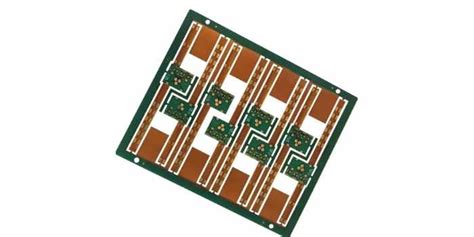
Another notable innovation is the development of advanced materials for PCB manufacturing, such as flexible substrates that open new avenues for design and application versatility. These materials enable the creation of compact and lightweight electronic devices, essential in fields like wearable technology. Additionally, as sustainability becomes a critical focus, many manufacturers are exploring eco-friendly materials and processes that reduce waste and energy consumption during assembly.
Moreover, collaboration between engineers and designers has become essential in driving innovation. By leveraging design-for-manufacturability (DFM) principles early in the product development cycle, teams can identify potential issues that may arise during pcb assembly. This proactive approach minimizes costly redesigns and enhances overall efficiency.
The incorporation of augmented reality (AR) in training for technicians is another exciting trend. AR tools can provide real-time guidance during both training sessions and actual assembly tasks, ensuring that workers are well-equipped to execute their roles effectively while maintaining high precision in their work.
In conclusion, keeping abreast of these innovations is crucial for anyone involved in PCB component assembly. By integrating new technologies and methodologies into their practices, professionals can significantly enhance efficiency while ensuring the highest quality standards are met in their electronic projects.
Troubleshooting Tips for Successful PCB Component Installation
When tackling PCB assembly, challenges can arise at various stages of the process. One common issue is misalignment of components during installation. To address this, ensure that the PCBA layout is thoroughly checked against the schematic before placement begins. Another frequent problem involves incorrect soldering, which can lead to weak connections or even short circuits. Using the right soldering technique and ensuring your tools are precise can mitigate this risk significantly. It’s also advisable to frequently inspect your work under good lighting; this allows you to catch any potential issues early on. If you encounter components that are not fitting as expected, double-check to make sure that you’re using the correct footprints in your design files—this is where discrepancies often arise. Moreover, if you have issues with component orientation, particularly with polarized components such as capacitors and diodes, a simple visual reference guide can be handy during assembly. Remember that patience and attention to detail are key elements in achieving a successful PCB assembly process and ensuring the integrity of your electronic projects. Utilizing tools like magnifying glasses or digital microscopes can aid in inspecting solder joints and component placement more closely, ultimately enhancing the quality of your final product through diligent troubleshooting practices.
Conclusion
As we wrap up this exploration of effective pcb assembly, it is essential to reflect on the various insights that have been shared throughout the guide. The importance of understanding the nuances involved in pcba cannot be overstated, as they directly impact both the efficiency and quality of your electronic projects. By adopting best practices in preparing your PCB and utilizing the right tools, you can significantly reduce assembly time and ensure a higher level of precision.
Moreover, remaining aware of common challenges can empower you to tackle potential issues proactively, thereby streamlining your overall workflow. From innovative techniques to quality control measures, each element discussed plays a crucial role in achieving successful pcb assembly outcomes. As technology evolves, so too does the landscape of PCB assembly; staying informed about emerging trends allows you to enhance your skills and adapt to new methodologies effectively. Ultimately, combining these insights will elevate both your productivity and the reliability of your projects, ensuring that you are well-prepared for future endeavors in pcba activities.
FAQs
Q: What is PCB assembly?
A: PCB assembly refers to the process of placing and soldering electronic components onto a printed circuit board (PCB), transforming a bare board into a functional electronic assembly.
Q: What are the common methods for PCBA?
A: The common methods for PCBA include surface mount technology (SMT) and through-hole technology (THT), each offering distinct advantages based on the design and application requirements.
Q: What equipment is essential for efficient PCB assembly?
A: Essential equipment includes soldering irons, pick and place machines, stencil printers, and inspection tools to ensure quality during the pcb assembly process.
Q: How can I streamline my PCB component assembly process?
A: Streamlining can be achieved through proper organization of components, using quality solder materials, and employing automated tools where possible to reduce manual labor.
Q: What are some challenges faced during PCB assembly?
A: Common challenges include misalignment of components, soldering defects, and issues with thermal management. Identifying these issues early can help mitigate their impact.
Q: How does quality control affect assembled PCBs?
A: Quality control measures ensure that all components are correctly placed and soldered. Regular inspections can prevent defects that might lead to failure or performance issues later in the project.