Maximizing Efficiency in High Volume PCB Production
Key Takeaways
Maximizing efficiency in high volume PCB production is essential for staying competitive in the ever-evolving landscape of the pcb manufacturing business. One of the critical aspects you must focus on is effective production planning. By strategically scheduling your processes, you can ensure that resources are utilized optimally, thus reducing pcb manufacturing costs. It’s important to monitor your workflow continuously; this empowers you to make real-time adjustments that uphold quality while meeting demand.
Moreover, enhancing quality control in high volume PCB manufacturing is vital. Implementing stringent quality assurance protocols helps mitigate potential defects, which can lead to costly reworks and affect your bottom line. High-performing pcb manufacturing companies often leverage advanced technologies like AI and automation to streamline processes and enhance accuracy.
To illustrate the importance of balancing cost and demand effectively, consider a comparison table that could reflect various strategies employed by successful manufacturers:
| Strategy | Impact on Cost | Impact on Demand |
|---|---|---|
| Lean Manufacturing | Decreased | Increased |
| Automation | Moderate | Significant |
| Regular Quality Audits | Variable | Steady |
By employing such strategies, not only will you boost efficiency in your operations, but you will also position your business for sustainable growth in pcb manufacturing. Remember, keeping an eye on future trends and adapting accordingly will be key as you navigate this competitive market.
Understanding High Volume PCB Production
High volume PCB manufacturing is a complex process that requires careful consideration of various factors to ensure efficiency. You may be aware that as demand for electronic devices continues to surge, PCB manufacturing companies are tasked with producing boards in large quantities while maintaining stringent quality standards. In this environment, it is crucial to grasp the fundamentals of high volume PCB production processes. You’ll want to pay attention to workflow optimization, material sourcing, and equipment utilization. Incorporating advanced technologies, such as automation and data analytics, can significantly enhance productivity and reduce the overall PCB manufacturing cost. To achieve this, ensure that your PCB manufacturing business adopts a proactive approach to production planning and quality control measures. > “Investing in state-of-the-art machinery not only elevates your production rates but also enhances the precision of your outputs.” By focusing on these strategies, you can effectively meet rising demands while optimizing costs and improving product quality. Emphasizing continuous improvement and adaptability within your processes will set you apart in the competitive landscape of high volume PCB manufacturing.
Key Strategies for Production Planning
Effective pcb manufacturing requires a well-thought-out production planning process to navigate the complexities of high volume needs. You must first assess your pcb manufacturing companies capabilities and align them with market demands to ensure that your operations are scalable. Focus on establishing a continuum that includes precise forecasting techniques, which can help you predict demand fluctuations more accurately. This helps you plan your inventory levels wisely, thereby reducing the risk of excess while ensuring you can meet customer demands promptly. Streamlining workflows is another crucial aspect; employ advanced technologies that automate and refine processes, allowing for quicker turnarounds without compromising quality. Additionally, consider collaborating with multiple suppliers to mitigate risks associated with material shortages, which can significantly impact your pcb manufacturing cost. An organized strategy not only maximizes efficiency but also fortifies your pcb manufacturing business against unexpected shifts in demand, paving the way for sustained growth in this competitive landscape.
Enhancing Quality Control in High Volume Manufacturing
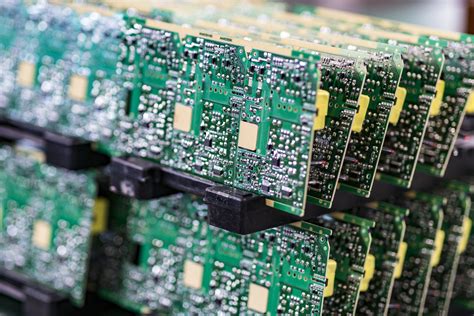
In the realm of high volume PCB production, enhancing quality control is vital for ensuring that your products meet both industry standards and customer expectations. As you navigate the landscape of pcb manufacturing, implementing robust quality control measures can significantly reduce defects and bolster your reputation among pcb manufacturing companies. One effective strategy is to utilize real-time quality monitoring systems, which enable immediate detection of anomalies during the production process. This proactive approach not only minimizes waste but also helps in maintaining a steady flow of production, ultimately optimizing your pcb manufacturing cost. Additionally, incorporating advanced automated inspection technologies offers enhanced precision compared to traditional methods, thereby ensuring that each unit adheres to the specified requirements. Training your workforce on quality awareness can further strengthen these efforts, encompassing every aspect of the pcb manufacturing business from design to delivery. By prioritizing these quality control measures, you not only elevate product reliability but also create a foundation for sustainable growth within a competitive market landscape.
The Impact of Advanced Technologies on Efficiency
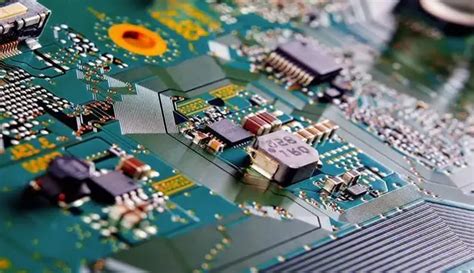
In the realm of high volume PCB production, the integration of advanced technologies plays a pivotal role in enhancing efficiency and productivity. With the increasing demand for quality and precision from pcb manufacturing companies, utilizing state-of-the-art equipment and processes can significantly streamline operations. For instance, implementing automated assembly techniques allows for reduced cycle times, ensuring that production meets tight deadlines while maintaining high standards. Additionally, advanced data analytics can offer insights into production processes, enabling you to identify bottlenecks and optimize workflows effectively.
Furthermore, investing in smart manufacturing technologies not only minimizes pcb manufacturing costs but also ensures higher accuracy in the production of printed circuit boards. As you adopt these technologies, consider how they allow for real-time monitoring of quality control processes, leading to immediate corrective actions when defects arise. This proactive approach not only enhances product quality but also fosters a culture of continuous improvement within your pcb manufacturing business. By leveraging these cutting-edge technologies, you position yourself to meet the evolving needs of the marketplace while ensuring that your operations remain efficient and cost-effective.
Balancing Cost and Demand in PCB Production
In the competitive world of pcb manufacturing, achieving a balance between cost and demand is crucial for success. As you navigate this landscape, understanding the intricacies of pcb manufacturing cost becomes essential. High volume production often necessitates an investment in advanced technologies and streamlined processes, which can initially seem daunting. However, by closely analyzing your production needs, you can implement strategic planning that optimizes resource allocation without compromising quality. Collaborating with reliable pcb manufacturing companies that have a proven track record can also provide insights into best practices, ultimately aiding in controlling expenses while meeting customer demands. Additionally, it is important to keep an eye on market trends to anticipate shifts in demand that could affect your pcb manufacturing business. By embracing flexibility in your operations and continuously refining your approach, you can achieve sustainable growth and maintain competitiveness in the market.

Best Practices for Streamlining Operations
To effectively streamline operations within your PCB manufacturing processes, it’s essential to focus on several best practices that can optimize overall performance. First, implementing lean manufacturing principles can significantly reduce waste and improve efficiency. By assessing your current workflow and identifying bottlenecks, you can eliminate unnecessary steps and enhance productivity. Another critical element is investing in employee training; well-trained staff can operate machinery more efficiently, leading to improved product quality and faster turnaround times. You should also consider upgrading your technology; utilizing advanced software solutions can facilitate better project management and inventory tracking, thus ensuring that you stay on top of production schedules. Collaborating closely with reputable PCB manufacturing companies can also bolster your operations by providing insights into industry best practices and helping minimize PCB manufacturing costs through economies of scale. Finally, staying adaptable to changing market demands is key; regularly reviewing and adjusting your production strategies will help ensure that you meet customer expectations while maintaining a competitive edge in the PCB manufacturing business landscape.
Case Studies: Successful High Volume PCB Manufacturers
Understanding the nuances of high volume PCB production is best illustrated through the success stories of industry leaders. For instance, some of the most recognized PCB manufacturing companies have adopted innovative approaches to streamline their processes. Take, for example, a well-known manufacturer that implemented advanced automation technologies which significantly reduced pcb manufacturing costs while increasing output efficiency. By leveraging state-of-the-art robotics and smart scheduling software, they optimized their workflow to meet surging demand without compromising quality. Another case highlights a pcb manufacturing business that embraced lean manufacturing principles, which led to a remarkable decrease in waste and improved product turnaround times. These manufacturers demonstrate that investing in advanced technologies and effective management strategies can create a robust framework for success in the competitive landscape of high volume production. By examining these case studies closely, you can glean valuable insights into how efficiencies can be maximized within your own operations, ensuring your business remains at the forefront of the pcb manufacturing industry.
Future Trends in High Volume PCB Production
As you navigate the landscape of high volume PCB production, it’s essential to stay informed about the latest trends shaping the industry. One crucial development is the shift towards enhanced automation within PCB manufacturing processes. Automation not only increases production speed but also minimizes errors, therefore driving down overall PCB manufacturing costs. Many PCB manufacturing companies are investing in intelligent systems that utilize data analytics to optimize operations in real time, allowing you to manage fluctuating demand with ease. Moreover, the incorporation of eco-friendly materials and processes is becoming more prevalent as sustainability gains importance among consumers and regulators alike. This trend is not just beneficial for the environment; it can also lead to significant cost savings in your pcb manufacturing business by reducing waste and improving efficiency. In addition, advancements in artificial intelligence and machine learning are being deployed to predict maintenance needs and streamline supply chains, promising a more resilient approach to high volume production. Staying ahead of these trends will ensure that you remain competitive and responsive to market demands while maintaining quality and efficiency in your operations.
Conclusion
In the realm of high volume PCB production, you’ve likely encountered numerous challenges that can affect both efficiency and overall output. To successfully navigate these challenges, it’s crucial to focus on optimizing your pcb manufacturing processes. Emphasizing robust production planning ensures that your pcb manufacturing companies can meet rising demands without compromising quality. Establishing stringent quality control measures will not only enhance your product reliability but also minimize potential losses associated with defects. Additionally, integrating advanced technologies can significantly streamline operations and keep your pcb manufacturing costs in check. As you continue to develop your pcb manufacturing business, staying informed about industry trends and best practices will empower you to maintain a competitive edge, adapt to market fluctuations, and maximize efficiency in all aspects of your production efforts.
FAQs
What is high volume PCB manufacturing?
High volume PCB manufacturing refers to the mass production of printed circuit boards, allowing companies to meet significant demand efficiently. This process typically involves advanced techniques and machinery designed to produce a large number of boards simultaneously while maintaining quality standards.
How do I choose the right PCB manufacturing companies?
When selecting PCB manufacturing companies, consider factors such as their experience, production capabilities, technological expertise, and customer reviews. It’s crucial to prioritize companies that emphasize quality control and offer competitive PCB manufacturing costs without compromising on service.
What factors influence PCB manufacturing cost?
Several elements can affect PCB manufacturing cost, including the complexity of the design, materials used, production volume, and the technology employed. Understanding these factors will help you negotiate better terms and optimize your production planning.
What are the best practices for running a PCB manufacturing business?
To run a successful PCB manufacturing business, focus on efficient production workflows, maintaining stringent quality control measures, leveraging advanced technologies like automation, and fostering strong relationships with suppliers to ensure you can meet high demand effectively.