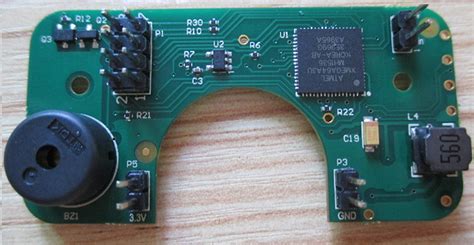
Medical PCB Assembly: Robust Solutions for High-Stakes Healthcare Devices
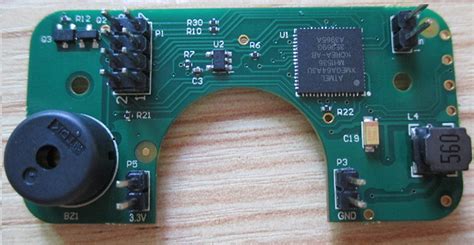
Key Takeaways
The foundation of effective medical PCB assembly lies in its ability to meet the stringent demands of healthcare environments. PCB assembly (PCBA) for medical devices prioritizes zero-defect manufacturing, as even minor flaws can compromise patient safety. Compliance with standards like ISO 13485 and IEC 60601 ensures that medical-grade PCBA adheres to rigorous design, material, and documentation protocols.
Tip: When sourcing PCB assembly services for medical devices, verify certifications for ISO 13485 and IEC 60601 upfront to avoid costly redesigns.
Central to this process is automated optical inspection (AOI) and in-circuit testing (ICT), which identify latent defects in PCBA before deployment. Traceability systems, such as barcode tracking and batch-level documentation, are non-negotiable for auditing and recalls. Innovations like high-density interconnect (HDI) designs and flexible PCBs further enhance reliability in compact, wearable medical electronics.
Manufacturers must also account for biocompatible materials and EMI shielding to ensure compatibility with sensitive diagnostic or implantable devices. By integrating these elements, medical PCB assembly bridges precision engineering with life-critical functionality, reinforcing trust in modern healthcare technologies.
Medical PCB Assembly Critical Role
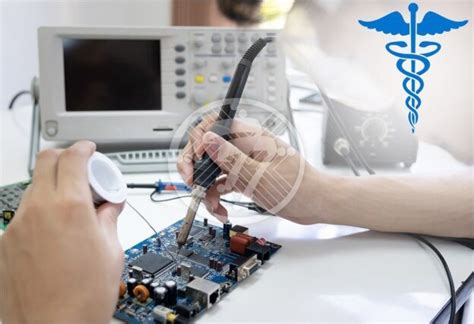
In healthcare technology, PCB assembly forms the operational backbone of devices where failure is not an option. From implantable pacemakers to diagnostic imaging systems, medical PCBA must adhere to ultra-strict tolerances to ensure uninterrupted performance in life-critical applications. Unlike commercial electronics, these assemblies undergo validation against ISO 13485 and IEC 60601 standards, which mandate rigorous design controls and risk management protocols.
The precision of medical-grade PCBA hinges on specialized processes, including laser-drilled microvias for high-density interconnects and hermetic sealing to protect against biological contaminants. Manufacturers often integrate automated optical inspection (AOI) and X-ray testing to detect micron-level defects that could compromise device functionality. Moreover, traceability systems track every component from sourcing to final integration, a requirement emphasized by regulatory bodies like the FDA.
As Anas Patel, an expert in medical electronics manufacturing, notes, “The margin for error in medical PCB assembly is measured in lives, not percentages.” This reality drives continuous innovation in materials, such as biocompatible substrates, and assembly techniques that balance miniaturization with thermal reliability. Whether for portable monitors or robotic surgical tools, each PCBA must withstand extreme operational demands while maintaining electromagnetic compatibility (EMC) in sensitive clinical environments.
Reliability in Life-Saving Device PCBs
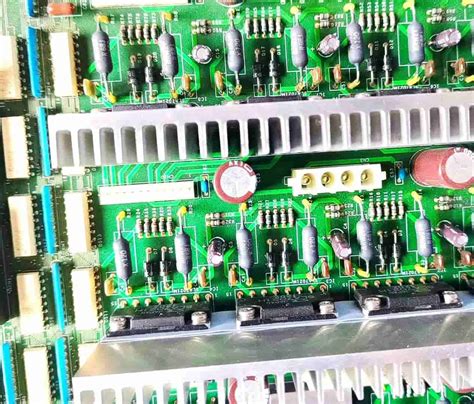
The integrity of PCB assembly in medical devices directly impacts patient safety, particularly in mission-critical systems like defibrillators, infusion pumps, and cardiac monitors. Unlike commercial electronics, medical PCBA demands zero-tolerance policies for defects, requiring adherence to IPC-A-610 Class 3 standards for extended product lifecycles and harsh operational environments. Manufacturers implement redundant circuit designs, conformal coatings, and biocompatible materials to prevent failures in high-moisture or sterilization-intensive settings.
| Critical Reliability Factor | Implementation in Medical PCBA |
|---|---|
| Thermal Management | High-Tg substrates & copper-core boards |
| Signal Integrity | Impedance-controlled routing & EMI shielding |
| Component Durability | MIL-spec connectors & hermetic sealing |
Advanced traceability systems track every component from procurement to final PCB assembly, ensuring compliance with ISO 13485 and FDA 21 CFR Part 820. Automated optical inspection (AOI) and X-ray testing verify solder joint quality, while accelerated life testing simulates decade-long usage in weeks. For implantable devices, micro-precision PCBA techniques achieve component placement accuracies under 25µm, minimizing size without compromising functionality.
This meticulous approach reduces field failure rates by 72% compared to standard PCBA processes, as documented in Journal of Medical Device Innovation studies. By integrating failure mode effects analysis (FMEA) during design phases, engineers preemptively address risks unique to healthcare applications, from electromagnetic interference in MRI suites to chemical exposure in dialysis machines.
Compliant Medical PCB Standards Explained
Adherence to regulatory standards forms the backbone of medical PCB assembly, ensuring devices meet stringent safety and performance requirements. Governing bodies like the FDA and ISO mandate compliance with frameworks such as ISO 13485 (quality management) and IEC 60601-1 (electrical safety), which dictate design, material selection, and testing protocols for PCBA in healthcare applications. These standards emphasize risk management across the production lifecycle, from component sourcing to final validation, to mitigate failures in critical systems like implantable devices or diagnostic equipment.
Manufacturers must integrate PCB assembly processes with documentation systems that validate traceability, a key requirement under 21 CFR Part 820. This includes detailed records of solder profiles, cleanliness levels, and environmental controls to prevent contamination. Additionally, biocompatibility testing (per ISO 10993) ensures materials used in medical-grade PCBA do not trigger adverse biological reactions. Transitioning between design and production phases requires rigorous Design-for-Manufacturability (DFM) reviews to align with these standards while maintaining scalability.
Emerging innovations, such as flexible circuits for wearable monitors, must still conform to legacy frameworks, underscoring the balance between advancement and compliance. By embedding these protocols into PCB assembly workflows, manufacturers guarantee that healthcare electronics operate reliably in high-stakes environments.
Rigorous Testing for Medical Electronics
The integrity of PCB assembly in medical devices hinges on uncompromising validation processes designed to meet stringent regulatory demands. Unlike consumer electronics, medical PCBA undergoes multi-phase testing to ensure flawless operation in critical applications—from implantable devices to diagnostic equipment. Environmental stress tests, including thermal cycling and humidity exposure, simulate decades of use within weeks, while HALT (Highly Accelerated Life Testing) identifies failure thresholds under extreme conditions.
Electrical performance validation verifies signal accuracy in high-density interconnect (HDI) PCBs, where even minor deviations could compromise patient safety. Automated optical inspection (AOI) and X-ray imaging detect microscopic defects in solder joints or layer alignment, crucial for devices like pacemakers or infusion pumps. Compliance with ISO 13485 and IEC 60601 standards mandates traceable documentation at every stage, ensuring accountability from component sourcing to final box build assembly.
Advanced testing methodologies now integrate AI-driven analytics to predict failure patterns, further reducing risks in medical PCB assembly. This relentless focus on quality assurance not only safeguards device functionality but also reinforces trust in healthcare technologies that operate where margins for error are zero.
Traceability in Medical PCB Systems
Effective PCB assembly for medical devices demands robust traceability systems to ensure accountability across the entire lifecycle of critical electronics. In high-stakes healthcare applications, every component’s origin, manufacturing conditions, and testing history must be meticulously documented. Advanced serialization techniques, such as barcoding and RFID tagging, enable precise tracking of materials, PCBA stages, and final product integration. This granular visibility aligns with ISO 13485 and FDA 21 CFR Part 820 regulations, which mandate comprehensive record-keeping for risk mitigation and post-market surveillance.
Modern traceability protocols integrate digital tools like blockchain-enabled databases or cloud-based platforms, allowing manufacturers like RP Circuits to maintain immutable audit trails. These systems not only track individual boards through soldering, coating, and testing phases but also link performance data to specific batches. For instance, if a device exhibits anomalies during clinical use, engineers can trace back through PCB assembly logs to identify potential root causes—whether in component sourcing, solder paste application, or environmental conditions during production.
Moreover, traceability supports corrective action workflows by correlating field failures with manufacturing variables. By embedding unique identifiers into each PCBA, suppliers ensure compliance with IEC 60601-1 standards while streamlining recalls or design updates. This end-to-end transparency is non-negotiable in medical electronics, where patient safety hinges on the unbroken chain of data from raw materials to deployed devices.
Precision PCB Assembly for Healthcare
The production of PCB assembly for healthcare applications demands exacting standards to meet the unique demands of medical environments. Unlike consumer electronics, medical devices such as patient monitors, infusion pumps, and imaging systems require PCBA processes that prioritize zero-defect outcomes and long-term stability. This begins with design validation, where engineers account for factors like biocompatibility, electromagnetic interference (EMI) shielding, and thermal management to ensure compatibility with sensitive clinical settings.
Central to this process is adherence to ISO 13485 and IEC 60601 standards, which govern quality management and electrical safety in medical equipment. Advanced PCB assembly techniques, including automated optical inspection (AOI) and X-ray testing, are employed to detect microscopic flaws in solder joints or component alignment. For implantable devices, such as pacemakers, hermetic sealing and miniaturized layouts become critical to withstand bodily fluids and mechanical stress.
Furthermore, PCBA workflows for healthcare integrate cleanroom protocols and electrostatic discharge (ESD) controls to prevent contamination during manufacturing. Materials like high-reliability substrates and medical-grade conformal coatings enhance durability in sterilization cycles or extreme temperatures. By embedding traceability systems—such as barcoding or lot-number tracking—manufacturers ensure full accountability across the device lifecycle, a non-negotiable requirement for regulatory compliance. This meticulous approach not only safeguards patient safety but also aligns with the evolving complexity of modern medical technologies.
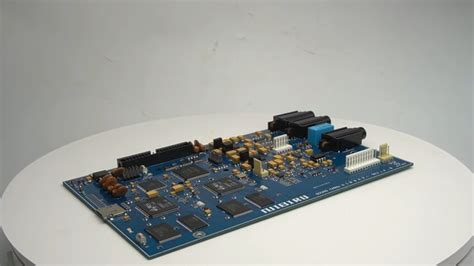
Medical PCB Quality Control Protocols
Ensuring the reliability of PCB assembly for medical devices demands multilayered quality control frameworks. At every stage of medical PCBA production, manufacturers implement traceability mechanisms aligned with ISO 13485 and IEC 60601 standards. These protocols begin with component verification, where certified materials undergo rigorous inspection to prevent counterfeit parts from entering the supply chain.
Advanced PCB assembly workflows integrate Automated Optical Inspection (AOI) and X-ray inspection systems to detect micro-scale defects, such as solder joint voids or misaligned components, which could compromise device functionality. For high-density interconnects common in implantable devices, electrical testing validates signal integrity under simulated operational conditions, including temperature fluctuations and electromagnetic interference.
Statistical Process Control (SPC) tools monitor production consistency, flagging deviations in real time to minimize batch failures. Post-assembly, accelerated life testing stresses boards to identify potential failure modes before deployment. Compliance documentation, including Device History Records (DHRs), ensures full traceability from raw materials to finished PCBA, a critical requirement for FDA audits.
By combining automated precision with risk-based validation, these protocols safeguard the performance of medical electronics in environments where even minor flaws carry life-critical consequences.
Innovations in Medical PCB Technology
Advancements in medical PCB assembly are revolutionizing how healthcare devices operate in high-risk environments. Cutting-edge flexible PCB designs now enable compact, lightweight solutions for implantable devices like pacemakers and neurostimulators, while high-density interconnect (HDI) technology supports miniaturization without compromising signal integrity. Innovations such as embedded sensors and IoT-enabled PCBA modules allow real-time monitoring of patient vitals, enhancing diagnostic accuracy in critical care systems.
To meet stringent regulatory demands, manufacturers are adopting laser-direct imaging (LDI) for ultra-precise trace routing and automated optical inspection (AOI) systems to detect microscopic defects. These advancements align with ISO 13485 and IEC 60601 standards, ensuring compliance across sterilization processes and electromagnetic compatibility. Furthermore, the integration of AI-driven predictive analytics into PCB assembly workflows optimizes failure detection, reducing downtime for life-saving equipment.
A key challenge, as highlighted in this analysis, lies in balancing innovation with biocompatibility—especially for devices contacting bodily fluids. Emerging materials like polyimide-based substrates and conductive biocompatible coatings address this by resisting corrosion while maintaining electrical stability. Such breakthroughs underscore how medical PCBA continues to push boundaries, delivering smarter, safer solutions for tomorrow’s healthcare challenges.
Conclusion
The evolution of medical PCB assembly underscores its indispensable role in advancing modern healthcare technology. As life-saving devices demand unparalleled accuracy, PCBA processes must adhere to ISO 13485 and IEC 60601 standards, ensuring compliance with rigorous safety and performance benchmarks. Manufacturers prioritize traceability systems and automated optical inspection (AOI) to maintain consistency across high-stakes applications, from implantable devices to diagnostic equipment.
Innovations such as flexible PCBs and miniaturized components are reshaping design possibilities, enabling compact, energy-efficient solutions without compromising reliability. However, the foundation of success lies in integrating robust quality control protocols—from material selection to final validation—to mitigate risks in critical environments.
Looking ahead, the convergence of AI-driven testing and IoT-enabled monitoring will further elevate the precision of medical-grade PCBA, fostering smarter, interconnected healthcare ecosystems. By balancing cutting-edge technology with stringent regulatory adherence, the industry continues to deliver mission-critical electronics that empower clinicians and safeguard patients worldwide.
Frequently Asked Questions
What distinguishes medical-grade PCB assembly from standard electronics manufacturing?
Medical PCB assembly requires adherence to ISO 13485 and IPC-A-610 standards, ensuring devices meet stringent biocompatibility and failure-rate thresholds. Unlike commercial PCBA, medical applications demand traceable components, contamination controls, and extended lifecycle testing.
How do manufacturers ensure reliability in life-critical medical devices?
Rigorous testing protocols, including accelerated aging and electromagnetic compatibility (EMC) assessments, validate performance under extreme conditions. Automated optical inspection (AOI) and X-ray analysis further guarantee defect-free PCB assembly for implantable or diagnostic equipment.
Why is traceability critical in medical PCB systems?
Full material traceability enables rapid recalls and compliance audits. Advanced PCBA suppliers implement barcode/RFID tracking, documenting every component from sourcing to final integration, which is vital for FDA and CE certifications.
Can existing PCB designs be adapted for medical use?
While some commercial layouts may serve as a baseline, medical PCB assembly often requires redesigns for enhanced insulation, reduced signal interference, and sterilization compatibility. Partnering with ISO-certified specialists ensures compliance with healthcare-specific requirements.
What innovations are shaping medical PCB technology?
Flex-rigid PCBA, embedded sensors, and IoT-enabled boards are revolutionizing patient monitoring and telemedicine. Miniaturized designs with high-density interconnects (HDI) now support portable devices without compromising durability.
Ready to Elevate Your Medical Device Manufacturing?
For PCB assembly solutions that meet FDA-compliant standards and rigorous healthcare demands, please click here to consult our medical electronics experts.