Medical PCBs: The Backbone of Modern Healthcare Technology
Introduction
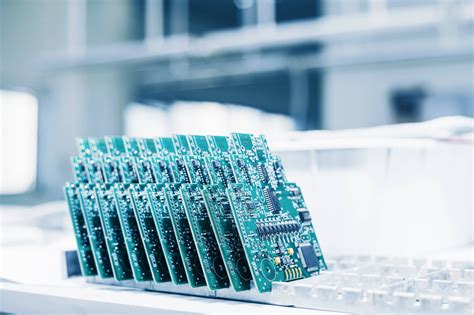
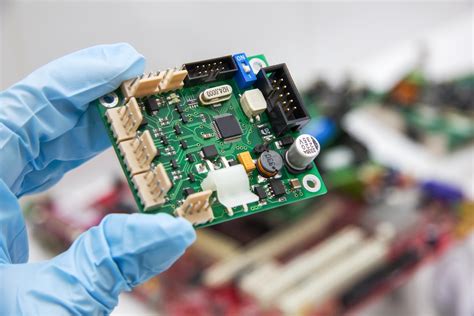
Printed Circuit Boards (PCBs) are essential components in nearly all electronic devices, and the medical industry is no exception. Medical PCBs are specialized circuit boards designed to meet the stringent requirements of healthcare applications, including reliability, precision, and compliance with regulatory standards. As medical technology advances, the demand for high-performance PCBs continues to grow, enabling innovations in diagnostics, treatment, and patient monitoring.
This article explores the role of Medical PCBs in healthcare, their design considerations, materials, manufacturing processes, and emerging trends in the industry.
1. The Role of PCBs in Medical Devices
Medical PCBs are used in a wide range of healthcare applications, including:
A. Diagnostic Equipment
- Medical Imaging Systems: PCBs are integral to MRI machines, CT scanners, X-ray systems, and ultrasound devices, where high-speed signal processing is crucial.
- Blood Glucose Monitors: These devices rely on precise PCB designs to ensure accurate readings for diabetic patients.
- ECG & EEG Machines: PCBs process electrical signals from the heart and brain, requiring low noise and high sensitivity.
B. Therapeutic Devices
- Pacemakers & Defibrillators: Implantable PCBs must be ultra-reliable, compact, and biocompatible.
- Infusion Pumps: These devices use PCBs to control precise drug delivery.
- Nerve Stimulators: Used in pain management, these PCBs require high precision in signal delivery.
C. Patient Monitoring Systems
- Wearable Health Monitors: Smartwatches and patches use flexible PCBs to track vital signs like heart rate and oxygen levels.
- Hospital Monitoring Systems: PCBs in ICU equipment must operate continuously without failure.
D. Laboratory & Surgical Equipment
- PCR Machines: Used in DNA testing, these require thermal management and high-speed signal integrity.
- Robotic Surgical Systems: PCBs in surgical robots must ensure precision and real-time responsiveness.
2. Design Considerations for Medical PCBs
Designing PCBs for medical applications involves unique challenges:
A. High Reliability & Longevity
Medical devices often operate in life-critical situations, meaning PCBs must have near-zero failure rates. Redundancy, high-quality materials, and rigorous testing are essential.
B. Miniaturization
Many medical devices, such as implantable electronics, require ultra-compact PCBs with high-density interconnects (HDI).
C. Signal Integrity & Noise Reduction
Medical sensors and imaging systems demand low-noise PCBs with proper shielding and impedance control.
D. Biocompatibility
For implantable devices, PCB materials must be non-toxic and resistant to bodily fluids.
E. Compliance with Medical Standards
Medical PCBs must meet strict regulations such as:
- ISO 13485 (Quality Management for Medical Devices)
- IEC 60601 (Safety of Medical Electrical Equipment)
- FDA & CE Marking (Regulatory Approvals)

3. Materials Used in Medical PCBs
The choice of materials impacts performance, durability, and safety:
A. Substrate Materials
- FR4: Common for non-implantable devices due to its cost-effectiveness.
- Polyimide: Used in flexible PCBs for wearables and implantable devices.
- Ceramic PCBs: Ideal for high-temperature applications like electrosurgical tools.
B. Conductive Materials
- Copper: Standard for traces, but may require gold plating for corrosion resistance in implants.
- Silver & Gold: Used in high-reliability applications for better conductivity.
C. Encapsulation & Coatings
- Conformal Coating: Protects against moisture and chemicals.
- Biocompatible Coatings: Essential for implantable electronics.
4. Manufacturing & Testing of Medical PCBs
A. Precision Manufacturing
- Laser Drilling: For microvias in HDI PCBs.
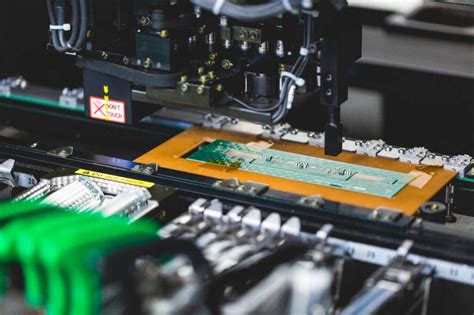
- Automated Optical Inspection (AOI): Ensures defect-free production.
- Surface Mount Technology (SMT): Enables high-density component placement.
B. Rigorous Testing Protocols
- Electrical Testing: Ensures proper connectivity and functionality.
- Environmental Testing: Checks performance under humidity, temperature, and vibration.
- Biocompatibility Testing: For implantable devices.
5. Emerging Trends in Medical PCBs
A. Flexible & Stretchable PCBs
Wearable health monitors and implantable devices increasingly use flexible PCBs for better ergonomics and durability.
B. IoT & Wireless Connectivity
Medical IoT (IoMT) devices require PCBs with embedded Bluetooth, Wi-Fi, and 5G modules for real-time data transmission.
C. AI-Enabled Medical Devices
AI-driven diagnostics and robotic surgery rely on high-speed, high-performance PCBs with advanced processing capabilities.
D. 3D-Printed Electronics
Additive manufacturing allows for custom-shaped PCBs, enabling innovative medical device designs.
E. Green PCBs
Eco-friendly materials and lead-free soldering are becoming more important in medical PCB manufacturing.
6. Challenges & Future Outlook
While Medical PCBs offer immense benefits, challenges remain:
- High Development Costs: Compliance and testing increase expenses.
- Supply Chain Risks: Dependence on high-quality materials can lead to delays.
- Cybersecurity Risks: Connected medical devices require secure PCB designs.
Despite these challenges, the future of Medical PCBs is promising, with advancements in nanotechnology, AI, and wireless tech driving innovation.
Conclusion
Medical PCBs are the unsung heroes of modern healthcare, enabling life-saving technologies from pacemakers to AI-powered diagnostics. As the industry evolves, PCB manufacturers must continue innovating to meet the growing demands for reliability, miniaturization, and smart functionality. By adhering to stringent standards and embracing new technologies, Medical PCBs will remain at the heart of healthcare advancements for years to come.