metal core pcb stackup
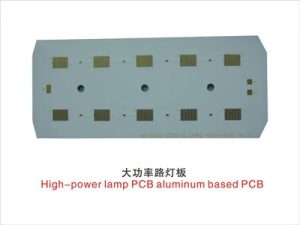
Metal core PCBs are a type of printed circuit board that are designed to handle high levels
of heat. They are commonly used in applications such as LED lighting, power supplies, and
automotive electronics. The metal core PCB stackup is an important aspect of the design
process, as it determines the electrical and thermal properties of the board. In this
article, we will explore the basics of metal core PCB stackup and its importance in the
design process.
What is Metal Core PCB Stackup?
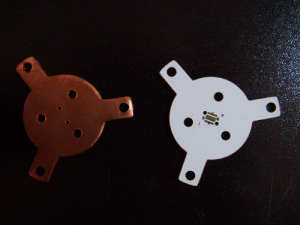
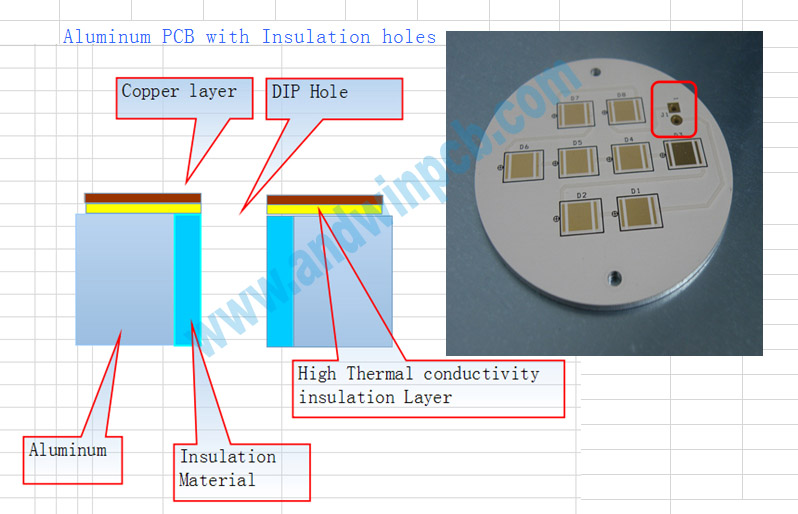
A metal core PCB stackup is the arrangement of layers that make up a metal core PCB. The
stackup consists of three main layers: the metal core, the dielectric layer, and the copper
layer. The metal core is typically made of aluminum or copper, and serves as a heat sink
for the board. The dielectric layer is a non-conductive material that separates the metal
core from the copper layer. The copper layer is where the traces and components are placed.
The metal core PCB stackup can vary depending on the specific application and requirements
of the board. For example, a board designed for high power applications may have a thicker
metal core and copper layer to handle the heat generated by the components. On the other
hand, a board designed for low power applications may have a thinner metal core and copper
layer to reduce costs.
Why is Metal Core PCB Stackup Important?
The metal core PCB stackup is important because it determines the electrical and thermal
properties of the board. The thickness and material of the metal core can affect the
thermal conductivity of the board, which is important for dissipating heat generated by the
components. The thickness and material of the copper layer can affect the electrical
conductivity of the board, which is important for ensuring proper signal transmission.
In addition, the dielectric layer can affect the electrical and thermal properties of the
board. The dielectric constant of the material used in the dielectric layer can affect the
impedance of the board, which is important for maintaining signal integrity. The thermal
conductivity of the dielectric layer can also affect the heat dissipation of the board.
Designing a Metal Core PCB Stackup
Designing a metal core PCB stackup involves selecting the appropriate materials and
thicknesses for each layer. The designer must consider the specific requirements of the
application, such as the power level and operating temperature range. The designer must
also consider the manufacturing process, as certain materials and thicknesses may be more
difficult to manufacture.
Once the materials and thicknesses have been selected, the designer must create a detailed
stackup diagram that specifies the order and thickness of each layer. The stackup diagram
is used by the manufacturer to create the board, and must be accurate to ensure proper
functionality.
Conclusion
The metal core PCB stackup is an important aspect of the design process for metal core
PCBs. It determines the electrical and thermal properties of the board, and must be
carefully designed to meet the specific requirements of the application. By understanding
the basics of metal core PCB stackup, designers can create boards that are optimized for
their intended use.